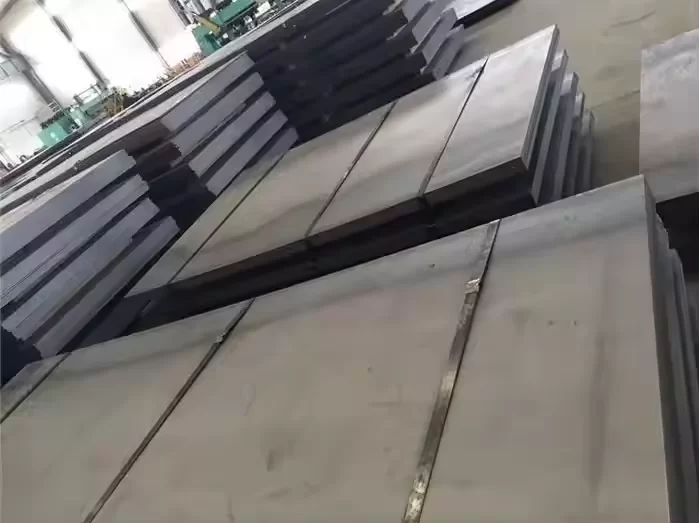
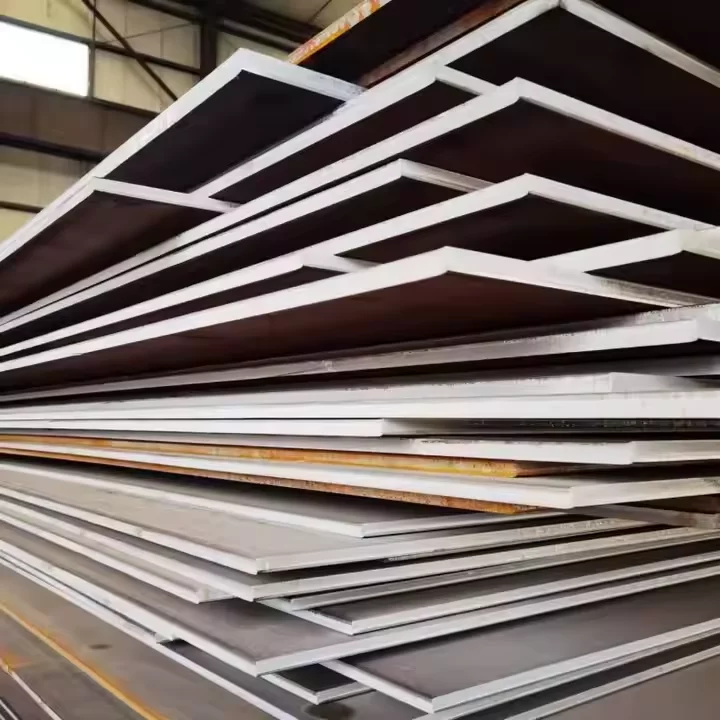
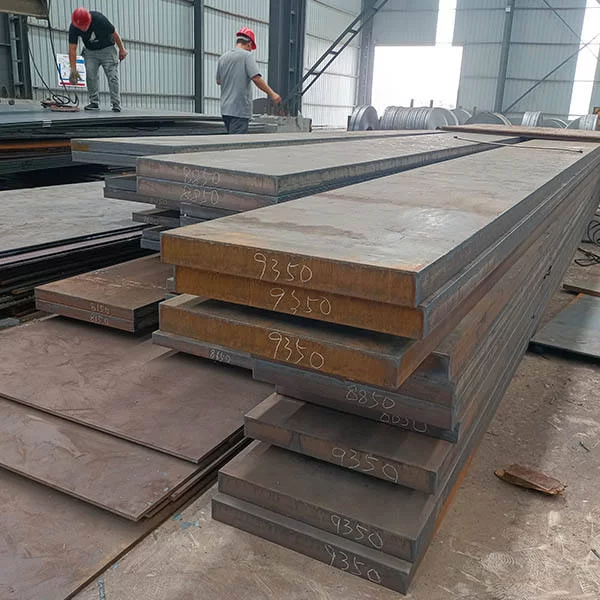
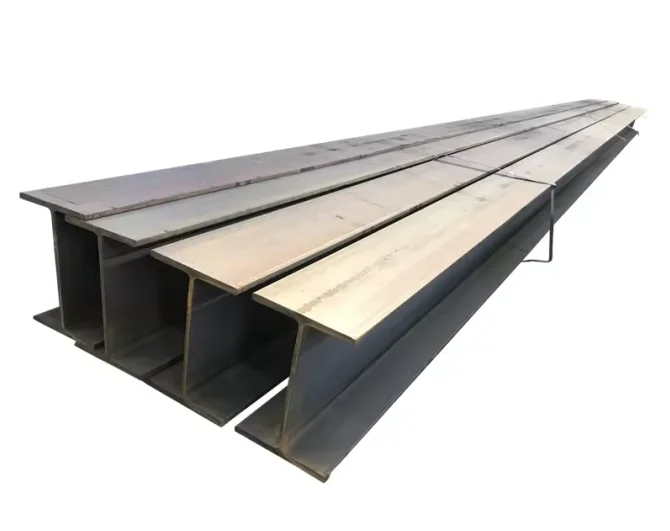
Industrial Infrastructure Solutions with weathering steel plate in Zimbabwe

Industrial Infrastructure Solutions with weathering steel plate in Zimbabwe

High-performance metal fabrication and rolled steel solutions tailored for the demanding climatic conditions of the Zimbabwean industrial landscape.

Steel Fabrication Status in Zimbabwe

Analyzing the intersection of metallurgy and regional environmental challenges.

Zimbabwe's manufacturing sector, particularly in metal structure fabrication, faces unique challenges due to high UV exposure and seasonal moisture fluctuations. The reliance on traditional carbon steels often leads to rapid oxidation, increasing maintenance costs for mining and agricultural infrastructure.

Currently, there is a growing shift towards corten steel sheets to eliminate the need for repetitive painting and protective coatings in outdoor installations. This transition is driven by the need for longevity in harsh savannah and highland environments.

The market is also seeing a diversification in material use, where low carbon steels are utilized for general fabrication, while high-strength alloys are reserved for heavy-duty structural frameworks in the mining hubs of Mashonaland and Midlands.
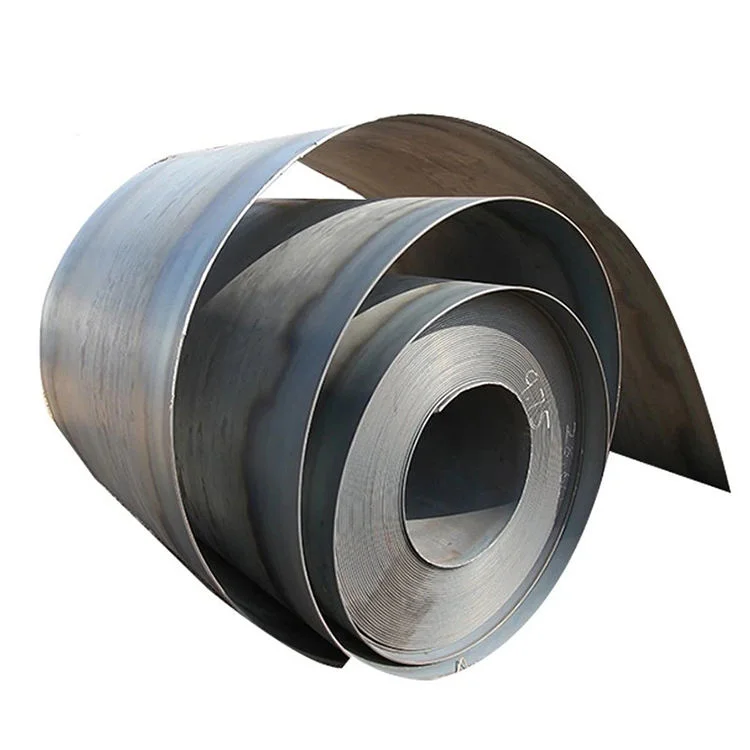
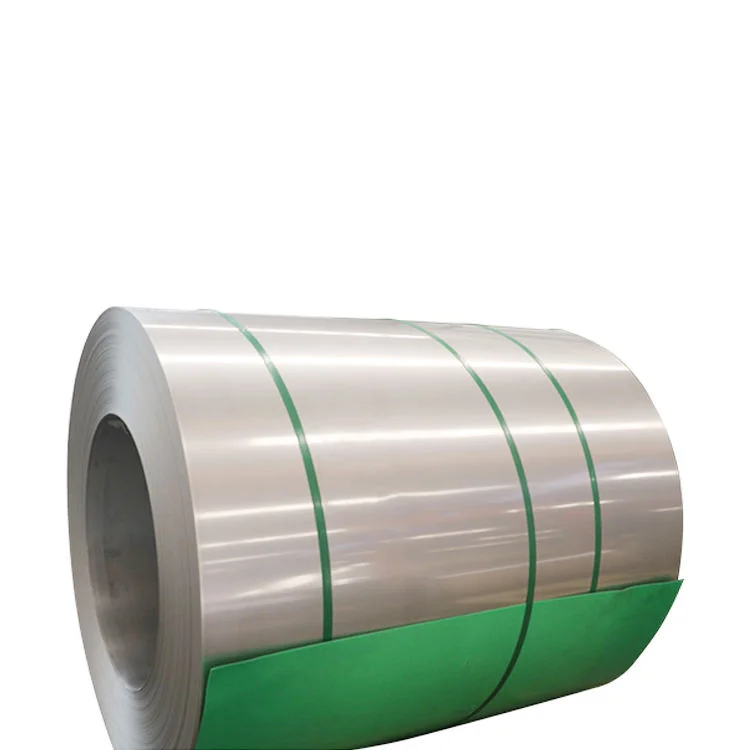
Evolution of Metal Structure Fabrication

From basic rolling techniques to advanced alloy engineering.

Market Development History

In the early industrial era (1980s-2000s), Zimbabwe primarily relied on basic mild low alloy steel for structural supports, focusing on sheer volume and basic load-bearing capacity with frequent manual anti-corrosion treatments.

Between 2010 and 2020, the industry witnessed a technical iteration where precision rolling and pressing technology were introduced, allowing for more complex metal structures and the integration of specialized alloying elements to combat regional corrosion.

Entering the 2020s, the focus has shifted toward "intelligent materials." The adoption of atmospheric corrosion-resistant steels has revolutionized the construction of bridges and industrial silos across the region.

Future Development Trends

Sustainable Metallurgy

Integration of green steel production methods to reduce the carbon footprint of heavy metal fabrication in the SADC region.

Precision Alloy Customization

Moving toward tailor-made chemical compositions in alloy steels to match specific Zimbabwean soil acidity and humidity levels.

Digital Fabrication Integration

Adoption of BIM (Building Information Modeling) combined with CNC rolling to ensure zero-waste production of steel components.

Industry Trends and Future Outlook

Forecasting the trajectory of the steel pressing and fabrication industry.

Corrosion Resistance Optimization
Increasing demand for self-protecting oxide layers to reduce lifecycle maintenance costs.
High-Strength Weight Reduction
Utilizing advanced rolling to create thinner yet stronger structural components.
Automated Pressing Lines
Implementation of AI-driven rolling machines for extreme dimensional accuracy.
Eco-Friendly Coating Alternatives
Moving away from VOC-heavy paints toward natural oxidation processes.

Industry Outlook

Based on current search trends and regional infrastructure projects, Zimbabwe is expected to see a 15% increase in the demand for weathering steels over the next 3-5 years, particularly for public utility projects and mining expansions.

The industry will evolve from simple material supply to integrated "Material + Engineering" services, where the choice of steel is scientifically mapped to the specific geographical coordinates of the project site.

Localized Application Scenarios in Zimbabwe

Practical implementations of high-performance steel in regional projects.

01. Mining Infrastructure Frameworks

Utilization of low carbon steels for conveyor belt supports and structural frames in the Great Dyke mining region, ensuring balance between strength and cost.

02. Weather-Resistant Agricultural Silos

Implementing corten steel sheets for grain storage facilities to prevent perforation and rust in varied climatic zones.

03. Bridge and Overpass Girders

Deployment of weathering steel plate for river-crossing bridges to minimize painting maintenance in remote rural areas.

04. Industrial Waste Management Tanks

Using mild low alloy steel for chemical storage tanks in Harare's industrial zones, providing enhanced resistance to atmospheric pollutants.

05. Architectural Façades in Urban Centers

Integration of cor ten steel plate for modern commercial buildings in Bulawayo, blending industrial aesthetics with extreme durability.

Brand Story

Global Development Journey of Xingtai Baidi Technology Co., Ltd.

Foundational Excellence

Established with a mission to solve the chronic corrosion issues in heavy industry through advanced rolling and pressing technology.

Technological Breakthrough

Pioneered a precision alloy processing method that ensures uniform thickness and chemical consistency across large-scale plates.

Global Market Expansion

Extended operations into the African market, tailoring structural steel solutions for the unique environmental challenges of the region.

Quality Certification

Achieved international standards for alloying and rolling, becoming a trusted partner for large-scale infrastructure projects worldwide.

Sustainable Vision

Committing to a future of "Zero-Paint" steel solutions, reducing the environmental impact of industrial coatings globally.

Common Questions in Zimbabwe Steel Sector

Technical guidance and procurement insights for local engineers.

How does cor ten steel plate perform in Zimbabwe's humid regions?

It develops a stable, protective rust layer (patina) that prevents deeper corrosion, making it ideal for high-humidity areas where paint typically peels.

What is the difference between weathering steel plate and mild steel?

Weathering steel contains alloying elements like copper and chromium that create a protective layer, whereas mild steel requires external coatings to prevent rust.

Can corten steel sheets be welded using standard methods?

Yes, they can be welded, but it is recommended to use electrodes that match the alloy composition to ensure the weld area weathers at the same rate as the plate.

Which mild low alloy steel is best for mining machinery?

Depending on the load, high-yield strength low alloy steels are preferred to ensure structural integrity under heavy vibration and impact.

Are low carbon steels suitable for all fabrication needs?

Low carbon steels are excellent for general purposes and easy welding, but for outdoor structural use, we recommend upgrading to weathering alloys.

What are the lead times for custom rolling plates to Zimbabwe?

Lead times vary by volume, but our optimized logistics chain ensures efficient delivery from the factory to Zimbabwean ports and inland hubs.

Ready to Upgrade Your Steel Infrastructure?

Contact our engineering team today for professional material consultation and supply chain solutions in Zimbabwe.

Contact Us Now

If you are interested in our products, you can choose to leave your information here, and we will be in touch with you shortly.