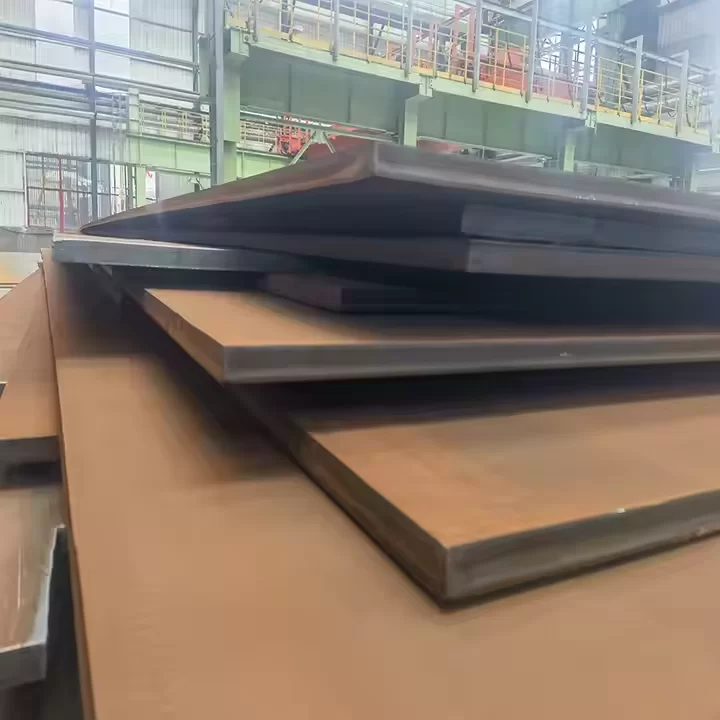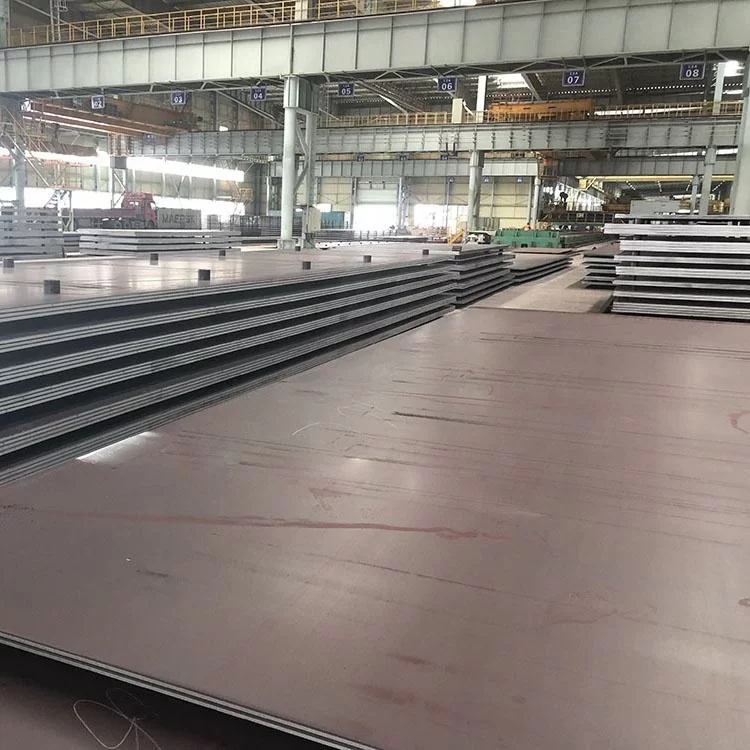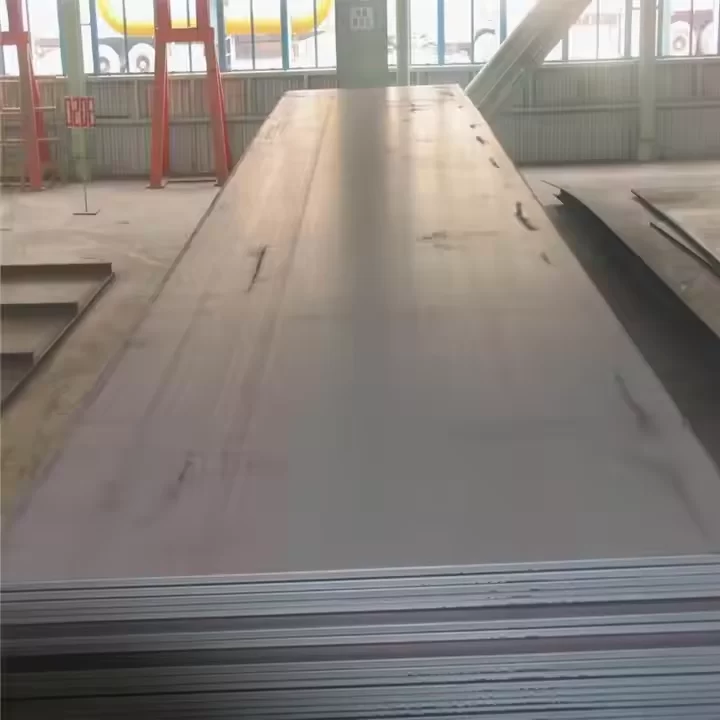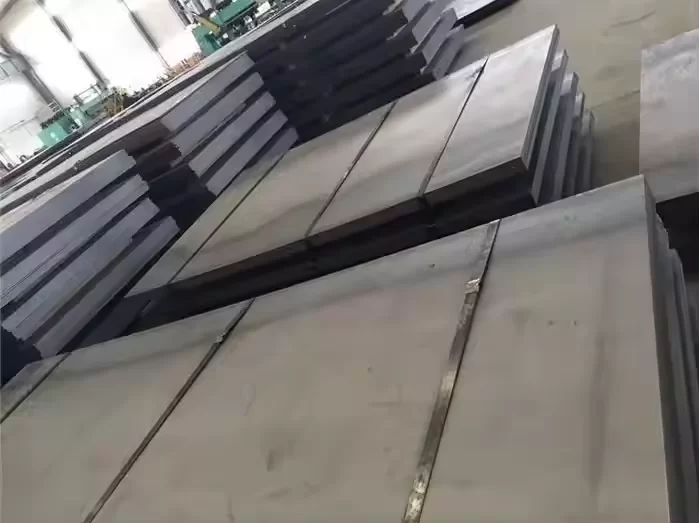
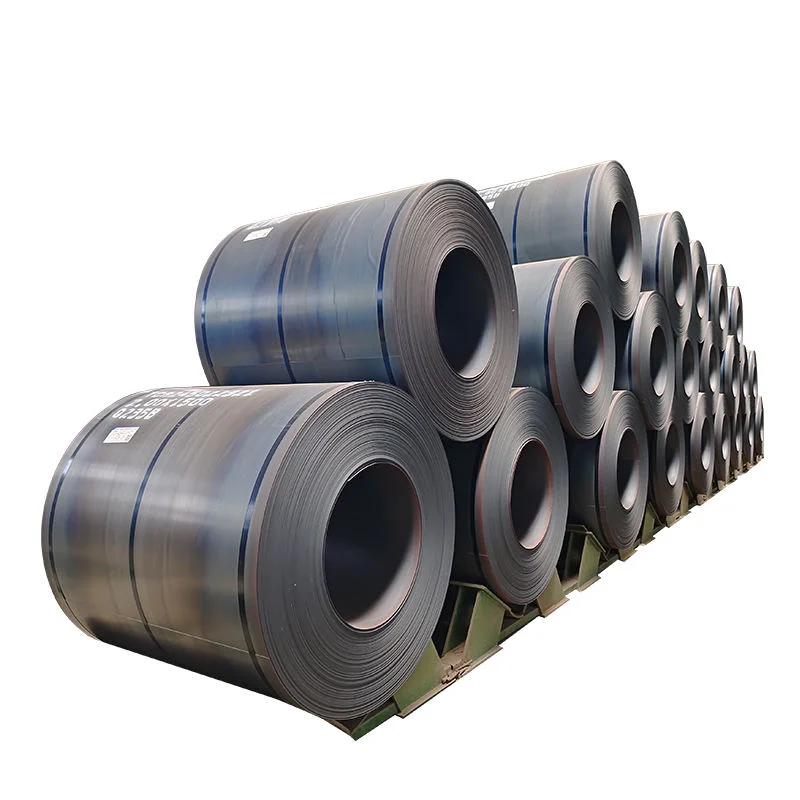
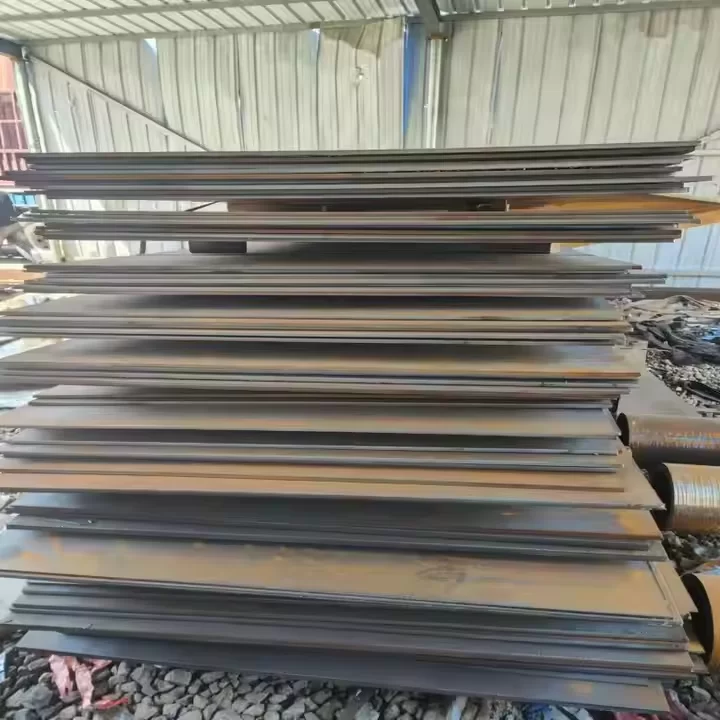
Romania's manufacturing landscape is currently undergoing a transition toward high-durability materials. Given the diverse climate—from the humid Danube Delta to the harsh winters of the Carpathian Mountains—there is a surging demand for cor ten steel plate to reduce maintenance costs associated with corrosion in outdoor infrastructure.
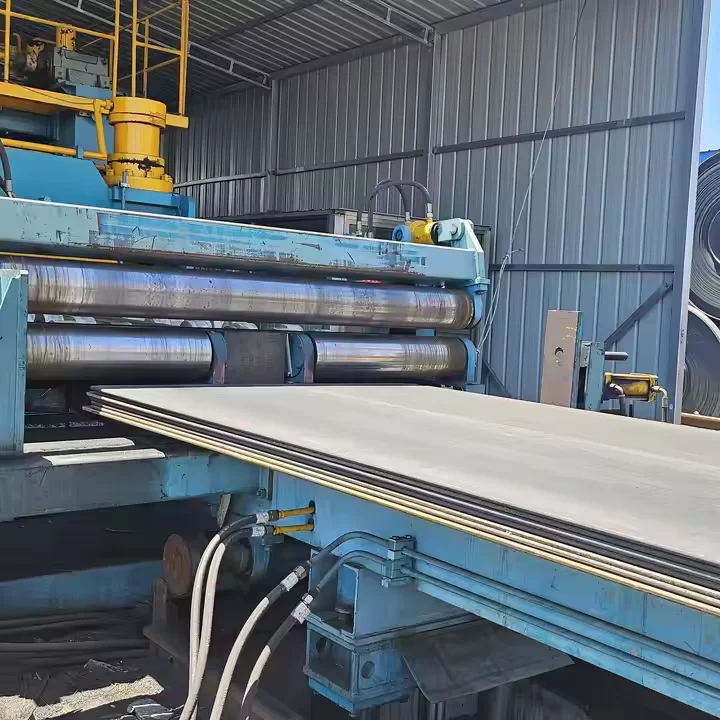
The local market is heavily focused on upgrading legacy industrial plants. This has led to an increased requirement for mild low alloy steel, which provides a critical balance between weldability and mechanical strength for the region's expanding energy and automotive sectors.
Furthermore, the Romanian construction sector is shifting toward sustainable "living" materials. The adoption of corten steel sheets in urban architectural projects in Bucharest and Cluj-Napoca reflects a global trend of blending industrial aesthetics with long-term structural integrity.