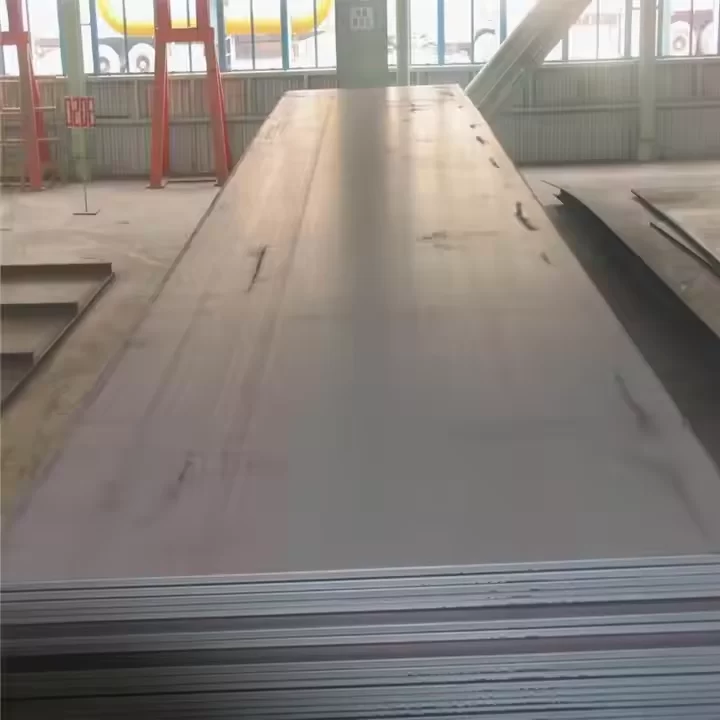
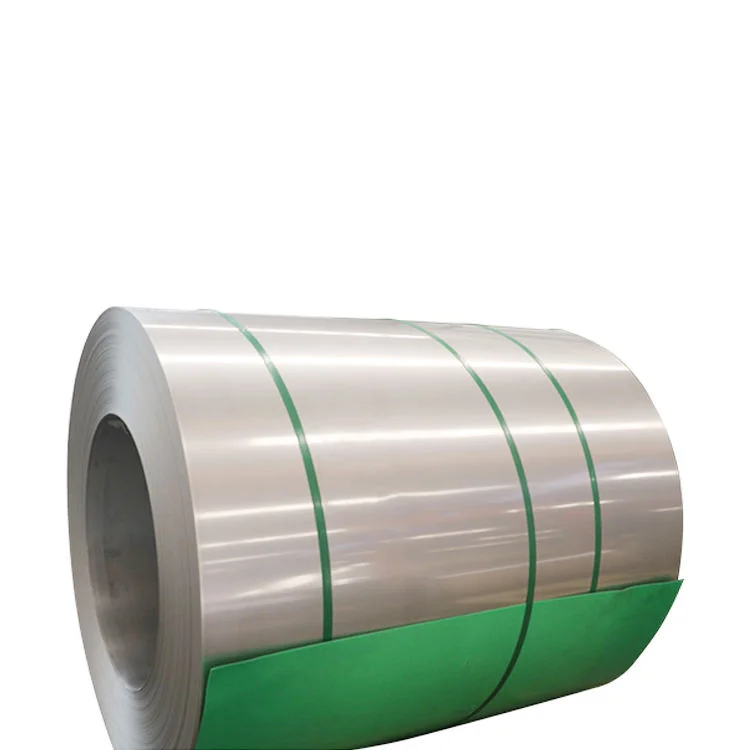
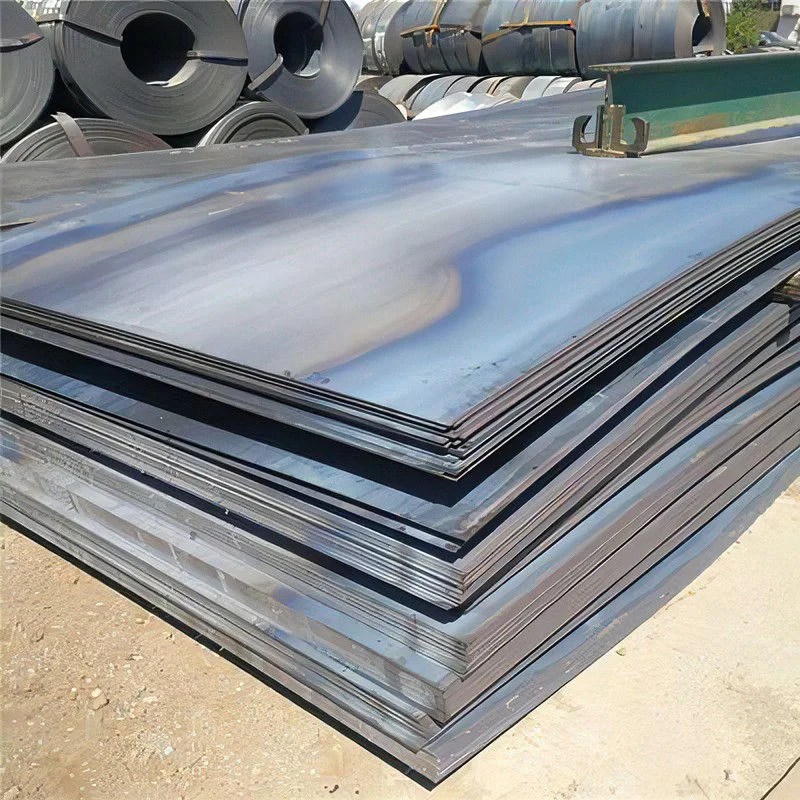
Ireland's geography, characterized by high humidity and saline Atlantic breezes, poses a significant challenge to traditional metal structures. The prevalence of salt-spray corrosion necessitates the use of cor ten steel plate, which develops a protective patina that eliminates the need for repetitive painting and maintenance in coastal regions.
In the domestic manufacturing sector, there is a growing transition from basic low carbon steels toward specialized alloys. This shift is driven by the demand for structures that can withstand the cyclic wetting and drying cycles typical of the Irish weather without compromising structural load-bearing capacity.
Current market trends in Ireland show a preference for sustainable building materials. By integrating mild low alloy steel, engineers are reducing the lifetime carbon footprint of infrastructure projects, balancing cost-effectiveness with enhanced atmospheric corrosion resistance.