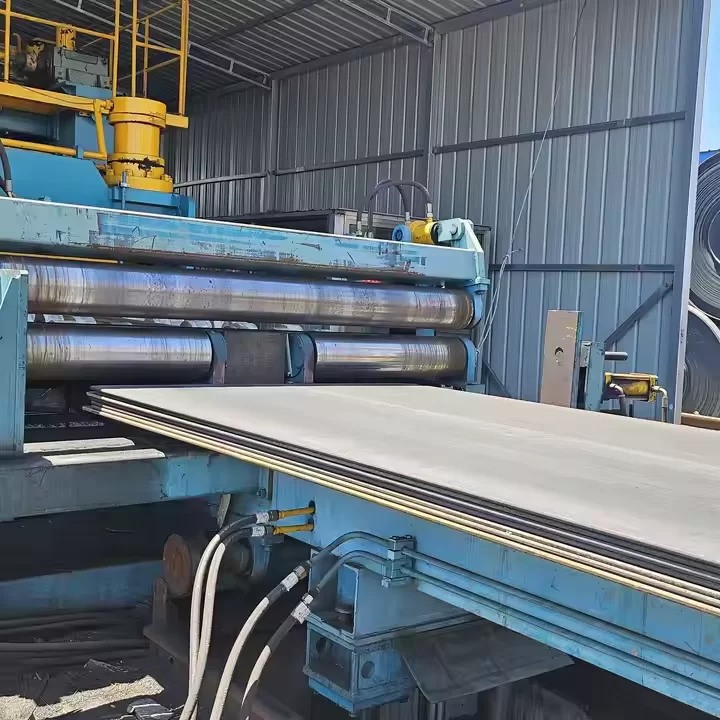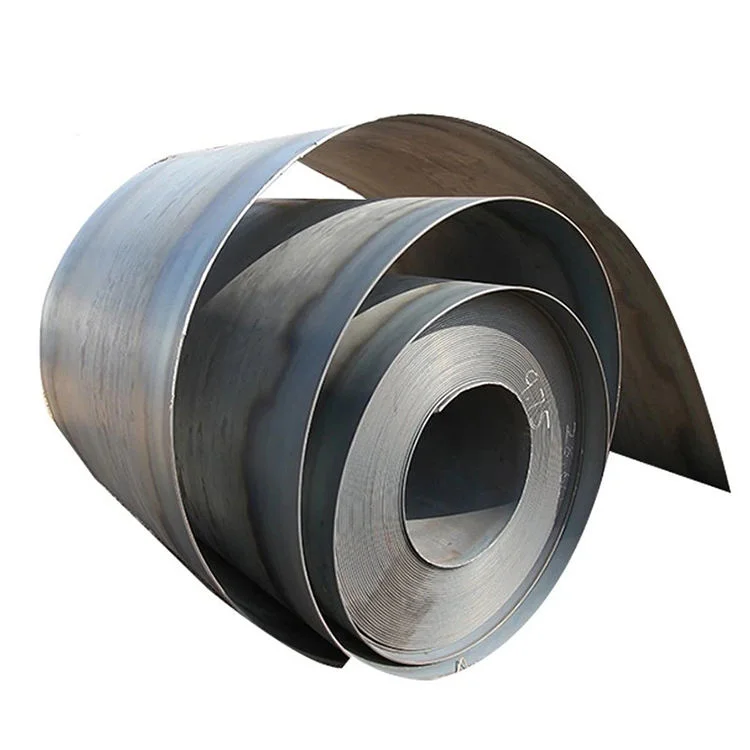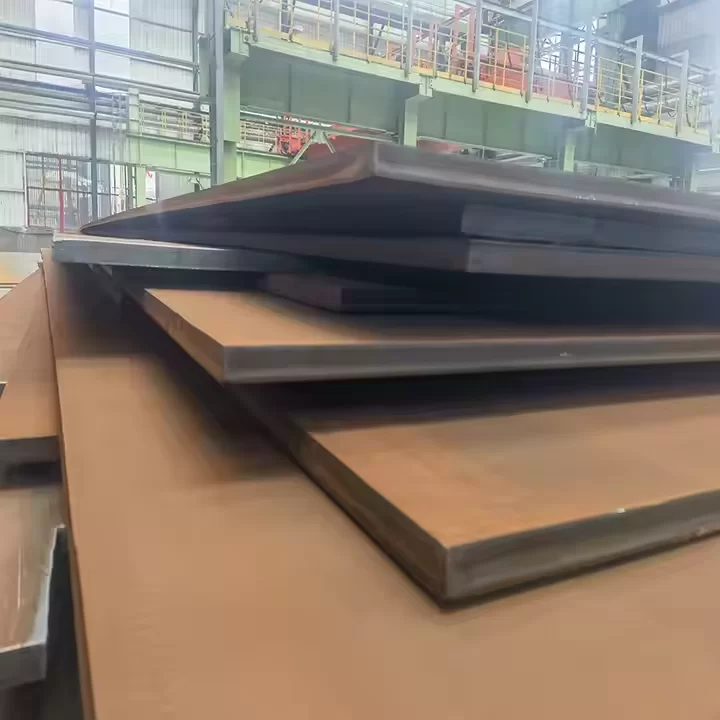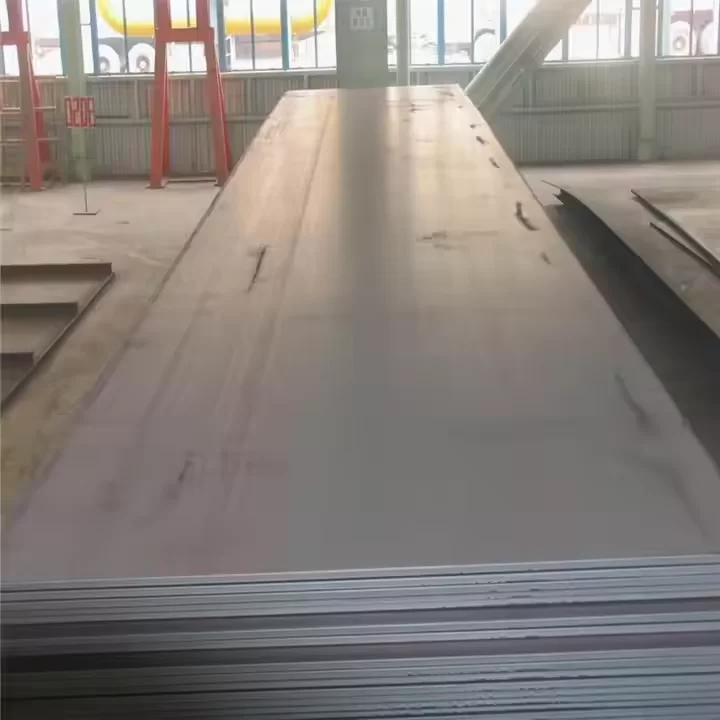
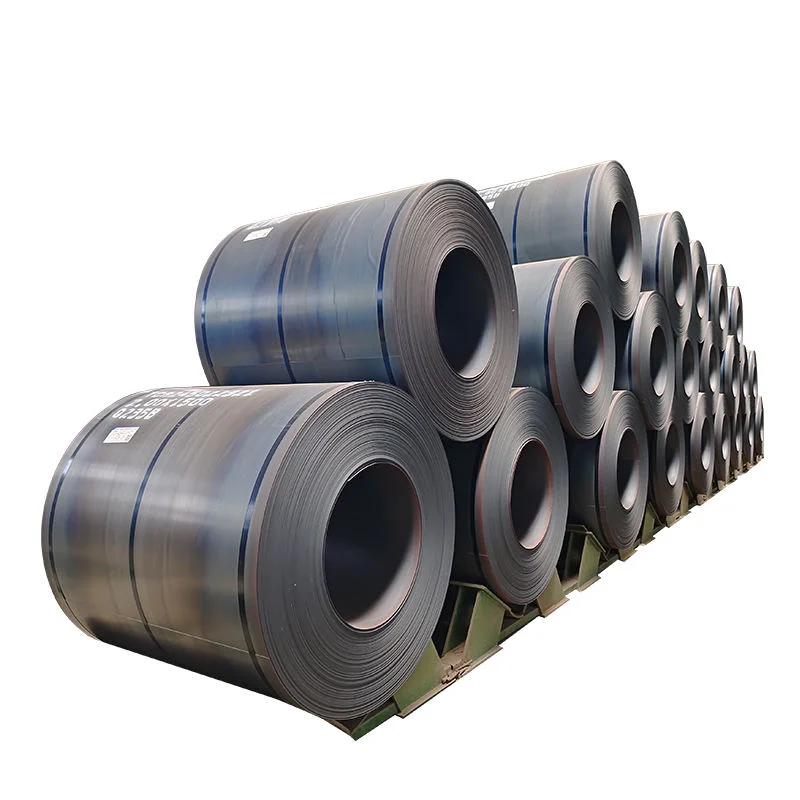
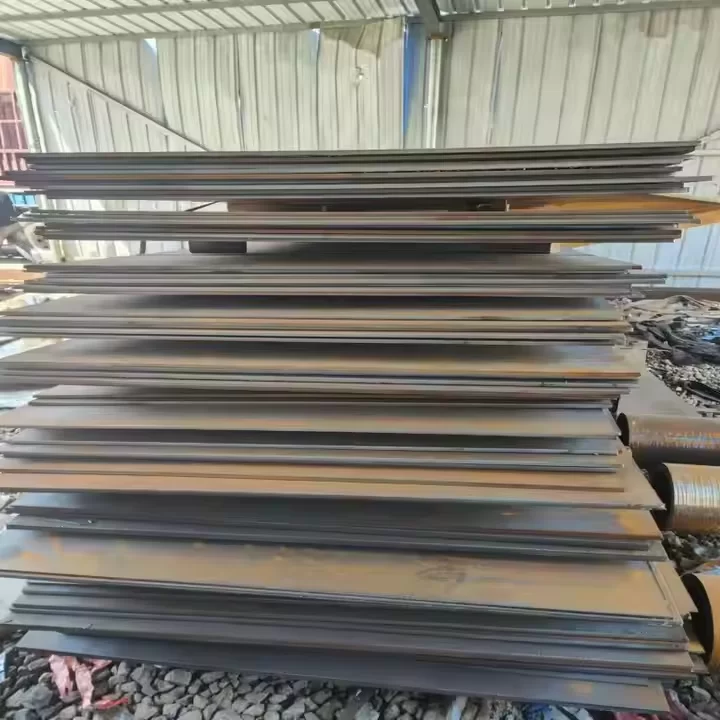
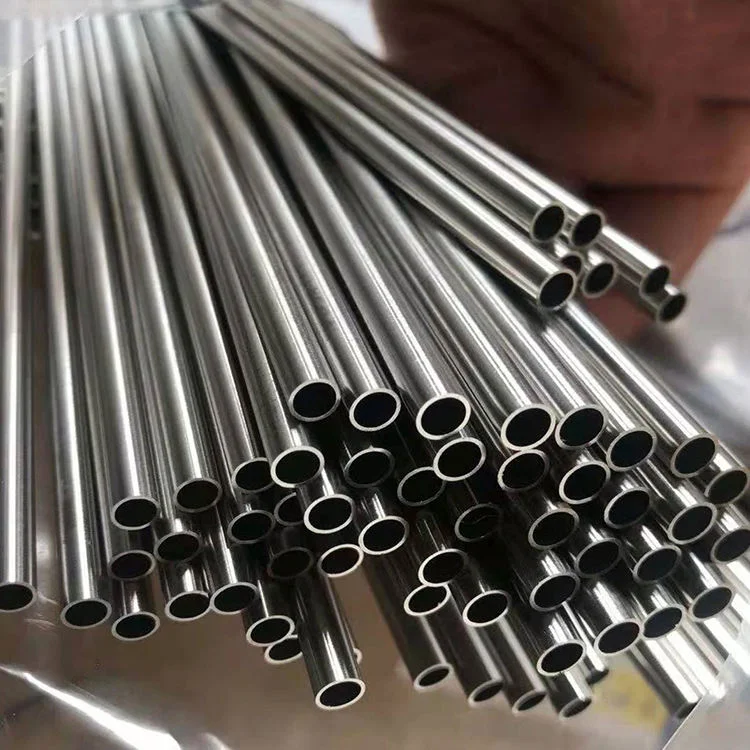
In the coastal regions of Cuba, the high salinity and extreme humidity of the Caribbean basin accelerate the oxidation process of traditional steel. This has led to a critical demand for cor ten steel plate, which forms a protective patina that inhibits deep corrosion, reducing the need for constant repainting in public infrastructure.
The local industry has traditionally relied on imported standard carbon steels, but the maintenance costs of these materials in tropical zones have become unsustainable. Consequently, there is a strategic shift toward mild low alloy steel to balance structural strength with cost-efficiency in industrial plant construction.
Current fabrication trends in Cuba are focusing on the modernization of bridge structures and port facilities. The integration of low carbon steels allows for better weldability and ductility, essential for structures that must endure seismic activity and frequent hurricane-force winds.