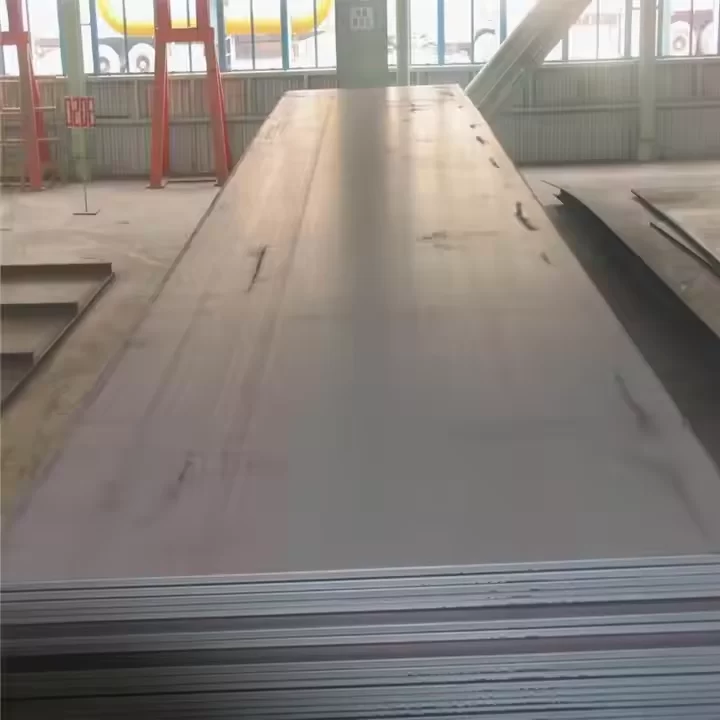
Premium weathering steel plate Solutions for UK Infrastructure

Premium weathering steel plate Solutions for UK Infrastructure

Providing high-performance steel structures engineered for the United Kingdom's unique maritime climate and architectural standards.

Steel Manufacturing Landscape in the United Kingdom

Analyzing the demand for specialized alloy steels in a damp, saline environment.

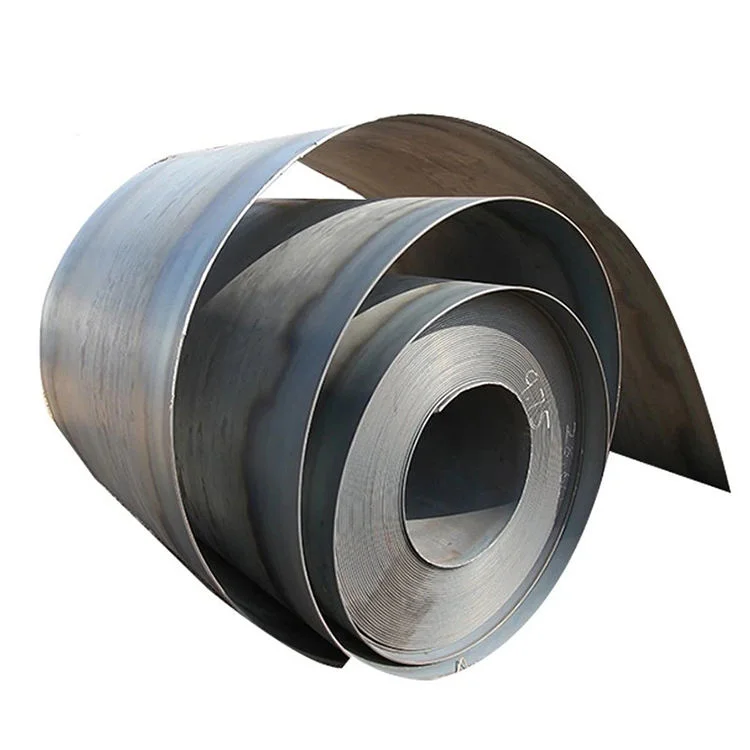
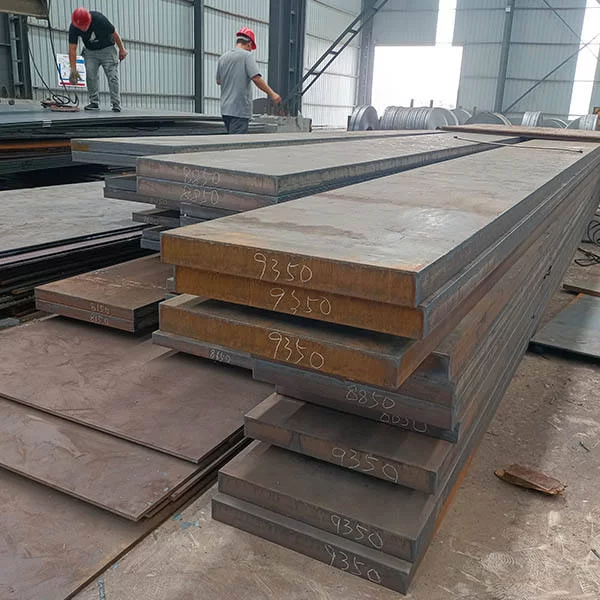
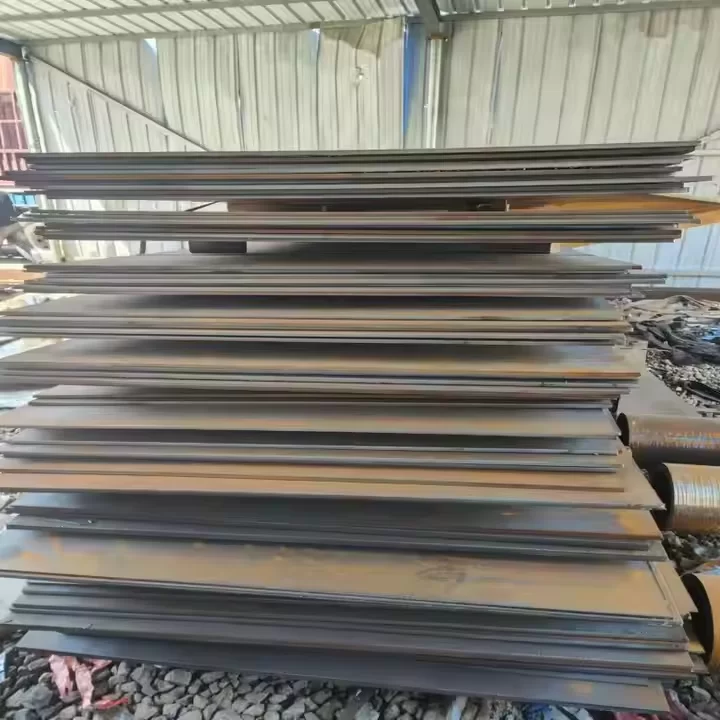
The United Kingdom's manufacturing sector faces significant challenges due to its high humidity and salt-laden air, particularly in coastal regions. This has led to a surge in demand for cor ten steel plate, which forms a protective rust layer, eliminating the need for frequent painting and reducing long-term maintenance costs for public infrastructure.

Currently, the UK market is transitioning toward sustainable construction. The integration of low carbon steels is becoming a priority to meet the government's Net Zero targets, pushing manufacturers to optimize the rolling process to reduce energy consumption while maintaining high structural integrity.

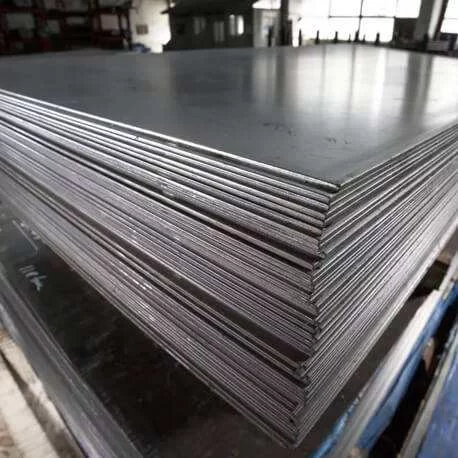
Furthermore, the versatility of mild low alloy steel remains critical for the UK's automotive and machinery sectors, providing a balance between weldability and strength that is essential for the precision engineering firms based in the Midlands.
Evolution of Steel Fabrication in the UK

From heavy industrial casting to precision alloy rolling.

Market Development History

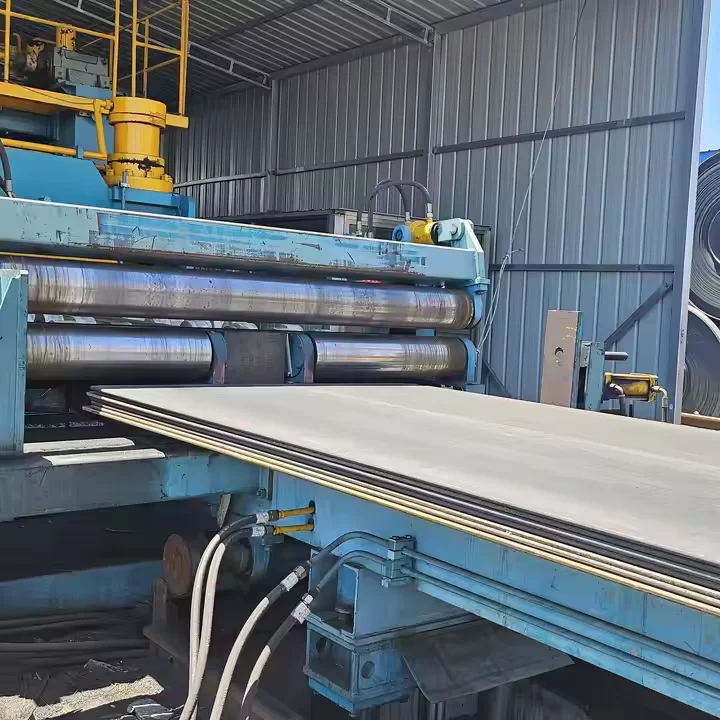
In the mid-20th century, UK steel was dominated by traditional heavy carbon steels. However, by the 1970s, the introduction of weathering alloys revolutionized bridge construction, as corten steel sheets began replacing traditional painted steel to combat the corrosive North Sea air.

Between 1990 and 2010, the focus shifted toward metallurgical purity. The adoption of vacuum degassing and advanced rolling techniques allowed for the mass production of low carbon steels, which offered superior ductility for the growing prefabricated building market.

From 2015 to the present, the industry has entered the "Green Steel" era. Digital twinning and AI-driven temperature control in rolling mills have optimized the production of specialized plates, ensuring tighter tolerances and consistent chemical compositions for complex structural projects.

Future Development Trends

Hydrogen-Based Reduction

Moving away from blast furnaces to hydrogen-powered DRI plants to produce near-zero emission alloys.

Nano-Alloying Techniques

Integrating nano-particles into the steel matrix to enhance the corrosion resistance of weathering plates beyond current standards.

Smart Fabrication Integration

The shift toward 4.0 manufacturing where laser-cutting and robotic welding are synchronized with the specific metallurgical properties of the plate.

Industry Outlook and Future Trajectory

Forecasting the next 5 years of metal structural manufacturing.

Net Zero Compliance
Accelerated transition to EAF (Electric Arc Furnaces) to reduce the carbon footprint of structural steel.
Modular Architecture
Increased demand for precision-rolled plates for off-site prefabricated construction in London and Manchester.
Circular Economy
Implementation of closed-loop recycling for weathering steels to minimize raw ore extraction.
Digital Certification
Blockchain-based material tracking to guarantee chemical compliance with UK standards.

Industry Outlook

Google search trends indicate a growing interest in "sustainable architectural steel" within the UK. This suggests that the market is moving away from simple strength requirements toward a holistic view of the material's lifecycle, favoring alloys that require zero chemical coatings.

Over the next 3-5 years, we expect a convergence of high-strength low-alloy (HSLA) technology with carbon-capture manufacturing, ensuring that the UK's steel structures are not only durable but environmentally neutral.

Local Applications in the United Kingdom

Real-world deployment of specialized steel plates across the British Isles.

1. London Urban Sculptures and Facades

Using corten steel sheets for contemporary architectural cladding in the City of London, providing a rustic aesthetic that evolves with the city's pollution and weather patterns.

2. Scottish Highland Bridge Infrastructure

Implementation of heavy-duty weathering plates for road bridges in the Highlands to eliminate the need for painting in remote, inaccessible areas with high rainfall.

3. Midlands Industrial Machinery Chassis

Utilizing mild low alloy steel for the fabrication of heavy-duty automotive presses and industrial frameworks requiring extreme fatigue resistance.

4. South Coast Marine Defenses

Deploying corrosion-resistant alloys for coastal barriers and piers, where the saline atmosphere necessitates the specialized patina of weathering steel.

5. UK National Rail Signaling Housings

Applying low carbon steels for protective enclosures that require precise bending and welding for weather-tight sealing.

Brand Story

Global Development Journey of Xingtai Baidi Technology Co., Ltd.

Foundational Excellence

Established as a specialized rolling mill focusing on the precision of carbon and alloy steels to solve the problem of material inconsistency.

Technological Leap

Invested in advanced hot-rolling lines to produce high-tolerance weathering plates that meet international ASTM and EN standards.

Global Expansion

Expanded logistics networks to support the European market, specializing in the United Kingdom's rigorous structural requirements.

Sustainability Pivot

Integrated green manufacturing protocols to provide low-carbon alternatives for the global architectural and construction sectors.

Industry Leadership

Now recognized as a premier partner for metal structural manufacturing, bridging the gap between raw material and engineering art.

UK Steel Procurement FAQ

Technical answers for engineers and procurement managers.

What is the best thickness for cor ten steel plate in UK coastal facades?

For coastal facades, we recommend a minimum thickness of 3mm to 6mm to ensure the stable formation of the protective patina against salt spray.

How do weathering steel plate standards compare between ASTM and EN?

While both specify corrosion resistance, EN standards used in the UK often have stricter requirements regarding the chemical composition of phosphorus and sulfur.

Can corten steel sheets be welded using standard MIG processes?

Yes, but it is critical to use matching filler metals (such as those containing Ni and Cu) to ensure the weld seam weathers at the same rate as the plate.

What are the advantages of mild low alloy steel over standard carbon steel?

Mild low alloy steel provides higher yield strength and better toughness, allowing for thinner sections and lighter overall structures without sacrificing safety.

How are low carbon steels processed for maximum ductility in the UK?

We utilize controlled rolling and accelerated cooling (TMCP) to refine the grain structure, ensuring the steel can withstand extreme forming without cracking.

What is the typical lead time for custom-cut weathering plates to the UK?

Depending on the volume and specifications, lead times typically range from 3 to 6 weeks, including sea freight and customs clearance.

Secure Your Structural Steel Supply

Partner with the experts in high-performance alloy rolling for your next project in the United Kingdom.

Contact Us Now

If you are interested in our products, you can choose to leave your information here, and we will be in touch with you shortly.