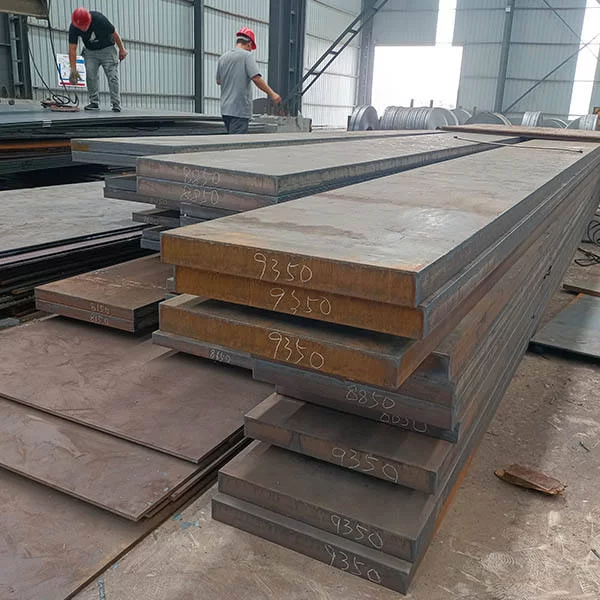
UAE HighPerformance weathering steel plate Solutions

UAE High-Performance weathering steel plate Solutions

Providing advanced metal structural engineering and precision-rolled steel for the United Arab Emirates' most demanding infrastructure and architectural projects.

UAE High-Performance weathering steel plate Solutions

Integrating metallurgical excellence with structural durability to meet the rigorous environmental standards of the Arabian Peninsula, specializing in corrosion-resistant alloys.

Metal Structural Challenges in United Arab Emirates

Analyzing the impact of hyper-saline environments and extreme heat on steel longevity.

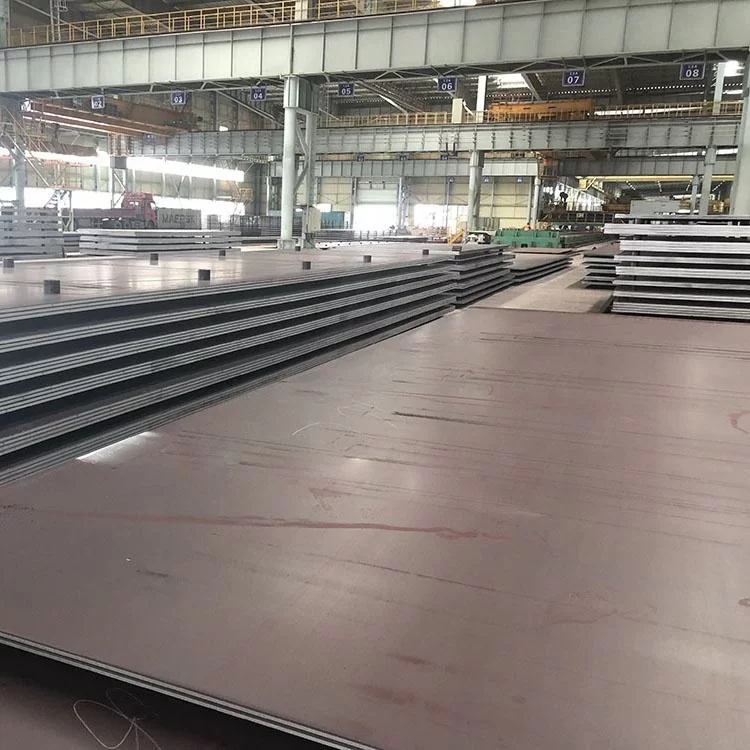
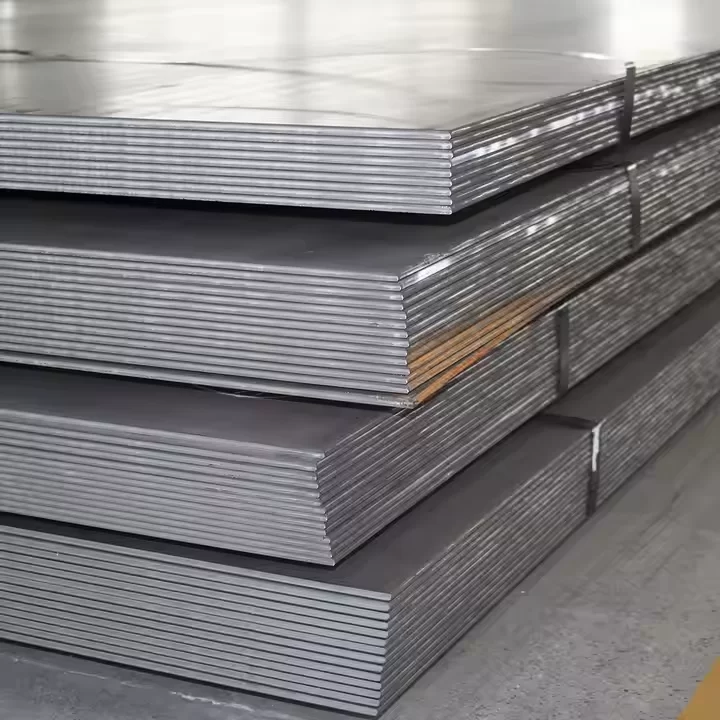
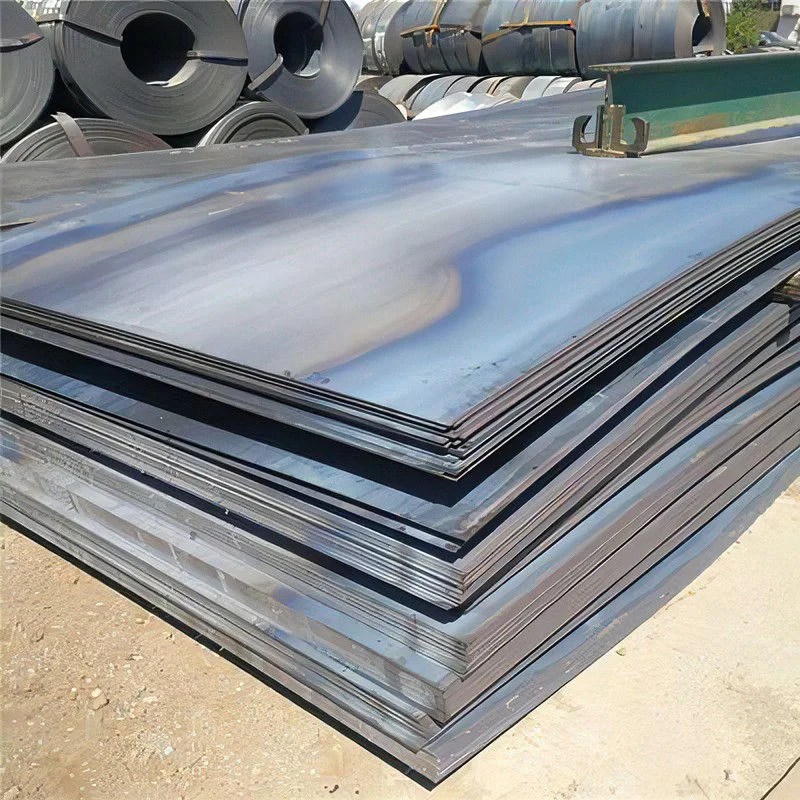
The United Arab Emirates presents a unique metallurgical challenge due to its combination of high humidity, extreme ambient temperatures, and high salinity in coastal areas. Traditional steel often suffers from rapid oxidation, making cor ten steel plate an essential choice for projects that require a self-protecting patina to withstand the harsh Gulf climate.

In the UAE's booming construction sector, the demand for low carbon steels has risen for general structural frameworks, yet the need for specialized alloying is critical to prevent chloride-induced stress corrosion cracking in waterfront developments like those in Dubai and Abu Dhabi.

Currently, the industry is shifting from simple carbon steel to advanced mild low alloy steel, which balances weldability and strength while providing the necessary atmospheric resistance for the region's rapid urban expansion and industrialization.
Evolution of Steel Processing in the Middle East

From basic rolling mills to precision metallurgical engineering.

Market Development History

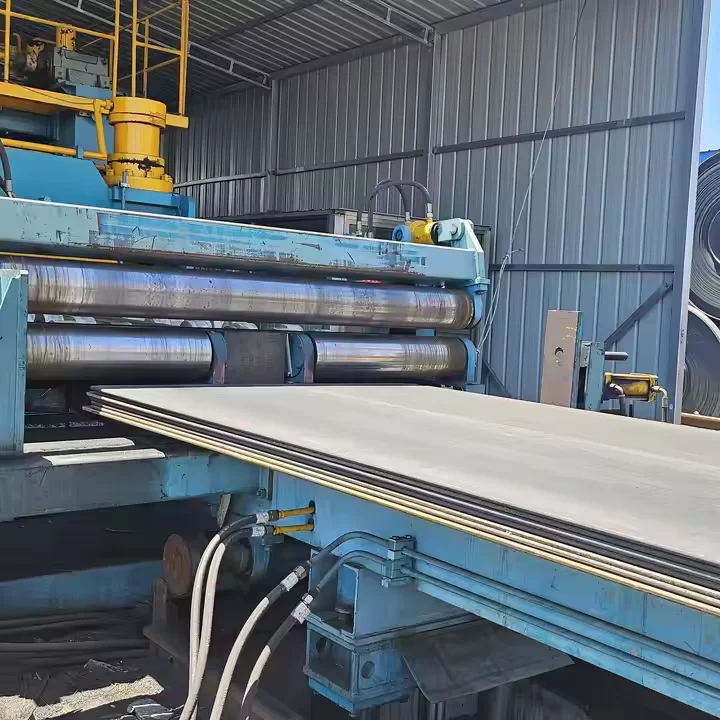
During the early industrial phase (1970s-1990s), the UAE relied heavily on imported low carbon steels for basic infrastructure, utilizing simple hot-rolling techniques with limited focus on atmospheric corrosion resistance.

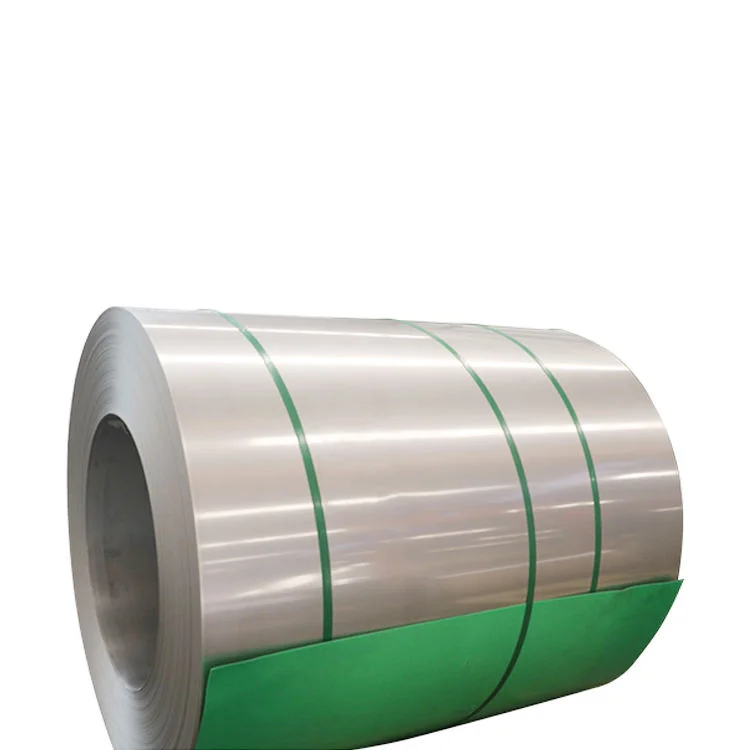
The turn of the millennium (2000-2015) saw a surge in iconic architectural projects, driving the adoption of corten steel sheets. This period marked a transition toward precision cold-rolling and the use of alloying elements like Copper and Chromium to create stable oxide layers.

From 2016 to the present, the focus has shifted toward "Green Steel" and high-durability alloys, where mild low alloy steel is now engineered to minimize maintenance costs in desalination plants and oil refineries across the UAE.

Future Development Trends

Smart Alloy Customization

Development of nano-structured steel surfaces to enhance the protective layer of weathering steels against desert sand abrasion.

Sustainable Metallurgy

Integration of hydrogen-based reduction processes to produce low-emission structural plates for LEED-certified buildings in Masdar City.

Digital Twin Integration

Using AI to predict the oxidation rate of steel structures in real-time based on local humidity and salinity data.

Strategic Outlook for Metal Structures 2025-2030

Forecasting the technological trajectory of steel processing in the Gulf region.

Carbon Neutrality
Transitioning to EAF (Electric Arc Furnace) production to meet UAE Net Zero 2050 goals.
Alloy Optimization
Developing high-nickel alloys to combat extreme salinity in coastal UAE regions.
Automated Fabrication
Integration of robotic laser cutting for precision weathering steel architectural components.
Circular Economy
Implementing high-efficiency steel recycling loops for urban demolition projects in Dubai.

Industry Outlook

The UAE is transitioning from a consumer of raw steel to a hub of high-value added steel processing. The integration of BIM (Building Information Modeling) with specific material properties of alloy steels allows for leaner, more durable structural designs.

Google search trends indicate a rising interest in "sustainable architectural steel" and "maintenance-free cladding," suggesting that the demand for high-end weathering steels will outpace standard carbon steel in the luxury real estate and public infrastructure segments.

Localized Application Scenarios in the UAE

Real-world deployment of specialized steel in the Arabian environment.

1. Coastal Infrastructure & Piers

Utilizing high-grade weathering steel to create self-protecting barriers and supports for Dubai's waterfront projects, reducing the need for frequent repainting in saline air.

2. Desert Architectural Facades

Applying precision-cut corten steel sheets for modern museum and pavilion exteriors that blend naturally with the golden hues of the UAE desert landscape.

3. Oil & Gas Pipeline Supports

Implementing mild low alloy steel for heavy-duty structural supports in Abu Dhabi's energy sector, ensuring high load-bearing capacity and corrosion resistance.

4. Urban Public Art Installations

Using weathering steel for large-scale sculptures in city centers, where the evolving patina serves as both a protective layer and an aesthetic feature.

5. Industrial Warehousing Frameworks

Deploying high-strength low carbon steels for expansive logistics hubs, optimizing the balance between structural weight and cost-efficiency.

Brand Story

Global Development Journey of Xingtai Baidi Technology Co., Ltd.

Foundational Metallurgy

Started as a specialized mill focusing on the purity of carbon steel, establishing the core technical standards for rolling precision.

Alloy Innovation

Expanded into low-alloy research, solving the critical pain point of atmospheric corrosion for global industrial clients.

Global Market Expansion

Successfully penetrated the Middle Eastern market by tailoring steel compositions to the hyper-arid and saline conditions of the UAE.

Technological Integration

Adopted advanced digital rolling controls to ensure micron-level thickness tolerance for architectural corten applications.

Sustainable Future

Leading the shift toward eco-friendly smelting and recyclable alloy structures to support the global transition to green construction.

Common Questions on UAE Steel Projects

Expert answers to technical queries regarding steel performance in hot, humid climates.

How does cor ten steel plate behave in UAE's high humidity?

In high humidity, the protective patina forms more rapidly. Our weathering steel is specifically alloyed to ensure the oxide layer remains stable and non-porous, preventing deeper corrosion.

What is the difference between low carbon steels and mild low alloy steel for structural use?

Low carbon steels provide excellent weldability and ductility for general frames, while mild low alloy steel includes elements like Cu and Ni to significantly increase strength and atmospheric resistance.

Can corten steel sheets be used for interior design in Dubai?

Yes, but for interior use, we recommend a clear sealant to lock the patina and prevent rust runoff on indoor flooring.

Which steel is best for coastal salt-spray environments?

For extreme salt exposure, we recommend high-nickel weathering steel or specialized alloy plates that exceed standard ASTM A588 specifications.

How do I specify the thickness for structural weathering steel plates?

Thickness should be determined by load-bearing calculations; however, for aesthetic cladding, 3mm to 6mm is standard, while structural supports typically exceed 20mm.

Are weathering steels compatible with other metals in a structure?

To avoid galvanic corrosion, avoid direct contact between weathering steel and aluminum or zinc; use insulating gaskets or specialized coatings at joints.

Get Expert Metallurgical Consulting

Partner with the leading provider of structural steel for industrial and architectural excellence in United Arab Emirates.

Contact Us Now

If you are interested in our products, you can choose to leave your information here, and we will be in touch with you shortly.