Hit enter to search or ESC to close
11 February 2026
When choosing roofing materials, durability, cost-effectiveness, and longevity are paramount. Galvanized tin roofing sheets offer a compelling solution for a variety of applications, from agricultural buildings to residential homes. This article will delve into the benefits, applications, installation, and maintenance of these sheets, providing a thorough understanding for homeowners, builders, and anyone considering this roofing option. Understanding the intricacies of galvanized tin can help you make an informed decision for your next roofing project.
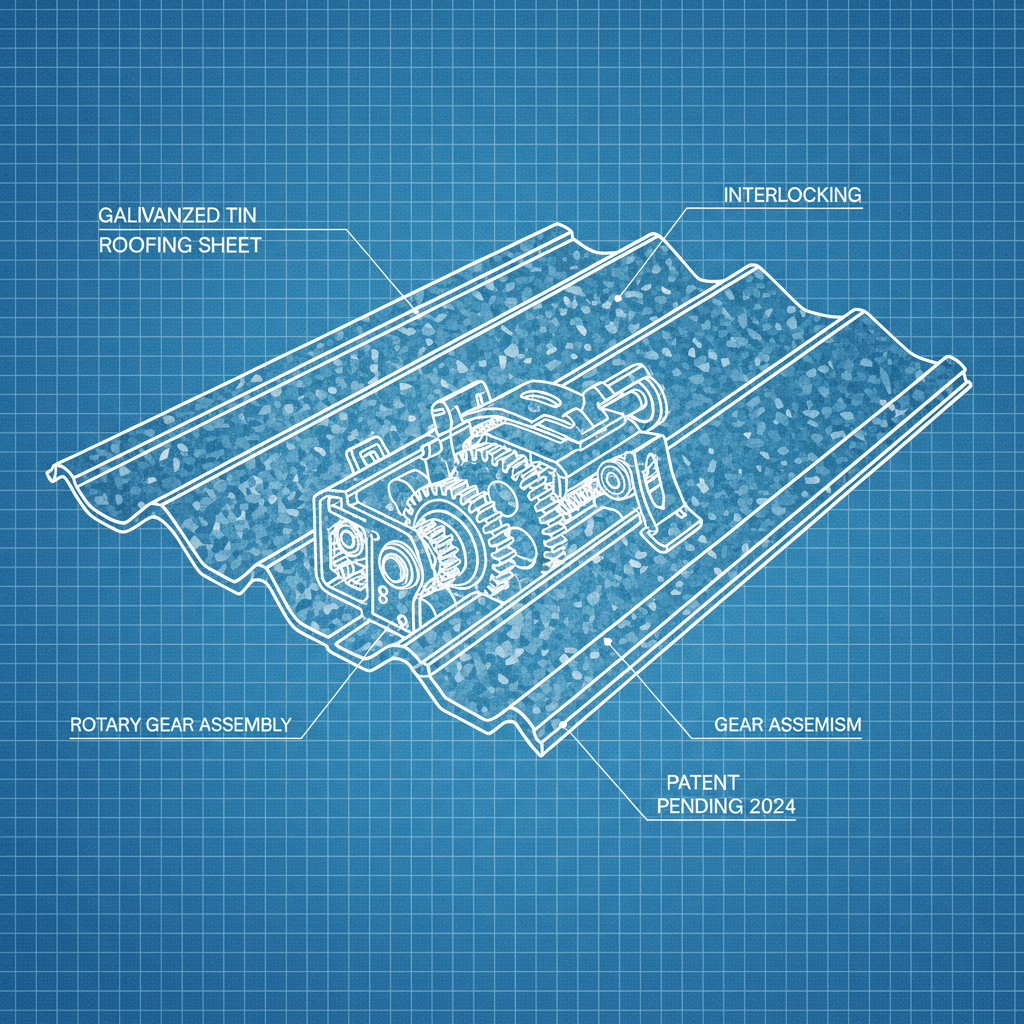
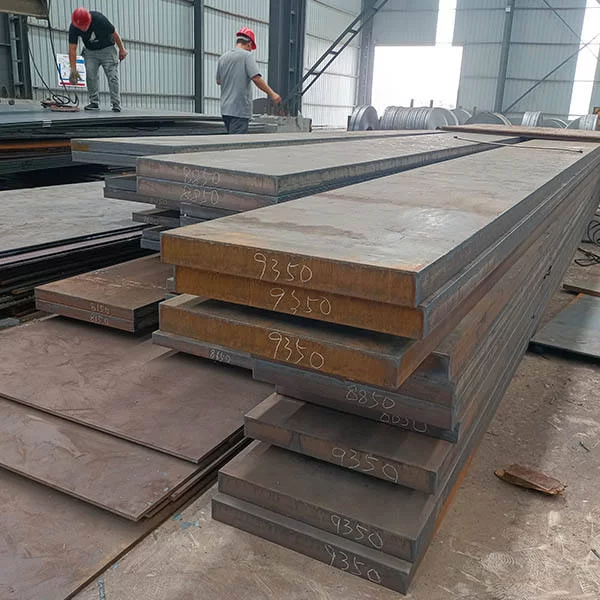
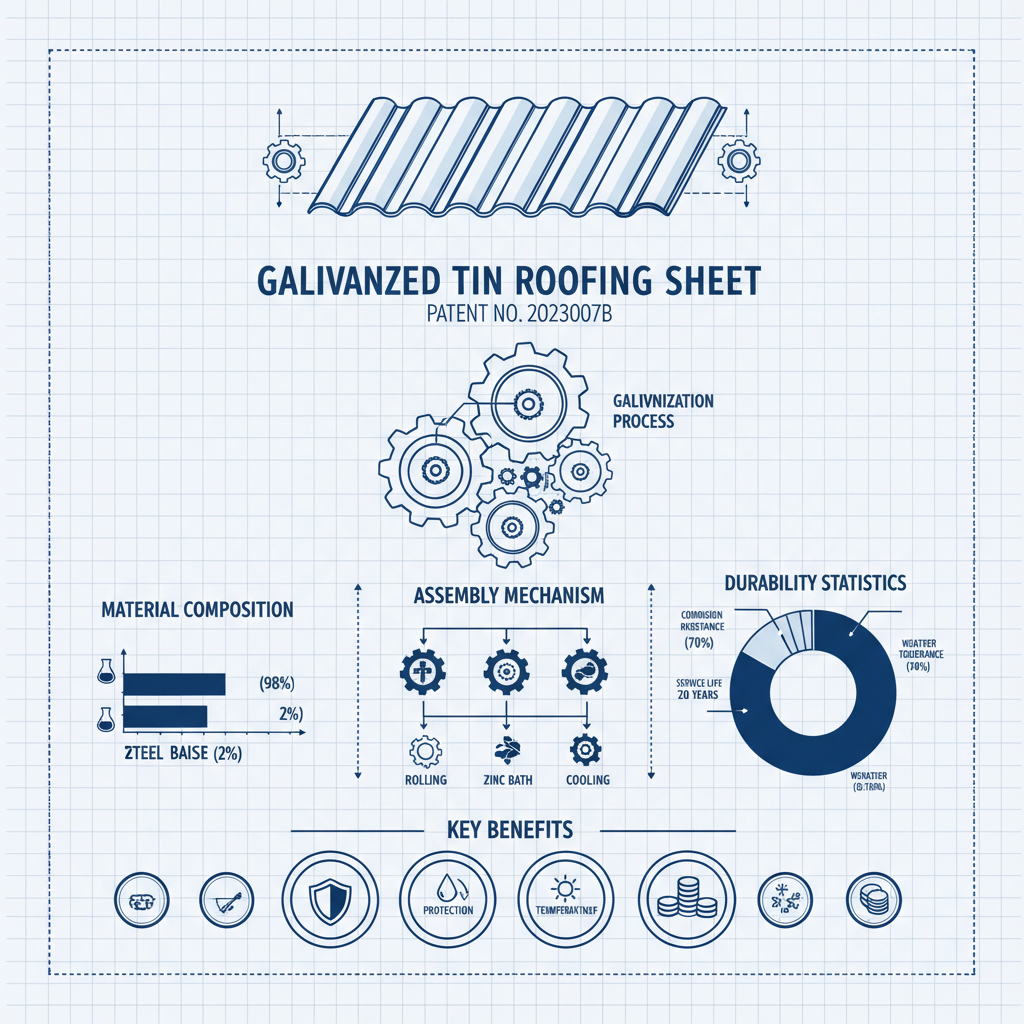
Galvanized tin roofing sheets aren't actually made of tin. The term "tin" is a bit of a misnomer. These sheets are primarily composed of steel that has been coated with a layer of zinc through a process called galvanization. This zinc coating is crucial, as it protects the steel from corrosion and rust. The zinc acts as a sacrificial layer, corroding before the steel does, thus extending the lifespan of the roofing material. Baidysteel offers a wide range of galvanized steel options suitable for various roofing needs.
Key Benefits: Superior corrosion resistance, long lifespan, cost-effectiveness, lightweight, easy installation.
The versatility of galvanized tin roofing sheets makes them suitable for a broad spectrum of applications. Common uses include: agricultural buildings (barns, sheds), residential roofing (homes, garages), commercial buildings (warehouses, factories), and even temporary structures. Their relatively low cost and ease of installation make them particularly attractive for large-scale projects. They are also a popular choice for outbuildings and structures where a long-lasting, durable roof is required without a significant investment.
Common Applications:
• Agricultural Buildings
• Residential Roofing
• Commercial Structures
• Temporary Shelters
The performance and longevity of galvanized tin roofing sheets are significantly influenced by their thickness (gauge) and the type of coating applied. Thicker sheets provide greater strength and resistance to damage, while different coatings offer varying levels of corrosion protection. It’s important to carefully consider these factors based on your specific climate and structural requirements. Baidysteel provides detailed specifications and expert advice to help you select the optimal materials for your project.
Proper installation is critical to maximizing the lifespan and performance of galvanized tin roofing. Overlap the sheets correctly, ensuring sufficient fastening with appropriate screws or nails. Consider the roof pitch, as steeper pitches facilitate better water runoff. It's also essential to use compatible underlayment to provide an extra layer of protection against moisture. While DIY installation is possible, professional installation is often recommended, particularly for complex roofs or large-scale projects.
Galvanized tin roofing sheets require minimal maintenance, but regular inspections can help identify potential issues early on. Check for loose fasteners, rust spots (although the zinc coating provides excellent protection, minor surface rust may occur), and damage from debris. Removing accumulated leaves, branches, and other debris will prevent moisture buildup and prolong the roof’s lifespan. With proper installation and minimal maintenance, galvanized tin roofing sheets can last for 50 years or more.
Galvanized tin roofing sheets represent a smart investment for those seeking a durable, cost-effective, and long-lasting roofing solution. Their versatility, ease of installation, and minimal maintenance requirements make them a popular choice for a wide range of applications. By understanding the different gauges, coatings, and installation techniques, you can ensure your roof provides reliable protection for years to come.
With proper installation and maintenance, galvanized tin roofing can last for 50-70 years or even longer. The lifespan depends on factors like the quality of the galvanization, the climate, and the regularity of maintenance. Regularly removing debris and addressing any minor rust spots promptly can significantly extend the roof's lifespan. Choosing a thicker gauge and a high-quality coating will also contribute to longevity.
While galvanized tin is highly resistant to rust, it's not entirely immune. The zinc coating provides sacrificial protection, meaning it corrodes before the steel does. However, once the zinc coating is depleted in a specific area, the underlying steel can begin to rust. Regular inspections and prompt attention to any areas where the zinc coating has worn away are crucial to prevent rust from spreading. Applying a protective coating can help prolong the roof's life.
It's essential to use fasteners specifically designed for galvanized steel to prevent galvanic corrosion. These fasteners are typically coated with a similar zinc alloy to the roofing sheets. Rubber-washered screws are often recommended, as they create a watertight seal and prevent leakage. Avoid using nails, as they are more likely to loosen over time. Ensure the fasteners are properly tightened, but avoid over-tightening, which can damage the roofing sheets.
Galvanized steel is a highly recyclable material, making it a relatively environmentally friendly roofing option. The zinc coating also adds to its recyclability. However, the manufacturing process does have an environmental impact. Choosing a supplier committed to sustainable practices and responsible sourcing can further minimize the environmental footprint.