Understanding Galvanized Roofing Sheets: Durable Solutions for a Changing World
Roofing materials might not be the first thing you think about when considering global development or infrastructure resilience, but galvanized roofing sheets quietly play a huge role worldwide. They not only protect buildings but also help communities withstand harsh weather, reduce maintenance costs, and push forward sustainability goals. Knowing what galvanized roofing sheets are — and why they matter — gives insight into modern construction that’s both practical and progressive.
Introduction: Why Galvanized Roofing Sheets Matter Globally
By some estimates, over half the world’s population lives in urban areas, with many more in rural zones facing tough climatic conditions (source: UN Habitat 2022). Roofing materials are critical here — poor roofing means exposure to rain, heat, and pests. Galvanized roofing sheets offer an affordable yet robust solution that is especially relevant in developing countries, disaster-prone regions, and rapidly growing cities.
Still, challenges remain: corrosion, installation difficulties, and economic constraints limit some communities from accessing these benefits fully. That’s why understanding galvanized roofing sheets isn’t just a design matter; it’s about improving lives on a broad scale.
What Exactly Are Galvanized Roofing Sheets?
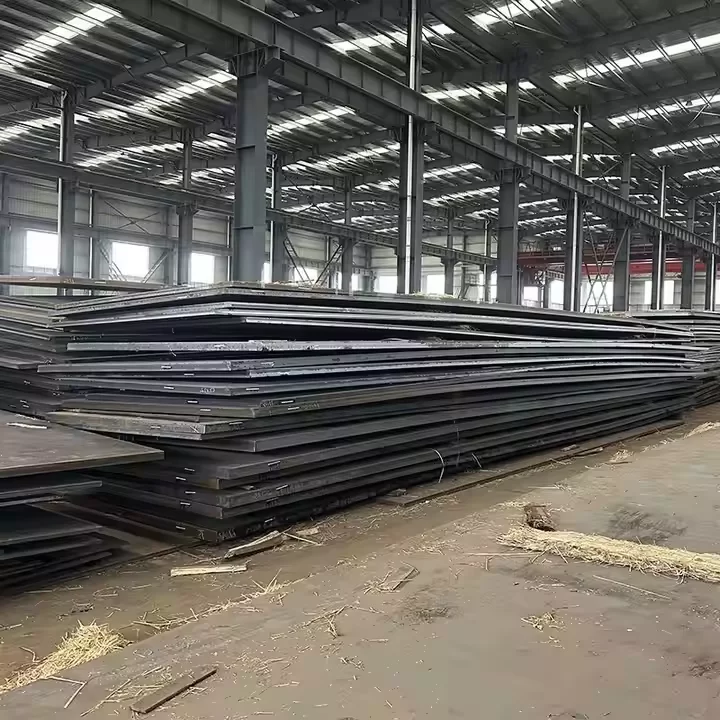
Simply put, galvanized roofing sheets are steel sheets coated with zinc through a galvanization process to prevent rusting. This zinc layer acts as a protective shield, meaning the sheets can resist corrosion even in harsh environments like coastal areas or heavy industrial zones. This combination of metal strength with corrosion resistance makes galvanized sheets ideal for roofing — especially in places where replacing roofs frequently isn’t feasible or affordable.
They’re a staple in modern construction but also find uses in humanitarian shelters, commercial warehouses, and agricultural facilities.
Key Factors Defining Galvanized Roofing Sheets
1. Durability and Corrosion Resistance
Galvanization protects steel sheets against rust caused by moisture and airborne chemicals, which dramatically extends roof life — often 20+ years with proper maintenance. For roofing, this means less frequent repairs and replacements, saving money and reducing waste.
2. Cost Efficiency
Although galvanized steel costs more upfront than untreated sheets, its longevity and low maintenance make it highly cost-effective long-term. Plus, the lightweight nature reduces installation expenses.
3. Ease of Installation
Galvanized roofing sheets come in various sizes and profiles, often designed to snap or screw into place quickly. This is vital in disaster relief or fast-expanding urban areas, where speed matters.
4. Environmental Impact
Being steel-based, galvanized sheets are recyclable, and zinc coating helps reduce material waste by preventing premature decay — supporting sustainability and circular economy efforts.
5. Versatility
Available in tailored thicknesses, finishes, and colors, they suit everything from residential homes to industrial complexes, adapting to aesthetic and functional demands.
Product Specifications of Typical Galvanized Roofing Sheets
| Specification | Details |
|---|
| Base Material | Mild Steel |
| Zinc Coating Thickness | 80-275 g/m² (varies by grade) |
| Sheet Thickness | 0.3 mm - 1.0 mm |
| Standard Length | 1.8 m to 4.8 m (customizable) |
| Surface Finish | Spangle or non-spangle |
Global Applications & Use Cases
Galvanized roofing sheets are everywhere — literally, from west African villages rebuilding after storms to Southeast Asian factories protecting valuable machinery from corrosion.
Disaster Relief: NGOs deploy quick-install roofing sheets to rebuild homes after floods or cyclones.
Agriculture: Storage buildings for crops or animals benefit from durable, pest-resistant roofing.
Urban Development: Affordable housing projects integrate galvanized roofing for cost-effective, long-lasting coverage.
Industrial Zones: Manufacturing plants rely on corrosion-resistant roofs to minimize disruptions.
For an example, in recent years, aid organizations in the Philippines have extensively utilized galvanized roofing sheets following typhoon disasters, noting how the zinc coating holds up better against salty sea air and heavy rains.
Vendor Comparison Table: Choosing the Right Galvanized Roofing Supplier
| Vendor | Zinc Coating Options | Customization | Lead Time | Sustainability Certifications |
|---|
| Baidy Steel | 80-275 g/m² | Sheet length, thickness, finish | 2-4 weeks | ISO 14001, RoHS |
| Global Metals Co. | 100-250 g/m² | Standard sizes, limited colors | 3-5 weeks | ISO 9001 |
| EcoSteel | 70-200 g/m² | Recycled steel options | 4-6 weeks | LEED, Cradle to Cradle |
Advantages & Long-Term Value of Galvanized Roofing Sheets
Cost savings over decades, less frequent repairs, and resilience against weather extremes stand out, but the impact also feels... reassuring. Safety in a typhoon, dignity in a refugee camp, trust in a business’s infrastructure—you find it here. These sheets save money, yes, but they also provide peace of mind and support sustainability efforts.
Future Trends & Innovations
Looking ahead, galvanized roofing sheets are evolving alongside green technologies. Some manufacturers now incorporate solar-reflective coatings that reduce heat absorption, making homes and buildings more energy-efficient. Others integrate smart sensors to monitor roof integrity remotely—pretty nifty for industrial facilities.
Policies are also tightening globally around sustainable sourcing and recycling, pushing vendors toward higher eco-credentials. Oddly enough, even a simple roofing sheet becomes a tool of digital transformation and climate action.
Challenges & Solutions
That said, galvanized roofing sheets aren’t perfect. Zinc coatings can wear down over decades, especially where there’s a lot of air pollution or salt exposure. Installation errors sometimes lead to leaks or corrosion spots. Plus, initial costs still deter some buyers.
Experts recommend specialist coatings and combining galvanized steel with other materials — like protective paints or polymer laminates — to extend lifespan. Training for proper installation and exploring financing options also help overcome these hurdles.
FAQ: Common Questions About Galvanized Roofing Sheets
How long do galvanized roofing sheets typically last?
With correct installation and maintenance, these sheets last anywhere from 20 to 50 years, depending on the zinc coating thickness and environmental exposure.
Are galvanized sheets suitable for coastal regions?
Yes, but higher zinc coating grades are advisable to resist salt spray corrosion. Adding extra protective layers can further improve durability.
Can galvanized roofing sheets be recycled?
Absolutely. Steel and zinc are both recyclable materials, making galvanized sheets an environmentally friendly option compared to some composites.
How do galvanized roofs compare cost-wise to alternative roofing materials?
While initial costs may be higher than asphalt shingles or untreated metals, their longevity and low maintenance usually make galvanized roofs more economical over the long haul.
What are the maintenance requirements?
Minimal cleaning to remove debris and occasional inspection for scratches or damaged coatings are usually sufficient. Prompt repairs prevent corrosion spreading.
Conclusion: Why Galvanized Roofing Sheets Are a Smart Long-Term Investment
In real terms, galvanized roofing sheets balance durability, affordability, and environmental consciousness remarkably well. They help shelter communities, protect assets, and reduce waste. As demands for sustainable urbanization and disaster resilience grow, so does the role of these versatile roofing solutions.
If you’re considering roof options for your next project or want to explore high-quality galvanized roofing sheets, I recommend checking out Baidy Steel —their expertise and certifications stand out in an increasingly crowded market.
Mini takeaway: Galvanized roofing sheets might seem like simple metal panels, but they carry heavy responsibility—shielding homes, supporting economies, and driving sustainability worldwide.
References
UN-Habitat Reports on Urbanization
Wikipedia: Galvanization
ISO 14001 Environmental Standards