Hit enter to search or ESC to close
17 March 2026
Steel galvanized sheet is a widely used material in various industries, prized for its corrosion resistance and versatility. This article will provide a thorough overview of galvanized steel, covering its manufacturing process, types, applications, benefits, and considerations when selecting the right sheet for your needs. Understanding the nuances of galvanized steel sheet is crucial for ensuring long-lasting, reliable results in your projects.
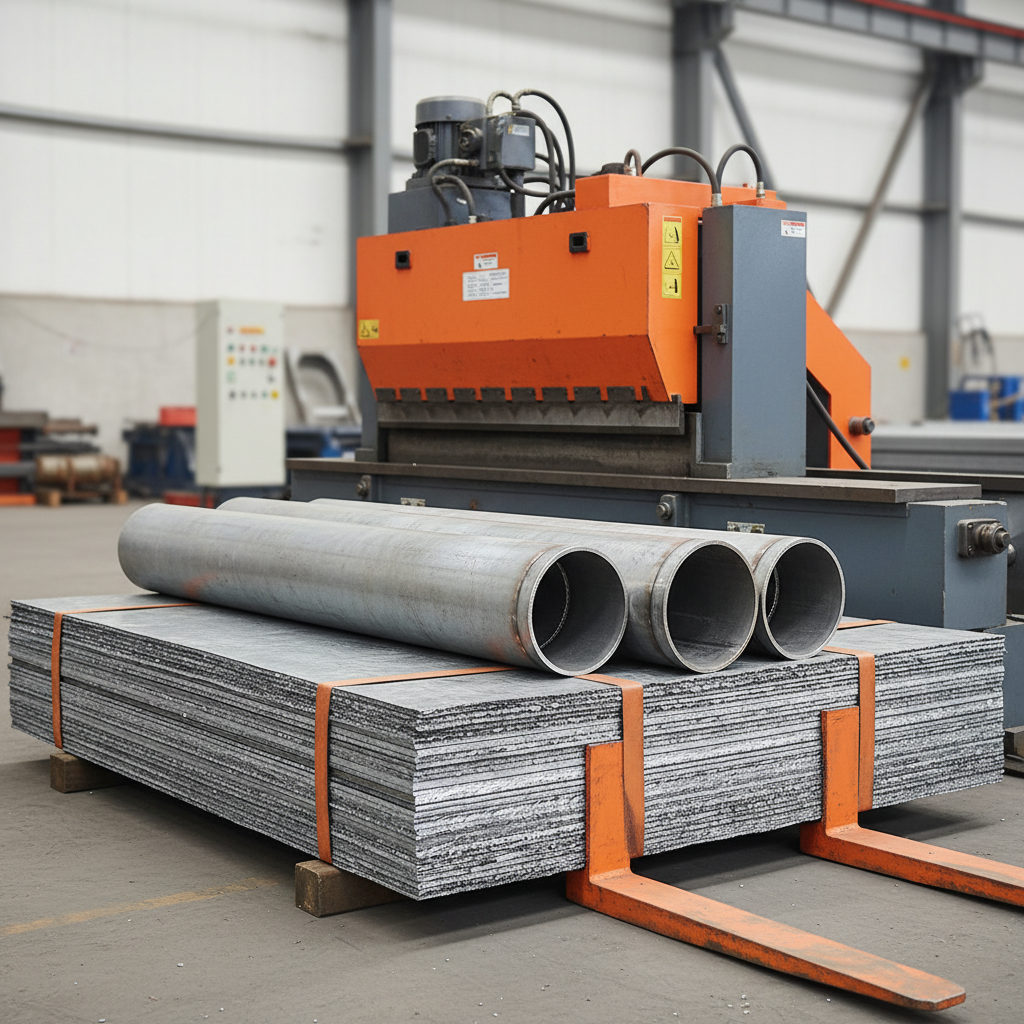
Steel galvanized sheet is created by coating a base metal – typically carbon steel – with a protective layer of zinc. This process, known as galvanization, dramatically increases the steel's resistance to corrosion and rust. The zinc coating acts as a barrier, preventing the steel from coming into direct contact with moisture and atmospheric elements. This makes galvanized steel ideally suited for both indoor and outdoor applications where durability is essential. You can explore a wide range of galvanized steel products at BaidySteel.
Key Benefit: Galvanization provides long-term corrosion protection, significantly extending the lifespan of steel structures and components.
There are several methods used to galvanize steel, resulting in different types of galvanized sheet. The most common types include hot-dip galvanizing, electrogalvanizing, and galvalume. Each method offers distinct advantages in terms of coating thickness, cost, and appearance. Selecting the right type of galvanized sheet depends on the specific application and performance requirements.
Galvanization Method Comparison:
• Hot-Dip Galvanizing: Thickest coating, excellent corrosion resistance, often used for structural applications.
• Electrogalvanizing: Thinner coating, smoother surface, commonly used for appliances and automotive parts.
• Galvalume: Zinc-aluminum alloy coating, superior corrosion resistance, particularly in harsh environments.
The versatility of steel galvanized sheet makes it a staple material across numerous industries. Common applications include roofing, siding, ductwork, automotive components, agricultural buildings, and appliances. Its ability to withstand harsh weather conditions and resist corrosion makes it an ideal choice for both structural and aesthetic purposes. From residential construction to heavy industrial projects, galvanized steel provides a durable and cost-effective solution. BaidySteel offers a diverse range of steel galvanized sheet products to meet various industrial demands.
The advantages of using steel galvanized sheet are numerous. Beyond its exceptional corrosion resistance, galvanized steel offers high strength, durability, and formability. It requires minimal maintenance, reducing long-term costs. Furthermore, galvanized steel is 100% recyclable, making it an environmentally responsible material choice.
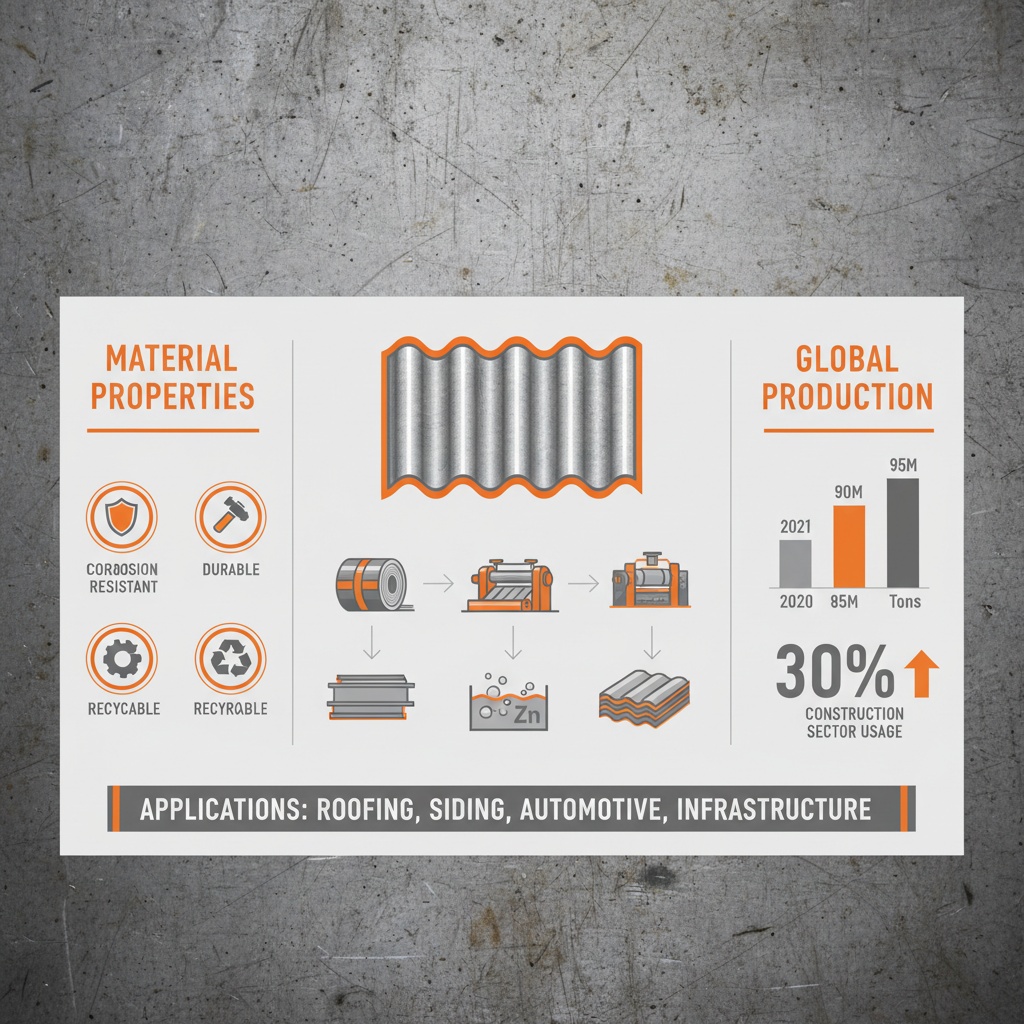
Choosing the appropriate galvanized steel sheet involves considering factors such as the intended application, environmental conditions, and budget. Factors to consider include the thickness of the zinc coating, the type of galvanization process, and the grade of steel. Consulting with a steel supplier like BaidySteel can help you select the optimal material for your specific project requirements.
Steel galvanized sheet is a crucial material in modern construction and manufacturing, offering exceptional corrosion resistance, durability, and versatility. By understanding the different types, applications, and benefits, you can make informed decisions to ensure the success of your projects. BaidySteel is your trusted partner for all your galvanized steel needs.
The lifespan of galvanized steel varies depending on the environment. In rural areas, it can last over 50 years without significant corrosion. In industrial environments with high levels of pollutants, the lifespan may be shorter, around 20-30 years. However, even in harsh conditions, galvanized steel offers significantly longer protection than uncoated steel. Regular inspection and maintenance can further extend its lifespan.
Yes, galvanized steel can be painted, but proper surface preparation is crucial. The zinc coating must be thoroughly cleaned and degreased to ensure good adhesion. Using a galvanized-specific primer is highly recommended to prevent corrosion under the paint film. Standard paints may not adhere well to galvanized steel and can lead to premature failure.
Generally, galvanized steel is not recommended for direct food contact, especially with acidic foods. While the zinc coating is relatively non-toxic, small amounts of zinc can leach into the food, affecting its taste and potentially posing health risks. For food-grade applications, stainless steel is a safer and more appropriate material choice.