Hit enter to search or ESC to close
21 March 2026
Steel sheet galvanized is a widely used material in numerous industries, prized for its strength and corrosion resistance. This article provides a detailed overview of galvanized steel, exploring its production process, benefits, applications, different types, and key considerations for purchasing. Understanding the nuances of galvanized steel sheet is crucial for making informed decisions in construction, manufacturing, and beyond. We'll cover everything from the galvanizing process to choosing the right grade for your specific needs.
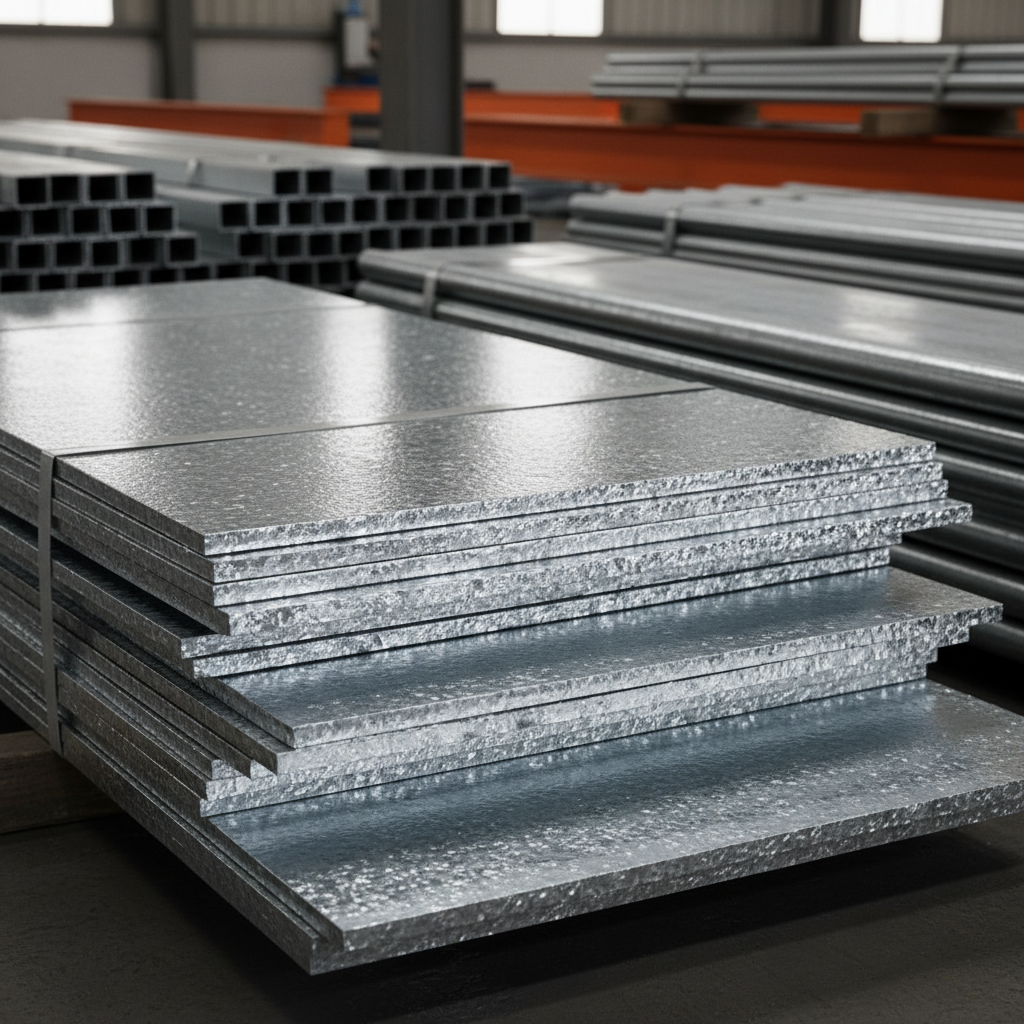
Galvanized steel sheet is created by coating a base metal, typically carbon steel, with a protective layer of zinc. This zinc coating acts as a barrier against corrosion, significantly extending the lifespan of the steel. The process of galvanization offers superior protection compared to other coating methods, making it ideal for both indoor and outdoor applications. The zinc coating corrodes preferentially to the steel, providing what’s known as ‘sacrificial protection’ – meaning the zinc corrodes first, protecting the steel underneath, even if the coating is scratched or damaged. This makes galvanized steel exceptionally durable and reliable.
Key Benefit: Superior corrosion resistance, significantly extending the lifespan of steel components.
The most common method of galvanization is hot-dip galvanizing. This process involves immersing the steel sheet in a bath of molten zinc. Before immersion, the steel undergoes a thorough cleaning process to remove any rust, scale, or contaminants. This ensures a strong bond between the zinc coating and the steel substrate. Other galvanization methods include electrogalvanizing, galvannealing, and zinc spraying, each offering different properties and applications. Hot-dip galvanizing provides a thicker, more durable coating, while electrogalvanizing results in a smoother, more uniform finish. The choice of method depends on the specific requirements of the application.
Galvanization Process Overview:
• Cleaning: Removing rust, scale, and contaminants.
• Fluxing: Applying a chemical flux to promote zinc adhesion.
• Immersion: Immersing the steel in molten zinc.
• Cooling: Allowing the galvanized steel to cool.
There are several types of galvanized steel sheets available, each tailored for specific applications. Common types include:
Using steel sheet galvanized offers a multitude of benefits, including:
Selecting the appropriate galvanized steel sheet requires careful consideration of several factors. These include the intended application, the level of corrosion resistance required, the desired coating thickness, and the budget. It's essential to choose a reputable supplier like Baidysteel, who can provide high-quality products and expert advice. Consider the environmental conditions the steel will be exposed to – coastal environments require more robust protection than inland applications.
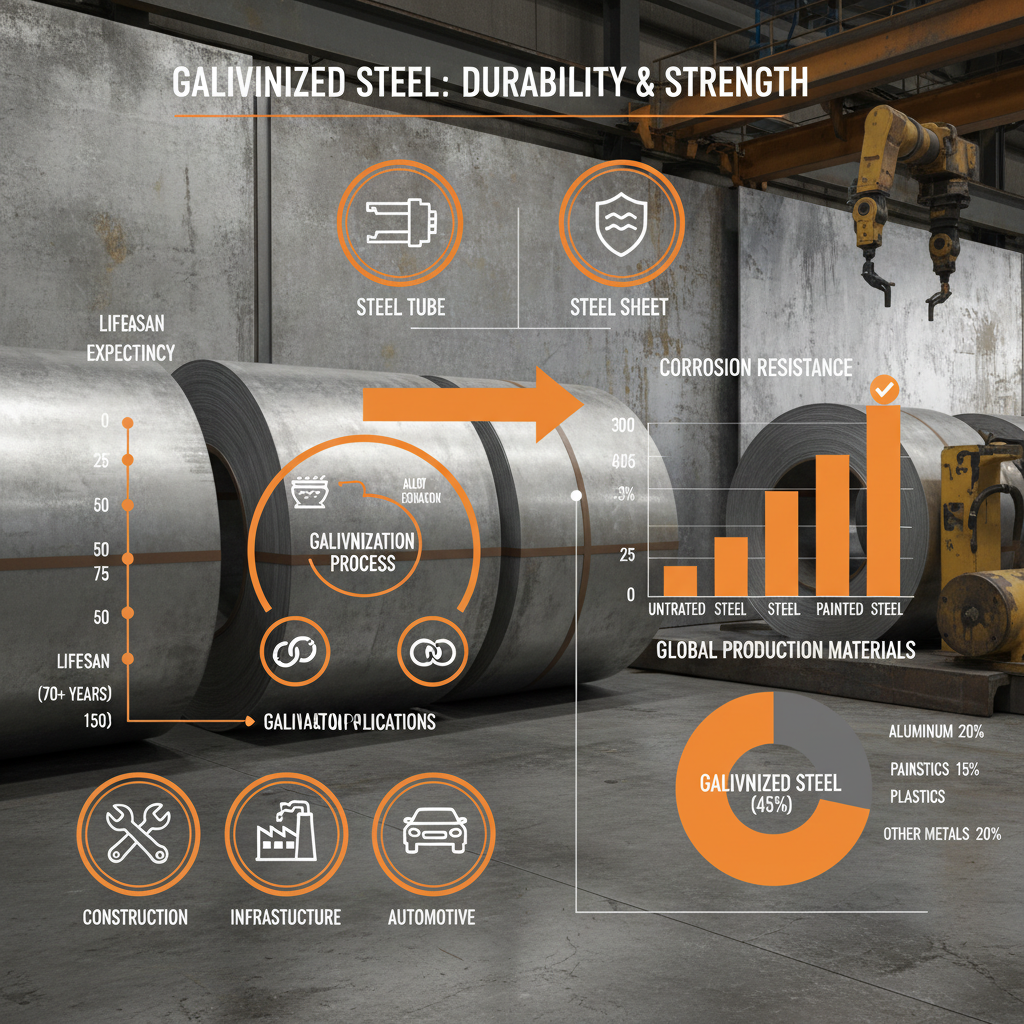
Investing in high-quality steel sheet galvanized is a smart decision for any project requiring durability and corrosion resistance. From construction and manufacturing to automotive and infrastructure, galvanized steel offers a reliable and cost-effective solution. By understanding the different types of galvanization and choosing a trusted supplier, you can ensure long-lasting performance and minimize maintenance costs.
The lifespan of galvanized steel sheet varies depending on the environment it's exposed to. In rural environments, it can last for 50 years or more. In industrial or coastal environments with higher salt concentrations, the lifespan may be reduced to 20-30 years. Factors like coating thickness, steel quality, and maintenance play a significant role. Regular inspections and prompt repairs can extend the lifespan considerably. Properly maintained galvanized steel offers a long-term, cost-effective solution.
Yes, galvanized steel can be painted, but proper preparation is essential. The galvanized surface must be thoroughly cleaned and etched to ensure good paint adhesion. Using a zinc-rich primer is highly recommended to enhance corrosion protection and prevent paint blistering. Avoid using oil-based paints, as they may not adhere well to the galvanized surface. Acrylic or epoxy paints are generally preferred. Always consult with a paint manufacturer to ensure compatibility.
Hot-dip galvanizing provides a thicker zinc coating and superior corrosion resistance due to the immersion process. Electrogalvanizing, on the other hand, results in a thinner, more uniform coating and a smoother finish. Hot-dip galvanizing is ideal for applications requiring maximum protection, while electrogalvanizing is often preferred for cosmetic applications where appearance is critical. The cost also differs, with hot-dip galvanizing typically being more economical for large-scale projects.