Hit enter to search or ESC to close
28 March 2026
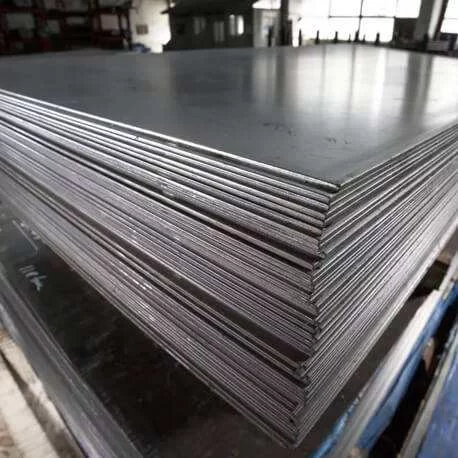
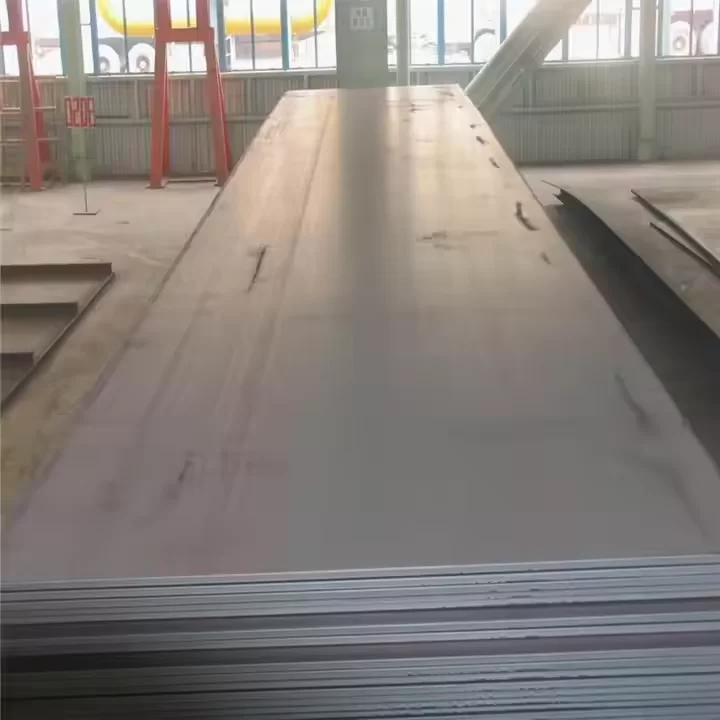
Thin galvanized sheet metal is a versatile material widely used across numerous industries, from construction and automotive to appliance manufacturing and beyond. This article delves into the properties, applications, benefits, and considerations when working with this essential material. We’ll explore why Baidy Steel's galvanized sheet metal is a preferred choice for many projects. Understanding its characteristics is key to maximizing its potential.
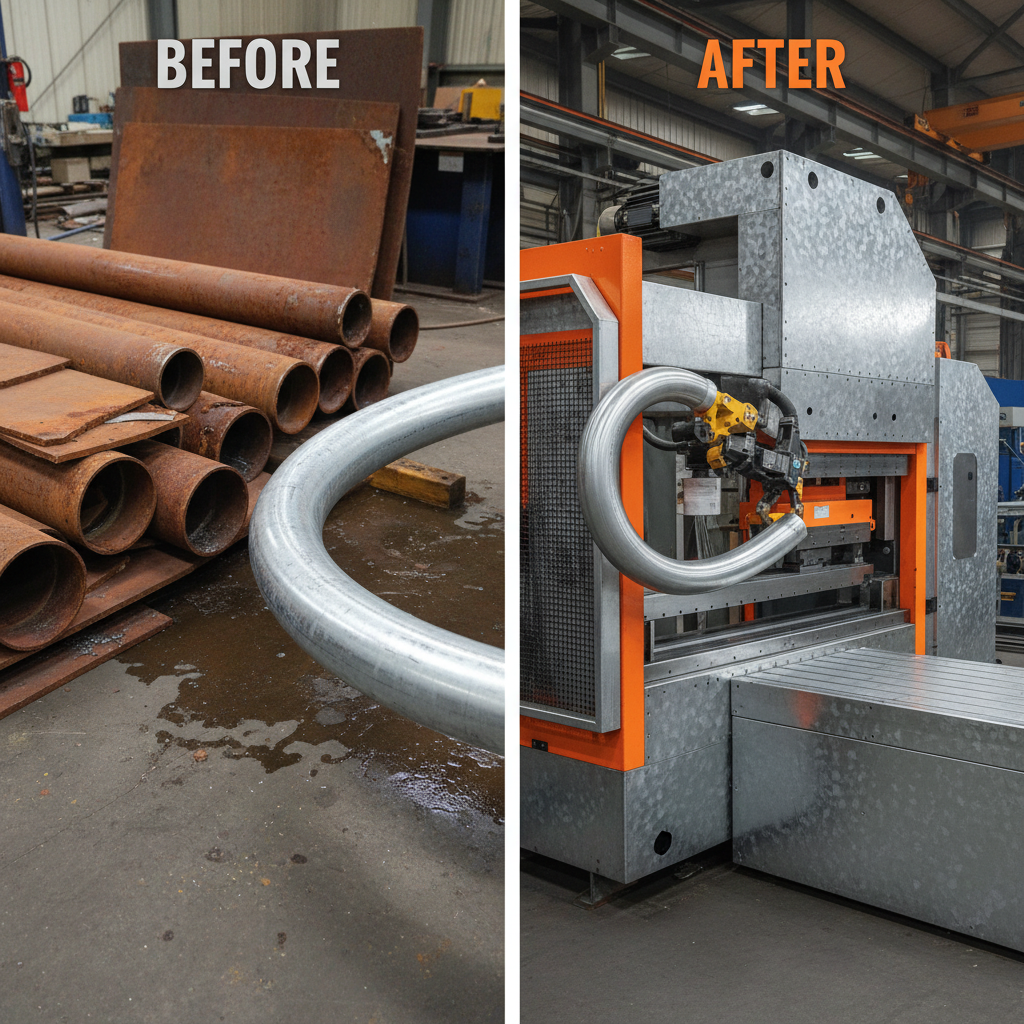
Galvanized sheet metal refers to steel that has been coated with a layer of zinc through a process called galvanization. This zinc coating acts as a barrier, protecting the steel from corrosion and rust. “Thin” generally refers to sheet metal with a gauge (thickness) ranging from 26 gauge to 16 gauge, though this can vary. The galvanization process can be hot-dip galvanizing, electrogalvanizing, or galvannealing. The primary benefit of using galvanized steel is its increased durability and lifespan, reducing maintenance costs and extending the life of the final product.
Key Takeaway: Galvanization is a crucial process that enhances the steel's resistance to corrosion, significantly extending its service life in various environments.
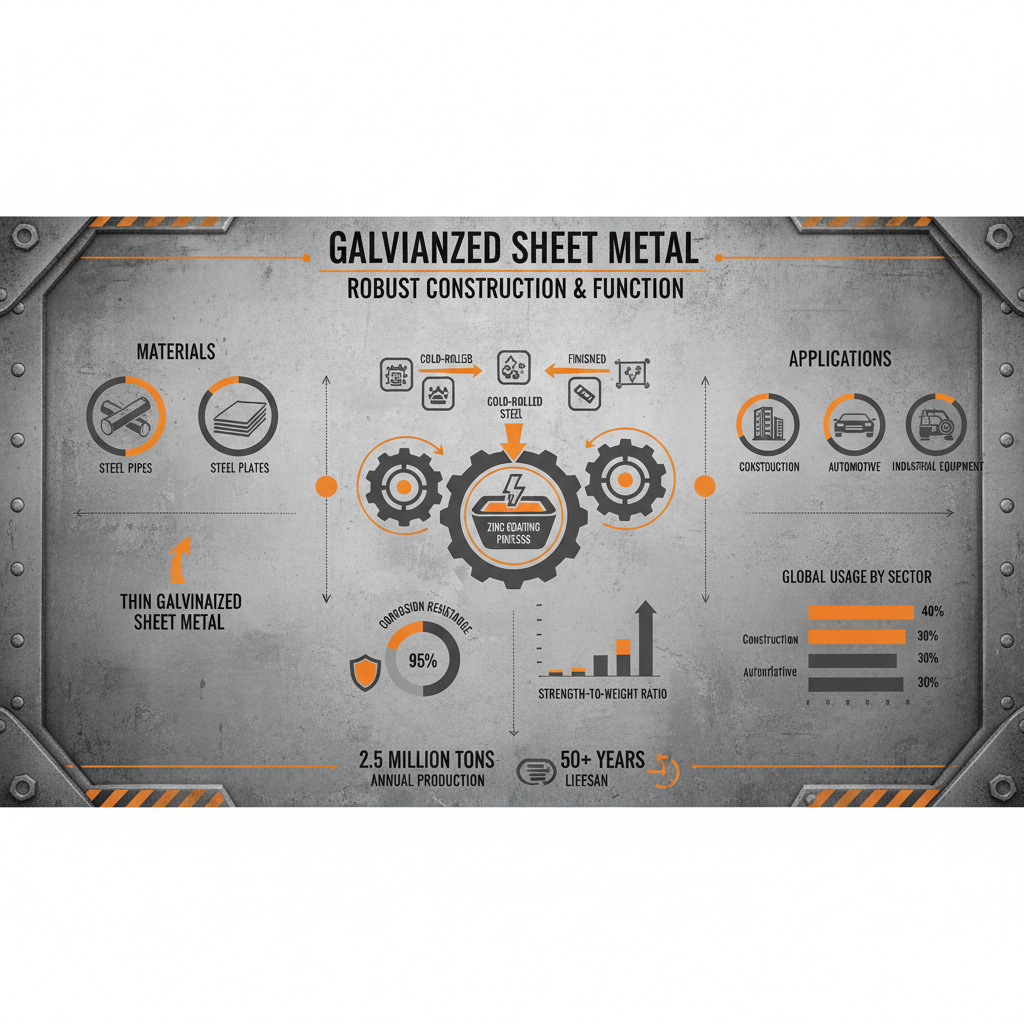
The versatility of thin galvanized sheet metal leads to its wide application in several sectors. It’s commonly found in roofing, gutters, downspouts, flashing, and siding in the construction industry. In automotive, it's utilized for body panels and exhaust systems. Appliance manufacturers employ it for casings, interiors, and components. Other applications include ductwork for HVAC systems, agricultural equipment, and various industrial containers. The material’s formability and weldability also make it suitable for custom fabrication projects.
Application Examples:
• Roofing and cladding
• Automotive body parts
• HVAC ductwork
• Agricultural equipment
Several methods are used to galvanize steel. Hot-dip galvanizing involves immersing the steel in molten zinc, resulting in a thick, durable coating. Electrogalvanizing uses an electric current to deposit a thinner zinc coating. Galvannealing combines hot-dip galvanizing with an annealing process, creating a tightly bonded, corrosion-resistant coating ideal for forming and welding. The choice of method depends on the desired coating thickness, corrosion resistance, and application requirements.
The benefits of choosing thin galvanized sheet metal are numerous. First, its exceptional corrosion resistance ensures long-lasting performance, reducing replacement costs. Second, it possesses excellent formability, allowing for easy bending, cutting, and shaping. Third, it's readily weldable, simplifying fabrication processes. Fourth, it offers a good strength-to-weight ratio, making it ideal for applications where weight is a concern. Finally, it is relatively cost-effective, making it an attractive option for various projects. Baidy Steel provides high-quality galvanized sheet metal that delivers these advantages consistently.
While galvanized sheet metal offers numerous advantages, certain considerations are important during fabrication and installation. Zinc fumes can be released when welding or cutting, requiring adequate ventilation and respiratory protection. Special care should be taken when painting galvanized steel, as proper surface preparation is essential for good adhesion. Avoid using dissimilar metals in direct contact with galvanized steel to prevent galvanic corrosion. Always consult safety data sheets (SDS) and follow recommended handling procedures.
Thin galvanized sheet metal is a durable, versatile, and cost-effective material ideal for a wide range of applications. Its corrosion resistance, formability, and weldability make it a preferred choice for many industries. By understanding its properties and taking necessary precautions during fabrication, you can maximize its benefits and ensure long-lasting performance. For consistently high-quality galvanized sheet metal, Baidy Steel is a trusted partner.
The lifespan of galvanized sheet metal varies depending on the environment and the thickness of the zinc coating. In rural environments, it can last over 50 years, while in industrial or coastal areas with higher salt exposure, the lifespan may be shorter, ranging from 20-30 years. Maintaining the coating by avoiding scratches and abrasions can significantly extend its service life. Regular inspections and re-coating when necessary are recommended.
Yes, galvanized sheet metal can be painted, but proper preparation is crucial. The zinc coating needs to be etched or neutralized to ensure good paint adhesion. Using a self-etching primer designed for galvanized surfaces is highly recommended. Standard paints may not adhere well to the smooth, non-porous zinc coating, leading to premature peeling. It’s also important to choose a paint that’s compatible with galvanized steel to prevent corrosion.
When cutting or welding galvanized sheet metal, always ensure adequate ventilation to avoid inhaling zinc fumes. Wear appropriate respiratory protection, such as a respirator mask. Wear gloves and eye protection to prevent skin and eye irritation. Avoid prolonged skin contact with the metal. Follow all safety guidelines outlined in the material safety data sheet (SDS).
Baidy Steel is a leading supplier of high-quality thin galvanized sheet metal. We offer a wide range of gauges, widths, and finishes to meet your specific needs. Contact us today for a quote or to discuss your project requirements.