Hit enter to search or ESC to close
12 March 2026
Sheets of corrugated galvanized metal are a versatile building material used across a multitude of industries, from construction and agriculture to manufacturing and DIY projects. Their durability, cost-effectiveness, and ease of installation make them a popular choice for roofing, siding, fencing, and various other applications. This article will explore the properties, applications, advantages, and considerations when working with this essential material. Understanding the nuances of corrugated galvanized metal will empower you to make informed decisions for your next project.
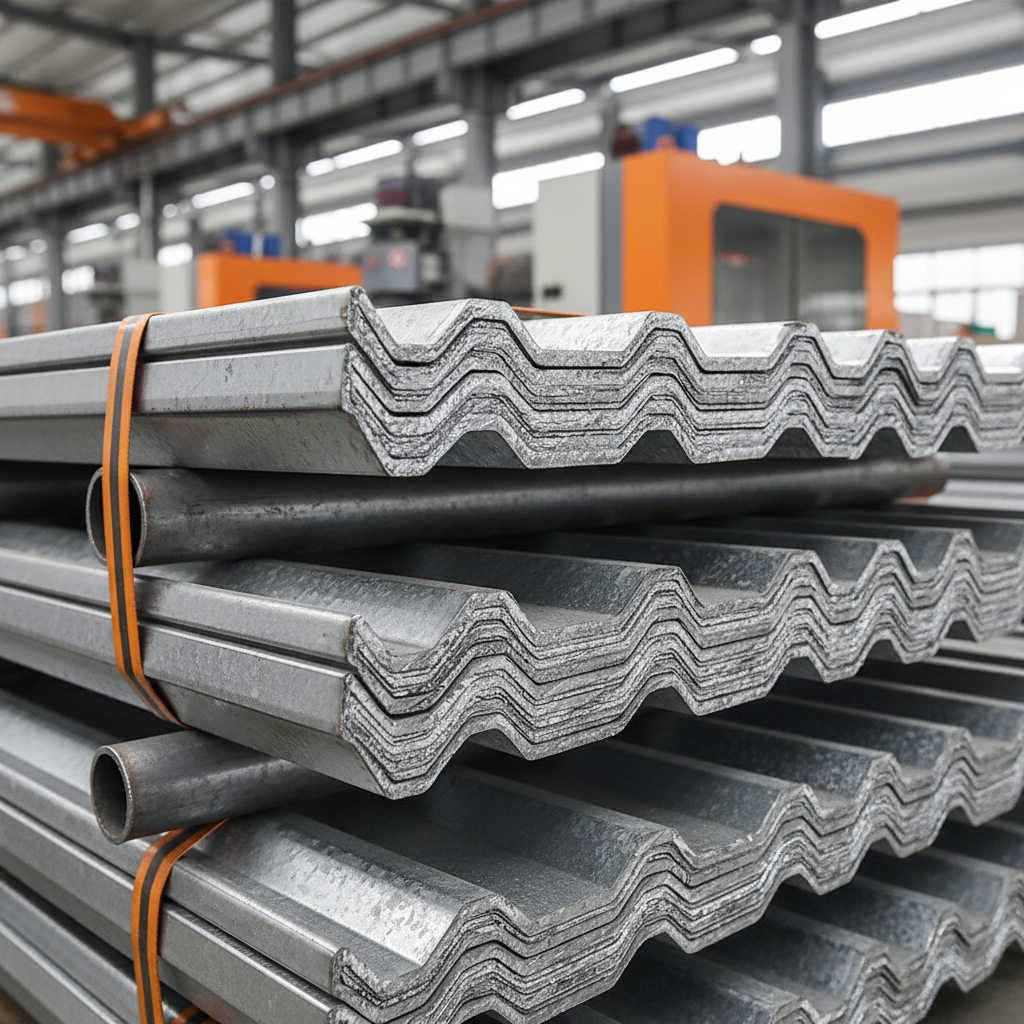
Corrugated galvanized metal is steel that has been coated with zinc through a process called galvanization. This zinc coating provides excellent corrosion resistance, protecting the steel from rust and weathering. The "corrugated" aspect refers to the series of parallel ridges and grooves formed during the manufacturing process. These corrugations significantly increase the material’s strength and rigidity, allowing it to span greater distances without support. The combination of galvanization and corrugation results in a durable and long-lasting material suitable for various outdoor applications. Baidysteel provides high-quality corrugated galvanized metal sheets for diverse needs.
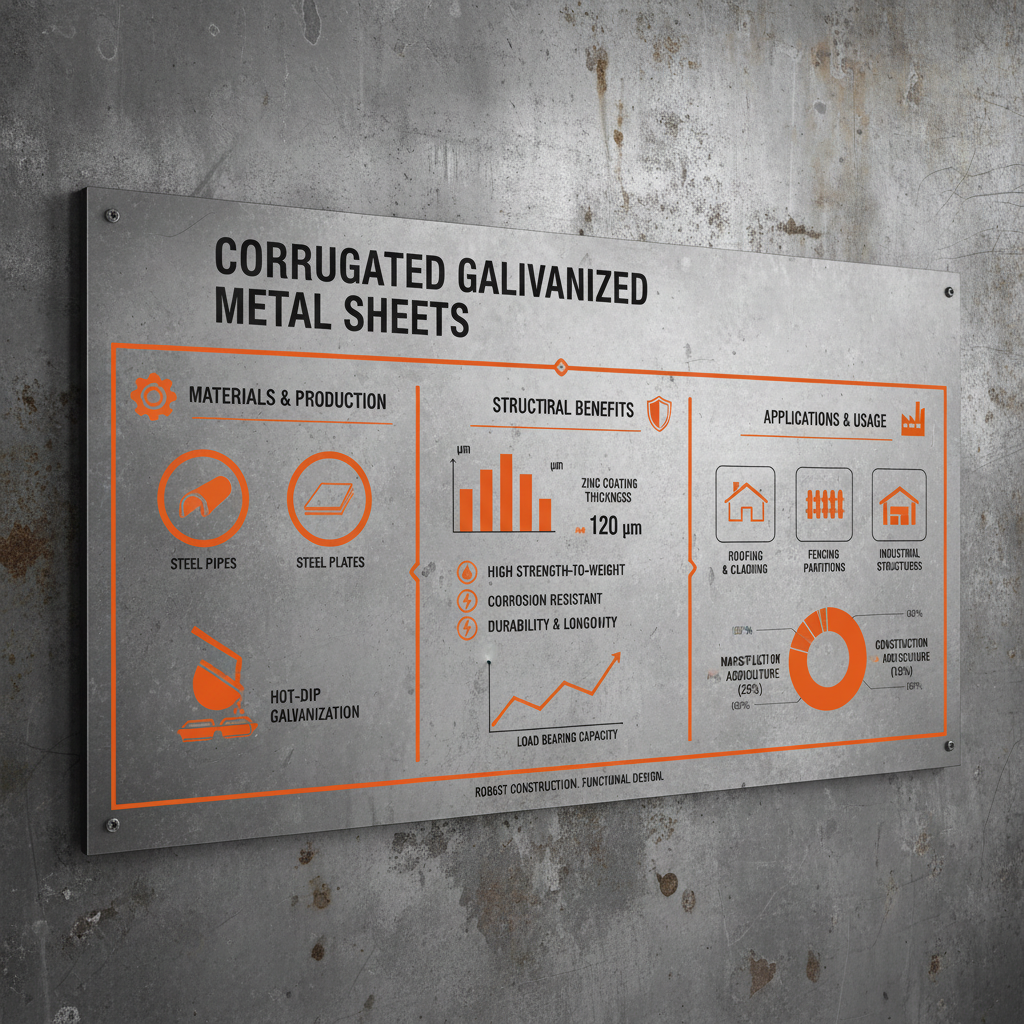
Key Benefits: Enhanced corrosion resistance, increased structural strength, lightweight, cost-effective, and versatile.
The versatility of sheets of corrugated galvanized metal makes them ideal for a wide array of applications. In agriculture, they are frequently used for constructing barns, sheds, and livestock shelters. In construction, they serve as roofing materials, siding for industrial buildings, and protective coverings for walls. Fencing is another prominent use, providing a durable and secure boundary. DIY enthusiasts often utilize corrugated metal for projects like garden beds, roofing small structures, and creating unique decorative elements. Its ability to be easily cut and shaped makes it a favorite amongst makers and builders.
Application Examples:
• Roofing for agricultural buildings
• Siding for industrial structures
• Protective fencing for properties
• DIY garden beds and sheds
Corrugated galvanized metal sheets come in various grades, thicknesses, and profiles. Common grades include galvanized steel, galvalume (a zinc-aluminum alloy), and pre-painted galvanized steel. The thickness is typically measured in gauge, with lower gauge numbers indicating thicker material. The profile refers to the height and spacing of the corrugations, impacting the sheet’s strength and aesthetic appeal. Here's a comparative overview of common specifications:
The advantages of using sheets of corrugated galvanized metal are numerous. Its cost-effectiveness compared to other building materials makes it an attractive option for budget-conscious projects. The relatively lightweight nature of the material simplifies installation, reducing labor costs. The long lifespan, due to the galvanized coating, minimizes the need for frequent replacements, resulting in long-term savings. Furthermore, the material is recyclable, promoting sustainable building practices.
While corrugated galvanized metal offers numerous benefits, certain considerations are crucial for successful installation and long-term performance. Proper handling is essential to avoid damaging the galvanized coating, as scratches or abrasions can compromise its corrosion resistance. Using appropriate fasteners is vital – avoid using materials that are incompatible with galvanized steel, as they can accelerate corrosion. Adequate ventilation is recommended for enclosed structures to prevent condensation build-up. Safety precautions, including wearing gloves and eye protection, are always necessary when cutting or handling the material.
Sheets of corrugated galvanized metal represent a smart investment for a wide range of construction and DIY projects. Their combination of durability, affordability, and versatility makes them a favored choice for professionals and homeowners alike. By understanding the material’s properties, applications, and proper handling techniques, you can maximize its benefits and ensure a long-lasting, reliable result.
The lifespan of corrugated galvanized metal depends on the environment and the thickness of the galvanization. Generally, it can last 50-100 years or more with proper maintenance. Coastal environments or areas with high pollution can shorten the lifespan due to accelerated corrosion. Regular cleaning and periodic re-coating with protective paints can significantly extend its durability. The quality of the initial galvanization process also plays a crucial role in determining longevity.
Cutting corrugated metal requires caution. Use a circular saw with a metal-cutting blade or shears specifically designed for metal. Always wear safety glasses and gloves to protect yourself from flying debris. Support the sheet adequately to prevent bending or buckling during cutting. Avoid using abrasive cutting methods that can damage the galvanization. Consider using a cutting lubricant to reduce friction and heat. Work in a well-ventilated area.
Use fasteners specifically designed for use with galvanized metal, such as self-drilling screws with neoprene washers. The neoprene washers create a watertight seal and prevent galvanic corrosion between the steel and the fastener. Avoid using steel fasteners that are not galvanized or coated, as they can cause the surrounding metal to rust. Ensure the fasteners are compatible with the thickness of the metal sheets you are using.
Galvanized steel itself is not combustible and is therefore considered fire-resistant. However, the coatings applied to some corrugated metal sheets may be flammable. Check the manufacturer’s specifications for the fire rating of the specific product you are using. Corrugated metal can help to contain a fire and prevent its spread, making it a safer building material compared to some alternatives.