Hit enter to search or ESC to close
23 June 2026
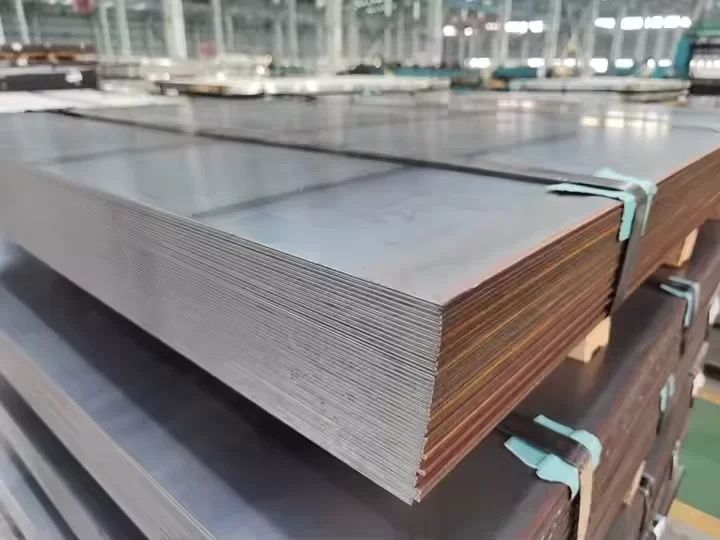
When sourcing materials for industrial construction or automotive manufacturing, understanding the galvanized iron plain sheet price is critical for accurate budgeting and procurement. Galvanized iron (GI) sheets are essentially steel sheets coated with a layer of zinc to prevent rusting, making them indispensable in environments exposed to moisture. The cost of these sheets is not static; it fluctuates based on global zinc prices, steel demand, and manufacturing overheads. For businesses looking to optimize their supply chain, staying informed about these pricing drivers ensures a competitive edge in the market. In this guide, we will explore the factors influencing costs and how to choose the best specifications for your project.

Several key variables dictate the market value of GI sheets. Firstly, the Zinc Coating Mass (often denoted as Z12, Z27, etc.) plays a huge role; the thicker the zinc layer, the higher the cost, but the greater the corrosion resistance. Secondly, the Base Steel Grade affects the price, as high-strength or low-carbon steels require different processing. Additionally, global market volatility—such as changes in iron ore prices or shifts in trade tariffs—can cause sudden spikes in the galvanized iron plain sheet price. By understanding these levers, procurement managers can better time their purchases to avoid peak price periods.
Pro Tip: Always request a breakdown of the price per metric ton versus price per sheet to ensure you are receiving the most competitive wholesale rate.
Not all galvanized sheets are created equal. Depending on whether you need "Commercial Quality" or "Deep Drawing Quality," the galvanized iron plain sheet price will vary. Commercial grade is typically used for general fabrication, while specialized grades are designed for rigorous industrial forming. The following table provides a comparative look at how different specifications impact the overall value and application of the product.
To get the best galvanized iron plain sheet price, it is essential to balance quality with necessity. Many buyers over-specify their zinc coating, paying for protection they don't actually need for indoor applications. By conducting a site-specific corrosion analysis, you can determine if a Z120 coating is sufficient or if a Z275 is required. Furthermore, buying in bulk directly from manufacturers like Baidy Steel can significantly reduce the per-unit cost by eliminating middleman markups.

When requesting a quote for the galvanized iron plain sheet price, precision in specifications is key. Thickness (gauge) is the primary driver of weight, and since steel is sold by weight, even a 0.1mm difference can alter the total cost of a large order. Below are the standard specifications typically offered to international buyers.
The widespread use of these sheets is a testament to their value. From the automotive industry—where they are used for underbody shielding—to the HVAC sector for air ducts, the utility of GI sheets is unmatched. In agriculture, they are used for grain silos and livestock housing due to their resistance to organic acids and moisture. Because the galvanized iron plain sheet price remains affordable compared to stainless steel, it is often the first choice for large-scale industrial projects where cost-efficiency is as important as durability.
Finding a competitive galvanized iron plain sheet price requires a blend of technical knowledge and strategic sourcing. By understanding how zinc coating, steel grade, and thickness influence the cost, you can make procurement decisions that safeguard both your budget and your project's longevity. For those seeking high-quality materials combined with factory-direct pricing, partnering with a professional supplier is the most effective path forward.
The price is primarily driven by the global commodities market. Since GI sheets are made from steel and zinc, any shift in the mining costs or supply chain of these two metals immediately impacts the final cost. Additionally, energy costs for the galvanizing process (hot-dip or electro-galvanizing) and changes in international shipping freight rates can cause the market price to shift weekly. Monitoring commodity indices is a common practice for large-scale buyers to predict price movements.
A fair price is determined by comparing the specification (zinc weight and thickness) against current market benchmarks. Always ensure you are comparing "apples to apples"—for example, comparing a Z275 coating price to another Z275, not a Z60. Check the purity of the zinc and the origin of the base steel. Requesting a mill test certificate (MTC) allows you to verify the quality, ensuring that a lower price doesn't mean inferior material that will rust prematurely.
Hot-dip galvanizing typically provides a thicker zinc layer and superior corrosion resistance, often making it more expensive for thin gauges but more cost-effective for long-term outdoor use. Electro-galvanizing produces a thinner, smoother, and more aesthetically pleasing finish, which is ideal for painted parts. While the process differs, the galvanized iron plain sheet price for electro-galvanized steel may be higher for precision-grade thin sheets due to the specialized electricity and chemical baths required.
Yes, almost all steel manufacturers offer tiered pricing based on volume. Because the setup cost for rolling mills and galvanizing lines is high, producing larger batches reduces the per-unit cost. When negotiating, it is helpful to provide a yearly forecast of your needs rather than single-order quantities; this allows the supplier to optimize their production schedule and offer you a more stable and discounted price point.