Hit enter to search or ESC to close
21 November 2025
The global industrial landscape relies fundamentally on steel, a versatile material forming the backbone of infrastructure, manufacturing, and technological advancement. Within this vast domain, hot rolled steel stands out for its unique blend of strength, formability, and cost-effectiveness, making it indispensable across a myriad of applications. The enterprises responsible for producing this foundational material, broadly categorized as hot rolled steel companies, are central to the world's economic engine. These entities range from colossal integrated mills, overseeing every stage from ore extraction to finished product, to specialized mini-mills and regional suppliers focusing on niche markets or specific product lines. Their collective output fuels sectors as diverse as construction, automotive, energy, and heavy machinery, underscoring their critical role in the global supply chain. Understanding the capabilities, operational philosophies, and strategic imperatives of these companies is paramount for any industry seeking reliable, high-performance steel solutions. The dynamic nature of the steel market, influenced by fluctuating raw material costs, technological advancements, and evolving global demand, further emphasizes the complexity and strategic importance of engaging with the right partners in this sector. Navigating this intricate ecosystem requires a keen appreciation for not only product specifications but also for the underlying commitment to innovation, quality, and sustainable practices that define leading hot rolled steel producers.
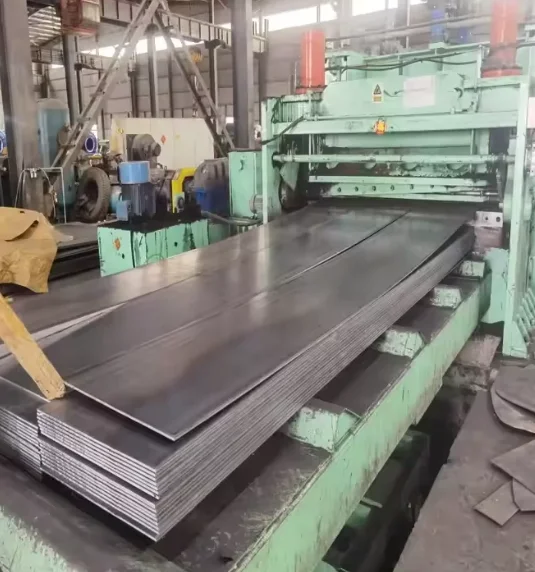
Hot rolling, a metallurgical process involving heating steel above its recrystallization temperature and then passing it through rollers, imbues the material with distinct properties that are difficult to achieve through other methods. This process refines grain structure, improves mechanical properties like tensile strength and ductility, and eliminates casting defects, resulting in a product highly suited for subsequent fabrication. The technical superiority of hot rolled steel lies in its balance of strength, dimensional stability, and relative ease of processing. For instance, its inherent ductility makes it highly amenable to forming, bending, and welding, reducing fabrication costs and complexity for end-users. Recent advancements in rolling mill technology, particularly the integration of computer-controlled systems and sophisticated cooling processes, have further refined the quality and consistency of hot rolled products. This includes the development of thermomechanically controlled processing (TMCP) steels, which offer superior strength-to-weight ratios and enhanced weldability without requiring additional heat treatment. These innovations are critical in meeting the escalating demands for lighter, stronger, and more durable materials across industries. From an economic perspective, hot rolling remains a highly efficient and cost-effective method for producing large volumes of steel sections, plates, and coils. The scale of this operation is immense, with global hot rolled steel production consistently exceeding 1.5 billion metric tons annually, a testament to its pervasive utility and the continuous investment in process optimization by leading manufacturers. The pursuit of even greater precision, reduced energy consumption, and superior material characteristics drives ongoing research and development within the industry, ensuring hot rolled steel remains at the forefront of material science.
The landscape of hot rolled steel production is characterized by a diverse array of manufacturers, each with unique strengths, operational scales, and market focuses. Identifying the optimal supplier necessitates a clear understanding of these distinctions. Broadly, producers can be categorized into large integrated mills, which manage the entire steelmaking process from raw materials to finished products, offering extensive product ranges and high volumes; mini-mills, often electric arc furnace (EAF) based, known for their agility, regional focus, and emphasis on recycled scrap; and specialized processors, who might focus on specific grades, sizes, or value-added services. The choice among these types of manufacturers often hinges on factors such as required volume, specific technical specifications, lead time expectations, and sustainability objectives. Large integrated mills typically offer superior economies of scale and a vast portfolio of standard and specialized grades, often serving global markets. Mini-mills, with their leaner operations, can sometimes offer more competitive pricing for certain products and quicker turnaround times, particularly for regional clients. Specialized processors, on the other hand, excel in meeting unique, custom requirements that might be less feasible for mass production facilities. Evaluating these options requires a comprehensive comparison across several key performance indicators. The following table illustrates typical differentiators that buyers consider when engaging with various types of hot rolled steel manufacturers:
Characteristic | Integrated Mill (e.g., Global Player A) | Specialized Mini-Mill (e.g., Regional Player B) | Custom Fabricator/Supplier (e.g., Niche Expert C) |
Annual Production Capacity | 20M+ Metric Tons | 1M - 5M Metric Tons | <1M Metric Tons (often processes from larger mills) |
Product Range & Grades | Extensive (Coils, Plates, Sections; all standard & many specialty grades) | Focused (Specific product lines, e.g., rebar, structural shapes, select common grades) | Tailored (Specialty alloys, specific dimensions, value-added processing) |
Lead Time for Standard Orders | 4-8 Weeks (can vary significantly) | 2-6 Weeks (often more agile for regional orders) | Highly Variable (depends on complexity, raw material availability) |
Quality Control & Certifications | Comprehensive (ISO, ASTM, EN, API; extensive internal testing labs) | Robust (ISO, ASTM; typically strong focus on core product quality) | Project-specific (Adheres to client specs, often collaborates with certified mills) |
Sustainability Initiatives | Significant R&D in decarbonization, energy efficiency, circular economy | Strong emphasis on recycled content, regional supply chains | Focus on efficient material use, waste reduction in fabrication |
Geographic Reach | Global | Regional to National | Local to Regional, project-based national/international |
Cost Competitiveness | Economies of scale for bulk orders, premium for specialty grades | Often competitive for regional, high-volume standard products | Higher per-unit cost for custom work, value in specialized service |
This comparison highlights that the "best" hot rolled steel manufacturer is not a universal entity, but rather the one whose operational model and capabilities most closely align with a client's specific project needs, volume requirements, and strategic priorities. Due diligence, including factory audits, quality assurance checks, and transparent communication, remains critical in establishing enduring partnerships.
While standard hot rolled steel products cater to a vast range of industrial needs, a growing demand exists for bespoke solutions that address highly specific design constraints, performance requirements, or aesthetic considerations. Leading manufacturers understand that true partnership often extends beyond off-the-shelf offerings, embracing the challenge of custom solutions. This involves a collaborative approach, where the steel producer works closely with the client's engineering and design teams from conception through to delivery. Customization can manifest in various forms: precise chemical compositions for enhanced corrosion resistance or specific mechanical properties, unique dimensions or profiles that minimize waste and simplify subsequent fabrication, or specialized surface finishes to meet particular aesthetic or functional demands. For example, in shipbuilding, specific high-strength low-alloy (HSLA) hot rolled plates might be required to meet stringent marine classification society standards, necessitating precise control over alloying elements and rolling parameters. In the automotive industry, manufacturers might require tailor-rolled blanks, where the thickness of the steel varies across a single sheet, optimizing material distribution for improved crash performance and weight reduction. Achieving such customization demands significant technical expertise, advanced metallurgical knowledge, and flexible manufacturing capabilities. Investment in sophisticated rolling mills, inline sensors, and advanced process control systems allows producers to precisely manage parameters such as temperature, rolling speed, and reduction ratios. Furthermore, robust research and development departments play a crucial role in developing new alloys and processing techniques to meet evolving customer needs. This commitment to tailored excellence not only delivers optimized material performance but also contributes to greater efficiency and cost savings for clients by reducing post-processing, minimizing scrap, and streamlining assembly. The ability to innovate collaboratively sets apart truly visionary hot rolled steel producers in a competitive global market.
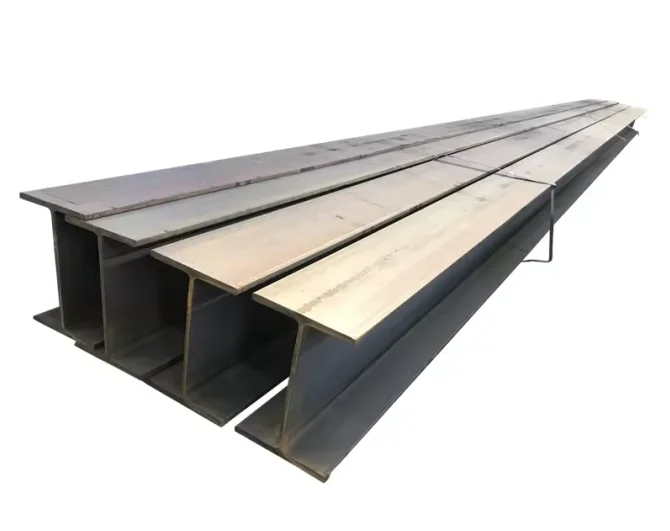
The versatility and inherent advantages of hot rolled steel ensure its pervasive use across virtually every major industrial sector, serving as an unseen workhorse that enables progress. Its applications are as diverse as they are critical, underpinning structures and machinery that define modern civilization. In the construction industry, hot rolled structural steel shapes—such as I-beams, H-beams, and channels—form the skeletal framework of skyscrapers, bridges, and industrial complexes, providing essential load-bearing capabilities. For instance, a major infrastructure project like a new suspension bridge may utilize thousands of tons of high-strength hot rolled steel plates for its deck and tower components, engineered to withstand immense dynamic loads and environmental stresses for decades. The automotive sector relies heavily on hot rolled steel for chassis components, wheel rims, and various body parts, where its excellent formability and impact resistance are crucial for vehicle safety and structural integrity. Heavy machinery manufacturers integrate hot rolled plates and sections into excavators, cranes, and agricultural equipment, demanding materials that can endure extreme wear, heavy loads, and harsh operating conditions. Energy infrastructure, from oil and gas pipelines to wind turbine towers, also extensively employs hot rolled steel. Large-diameter hot rolled pipes, engineered for specific pressure and temperature ratings, are vital for safe and efficient fluid transport. In the renewable energy sector, the robustness of hot rolled steel allows for the construction of towering wind turbine components, engineered to withstand constant dynamic loading and cyclic fatigue. Even in seemingly simpler applications, like storage tanks or railway tracks, hot rolled steel's durability and consistent quality are non-negotiable. These myriad applications are not just examples of material usage, but testimonials to successful partnerships between end-users and steel manufacturers, where material science and engineering ingenuity converge to create solutions that are strong, reliable, and cost-effective, consistently driving industries forward into new eras of innovation and efficiency.
In an era of increasing environmental consciousness and stringent regulatory frameworks, the future of hot rolled steel production is inextricably linked to sustainability and an unwavering commitment to quality. Leading manufacturers are actively investing in processes that minimize their ecological footprint while simultaneously enhancing product integrity. From an environmental perspective, significant strides are being made in reducing greenhouse gas emissions through the adoption of cleaner energy sources, optimizing furnace efficiencies, and increasing the utilization of recycled scrap steel. For instance, many modern mini-mills, utilizing electric arc furnaces (EAFs), primarily rely on recycled steel as their feedstock, dramatically lowering the energy intensity and carbon emissions compared to traditional blast furnace routes. Beyond production, efforts extend to optimizing logistics, minimizing waste generation, and ensuring responsible resource management across the entire supply chain. Concurrent with sustainability, the pursuit of exceptional quality remains a core tenet. This involves rigorous testing and inspection protocols at every stage of the hot rolling process, from raw material verification to final product certification. Advanced non-destructive testing (NDT) techniques, such as ultrasonic inspection and eddy current testing, are routinely employed to detect internal flaws and surface imperfections, ensuring that products meet or exceed international standards like ASTM, EN, and JIS. Furthermore, investment in advanced metallurgical research is driving the development of new, high-performance hot rolled steel grades that offer superior strength, ductility, and corrosion resistance. These innovations are critical for applications demanding enhanced durability and lighter weight, such as next-generation electric vehicles and long-span architectural structures. The synergistic evolution of sustainable practices and superior quality assurance is not merely a compliance issue; it is a strategic imperative that distinguishes forward-thinking hot rolled steel producers and ensures the continued relevance and competitive advantage of this foundational material in the global economy, paving the way for a more resilient and responsible industrial future.
The decision of which hot rolled steel company to partner with extends far beyond simply comparing price lists. It involves a strategic evaluation of capabilities, reliability, and long-term vision. For any project requiring hot rolled steel, the quality and consistency of the material directly impact the safety, longevity, and overall success of the final product or structure. Therefore, selecting a supplier necessitates a holistic assessment. Key considerations should include a company’s demonstrated commitment to quality assurance, evidenced by relevant certifications and a robust testing infrastructure. Production capacity and lead time reliability are paramount for ensuring project timelines are met and supply chain disruptions are minimized. Furthermore, the ability to provide custom solutions and offer technical support—from material selection guidance to post-delivery assistance—adds significant value, particularly for complex or innovative applications. In today's market, a strong emphasis on sustainability and ethical manufacturing practices is also increasingly important, aligning with corporate responsibility goals and market expectations. A proactive approach to environmental stewardship, coupled with transparent operational practices, can reflect positively on the entire supply chain. Ultimately, the ideal partner among hot rolled steel companies will be one that not only meets your technical and logistical requirements but also aligns with your strategic objectives, fosters open communication, and demonstrates a proven track record of innovation and customer satisfaction. Such a partnership transcends a mere transactional relationship, evolving into a collaborative effort that drives mutual progress and ensures access to high-performance, responsibly produced hot rolled steel for years to come.
1. What is the primary difference between hot rolled and cold rolled steel produced by steel companies?
Hot rolled steel is processed at high temperatures (above its recrystallization point), which allows for easier forming and larger deformations. It typically has a rougher surface finish and slightly lower dimensional precision. Cold rolled steel, in contrast, is processed at or near room temperature, resulting in a smoother finish, tighter tolerances, and increased strength and hardness, but reduced ductility. Companies specialize in one or both processes based on market demand.
2. How do hot rolled steel companies ensure product quality and consistency?
Leading companies implement stringent quality control measures at every stage. This includes rigorous raw material inspection, advanced process control systems (e.g., computer-controlled rolling mills, inline sensors), continuous monitoring of temperature and dimensions, and comprehensive post-production testing such as mechanical property tests (tensile, yield, elongation), chemical analysis, and non-destructive testing (ultrasonic, eddy current inspection).
3. What are the main types of hot rolled steel products offered by manufacturers?
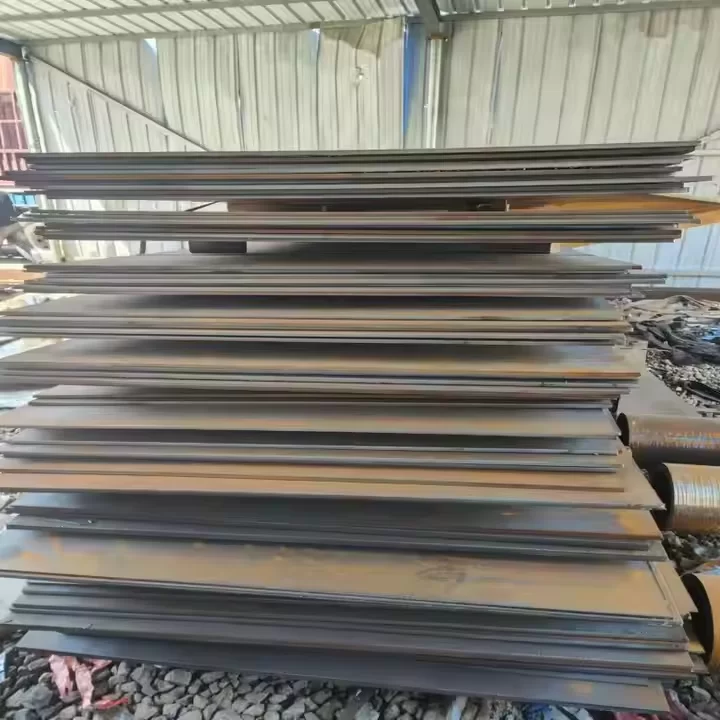
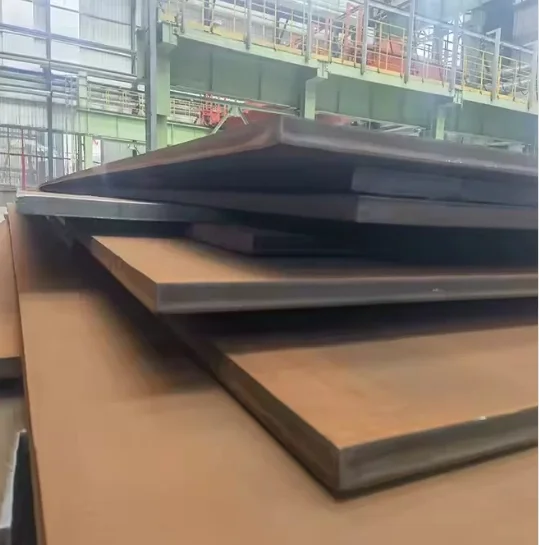
Common products include hot rolled coils (HR Coils) for further processing, hot rolled plates for heavy fabrication, structural shapes (beams, channels, angles) for construction, and hot rolled bars for automotive and machinery components. Many companies also offer specialized grades for specific applications like pressure vessels or pipelines.
4. How are hot rolled steel companies addressing environmental sustainability?
Many are investing in cleaner production technologies (e.g., electric arc furnaces using recycled scrap), optimizing energy efficiency, reducing water consumption, capturing and reusing waste heat, and developing low-carbon steelmaking processes. They also focus on waste reduction, recycling byproducts, and establishing greener supply chains to minimize their environmental footprint.
5. Can hot rolled steel companies provide customized material solutions?
Yes, many reputable companies offer custom solutions. This can involve producing steel with specific chemical compositions, unique mechanical properties, non-standard dimensions, or specialized surface treatments to meet precise customer requirements for particular applications. This often involves close collaboration between the client and the steel manufacturer's R&D and engineering teams.
6. What industry certifications should I look for when selecting a hot rolled steel supplier?
Key certifications include ISO 9001 (Quality Management System), ISO 14001 (Environmental Management System), and relevant product-specific standards such as ASTM (American Society for Testing and Materials), EN (European Standards), JIS (Japanese Industrial Standards), and API (American Petroleum Institute) for oil and gas applications. These indicate adherence to international quality and performance benchmarks.
7. What factors influence the pricing of hot rolled steel from manufacturers?
Pricing is influenced by several factors: global demand and supply dynamics, raw material costs (iron ore, scrap, alloying elements), energy prices, production volume, specific grade and dimension requirements, transportation costs, currency exchange rates, and prevailing geopolitical conditions. Larger, long-term contracts may also yield more favorable pricing structures.