The global construction and manufacturing landscape relies heavily on the structural integrity provided by high-grade plate and steel components. From the skeletal frameworks of skyscrapers to the critical chassis of heavy-duty automotive vehicles, the selection of the right steel grade and processing technique determines the longevity and safety of the final project. Understanding the nuances between different alloys and standards is not just a technical requirement but a commercial necessity for engineers and procurement specialists worldwide.
In the contemporary market, the demand for versatility has led to a surge in the use of hot-rolled H-beams and specialized structural plates. These materials are engineered to withstand immense pressure and environmental stress, ensuring that industrial infrastructures can scale efficiently while maintaining rigorous safety tolerances. The ability to customize these components through bending, welding, and precision cutting allows for a seamless transition from architectural blueprints to physical reality.
Whether it is the application of Q235B for general building needs or the high-strength Q690 series for specialized heavy-load bearing, the synergy between plate and steel engineering is the backbone of modern civilization. By focusing on strict adherence to ASTM, DIN, and JIS standards, manufacturers ensure that every ton of steel delivered contributes to a sustainable and secure built environment.

The Fundamental Role of Structural Plate and Steel
At its core, structural plate and steel serves as the primary load-bearing element in most modern architectural designs. The use of H-channel shapes and heavy plates allows for the distribution of weight across large spans, reducing the need for excessive support columns and creating open, functional spaces in industrial warehouses and commercial complexes.
The reliability of these materials is rooted in their chemical composition and the precision of their hot-rolling process. By utilizing non-alloy steels like Q235B or high-strength variants, the industry can balance the need for malleability during construction with the absolute necessity of rigidity once the structure is finalized.
Technical Specifications and Grade Classifications
Selecting the appropriate grade of plate and steel is critical for ensuring structural safety. For general construction, Q235B is a staple due to its excellent weldability and balanced mechanical properties. However, for projects requiring superior yield strength, such as high-rise frameworks or bridge supports, grades like Q345B, Q420, and the ultra-high-strength Q690 series are employed to minimize material weight without compromising load capacity.
Standards such as ASTM, AISI, DIN, JIS, and GB provide a universal language for quality. For instance, adhering to ASTM tolerances (typically ±1% or ±0.1mm for thickness) ensures that components manufactured in different regions can be integrated seamlessly. This standardization is what allows for the global trade of steel, ensuring that a beam produced in Hebei, China, fits perfectly into a project in Europe or North America.
Beyond the base grade, the physical dimensions play a pivotal role. Flange widths ranging from 50mm to 1000mm and thicknesses from 7mm to 20mm allow engineers to tailor the beam's moment of inertia to specific stress calculations. This precision ensures that the plate and steel used is optimized for the specific environmental pressures it will face, from seismic activity to wind loads.
Manufacturing Processes and Processing Services
The journey of plate and steel from a raw slab to a finished H-beam involves complex hot-rolling techniques. Hot rolling allows the steel to be shaped at high temperatures, which refines the grain structure and enhances the material's toughness and ductility, making it ideal for structural applications.
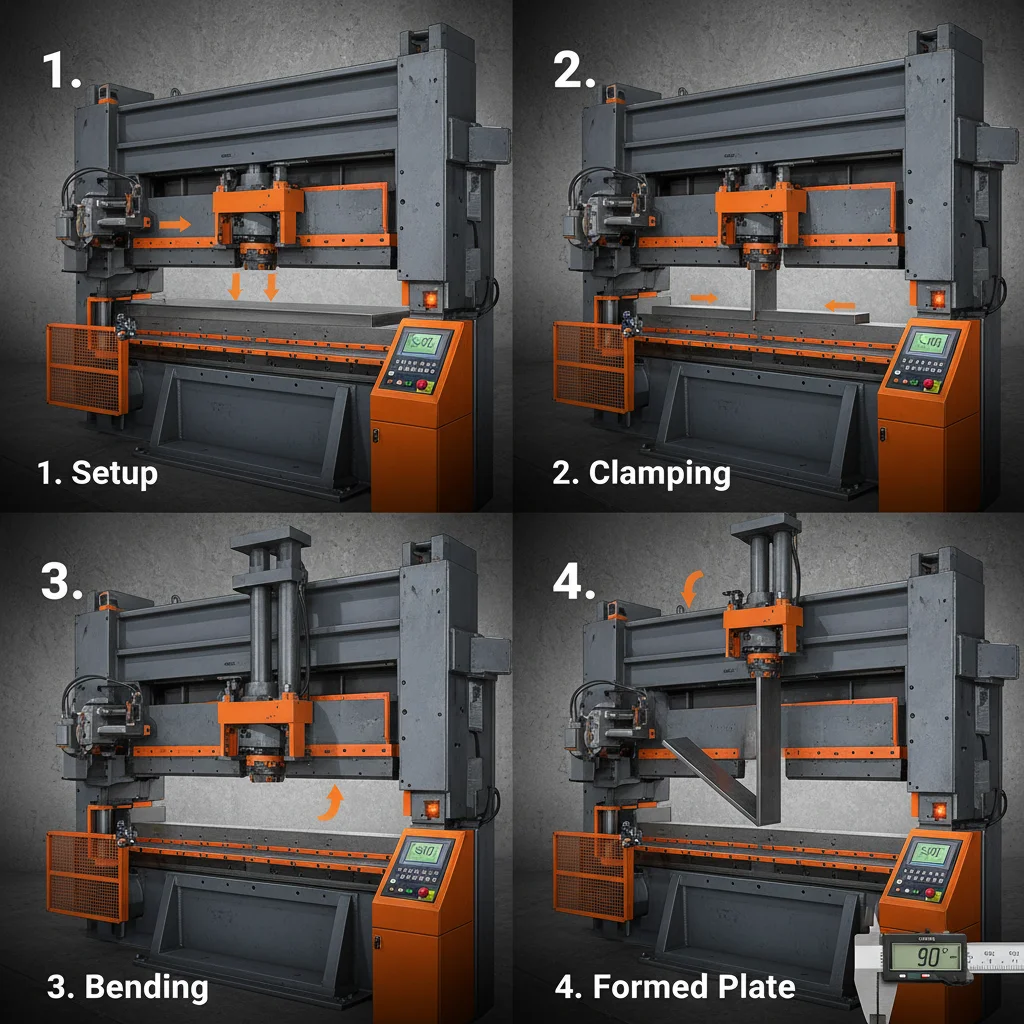
To add value to the raw material, various processing services are integrated into the production cycle. Bending, welding, decoiling, punching, and precision cutting enable the transformation of standard plate and steel into customized components, significantly reducing the on-site labor required for assembly and installation.
Surface treatment is the final critical step in ensuring longevity. Depending on the application, products undergo blasting and painting to prevent oxidation. For environments with high salinity or humidity, specialized coatings are applied to the plate and steel surface, extending the lifecycle of the structure and reducing long-term maintenance costs.
Performance Metrics for Industrial Applications
The effectiveness of plate and steel is measured by its ability to maintain structural integrity under extreme loads. High-strength alloys like Q500 and Q620 offer a higher strength-to-weight ratio, which is essential for reducing the overall dead load of a building, thereby allowing for more ambitious architectural designs and reduced foundation costs.
In automotive and heavy machinery applications, the focus shifts toward durability and vibration resistance. By using high-grade structural steel for car girders and chassis parts, manufacturers can achieve a reduction in part weight while increasing the safety margins for passengers and cargo.
Comparative Strength Ratings of Plate and Steel Grades
Global Logistics and Quality Assurance Standards
Shipping heavy-duty plate and steel requires specialized packing to prevent corrosion and deformation during transit. Standard sea-worthy packing, including waterproof paper and steel strip reinforcement, ensures that the product arrives at the destination in the same condition it left the factory, regardless of the transit distance or climatic conditions.
Quality assurance is maintained through piece-by-piece inspection in certified workshops. By adhering to national QA/QC standards and offering video inspections for clients, manufacturers build trust and transparency. This rigorous approach ensures that every shipment of plate and steel meets the precise technical drawings and sample requirements provided by the customer.
Versatile Applications in Automotive and Bridge Engineering
In the realm of transportation infrastructure, plate and steel is indispensable. For bridge construction, structural steel plates are engineered to handle dynamic loads and thermal expansion. The use of high-strength grades allows for longer spans between piers, reducing the environmental impact on riverbeds and decreasing construction time.
The automotive sector utilizes specialized steel for chassis and transmission shafts. By employing hot-rolled H-beams and reinforced plates, engineers can create frames that absorb impact energy during collisions, thereby enhancing passenger safety while optimizing the vehicle's fuel efficiency through weight reduction.
Beyond these, the shipbuilding and vessel industries rely on marine-grade plate and steel that can resist the corrosive effects of saltwater. The ability to customize the thickness and alloy composition ensures that vessels can withstand the immense hydrostatic pressure of the deep ocean.
Future Innovations in High-Strength Steel Production
The future of plate and steel is moving toward "Green Steel" and the integration of digital twin technology. By reducing carbon emissions during the smelting process and utilizing recycled scrap, the industry is aligning with global sustainability goals without sacrificing the mechanical properties of the steel.
Automation in processing services, such as AI-driven precision cutting and robotic welding, is further increasing the accuracy of customized components. This allows for "Just-in-Time" delivery of complex plate and steel assemblies, reducing waste and optimizing construction timelines.
Additionally, the development of new nano-alloying techniques is pushing the boundaries of yield strength. We are seeing the emergence of steels that offer the strength of the Q890 series but with the weldability of the Q235B series, promising a new era of efficient and durable industrial design.
Core Comparison of High-Strength Steel Application Metrics
| Steel Grade |
Primary Application |
Strength Index (1-10) |
Weldability Rating |
| Q235B |
General Building |
6 |
Excellent |
| Q345B |
Industrial Beams |
7 |
Very Good |
| Q420 |
Bridge Structures |
8 |
Good |
| Q690 |
Heavy Machinery |
9 |
Moderate |
| Q890 |
Specialized Pressure Vessel |
10 |
Requires Pre-heat |
| S690QL |
Automotive Chassis |
9 |
Good |
FAQS
Q235B is a general-purpose carbon structural steel with a lower yield strength, making it highly weldable and cost-effective for light building projects. Q345B is a low-alloy high-strength steel that offers significantly higher yield strength and better toughness, making it the preferred choice for heavy-duty industrial beams, bridges, and load-bearing structures where material reduction is desired without sacrificing safety.
Yes, we offer a comprehensive suite of processing services including bending, welding, decoiling, punching, and precision cutting. We can manufacture components based on your specific technical drawings or samples, ensuring that the final product integrates perfectly into your assembly line or construction site, thus reducing on-site labor and fabrication time.
Our quality assurance process involves piece-by-piece inspection in certified workshops according to national QA/QC standards. We adhere to international standards such as ASTM, DIN, and JIS to ensure dimensional accuracy (e.g., ±0.1mm thickness tolerance). Furthermore, we provide video inspections and official warranties to guarantee the mechanical properties of the steel.
For items in stock, we can transport goods to the loading port within 7 days of receiving the deposit. For custom production runs, the lead time typically ranges from 15 to 30 days. The exact timeline depends on the complexity of the processing services required and the total tonnage of the order.
We support flexible payment terms, typically 30% T/T as an upfront deposit with the remaining 70% balance paid before delivery, or via a sight letter of credit. For delivery, we offer various Incoterms including EXW, FOB, CIF, CFR, and DDU to accommodate the logistical needs of our global clients.
Yes, by selecting the appropriate alloy grades and applying specialized surface treatments—such as blasting and high-performance painting—our plate and steel products can be tailored for marine environments. We provide various grades that offer enhanced corrosion resistance, essential for vessels and offshore structures.
Conclusion
In summary, the strategic application of plate and steel is the cornerstone of modern industrial and architectural success. By balancing the technical specifications of grades like Q235B and Q690 with precision processing services and rigorous quality standards, manufacturers can deliver infrastructure that is not only strong and durable but also economically optimized. The integration of global standards ensures that these materials provide a reliable foundation for everything from automotive chassis to massive bridge spans.
Looking forward, the industry's shift toward sustainable production and AI-driven customization will further refine the efficiency of structural steel. For procurement managers and engineers, the key to long-term value lies in partnering with manufacturers who prioritize transparency, technical precision, and adherence to international quality benchmarks. We invite you to explore our full range of high-strength solutions to elevate your next project. Visit our website: www.baidysteel.com