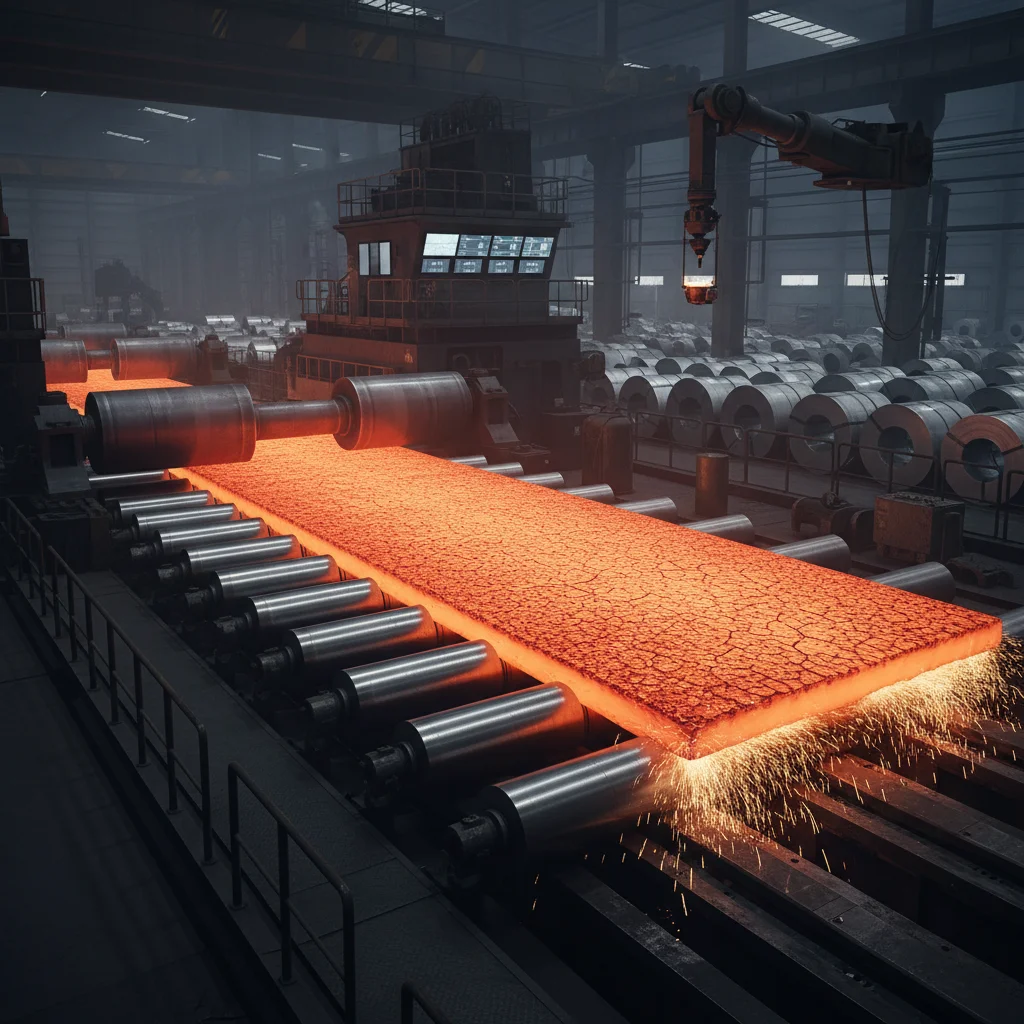
Managing heavy equipment transit across unstable terrain often leads to costly ground failure and operational delays. For procurement managers and site engineers, finding high-quality steel road plates for sale is not just about buying metal sheets, but about securing a structural solution that prevents soil compaction and ensures vehicle stability.
The effectiveness of a road plate depends heavily on its material grade and thickness, as these factors determine the load-bearing capacity and the longevity of the plate under repetitive stress. Using suboptimal materials often results in premature warping or surface cracking, which can compromise site safety and increase long-term replacement costs.
By analyzing the intersection of metallurgical properties and site-specific requirements, operators can optimize their investment. This guide examines the technical nuances of structural steel plates, helping buyers navigate the options available at www.baidysteel.com to ensure maximum operational uptime.

Analyzing the Structural Role of Road Plates in Heavy Industry

In the context of metal structure manufacturing, road plates act as temporary bridges that distribute the concentrated weight of heavy machinery over a larger surface area. This prevents the "punch-through" effect where heavy axles sink into soft earth, a common failure point in large-scale infrastructure projects.
The primary challenge in selecting the right plate is balancing weight with strength. A plate that is too thin will flex under load, potentially damaging the underlying utilities or failing suddenly, while an excessively thick plate may become too heavy for efficient deployment and transport between site locations.
Industry standards prioritize a balance of tensile strength and yield point. For most high-traffic industrial zones, structural steel plates are preferred due to their ability to absorb impact energy without permanent deformation, ensuring the site remains accessible regardless of weather conditions.
Core Engineering Specifications for High-Load Steel Plates
Technical performance is driven by the chemical composition and the rolling process of the steel. High-strength structural steel plates are typically hot-rolled to ensure a uniform grain structure, which enhances the plate's resistance to fatigue and impact loading.
Key parameters include the thickness range—often extending from 4mm to over 260mm for specialized applications—and the width and length, which must be optimized for the wheelbase of the equipment being supported. Precision machining is critical to ensure edges are safe and fitting is seamless.
Furthermore, corrosion resistance is a vital consideration. Plates exposed to saltwater or chemical runoff require specific grades or protective coatings to prevent oxidation, which can lead to pitting and a significant reduction in the load-bearing capacity over time.
Deployment Scenarios Across Construction and Maritime Logistics
Road plates are indispensable in diverse environments, from urban utility repairs to the construction of massive ship hulls and offshore platforms. In maritime settings, high-tensile structural steel like AH36 is often utilized not only for the vessel's body but also for temporary support structures on docks.
In heavy construction, these plates allow cranes and excavators to operate on mud or sand without getting bogged down. This is particularly critical during the early phases of building structural steel for bridges, where the ground is often unstable and requires immediate stabilization for heavy equipment access.
Another critical application is in the automotive structure industry, where reinforced steel sheets are used in assembly plant flooring to handle the constant movement of heavy robotic components and material transport vehicles, preventing floor cracking and maintaining a level working surface.
Measuring Load Distribution Efficiency and Material Durability
Evaluating the performance of steel road plates involves measuring the reduction in ground pressure. By shifting the load from a narrow tire contact patch to the full area of the plate, the effective pressure on the soil is reduced significantly.
Comparative data indicates that using high-strength structural steel plates markedly increases the "safe load limit" of a temporary road compared to standard unprocessed steel or aggregate fill. This efficiency directly correlates to a reduction in site preparation time and maintenance frequency.
steel road plates for sale Performance Metrics
As shown in the metrics, the integration of specialized high-strength plates improves load-to-weight ratios and extends the structural lifespan of the temporary access road, reducing the total cost of ownership for the project manager.
Procurement Strategies for Long-Term Asset Management
When searching for steel road plates for sale, procurement officers must look beyond the initial unit price. The total cost of ownership includes transport costs, the frequency of replacements due to wear, and the labor required for installation and removal.
A critical step in supplier evaluation is verifying the quality control system. Ensuring that plates meet international standards like ASTM A131 for marine applications or equivalent structural codes prevents the risk of catastrophic failure under peak loads.
It is also advisable to consider the flexibility of the supplier. Companies like Xingtai Baidy Steel Works Co., Ltd provide a diverse portfolio—from abrasion-resistant to high-strength plates—allowing buyers to mix and match specifications based on different zones of a single project site.
Future Shifts in High-Strength Alloy Steel Integration
The industry is likely to move toward more specialized alloy steels that offer higher strength-to-weight ratios. This would allow for thinner plates that can support the same loads as current heavy-gauge steel, significantly reducing logistics costs.
We may also see an increase in the adoption of advanced anti-corrosion coatings that are more environmentally friendly than traditional galvanization, specifically for plates used in protected wetlands or sensitive marine ecosystems.
Integration of digital tracking (RFID) within structural plates could become a standard for large fleets, allowing companies to monitor the deployment, wear cycle, and location of their assets across multiple global project sites in real-time.
Selection Matrix for Different Industrial Load Requirements
Choosing the correct steel grade requires a clear understanding of the intended application. A plate designed for a temporary pedestrian walkway has entirely different requirements than one designed for a 10,000-ton ship hull support platform.
The following matrix provides a decision-making framework for matching the plate type to the operational environment and expected load.
| Application Type | Recommended Steel Grade | Key Performance Driver | Maintenance Focus | Standard Structural Steel | Cost-to-Weight Ratio | Surface Rust Control | High-Strength Steel Plate | Yield Strength | Deformation Check | AH32 / DH36 Marine Grade | Corrosion Resistance | Oxidation Monitoring | Abrasion Resistant Plate | Surface Hardness | Wear Depth Measurement | Structural Steel for Bridge | Fatigue Resistance | Weld Integrity Scan | Cold Rolled / Galvanized | Precision Flatness | Coating Adhesion |
|---|
By utilizing this matrix, project managers can ensure they are not over-specifying—which wastes budget—nor under-specifying, which risks site safety. Detailed specifications for these categories are available through www.baidysteel.com.
Frequently Asked Questions
Conclusion
Selecting the right structural steel plates is a strategic decision that balances immediate project needs with long-term asset durability. By focusing on yield strength, corrosion resistance, and accurate load distribution, companies can significantly reduce operational risks and site maintenance costs.
For those evaluating high-performance materials for their next project, reviewing the comprehensive range of structural and shipbuilding steel available at www.baidysteel.com can provide the technical foundation needed to ensure structural integrity and operational efficiency.