Hit enter to search or ESC to close
16 October 2025
If you’re hunting for a high-strength bridge plate that welders don’t complain about and inspectors actually nod at, start with q420 steel. To be honest, the name sounds dry; on site, it’s the material folks reach for when span weights need trimming without sacrificing safety margins.
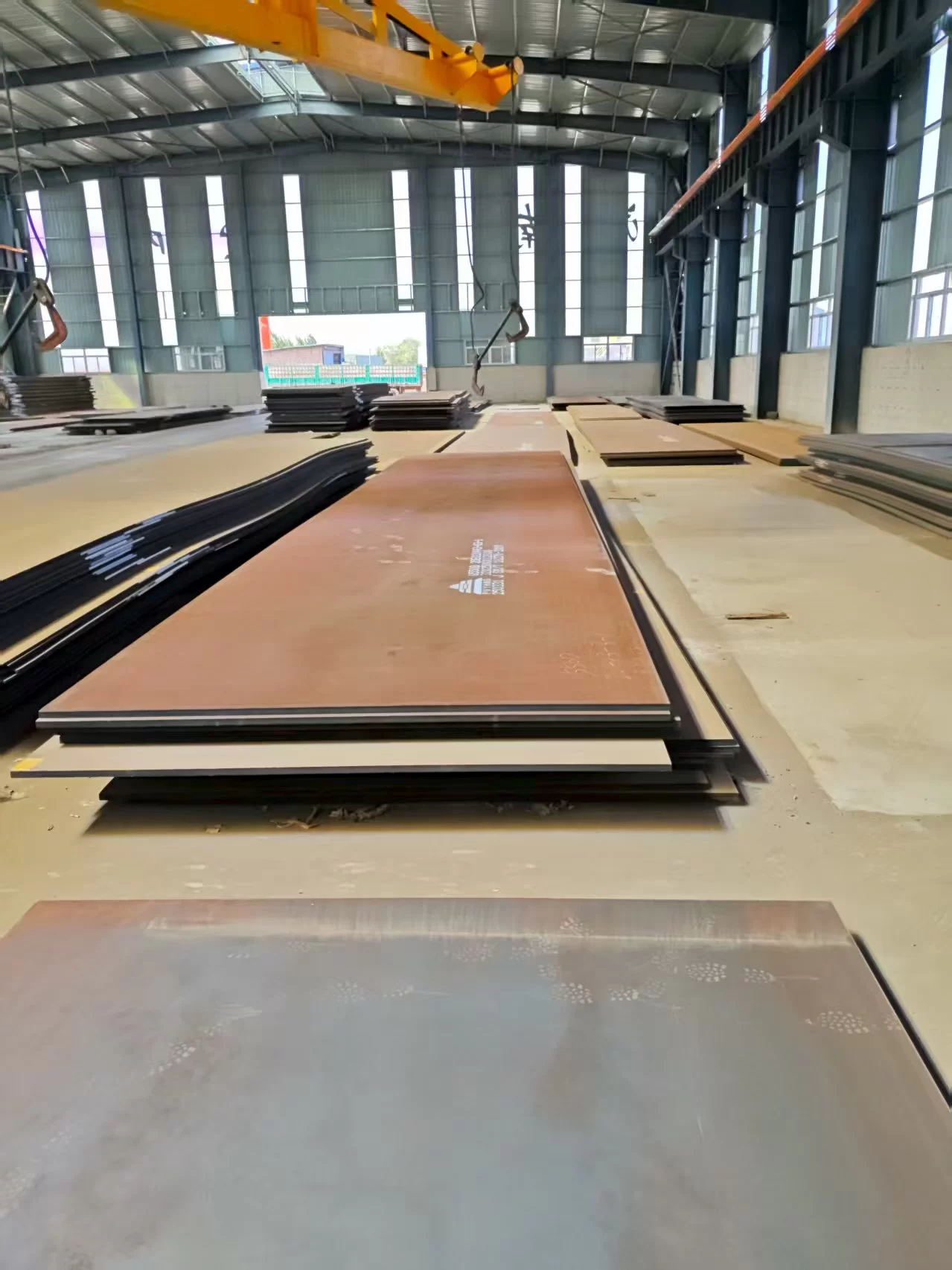
Infrastructure owners are pushing for lighter superstructures, faster assembly, and measurable lifecycle gains. It seems that TMCP and controlled-rolled bridge plates (think q420 steel) are displacing older mild grades, especially where cold climates or fatigue details govern. Surprisingly, procurement teams now rank mill traceability and 3.2 certs almost as high as price.
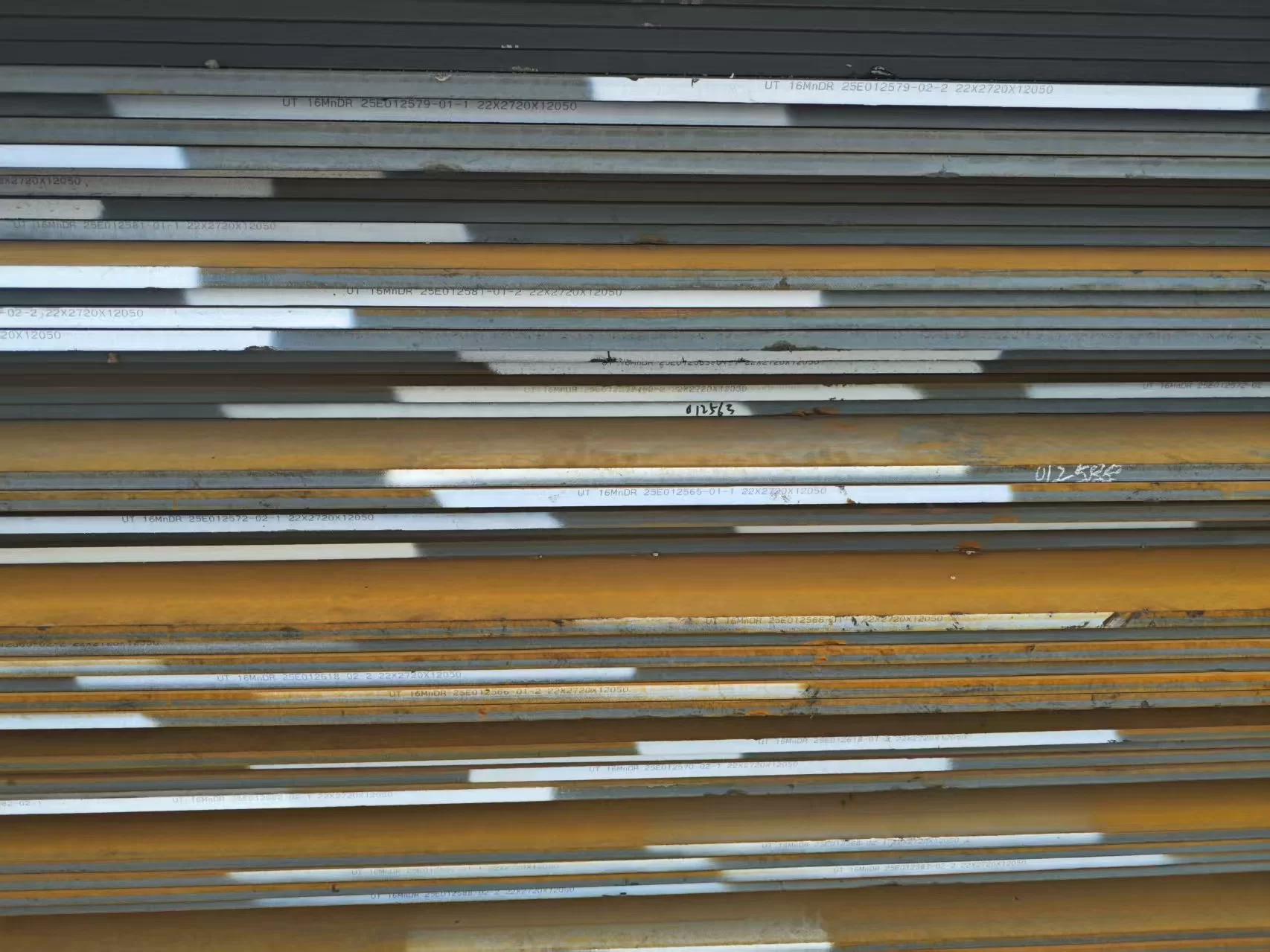
| Item | Spec (≈, typical) |
|---|---|
| Grade | q420 steel (Q420q D/E for -20°C/-40°C impact) |
| Yield / Tensile | ≥420 MPa yield; 520–680 MPa UTS, thickness dependent |
| Elongation | ≥17% (gauge and thickness dependent) |
| Charpy V-notch | ≥27–47 J at -20°C (D) / -40°C (E) |
| Sizes | 6–100 mm thick; 900–4800 mm wide; 3000–25000 mm long |
| Standards | GB/T, ISO, EN, ASTM/AASHTO equivalents where specified |
| Shapes | Plate; profiles (H/I-beam, channel, angle) on request |
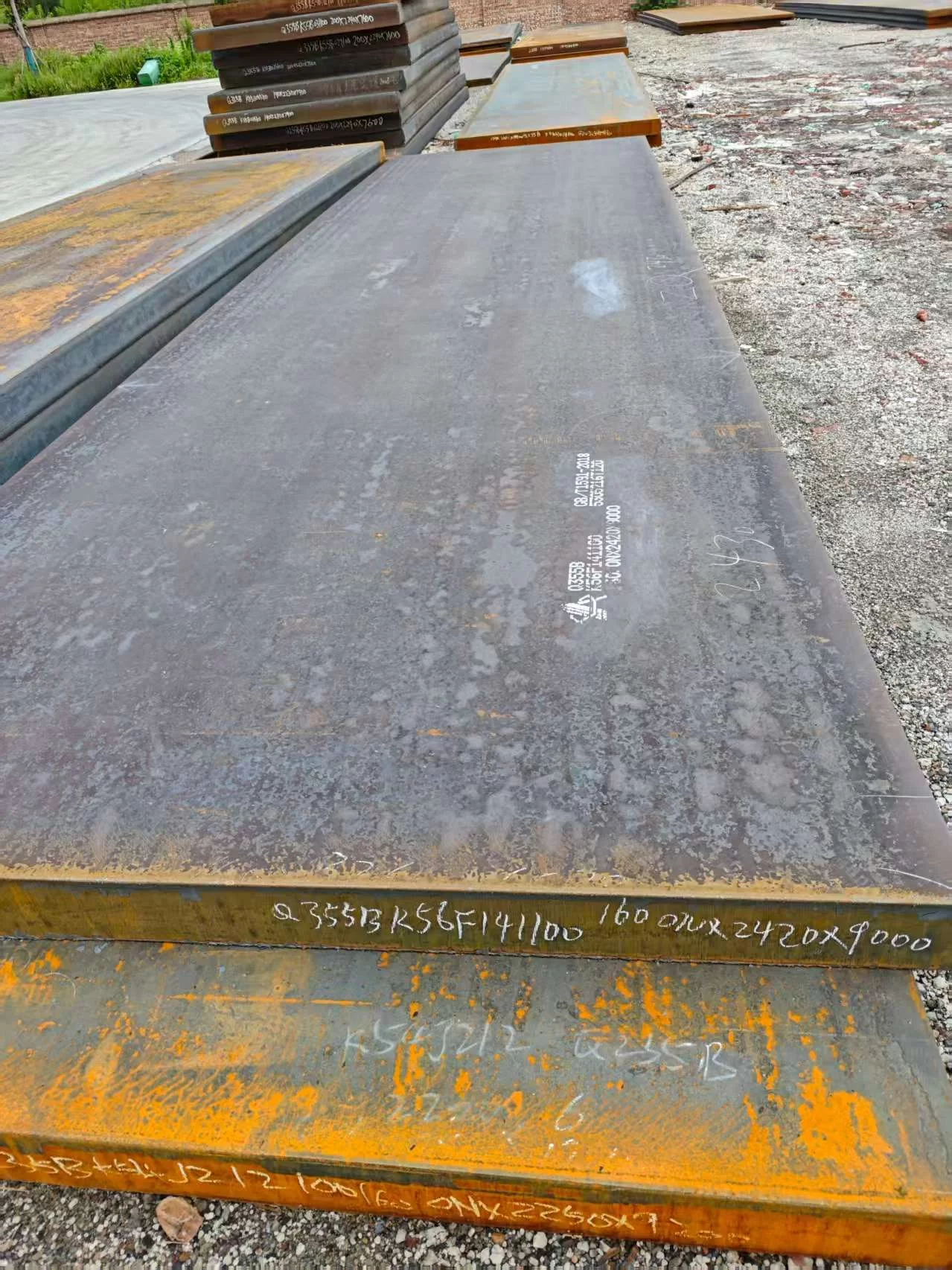
Highway and railway bridges (girders, orthotropic decks), long-span arch ribs, cable-stayed pylons, seismic retrofit plate work, heavy temporary works. Fabricators tell me q420 steel hits a sweet spot: lighter than Q345 classes, but still friendly to weld (preheat, sure; drama, no).
| Vendor | What stands out |
|---|---|
| Baidy Steel (Hebei, ROOM 1616, Shoujing E-World, Xindu District, Xingtai) | Bridge-grade focus; 6–100 mm range; 15–21 day delivery; EN 10204 3.1/3.2 MTC; UT to EN 10160; custom lengths |
| Integrated Mill A | TMCP plate with in-house blast/prime; stricter minimum order quantities |
| Trading House B | Fast spot allocations; mixed origin; check certs closely |
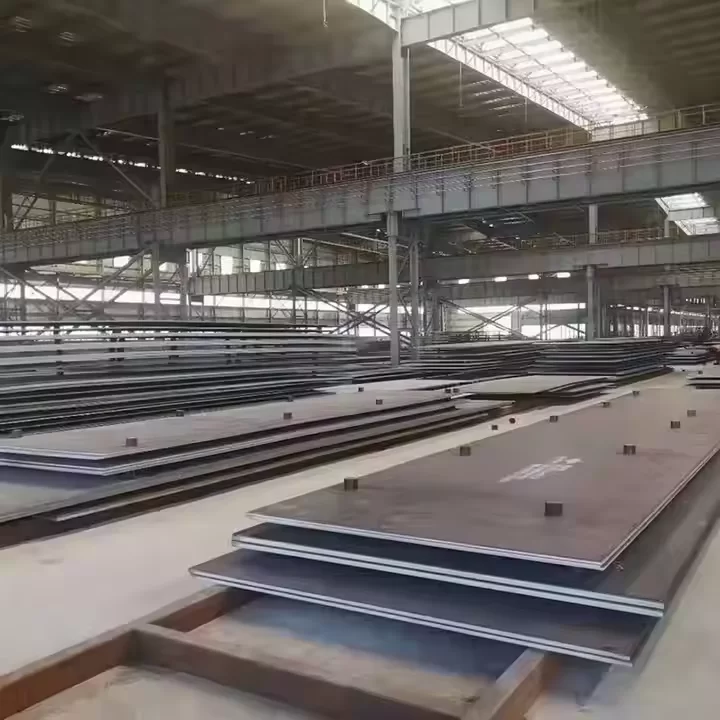
- Provincial arch bridge: switching to q420 steel trimmed main rib weight ≈8%, enabling smaller cranes.
- Urban cable-stayed: D/E class plate met -40°C impact per spec; overnight weld repairs dropped noticeably, according to site QC.
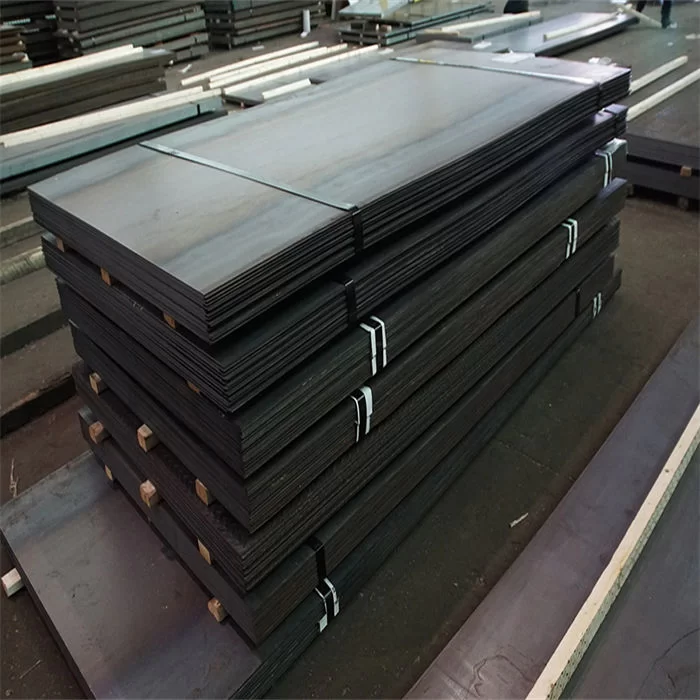
Weight reduction without exotic metallurgy, reliable toughness in cold weather, and decent weldability. Many customers say the real win is schedule certainty: fewer re-tests, fewer surprises.
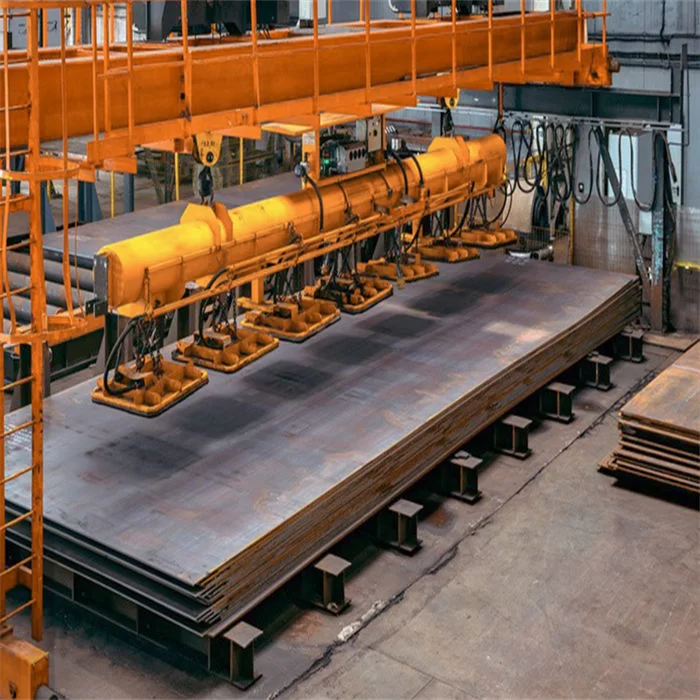
GB/T 714 for bridge plates, ISO 6892-1 for tensile, GB/T 229 for Charpy, EN 10160 for UT, ASTM A709 and EN 10025-6 as common cross-references. Always match the project spec; equivalence isn’t automatic.