Hit enter to search or ESC to close
21 November 2025
In the vast landscape of industrial materials, the low carbon steel sheet stands as an unsung hero, underpinning countless modern innovations and essential infrastructure. Renowned for its exceptional balance of strength, formability, and cost-effectiveness, this material is far more ubiquitous and critical than often recognized. Comprising less than 0.25% carbon by weight, low carbon steel exhibits remarkable ductility and weldability, making it the preferred choice for applications demanding intricate shaping and robust joining. From automotive chassis components that require precise stamping to construction elements designed for longevity and structural integrity, its adaptability is unmatched. The global market for low carbon steel is projected to reach approximately $950 billion by 2027, driven by burgeoning demand in infrastructure development, consumer goods manufacturing, and renewable energy sectors. This growth trajectory isn't merely about volume; it reflects a continuous evolution in processing techniques and application diversity. Businesses seeking materials that offer both economic viability and superior performance find an unparalleled ally in low carbon steel sheet, capable of meeting stringent specifications without compromising on ease of fabrication. Its inherent properties allow for complex designs and high-volume production, directly contributing to streamlined manufacturing processes and reduced overall project costs.
The technical superiority of low carbon steel stems directly from its carefully controlled chemical composition and microstructure. Its minimal carbon content bestows a crystalline structure predominantly composed of ferrite, endowing it with outstanding plasticity and elongation capabilities, typically ranging from 25% to 40%. This exceptional ductility allows for severe cold forming operations, such as deep drawing and bending, without the risk of cracking—a critical advantage in manufacturing complex parts. Furthermore, its excellent weldability, often without the need for pre-heating, significantly reduces fabrication time and associated energy costs in assembly lines. Low carbon steel typically boasts a yield strength between 170 MPa and 350 MPa and a tensile strength from 270 MPa to 500 MPa, providing a robust foundation for structural applications while remaining highly workable. Surface treatments, such as galvanizing or painting, adhere exceptionally well, offering enhanced corrosion resistance and aesthetic finishes, extending the material's lifespan in harsh environments. The uniform grain structure resulting from controlled rolling processes minimizes internal stresses, contributing to consistent performance and predictable mechanical behavior across large batches. Moreover, advancements in steelmaking have led to ultra-low carbon (ULC) and interstitial-free (IF) steels, pushing the boundaries of formability even further, enabling manufacturers to produce increasingly intricate and lightweight components. These technical advantages translate directly into manufacturing efficiencies, superior product quality, and enhanced safety for end-users across diverse industries.
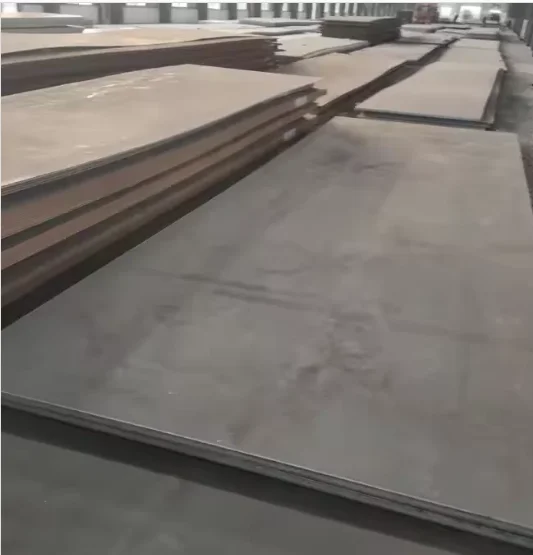
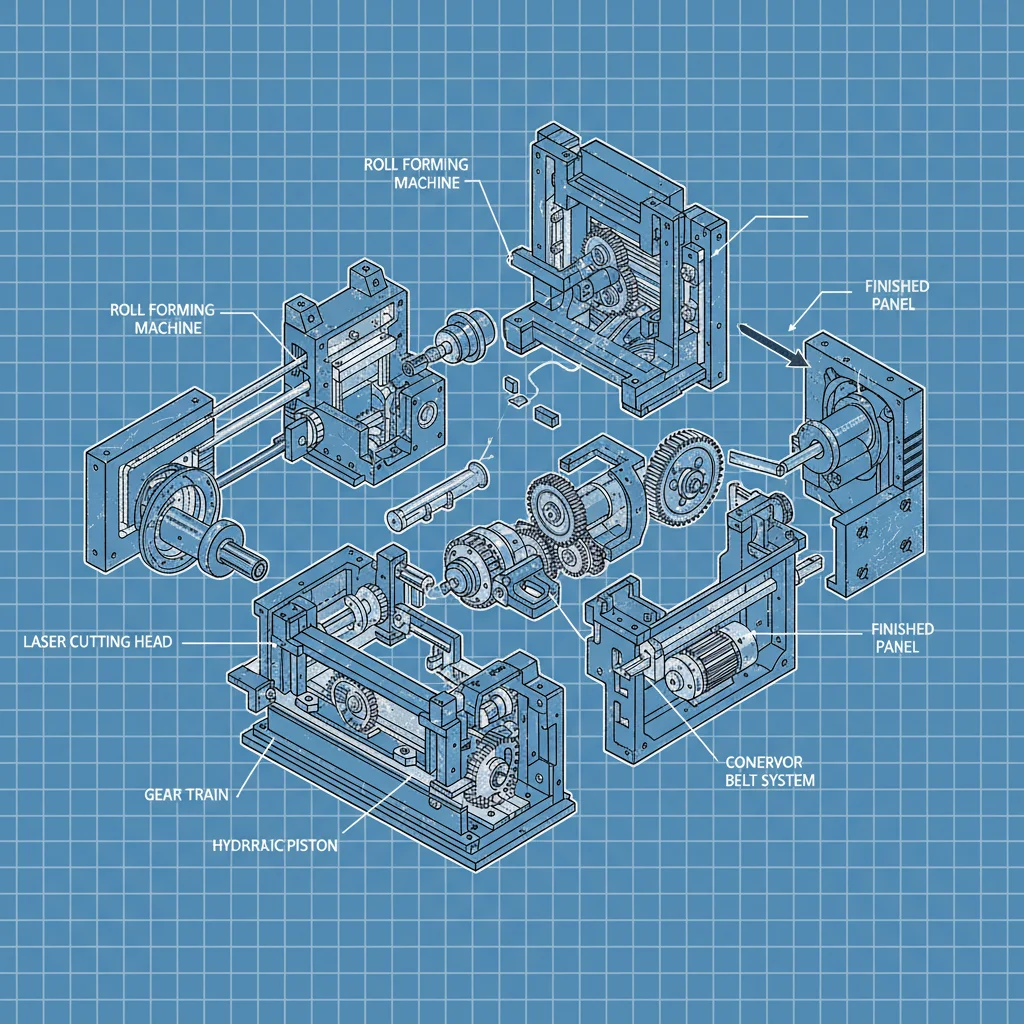
The inherent versatility of low carbon steel sheet is further amplified by a spectrum of advanced fabrication and processing techniques. Cold rolling is a cornerstone method, where steel is processed below its recrystallization temperature, resulting in improved surface finish, enhanced strength, and tighter dimensional tolerances. This process is crucial for applications demanding precision and aesthetic appeal. Hot rolling, conversely, involves processing at high temperatures, yielding steel with good formability and lower cost, often used for structural components where surface finish is less critical. For intricate geometries, laser cutting offers unparalleled precision and minimal material waste, handling sheet thicknesses with exceptional accuracy. Stamping and deep drawing techniques leverage low carbon steel’s ductility to create complex three-dimensional forms from flat sheets, pivotal for automotive body panels and appliance casings. Welding, whether MIG, TIG, or resistance welding, is facilitated by the material’s low carbon content, ensuring strong, reliable joints with minimal heat-affected zone issues. Annealing treatments are frequently applied to restore ductility after cold working, making the steel softer and more workable for subsequent forming operations. Furthermore, modern roll forming technology allows for continuous shaping of long components with uniform cross-sections, optimizing production for profiles used in construction and framing. These diverse processing capabilities underscore why low carbon steel remains a foundational material, adaptable to both high-volume standardized production and highly specialized, intricate manufacturing demands.
Selecting the right manufacturer for low carbon steel sheet is a critical decision that impacts project timelines, quality, and overall cost-effectiveness. The market is populated by numerous suppliers, each with varying capabilities in terms of production volume, customization options, and adherence to international standards. When evaluating potential partners, key factors include their certifications (e.g., ISO 9001, ASTM, EN), their capacity for specific grades and dimensions, and their logistical efficiency. A manufacturer's ability to provide precise thickness, width, and length tolerances is paramount for consistent product quality and seamless integration into automated production lines. Moreover, understanding their quality control processes, from raw material inspection to final product testing, can mitigate risks associated with material defects. Below is a comparative overview of several hypothetical manufacturers, highlighting key differentiators in their offerings for low carbon steel sheets:
Manufacturer | Primary Focus | Typical Grades Offered | Max Sheet Width (mm) | Min Sheet Thickness (mm) | Customization Level | Certifications |
Global Metals Co. | High-Volume Standard Grades | SAE 1006, DC01 | 2000 | 0.4 | Moderate (Standard Sizes) | ISO 9001, ASTM A1008 |
Precision Alloys Inc. | Specialty & Ultra-Thin | IF Grades, DDQ | 1500 | 0.18 | High (Specific Alloys/Sizes) | ISO 9001, IATF 16949 |
Industrial Steel Solutions | Structural & Coated | SAE 1008, Galvanized | 2200 | 0.5 | Moderate (Coating Options) | ISO 9001, EN 10130 |
Advanced Materials Group | Automotive & Appliances | DQ, EDDQ | 1800 | 0.25 | Very High (Tailored for Stamping) | IATF 16949, VDA 6.3 |
Each manufacturer brings distinct advantages, from broad logistical reach to highly specialized technical expertise. Identifying a partner whose capabilities align precisely with project demands ensures not only material quality but also supply chain reliability and cost efficiency.
The inherent versatility of low carbon steel sheet is significantly enhanced by the availability of extensive customization options, allowing manufacturers to meet highly specific industrial demands. Beyond standard gauges and dimensions, bespoke solutions can be engineered to optimize performance for unique applications. This includes specifying particular chemical compositions within the low carbon range to fine-tune properties such as weldability, formability, or magnetic permeability. For instance, in applications requiring superior deep drawing capabilities, interstitial-free (IF) grades can be tailored to minimize inclusions and maximize ductility. Surface finishes are another critical area of customization; options range from various roughness levels for painting and coating adhesion to specialized treatments for aesthetic purposes or enhanced wear resistance. Customers can often specify preferred surface treatments like oiling, galvanizing (hot-dip or electro-galvanized), or phosphating, each offering distinct protective or preparatory benefits. Furthermore, precise edge conditions, such as slit edges for narrow strips or deburred edges for safety-critical components, can be defined to streamline downstream manufacturing processes. For projects with stringent quality requirements, suppliers can implement advanced testing protocols, including ultrasonic testing for internal flaws or specialized mechanical property tests tailored to specific stress conditions. Engaging in early collaboration with a capable manufacturer allows for the development of highly optimized low carbon steel sheet specifications, ensuring the material performs exactly as required, reducing waste, and improving the overall efficiency and lifespan of the final product.
The widespread adoption of low carbon steel sheet across virtually every industrial sector is a testament to its indispensable value and adaptability. In the automotive industry, it forms the backbone of vehicle construction, from stamped body panels and structural frames to internal components, chosen for its excellent formability, crash energy absorption, and weldability. For example, a typical sedan utilizes approximately 400-500 kg of low carbon steel for its chassis and body-in-white, contributing significantly to both safety and fuel efficiency through lightweighting efforts. The construction sector relies heavily on low carbon steel for roofing, cladding, structural components, and non-load-bearing elements, valued for its ease of fabrication, durability, and compatibility with various coatings for weather resistance. Annually, over 50 million tons of low carbon steel are consumed in building and infrastructure projects globally. In the appliance manufacturing industry, everything from refrigerator casings and washing machine drums to microwave ovens leverages low carbon steel’s ability to be deep drawn and finished with durable coatings, combining aesthetic appeal with long-term functionality. Its cost-effectiveness makes it ideal for mass production of consumer goods. Beyond these, low carbon steel sheets are crucial in the production of pipes and tubes, electrical enclosures, furniture, agricultural equipment, and even intricate medical devices where specific formability is required. The material’s ability to be recycled endlessly without significant degradation further enhances its appeal, contributing to a circular economy and supporting sustainable manufacturing practices across its myriad applications.
As industries continue to evolve, the demand for materials that offer a harmonious blend of performance, sustainability, and economic viability remains paramount. The low carbon steel sheet, with its unparalleled versatility and continuous advancements in metallurgical science, is perfectly positioned to meet these future challenges. Its robust mechanical properties, exceptional workability, and capacity for advanced customization ensure it remains a cornerstone material for diverse applications, from critical infrastructure to innovative consumer products. Investing in high-quality low carbon steel sheet from reputable manufacturers provides not only immediate operational benefits through streamlined production but also long-term advantages in product longevity and reliability. With global markets increasingly prioritizing sustainable practices, the high recyclability of low carbon steel underscores its environmental credentials, aligning with modern corporate responsibility goals. By carefully evaluating technical specifications, leveraging advanced processing techniques, and partnering with experienced suppliers, businesses can unlock the full potential of this essential material. Ultimately, making informed decisions about your low carbon steel sheet procurement is not just about meeting current project requirements; it’s about strategically future-proofing your operations and ensuring sustained innovation and success in a competitive global landscape.
Q1: What is the primary difference between low carbon steel and high carbon steel?
A1: The primary difference lies in their carbon content. Low carbon steel typically contains less than 0.25% carbon, making it highly ductile, easily formable, and weldable. High carbon steel, with over 0.60% carbon, is much harder and stronger but significantly less ductile and more difficult to weld, often used for tools and springs.
Q2: What are the typical applications where low carbon steel sheet excels?
A2: Low carbon steel sheet excels in applications requiring good formability, weldability, and moderate strength. Common uses include automotive body panels, appliance casings, construction components (e.g., roofing, wall panels), various types of pipes and tubes, and general fabrication projects.
Q3: Can low carbon steel sheet be easily welded?
A3: Yes, low carbon steel is known for its excellent weldability. Its low carbon content minimizes the formation of brittle phases in the heat-affected zone, allowing for strong, reliable welds without extensive pre-heating or post-weld heat treatment in most cases.
Q4: How does low carbon steel sheet compare in terms of corrosion resistance?
A4: In its untreated state, low carbon steel has moderate corrosion resistance and will rust if exposed to moisture and oxygen. However, its surface readily accepts protective coatings like galvanization, painting, or powder coating, which significantly enhance its corrosion resistance for use in demanding environments.
Q5: What are the common methods used to form low carbon steel sheets?
A5: Common forming methods include stamping, deep drawing, bending, roll forming, and shearing. Its high ductility and malleability make it ideal for these processes, allowing for the creation of complex shapes with minimal risk of cracking.
Q6: Is low carbon steel sheet a sustainable material?
A6: Yes, low carbon steel is highly sustainable. It is 100% recyclable, and its excellent magnetic properties allow it to be easily separated from other waste streams for reprocessing. Recycling steel significantly reduces energy consumption and greenhouse gas emissions compared to producing new steel from virgin raw materials.
Q7: What industry standards are typically referenced for low carbon steel sheet?
A7: Common industry standards include ASTM A1008/A1008M (for cold-rolled sheet), ASTM A36 (for structural quality plates and bars), and various EN (European Norm) standards such such as EN 10130 (for cold-rolled low carbon steel flat products for cold forming) and EN 10025 (for hot-rolled structural steel products). These standards define chemical composition, mechanical properties, and dimensional tolerances.