Understanding the 6mm Steel Plate Price: Why It Matters Globally
If you’ve ever dealt with construction, manufacturing, or industrial engineering, chances are you’re somewhat familiar with steel plates. Specifically, the 6mm steel plate price holds significant sway in many sectors worldwide — from shipbuilding to bridge construction. But why should a price point matter so much? Well, steel acts as a backbone of modern infrastructure, and knowing the cost of such a standard thickness helps businesses predict budgets, evaluate quality, and stay competitive globally.
Beyond commercial concerns, steel plate pricing also has humanitarian implications. Think about disaster relief or remote development projects where durable materials like 6mm-thick steel are essential but must be affordable and accessible. So, understanding its pricing isn’t just about numbers — it’s about the logistics and availability that underpin modern society.
Mini Takeaway:
The 6mm steel plate price is more than a financial figure; it reflects global supply chains, material engineering, and the balance between affordability and durability essential for numerous industries worldwide.
Global Context: The Steel Plate Pricing Challenge
Steel remains one of the most traded commodities worldwide. According to the World Steel Association, global crude steel production exceeded 1.8 billion tonnes in 2023, with flat steel products (including plates) making up a significant share. Pricing fluctuations for something as specific as a 6mm steel plate ripple through countless industries — from automotive plants in Europe to oil rigs in the Gulf.
One challenge is that steel prices are influenced by raw material costs (like iron ore and coal), energy prices, geopolitical tensions (tariffs, trade wars), and environmental policies pushing for greener production. This means the 6mm steel plate price varies regionally and seasonally, complicating procurement strategies.
To add, industrial sectors focused on repairing aging infrastructure or constructing new green energy plants look closely at steel plate costs. And frankly, budgeting without a clear idea of these prices can lead to project delays or overspending.
Defining the 6mm Steel Plate Price
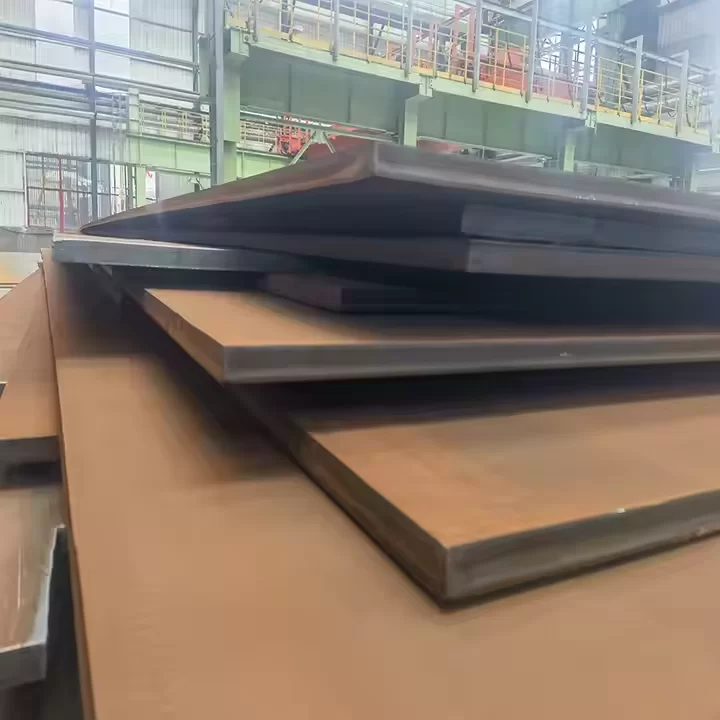
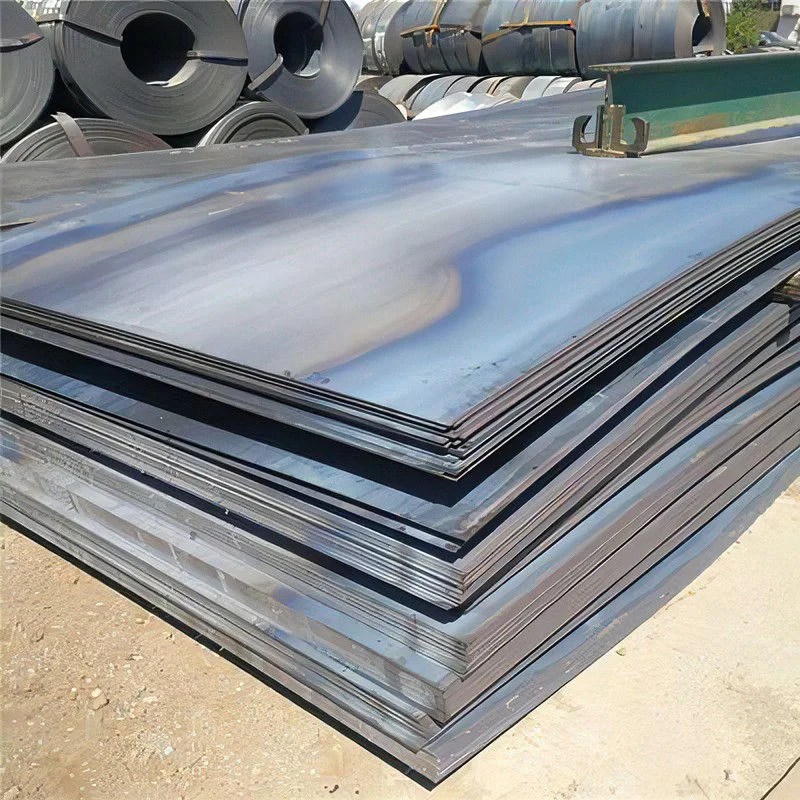
Simply put, the 6mm steel plate price is the cost per unit (usually per metric ton or per square meter) of steel sheet that is 6 millimeters thick. This thickness is a popular middle ground; it’s thick enough to offer durability and load-bearing capability, yet still somewhat flexible in fabrication processes.
Many construction companies, shipbuilders, and equipment manufacturers rely on this exact specification. It’s also widely used in sectors requiring corrosion resistance and impact durability, especially if the plate is treated or coated.
Think of it as the sweet spot in steel thickness — not so thin that it buckles, not so thick that it becomes prohibitively heavy or expensive. The price ties directly to the metallurgical quality, steel grade (like carbon or alloy steel), and finishing process.
Key Factors Affecting the 6mm Steel Plate Price
1. Raw Material Costs
Iron ore prices dictate most of the steel price fluctuations. When ore prices climb, so do steel plates, and the other way around. This direct link can be volatile depending on mining outputs and global demand.
2. Manufacturing Process & Quality
Steel plates undergo melting, rolling, and sometimes heat treatments. Higher quality or specialty grades increase costs. Plus, finishes like galvanized or weather-resistant coatings impact the final price.
3. Thickness & Dimensions
While this article zeroes in on 6mm thickness, factors like length and width also come into play. Larger plates or custom sizes usually command premiums.
4. Shipping & Supply Chain
Dense, heavy steel is expensive to ship. Production location relative to the buyer can greatly influence costs, especially when tariffs or customs duties are involved.
5. Market Demand & Seasonality
Demand from booming construction sectors or infrastructure stimulus spending often pushes prices up. Conversely, slowdowns reduce prices.
6. Environmental Regulations
Policies encouraging greener steel production add to manufacturing expenses, which trickle down to the consumer price. But this sometimes means a better-quality, sustainable product long-term.
Mini Takeaway:
The 6mm steel plate price varies based on many factors — from raw materials to environmental concerns — meaning savvy buyers need to keep an eye on more than just base costs.
6mm Steel Plate Specifications at a Glance
| Specification |
Typical Range / Value |
Comments |
| Thickness |
6 mm (+/- 0.2mm) |
Standard industrial tolerance |
| Material Type |
Carbon steel, alloy steel, stainless steel |
Common grades: A36, Q235, or equivalent |
| Surface Finish |
Hot rolled, cold rolled, galvanized |
Based on corrosion and finishing needs |
| Dimensions (Width/Length) |
Typically 1500mm - 3000mm wide; 6000mm+ length |
Custom sizes available at cost |
| Weight |
~47.1 kg per sqm |
Calculated as thickness x density (7850 kg/m3) |
Who Uses 6mm Steel Plates Worldwide?
This thickness finds its way into a surprising variety of applications:
- Construction & Infrastructure: Bridges, building frameworks, and reinforced flooring often require sturdy 6mm plates.
- Shipbuilding & Offshore: Oil rigs and cargo vessels utilize steel plates to withstand sea stress and corrosion.
- Manufacturing: Heavy machinery components, automotive chassis parts, and equipment bases often rely on this thickness.
- Humanitarian Relief: Temporary shelters and transport boxes — places where durability meets quick deployment.
- Energy: Wind turbine bases and solar panel framing increasingly use steel plates designed for longevity and strength.
Regions rapidly industrializing — like Southeast Asia and parts of Africa — are big consumers, juggling cost pressures with quality demands. Oddly enough, sometimes the lowest price isn’t best, especially when durability and maintenance factor in.
Comparing Top Vendors for 6mm Steel Plates
| Vendor |
Price per Ton (USD) |
Lead Time |
Quality Certifications |
Shipping Options |
| Baidy Steel |
$650 - $720 |
2-3 weeks |
ISO 9001, CE |
Global sea freight, express |
| GlobalSteel Co. |
$670 - $730 |
3-4 weeks |
ISO 14001, CE |
Sea, Rail |
| BuildIron Ltd. |
$630 - $700 |
1-2 weeks |
ISO 9001 |
Limited ports, express available |
Advantages & Long-Term Value of Choosing the Right 6mm Steel Plate
When you buy a quality 6mm steel plate, you’re investing in more than just raw material — you’re prioritizing safety, innovation, and reliability. The right steel thickness offers balance; it’s thick enough to support structural integrity without excessive weight, meaning reduced transportation costs and easier handling on site.
Sustainability-wise, many steel producers are adopting recycled inputs and greener manufacturing, which can reduce environmental footprints by up to 30%. This means a modern 6mm steel plate doesn’t just carry physical loads — it shoulders corporate social responsibility efforts too.
From an emotional standpoint, clients often report peace of mind knowing their projects rest on dependable materials — and frankly, that trust can make or break long-term partnerships.
Looking Ahead: Future Trends in Steel Plate Pricing and Use
To me, what’s exciting is the looming impact of digital transformation and material science on steel plate markets. Automation in steel mills is reducing labor costs, while sensor-driven quality testing ensures more consistent batches.
Also, expectations for environmental compliance push manufacturers to explore hydrogen-based steelmaking, which could one day alter pricing dynamics — potentially raising short-term costs but revolutionizing steel’s carbon footprint.
Other innovations include composite materials replacing or reinforcing steel plates, plus blockchain technology for provenance tracking, making supply chains more transparent and fair.
Challenges Faced & Innovative Solutions
One major issue is price volatility — sudden spikes can stall projects and frustrate procurement teams. Solutions include longer-term contracts, price hedging, and sourcing from multiple suppliers.
Transportation bottlenecks remain another headache. Oddly, sometimes a cheap steel plate ends up costing more due to delays and damage risks in transit. Here, better packaging and multimodal logistics are making a difference.
FAQ: Frequently Asked Questions About 6mm Steel Plate Price
- Q1: How does the 6mm steel plate price compare to thinner or thicker plates?
- A: Typically, thinner plates cost less per ton, but may require more layers or supports, raising overall costs. Thicker plates are pricier but may reduce long-term maintenance. The 6mm thickness balances cost and strength efficiently.
- Q2: Are there bulk discounts when buying 6mm steel plates?
- A: Most suppliers offer volume pricing based on quantity and repeat business. Ordering directly from mills or through trusted distributors like Baidy Steel often improves pricing and lead times.
- Q3: Can 6mm steel plates be customized for specific projects?
- A: Yes, customization in size, grade, and finish is standard. However, customized products may increase the 6mm steel plate price slightly due to altered production processes.
- Q4: How do international tariffs impact 6mm steel plate pricing?
- A: Tariffs vary by country and trade agreements. They can add significant cost to imported steel plates, so sourcing locally or from tariff-free zones reduces price risk.
- Q5: Is the 6mm steel plate price stable enough for long-term project planning?
- A: While prices fluctuate seasonally and due to supply chain issues, monitoring market trends and locking in contracts help manage risk for extended projects.
Final Thoughts & Next Steps
To wrap it up, understanding the 6mm steel plate price is key to balancing quality, cost, and delivery in countless global projects. In real terms, it’s about making informed choices that affect everything from budget accuracy to project longevity and sustainability credentials.
If you’re sourcing steel plates soon, consider not only price but also supplier reliability, certifications, and logistics support — it pays to be thorough. For the best combination of price and quality, check out reliable vendors such as Baidy Steel and keep an eye on evolving market trends.
Ready to make smarter purchasing decisions? Visit https://www.baidysteel.com for competitive quotes, updated pricing, and expert consultations.
References:
- World Steel Association – Global Steel Data
- Steel – Wikipedia
- ISO Standards in Steel Production