Understanding Galvanized Mild Steel Sheet: Backbone of Modern Industry
Globally, galvanized mild steel sheet is a silent workhorse—its importance often underrated but in many ways foundational to infrastructure, manufacturing, and even humanitarian logistics. If you’ve ever noticed the corrugated roofs in rural areas or the sleek frames of modern appliances, galvanized steel likely played a part. But why does this matter worldwide? The answer lies in durability, cost efficiency, and adaptability—all critical in a world facing climate challenges, urbanization, and resource scarcity.
For engineers, policymakers, or even curious minds, grasping what galvanized mild steel sheet entails brings insights into building safer, longer-lasting structures that demand less maintenance and waste. Plus, understanding its scope helps industries pivot toward sustainability without sacrificing performance.
Steel in the Global Context: A Snapshot
According to the World Steel Association, over 1.8 billion tonnes of steel were produced globally in 2023, with mild steel forms comprising a large share.1 Galvanizing, typically a zinc coating process, extends steel's lifespan, combating corrosion which accounts for billions in global infrastructure repair costs annually.2 For industries spanning construction to transportation and humanitarian shelters, galvanized mild steel's resilience makes it indispensable.
Oddly enough, despite its ubiquity, many supply chains still grapple with corrosion-induced failures that galvanized sheets could help prevent. This creates an urgent challenge—and opportunity—for businesses to adopt better materials and processes.
What Exactly is a Galvanized Mild Steel Sheet?
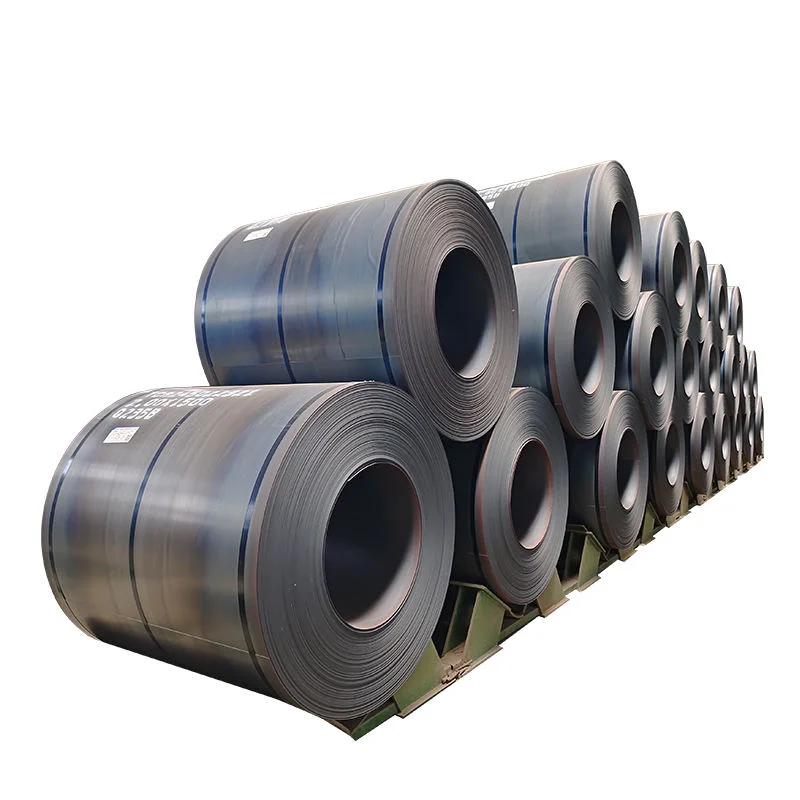
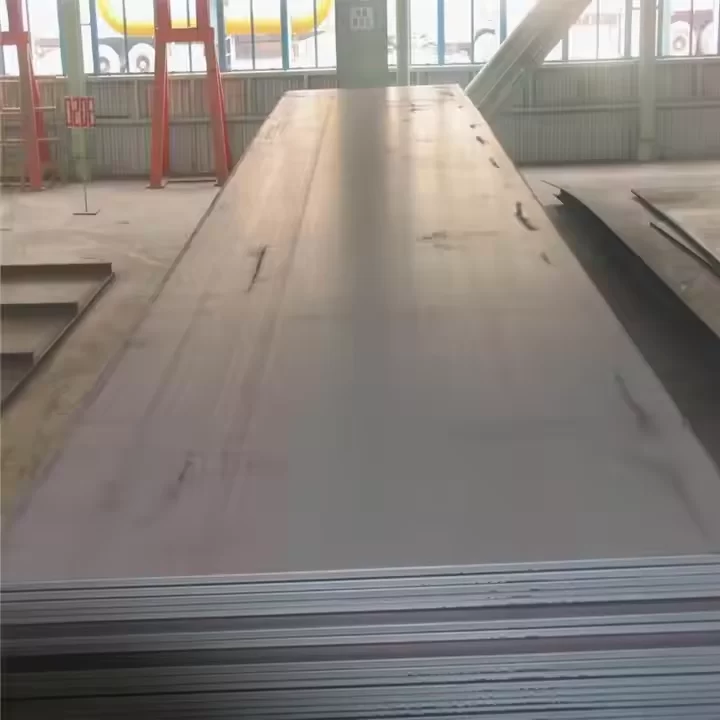
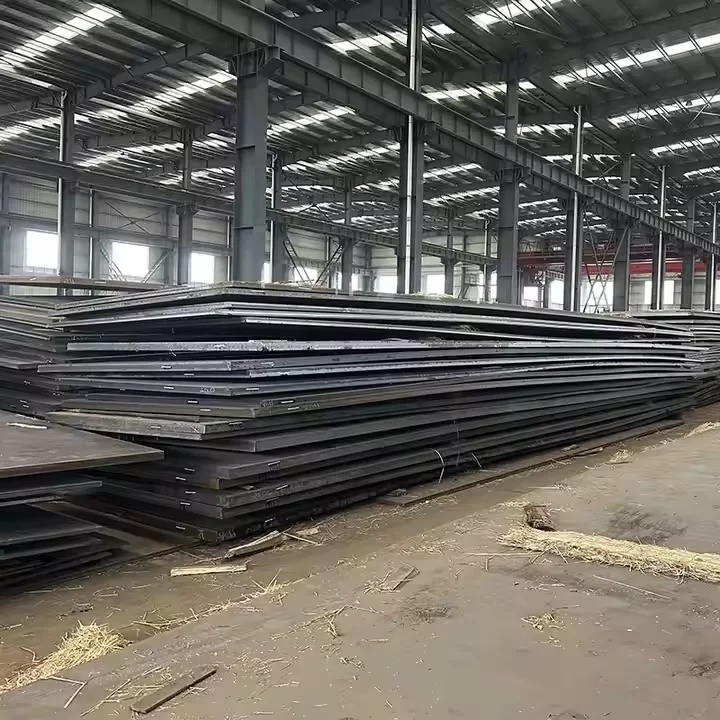
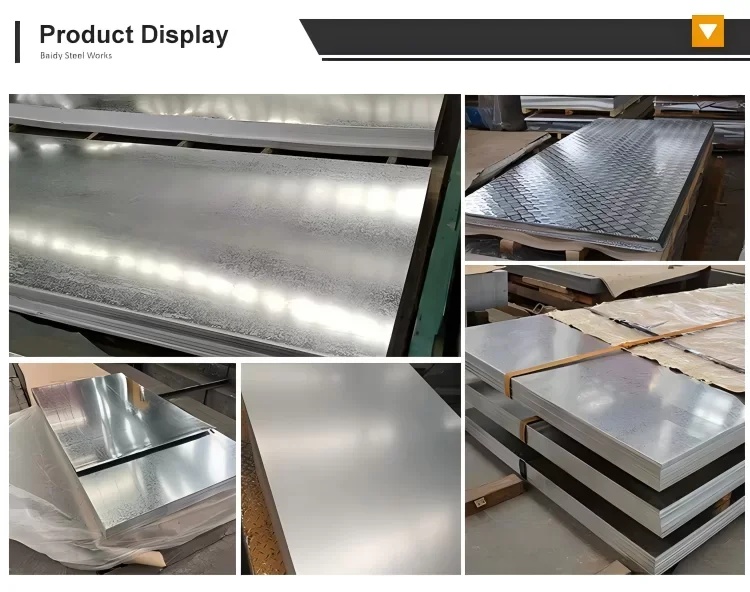
Simply put, a galvanized mild steel sheet is a flat steel product made from low-carbon (mild) steel, coated with zinc to protect it from rust. This zinc layer forms a barrier and also cathodically protects steel if scratched. This combo keeps the steel strong, flexible, and cost-effective.
Mild steel itself is prized for its weldability and broad availability, while galvanization adds longevity. Together, they enable everything from roofing sheets to automotive panels and shipping containers. It’s this blend of strength, affordability, and corrosion resistance that connects galvanized mild steel sheets directly to essential modern infrastructure and even emergency relief constructions.
Key Features of Galvanized Mild Steel Sheet
Durability
The zinc coating guards against rust and oxidation, extending the life cycle multiple times compared to untreated steel. This means less frequent replacements and repairs—a practical boon for long-term projects.
Cost Efficiency
Compared to stainless steel or aluminum, galvanized mild steel is affordable, balancing performance with budget constraints. Plus, the reduced maintenance costs over time are significant in large-scale deployments.
Lightweight Yet Strong
Mild steel provides sufficient strength without excessive weight, making it easier to transport and install, particularly important in inaccessible locations or rapid construction scenarios.
Adaptability
These sheets are versatile — easily cut, bent, and welded — enabling customization on site for varying applications, from industrial machinery housing to off-grid shelters.
Environmentally Friendly Potential
Because mild steel can be recycled and galvanizing processes have evolved to reduce waste, using galvanized steel supports circular economy goals when managed properly.
Technical Specifications: Galvanized Mild Steel Sheet
| Property |
Typical Value |
Unit |
| Thickness Range |
0.3 - 3.0 |
mm |
| Zinc Coating Thickness (Hot-dip) |
45 - 275 |
g/m² |
| Yield Strength |
250 - 350 |
MPa |
| Tensile Strength |
380 - 500 |
MPa |
| Coating Method |
Hot-dip or Electro-galvanized |
— |
| Standard Compliance |
ASTM A653, ISO 1461 |
— |
Source: Adapted from industry standards and ASTM A653
Top Vendor Comparisons
| Vendor |
Zinc Coating Type |
Thickness Range (mm) |
Certifications |
Lead Time |
| Baidy Steel |
Hot-dip galvanizing |
0.3 – 3.0 |
ISO 1461, ASTM A653 |
2-4 weeks |
| GlobalMetal Co. |
Electro-galvanized |
0.5 – 2.5 |
ISO 9001 |
3-5 weeks |
| SteelFlex |
Hot-dip galvanizing |
0.35 – 2.8 |
CE, ASTM A653 |
1-3 weeks |
Global Applications and Use Cases
In real-world settings, galvanized mild steel sheets are everywhere. In Asia’s burgeoning urban centers, they form the skeleton of affordable housing and commercial buildings, marrying strength with lightning-fast construction. In Europe, they are integral to energy-efficient roofing solutions given their reflective qualities.
Humanitarian organizations actively use galvanized steel sheets for quick-deploy shelters post-natural disasters. For example, in recent flood relief in Southeast Asia, lightweight but sturdy galvanized panels enabled teams to build long-lasting homes fast, ensuring safety and dignity for displaced families. The cost-effectiveness also meant budgets stretched further, covering more people’s needs.
Industrial sectors—shipping, automotive, agriculture—rely on galvanized mild steel for machinery covers, container shells, and fencing. Even remote mining operations benefit from galvanization as it reduces corrosive failures caused by exposure to harsh elements.
Mini takeaway:
- Versatile use across construction, humanitarian, and industrial sectors.
- Supports rapid, durable shelter building in disaster zones.
- Widely applicable in environments with corrosive challenges.
Advantages & Long-Term Value
You might find it surprising, but galvanized mild steel provides not just technical advantages but emotional reassurance, too. Knowing a building’s frame or a shelter’s walls won’t rust through mid-use amplifies trust in safety. It means less worry and better wellbeing for occupants.
From a cost perspective, initial investment is offset by longer maintenance cycles, fewer repairs, and less material waste. Sustainability is also improved, since fewer replacements mean conserving raw materials and reducing carbon footprint tied to production.
Finally, innovation keeps pushing boundaries: integrating galvanized steel with advanced sensors for structural health monitoring or pairing it with eco-coatings that further extend life and reduce environmental impacts.
Future Trends & Innovations
Looking ahead, the galvanized mild steel sheet market shows promise with green galvanizing processes reducing hazardous emissions. Digital transformation brings smart coatings that adjust corrosion resistance based on environmental conditions. Auto-manufacturers seek lighter, stronger galvanizing blends to boost vehicle efficiency. Meanwhile, policies aligned with international standards—for instance, ISO 14001 environmental management—are nudging producers to adopt cleaner, traceable production chains.
Challenges & Solutions
Of course, no material is flawless. Galvanized steel can suffer from coating damage if mishandled onsite, leading to localized rust spots. Variability in zinc thickness or improper post-galvanizing storage may also impact longevity. Yet experience and expertise now empower engineers to implement rigorous QA processes, use protective packaging, and integrate real-time coating inspections, minimizing defects.
Some companies also explore hybrid coatings combining galvanization with organic finishes to boost protection in harsh marine or industrial environments.
Frequently Asked Questions about Galvanized Mild Steel Sheet
- Q: How long does a galvanized mild steel sheet typically last outdoors?
A: Depending on zinc coating thickness and environment, galvanized steel can last anywhere from 20 to 50 years. Coastal or industrial zones may reduce lifespan, but proper maintenance extends use significantly.
- Q: Is galvanized mild steel sheet recyclable?
A: Absolutely. Steel is one of the most recycled materials globally. Galvanized coatings do not hinder recycling and can be processed in steel mills, supporting a circular economy.
- Q: Can I weld or paint galvanized steel sheets?
A: Yes, but welding requires precautions to avoid zinc fume exposure. Painting over galvanized steel is common to add aesthetic and extra protective layers, but surface prep is critical.
- Q: How does galvanized steel compare cost-wise to stainless steel?
A: Galvanized mild steel is often 60-70% cheaper than stainless steel, making it a preferred choice for large-scale projects needing corrosion resistance without premium expense.
Conclusion & Next Steps
If you’re aiming to build resilient, affordable, and sustainable structures or products, integrating galvanized mild steel sheet is a smart move. It balances performance and longevity while aligning with modern environmental concerns. Whether you work in construction, manufacturing, or humanitarian efforts, understanding galvanized steel’s nuances ensures you get the best value and impact from your materials.
Ready to explore options or source high-quality galvanized steel? Visit Baidy Steel for detailed specs, expert advice, and rapid supply chain solutions tailored to your needs.
It’s fascinating how something so ordinary can be so essential, isn’t it? A sheet that quietly supports everything from your home to disaster shelters — galvanized mild steel is truly a backbone worth appreciating.
References:
- World Steel Association Annual Report 2023
- Wikipedia: Corrosion
- ASTM A653 Standard Specification for Steel Sheet, Zinc-Coated (Galvanized) or Zinc-Iron Alloy-Coated (Galvannealed) by the Hot-Dip Process