What is a Galvanized Plain Sheet and Why It Matters Globally
If you’ve ever taken a close look at steel surfaces used outdoors or in industrial settings, chances are you’ve noticed a certain silvery, slightly textured sheen. That’s often a galvanized plain sheet in action. But what exactly is it, and why should anyone beyond the construction site care? Well, galvanized plain sheets are foundational to countless industries worldwide—think infrastructure, automotive, housing, and even humanitarian relief. Their corrosion resistance makes them indispensable in protecting structures and machinery from rust, especially when you consider the looming threats climate change and resource scarcity pose to global development.
Understanding the role galvanized plain sheets play helps companies, governments, and NGOs make smarter choices—whether it’s building resilient shelters after natural disasters or manufacturing affordable automobiles. In essence, this sheet is a quiet hero that silently battles corrosion and extends the life of metal, which frankly is a pretty big deal on a planetary scale.
Mini Takeaway: Galvanized plain sheets aren’t just metal sheets; they’re key to long-lasting, cost-effective solutions worldwide, protecting infrastructure and lives alike.
The Global Context: Why Galvanized Plain Sheet Is Crucial Today
Globally, steel production hits over 1.8 billion tonnes annually, according to World Steel Association data. A large part of this steel is galvanized to combat corrosion—because untreated steel just doesn't last long outside. For instance, in coastal or humid regions, ordinary steel might rust within a few years, posing safety risks and economic burdens.
Additionally, organizations like the UN and ISO have pushed for materials that improve sustainability and durability in construction projects. That’s where galvanized plain sheets step in, reducing maintenance costs, improving safety, and promoting sustainable development practices around the world. Think about developing countries where infrastructure resilience is critical but budgets are tight—these sheets offer a midway that balances performance and affordability.
Yet, the challenge remains: Balancing cost, environmental impact, and robustness. This sheet kind of solves all three, though not without limitations, which we’ll touch on later.
Mini Takeaway: With global steel demand surging, galvanized plain sheets serve as a frontline defense against corrosion, supporting infrastructure growth while easing economic and environmental pressures.
What Exactly Is a Galvanized Plain Sheet?
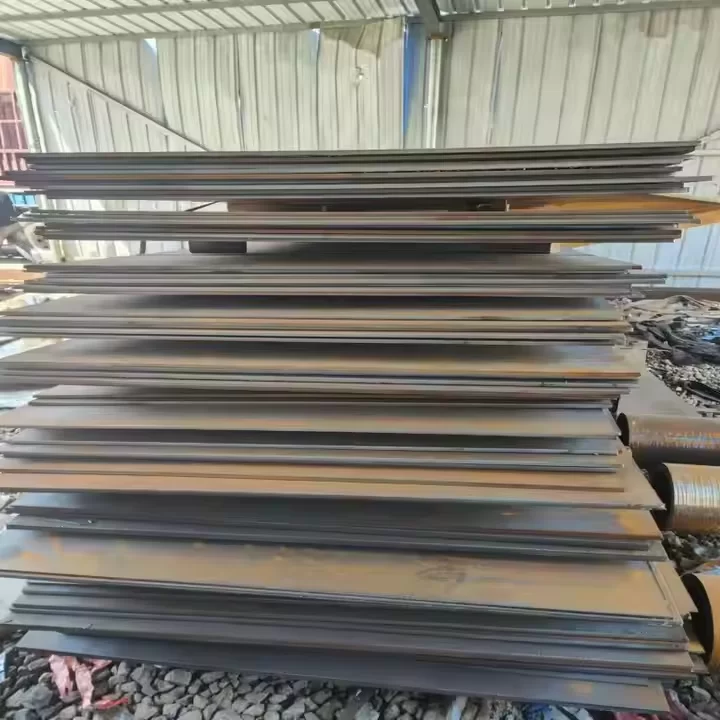
In simple terms, a galvanized plain sheet is a flat steel sheet coated with zinc to shield it from rust and corrosion. The process is called galvanization—a centuries-old technique but still very much relevant today. Plain means the sheet surface isn’t patterned or textured, making it versatile for various applications.
Think of it as everyday steel’s tough, invisible armor. Once coated, the zinc reacts with moisture instead of the underlying steel, effectively sacrificing itself so that steel stays intact. This makes galvanized plain sheets invaluable for industries ranging from construction (think roofing, wall panels) to automotive chassis and even consumer goods.
On a broader scale, galvanization helps meet humanitarian needs too—for example, rapid deployment shelters after disasters require materials that don’t degrade quickly, ensuring safety and dignity for displaced people.
Key Factors Behind Galvanized Plain Sheets' Performance
1. Durability
Galvanized sheets typically last anywhere from 20 to 50 years depending on environmental exposure. The zinc coating protects against rust, which otherwise can eat steel away rapidly. This extends the lifespan of structures, cutting maintenance needs considerably.
2. Cost Efficiency
While galvanized steel costs slightly more upfront than untreated steel, the reduction in repair and replacement costs outweighs that. Less downtime, fewer failures – especially in large projects – saves money and headaches.
3. Scalability
Galvanized plain sheets are manufactured at massive scales worldwide. Whether you need a few sheets for a local project or thousands for industrial manufacturing, the supply chains are robust and reliable.
4. Environmental Impact
Zinc is recyclable and galvanization reduces scrap. Additionally, steel itself is one of the most recycled materials globally. When combined, galvanized sheets contribute to circular economy goals.
5. Versatility
From roofing and automotive bodies to appliances and fencing, the plain sheet form factor allows easy customization (cutting, bending, painting) across industries.
| Specification |
Typical Range |
Notes |
| Thickness |
0.25 - 3.00 mm |
Various gauges for flexible use |
| Width |
600 - 1500 mm |
Standard industry sizes |
| Zinc Coating Thickness |
40 - 275 g/m² |
Heavier coats for harsher environments |
| Tensile Strength |
270 - 550 MPa |
Varies by base steel quality |
| Surface Finish |
Smooth, plain |
Ideal for painting or further processing |
Mini Takeaway: Galvanized plain sheets combine long life, cost savings, and flexibility, making them a go-to choice for many industries.
Global Applications: Where and How Are They Used?
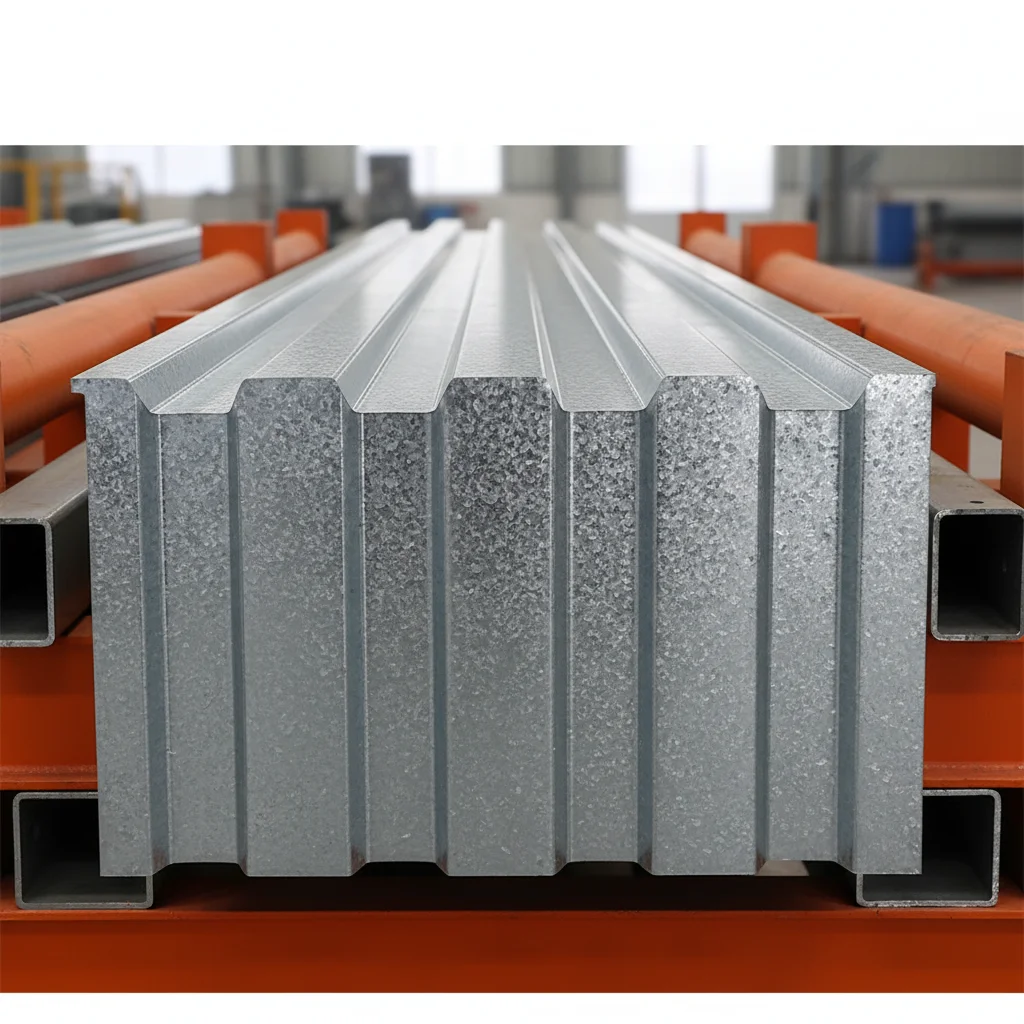
- Construction: Roofing sheets, wall cladding, gutters.
- Automotive: Body panels and framework parts.
- Appliances: Washing machines, refrigerators, HVAC units often use galvanized sheets for durability.
- Humanitarian Relief: Quick-build shelters use galvanized sheets since they are lightweight and weather-resistant.
- Agriculture: Storage facilities and fencing in rural areas.
Regions such as Southeast Asia and Africa increasingly adopt galvanized sheets in infrastructure projects backed by international aid and investments. Companies like Baidy Steel provide tailored galvanized products to meet this demand.
Vendor Comparison for Galvanized Plain Sheets
| Vendor |
Zinc Coating Range (g/m²) |
Delivery Time |
MOQ |
Certifications |
| Baidy Steel |
40 - 275 |
2-4 weeks |
5 Tons |
ISO 9001, CE |
| Global Metals Inc. |
60 - 220 |
3-6 weeks |
10 Tons |
ISO 14001 |
| Eastern Steel Co. |
50 - 250 |
1-3 weeks |
3 Tons |
ISO 9001 |
The Advantages and Long-Term Benefits of Galvanized Plain Sheet
The benefits are both practical and emotional. Financially, you’re cutting down on costs related to replacement and corrosion-induced failures. From a sustainability standpoint, using galvanized steel means fewer raw materials are wasted, and structures aren’t torn down prematurely.
On a human level, it’s about safety and trust. Structures made with galvanized sheets often survive storms and environmental wear longer, giving occupants peace of mind. You could say it’s not just steel with a zinc coating, but steel with a layer of assurance.
Future Trends and Innovations
What’s next? The industry is looking at greener coatings that reduce environmental impact even more. Digital tracking technologies are starting to help track product provenance and lifecycle, making it easier to recycle and repurpose at end-of-life. Plus, automation is making galvanized plain sheets more uniform and tailored, which is honestly quite exciting for industries that rely on precision finishes.
Challenges and Practical Solutions
Obviously, no material is perfect. Galvanized sheets can suffer from coating damage during transport or installation, which compromises protection. Some environments with strong acids or alkaline substances can still degrade zinc. But experts recommend combining galvanization with proper paint systems or integrating design features to protect edges and corners.
These solutions are textbook examples of how tradition and innovation co-exist in industry.
Frequently Asked Questions About Galvanized Plain Sheets
- Q: How long do galvanized plain sheets last in harsh environments?
- A: Typically 20–50 years, depending on zinc coating thickness and environmental severity. Coastal or industrial zones may expect shorter lifespans without additional protection.
- Q: Are galvanized sheets eco-friendly?
- A: Yes, they’re recyclable and reduce steel replacement frequency, lowering overall material use. Zinc itself is also recyclable, supporting circular economy goals.
- Q: Can galvanized plain sheets be painted?
- A: Absolutely. The smooth surface makes painting easier, and adding paint can enhance corrosion resistance or aesthetics.
- Q: What applications benefit most from galvanized plain sheets?
- A: Roofing, automotive bodies, appliances, and quick-deploy shelters all benefit given the balance of strength, corrosion resistance, and cost.
- Q: How do I import galvanized sheets internationally?
- A: Many suppliers like Baidy Steel offer export services. It’s important to check certifications and comply with import regulations in your country to ensure smooth customs clearance.
Conclusion: Why Invest in Galvanized Plain Sheets?
In real terms, galvanized plain sheets represent a smart investment for anyone needing durable, cost-effective, and sustainable steel solutions. Their role in infrastructure, industry, and humanitarian aid makes them quietly indispensable worldwide. If long-lasting performance and environmental responsibility are your priorities, these sheets check all the right boxes.
To dive deeper into specifications or place an order, check out https://www.baidysteel.com today.
Oddly enough, it’s these simple sheets that keep our world’s foundations strong—behind the scenes but unwavering.
References
- Galvanization - Wikipedia
- World Steel Association Statistics 2023
- ISO 9001 Quality Management