Understanding Hardox Steel Prices: Why It Matters Worldwide
If you've ever worked with heavy-duty steel or seen industrial equipment in action, you might have stumbled across Hardox steel. It's a wear-resistant steel that's tough, durable, and, frankly, a marvel in modern engineering. But beyond the metallurgical specs, understanding hardox steel prices plays a pivotal role in industries ranging from mining to construction, impacting cost calculations, supply decisions, and even emergency infrastructure projects worldwide.
Globally, steel acts as the backbone of infrastructure — according to the World Steel Association, global crude steel production topped 1.8 billion tonnes in 2023, and wear-resistant steels like Hardox are a crucial subset. With increasing industrialization, especially in emerging regions, and challenges like transport logistics and sustainability targets, keeping an eye on hardox steel prices has never been more pressing.
The Global Landscape: Hardox Steel Prices in Context
Hardox steel prices fluctuate due to several intertwined global factors — raw material availability, geopolitical tensions, transportation costs, and even environmental policies influencing steel production. For example, the United Nations Industrial Development Organization highlights how sustainable manufacturing pressures push prices in certain regions.
This isn’t just theoretical. Mining operations in Australia or heavy machinery manufacturers in Scandinavia constantly review hardox steel prices when budgeting new equipment. Inconsistent price trends can delay projects or inflate costs. Hence, keeping pace with prices is critical for both procurement teams and end-users.
Mini takeaway: Hardox steel prices are more than digits — they mirror industrial health, supply chains, and environmental priorities globally.
What Are Hardox Steel Prices? A Simple Definition
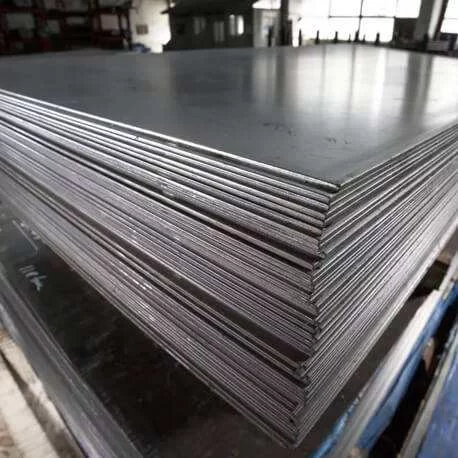
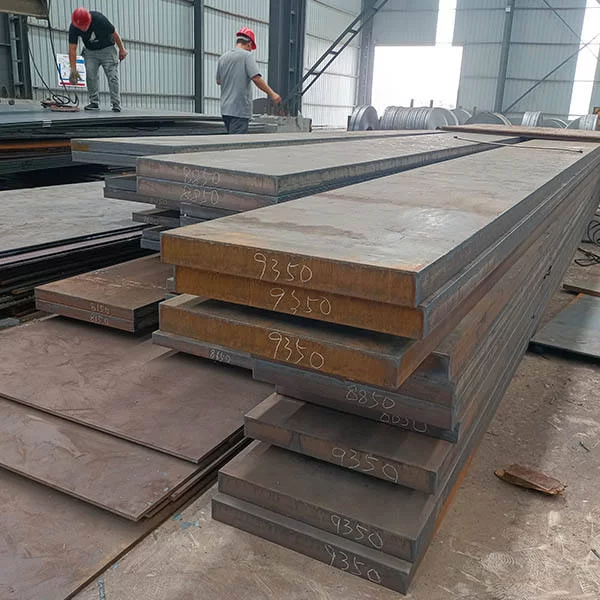
To put it plainly, hardox steel prices represent the market cost per tonne (or other unit) of Hardox — a trademarked brand of wear-resistant steel developed specifically to withstand abrasion and repeated impact without significant wear. The price reflects raw materials, processing, and market demand.
From mining shovels wearing down rocks to waste container walls enduring daily battering, Hardox is favored for its strength and longevity. Its prices hence influence not just profit margins but the very feasibility of using Hardox in particular industrial or humanitarian contexts, like fast-deploy shelters that must last years with minimal maintenance.
Key Factors Influencing Hardox Steel Costs
1. Durability and Wear Resistance
Hardox steel's core selling point is its resistance to abrasion—these steels are often 10 to 20 times more wear-resistant than mild steel. This high durability translates into less need for replacements, but the advanced alloy formulation means slightly higher initial costs.
2. Supply Chain and Raw Material Prices
The base metals (mainly iron ore, manganese, carbon, and chromium) used to make Hardox fluctuate depending on mining outputs, energy costs, and international trade tariffs. A sudden shortage in chromium or logistic delays can spike Hardox steel prices unexpectedly.
3. Manufacturing and Processing
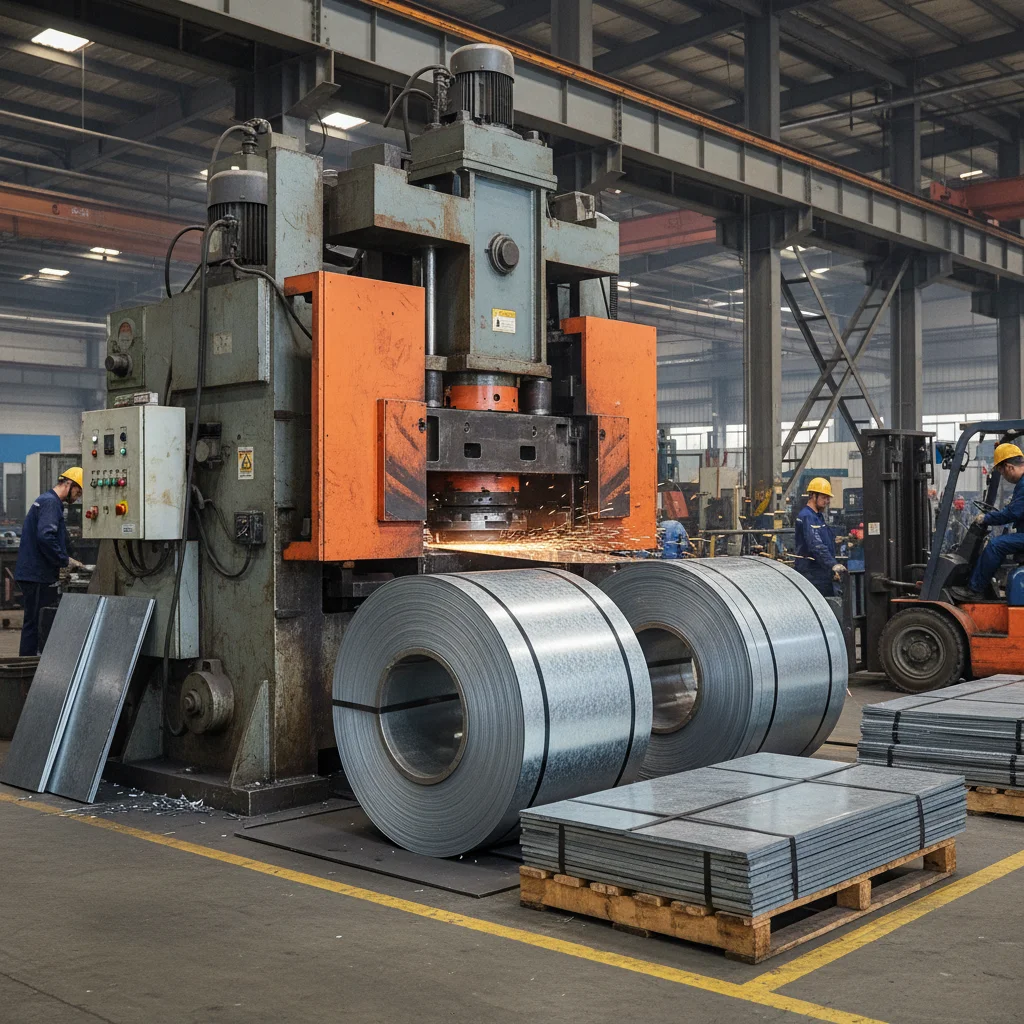
Besides the raw inputs, how the steel is heat-treated, rolled, and cut factors into pricing. Advanced facilities with tighter quality controls often demand a premium, but the end product’s consistency justifies this in critical applications.
4. Market Demand & Industry Cycles
Certain sectors like mining, construction, and recycling show seasonal or economic cycle-driven demand shifts. When demand surges, prices typically do too — this ripple effect is notable during infrastructure booms or post-disaster rebuilding phases.
5. Regional Differences
Logistics, tariffs, and local production capability make hardox steel prices vary across continents. For example, prices in the EU often include carbon tax considerations not imposed elsewhere.
6. Environmental Regulations
Steel production is energy-intensive and subject to growing emissions restrictions. Stricter rules prompt manufacturers to invest in greener tech, slightly nudging prices higher but ensuring long-term sustainability.
Mini takeaway: Price variations meld both metallurgical qualities and worldwide economic realities—nothing occurs in isolation.
Typical Hardox Steel Specifications
| Specification |
Hardox 400 |
Hardox 500 |
Hardox 600 |
| Brinell Hardness (HBW) |
~400 |
~500 |
~600 |
| Yield Strength (MPa) |
1,150 |
1,370 |
1,540 |
| Tensile Strength (MPa) |
1,250 |
1,500 |
1,700 |
| Thickness Range (mm) |
3–120 |
3–80 |
4–30 |
| Weight (kg/m² at 10mm) |
~78 |
~78 |
~78 |
Where Is Hardox Steel Actually Used? Real-World Applications
Hardox steel is everywhere — if you look closely. Mining trucks’ beds take a pounding moving rocks and ore. Construction machinery uses Hardox plates for ground-engaging tools. Even in recycling, hardox steel lines shredders and balers, extending machine life.
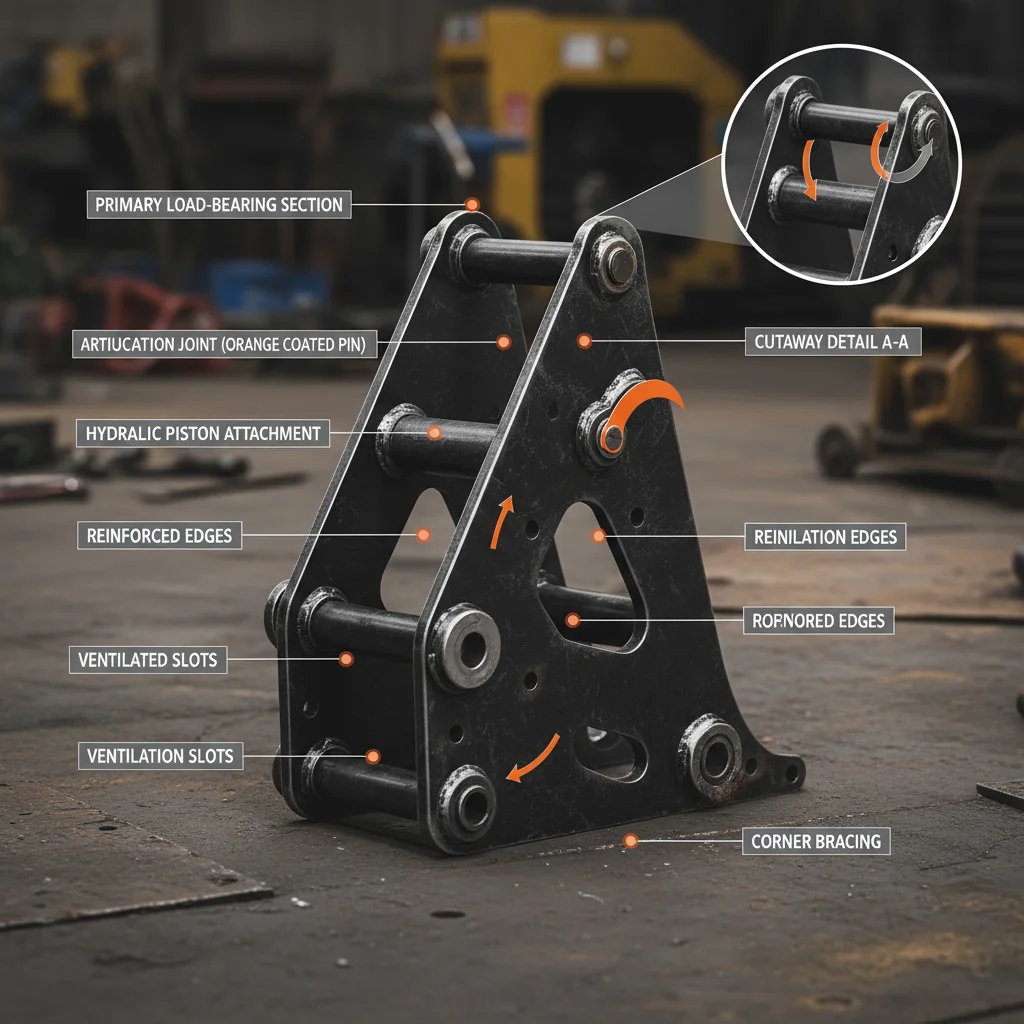
In disaster zones, where temporary shelters must hold up against harsh weather and repeated use, portable structures often depend on wear-resistant steel like Hardox for framework durability. NGOs in Asia and Africa appreciate this for long-term deployment.
Oddly enough, Nordic countries lead adoption thanks to harsh winters and a cultural emphasis on quality and sustainability. Their steel suppliers often have detailed pricing guides tailored for local government contracts.
Mini takeaway: Hardox steel prices affect a wide swath of critical industries and humanitarian efforts — it’s not just heavy equipment, it’s about resilience.
The Advantage of Choosing Hardox: Value That Goes Beyond Cost
- Cost Efficiency: While upfront prices may seem high, less frequent replacements and repairs save time and money long-term.
- Environmental Benefits: Longer lifespan means less scrap and recycling inputs — industries aiming for ISO 14001 certification appreciate this.
- Reliability & Safety: Robust equipment reduces downtime, improves worker safety, and builds trust.
- Innovation: Continuous alloy improvements mean better performance without large price leaps.
- Social Impact: Durable infrastructure supports local economies, especially in vulnerable regions.
Looking Ahead: Trends Shaping Hardox Steel Prices and Usage
The future of Hardox steel prices is tied to trends like decarbonization of steelmaking (think hydrogen and electric arc furnaces) and digital transformation (smart inventory & predictive pricing). Automation in processing promises efficiency gains, potentially stabilizing or even lowering costs.
Additionally, circular economy initiatives push manufacturers to enhance recyclability without sacrificing hardness, which keeps innovation intense. For those tracking prices, that means monitoring policy changes and new production technologies closely.
Common Challenges and How the Industry Tackles Them
Supply chain volatility, especially post-pandemic, remains a headache for buyers. Experts increasingly recommend flexible sourcing strategies and forward contracts to manage risk.
Meanwhile, balancing sustainability with price competitiveness drives research into blends that require fewer rare-earth elements or energy to produce.
Another issue is that some buyers underestimate total cost of ownership by focusing only on initial price—an understandable but costly mistake. Education and transparency by suppliers often help close this gap.
Comparing Leading Hardox Steel Vendors
| Vendor |
Price Range
(USD/tonne) |
Delivery Lead Time |
Quality Certifications |
Geographic Availability |
| SSAB (Official Hardox Supplier) |
$2,000 - $2,400 |
2-4 weeks |
ISO 9001, ISO 14001 |
Global with regional warehouses |
| Regional SteelCorp |
$1,800 - $2,200 |
3-5 weeks |
ISO 9001 |
Europe, Asia |
| SteelAsia Ltd. |
$1,750 - $2,100 |
4-6 weeks |
ISO 9001, ISO 45001 |
Asia, Pacific |
Frequently Asked Questions About Hardox Steel Prices
Q1: Why do hardox steel prices sometimes spike unexpectedly?
Price spikes are often linked to raw material shortages, supply chain disruptions, or shifts in global demand (e.g., sudden construction booms or natural disasters). Energy costs and regulatory changes also play a significant role.
Q2: How can manufacturers reduce costs when using Hardox steel?
Optimizing cutting layouts to minimize waste, negotiating long-term supply contracts, and opting for readily available grades instead of specialty ones help lower costs. Additionally, factor in the lifecycle cost savings from durability.
Q3: Is it worth paying more for higher Hardox grades like 600?
If your application involves extreme wear and abrasion, yes. The longer lifespan and higher durability typically offset the higher upfront cost, avoiding more frequent replacements and downtime.
Q4: How do I keep track of international hardox steel prices effectively?
Working with trusted suppliers that provide regular quotations and monitoring industry reports from organizations like the World Steel Association can help. Some platforms also offer real-time price tracking.
Q5: Can Hardox steel be recycled economically?
Absolutely. Hardox steel is recyclable, and its high-quality alloying elements retain value. Recycling reduces environmental impact and can in time influence pricing too.
Wrapping Up: Why Paying Attention to Hardox Steel Prices Pays Off
In real terms, understanding hardox steel prices means you’re not just reacting to costs but strategically embracing steel solutions that deliver lasting value, sustainability, and reliability. For industries where toughness and wear resistance count, ignorance isn’t bliss — it’s expensive.
Interested? Check out up-to-date offers and more insights at our website — because knowing your pricing landscape today shapes your projects tomorrow.
Mini takeaway: Smart purchasing starts with knowing the steel story behind the price tag.
References
- World Steel Association
- UN Industrial Development Organization
- Hardox — Wikipedia