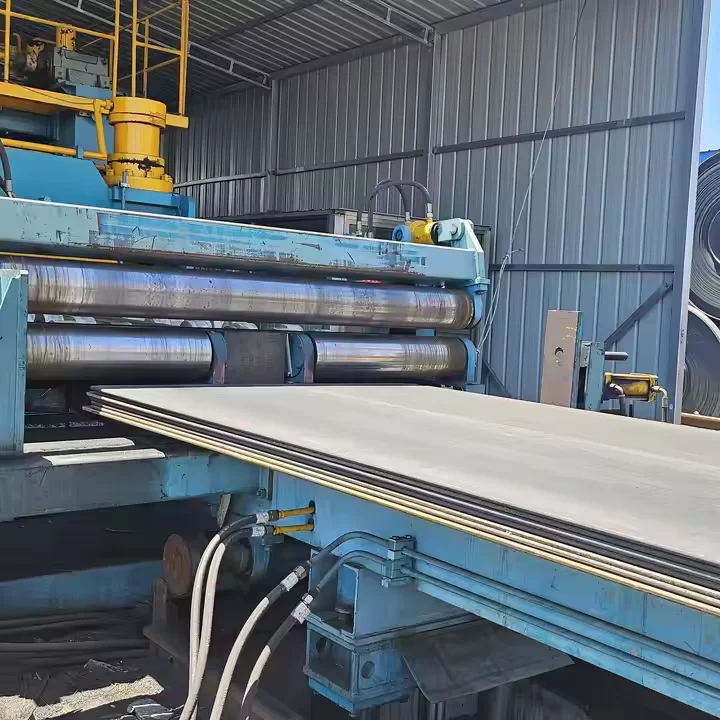
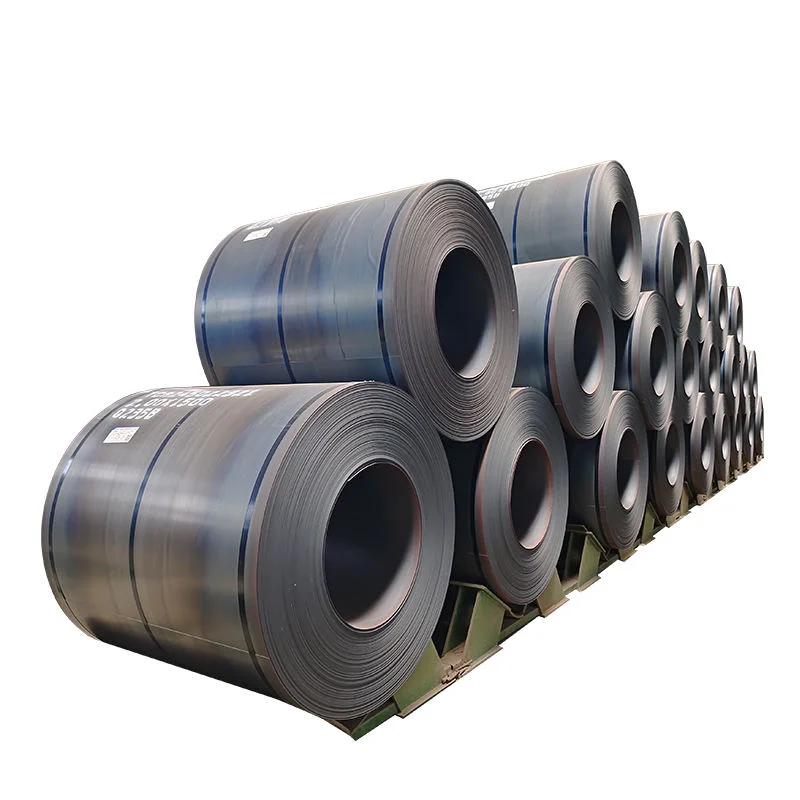
Understanding 5mm Steel Plate Price: Why It Matters Globally
Steel remains one of the most fundamental materials shaping the modern world—spanning construction, transport, machinery, and even humanitarian aid. When we talk about the 5mm steel plate price, we're zeroing in on a critical slice of this vast industry—one that balances strength with versatility and affordability. Knowing how and why this price fluctuates can help manufacturers, engineers, and procurement officers worldwide make smarter decisions. Why? Because steel pricing impacts everything from a skyscraper's budget to disaster relief shelters.
Globally, steel production reached roughly 1.9 billion metric tons in 2023 according to the World Steel Association, and plates like the 5mm variety form a vital subset used in dozens of industries. As demand grows, so do complexities related to supply chain disruptions, raw material costs, and geopolitical tensions—driving the need to understand these prices beyond just numbers.
The Global Landscape: What Influences 5mm Steel Plate Price
On the surface, 5mm steel plate price may sound like a simple commodity figure, but dig deeper, and it reflects multiple global forces. Take China, the world’s largest steel producer—policy shifts there can ripple worldwide. Add in transportation costs, energy prices, tariffs, and even currency fluctuations, and the price becomes a constantly shifting beast.
ISO standards ensure consistent quality across suppliers, but buyers must often face fluctuating supply-demand curves and material specs that vary subtly. The United Nations reports highlight how developing countries are particularly sensitive to steel prices, influencing infrastructure development timelines and costs.
Hence, the challenge: how to source competitively priced, reliable steel plates without compromising quality or delivery times? For many industries—from automotive to construction—this calculus can spell the difference between profit and delay.
Defining 5mm Steel Plate Price
Simply put, the 5mm steel plate price is the cost per ton or per piece of flat steel sheet that is exactly 5 millimeters thick. Steel plates at this thickness strike a balance—they're thick enough to provide strong structural support yet thin enough to allow manageable weight and easier fabrication. They're used in manufacturing, shipbuilding, and frameworks requiring durability without bloat.
Understanding this price helps businesses budget accurately and forecast project expenses. On a broader scale, it connects to humanitarian efforts too—where materials priced right enable fast, affordable construction of shelters following disasters, for instance.
Key Factors Influencing 5mm Steel Plate Pricing
Raw Material Cost
Iron ore, carbon, and alloying elements fluctuate in price and heavily impact steel plate rates. Mining output, global demand, and environmental policies push these costs up or down.
Production Technology
Electric arc furnace (EAF) steel is often cheaper to produce than traditional blast furnace steel, affecting plate pricing without sacrificing quality.
Supply Chain & Logistics
Freight delays, fuel costs, and trade barriers can add unexpected costs. Remember during the 2021 container crisis, steel costs surged partly due to shipping bottlenecks.
Standards & Certification
Plates with certifications from ISO, ASTM, or equivalent organizations typically command higher prices but guarantee reliability—often worth the investment in critical projects.
Demand & Market Dynamics
Construction booms, automotive production upticks, or government infrastructure spending can suddenly inflate prices.
Environmental Regulations
The shift to greener steel production methods may raise costs short-term but offers sustainability benefits.
Mini Takeaway:
The 5mm steel plate price encapsulates far more than metal value—it reflects raw materials, tech, global trade, and environmental factors all dancing together.
Typical Product Specifications At a Glance
| Specification |
Details |
| Thickness |
5 mm |
| Material Grade |
Q235, S235JR, A36 (common options) |
| Width |
Typically 1000 – 2500 mm |
| Length |
2000 – 6000 mm (custom cuts available) |
| Surface Coating |
Mill finish, Hot-dip galvanized, Painted |
| Certification |
ISO 9001, ASTM, EN 10025 |
Global Applications: Where and How 5mm Steel Plates Make a Difference
Across continents, the role of 5mm steel plates is surprisingly broad. In Asia’s booming urban centers, they underpin high-rise construction frameworks. In Europe, automotive factories rely on these plates for light but durable chassis components. Meanwhile, remote industrial zones in Africa or South America appreciate these plates for machinery housing that balances protection with manageable weight.
Oddly enough, humanitarian agencies also keep steel plate prices in their line of sight. Post-disaster shelter or modular building projects often require reliable steel plates that don’t break the budget. For example, after the 2022 floods in Southeast Asia, NGOs rapidly sourced steel plates for temporary, sturdy shelters.
Mini Takeaway:
The 5mm steel plate price drives decisions far beyond manufacturing—into emergency relief, infrastructure, and sustainable urban growth.
The Real Advantages: Why Knowing 5mm Steel Plate Price Pays Off
- Cost Efficiency: Optimized thickness means high strength-to-weight ratio and lower transport costs.
- Durability & Reliability: Consistent material quality reduces failures and costly repairs.
- Sustainability: Many steel plates come from recycled content and can be recycled again.
- Innovation Potential: Perfect for use with automation—for example, CNC cutting or robotic welding.
- Trust & Safety: Certified plates protect lives and investments alike.
At the end of the day, smart sourcing of 5mm steel plate price delivers more than metal—it delivers trust in your project’s foundation.
Emerging Trends Shaping Future Pricing
Green steel initiatives are gaining momentum worldwide, looking to decarbonize the steel production process. Technologies like hydrogen-based reduction could reshape pricing by increasing upfront costs but cutting environmental impact remarkably.
Digital platforms now offer real-time steel price tracking, allowing buyers to time purchases better. Add in advanced alloys and hybrid materials, and future 5mm steel plates might combine lighter weight with even better performance.
Overcoming Challenges: What to Watch For
While 5mm steel plates are versatile, challenges persist. Price volatility can disrupt project budgets. Also, quality inconsistencies occasionally occur with discount suppliers, risking structural integrity.
Smart buyers work with suppliers who provide verifiable certificates and maintain strong supply chain transparency. Strategic inventory management can cushion sudden price spikes or delays. Exploring alternative materials or composites might also alleviate dependency on volatile steel markets.
Vendor Comparison: Who Supplies Reliable 5mm Steel Plates?
| Vendor |
Price Range (USD/ton) |
Certifications |
Lead Time |
Strengths |
| Baidi Steel |
$600 – $700 |
ISO 9001, ASTM, EN |
2–3 weeks |
Competitive pricing, reliable logistics |
| Global Metals Inc. |
$680 – $750 |
ISO 9001, API |
3–5 weeks |
High quality, custom finishes |
| EastSteel Solutions |
$620 – $670 |
EN 10025, ISO 14001 |
1–2 weeks |
Fast delivery, eco-friendly options |
Frequently Asked Questions About 5mm Steel Plate Price
1. What factors most affect the price of 5mm steel plates?
The largest factors include raw material costs (iron ore, carbon), production method, supply chain logistics, and certifications. External market demands and geopolitical events also significantly influence price fluctuations.
2. How does choosing a certified steel plate impact pricing?
Certified plates usually cost more upfront due to stricter quality controls but reduce risk of structural failure and costly replacements. It’s often a worthwhile tradeoff for critical projects where safety and longevity matter.
3. Can I get customized sizes of 5mm steel plates?
Yes, many suppliers offer custom cutting and finishing options. This flexibility can affect price, so it’s best to confirm specifics with your vendor beforehand.
4. Are 5mm steel plates suitable for outdoor construction?
Absolutely. When properly coated (galvanized or painted), 5mm steel plates withstand weathering well, making them ideal for building facades, bridges, and industrial equipment housings.
5. Where can I find competitive 5mm steel plate price quotes?
Several international steel suppliers like Baidi Steel offer competitive quotes. Online platforms now let you compare prices in real-time, helping you snag better deals.
Conclusion: Why Monitoring 5mm Steel Plate Price Is a Smart Move
Keeping a close eye on the 5mm steel plate price isn’t just a business necessity—it’s a strategic advantage. Whether you’re building a factory, investing in green infrastructure, or enabling disaster relief construction, the right steel at the right price means better outcomes and fewer headaches down the road.
For reliable, competitively priced steel plates, consider visiting our trusted supplier: 5mm steel plate price. It’s a great spot to start optimizing your material sourcing.
References
- World Steel Association - Statistics
- ISO 9001 Quality Management System
- Steel - Wikipedia