Hit enter to search or ESC to close
9 February 2026
Galvanized iron, a staple in construction and various industrial applications, requires careful inspection to ensure quality and prevent premature failure. A detailed observation sheet of galvanized iron is crucial for assessing its condition, identifying potential issues, and maintaining structural integrity. This guide provides an in-depth look at the essential elements of such a sheet, the key areas to inspect, and why diligent observation is vital. From preventing corrosion to extending the lifespan of galvanized steel structures, this article covers everything you need to know.
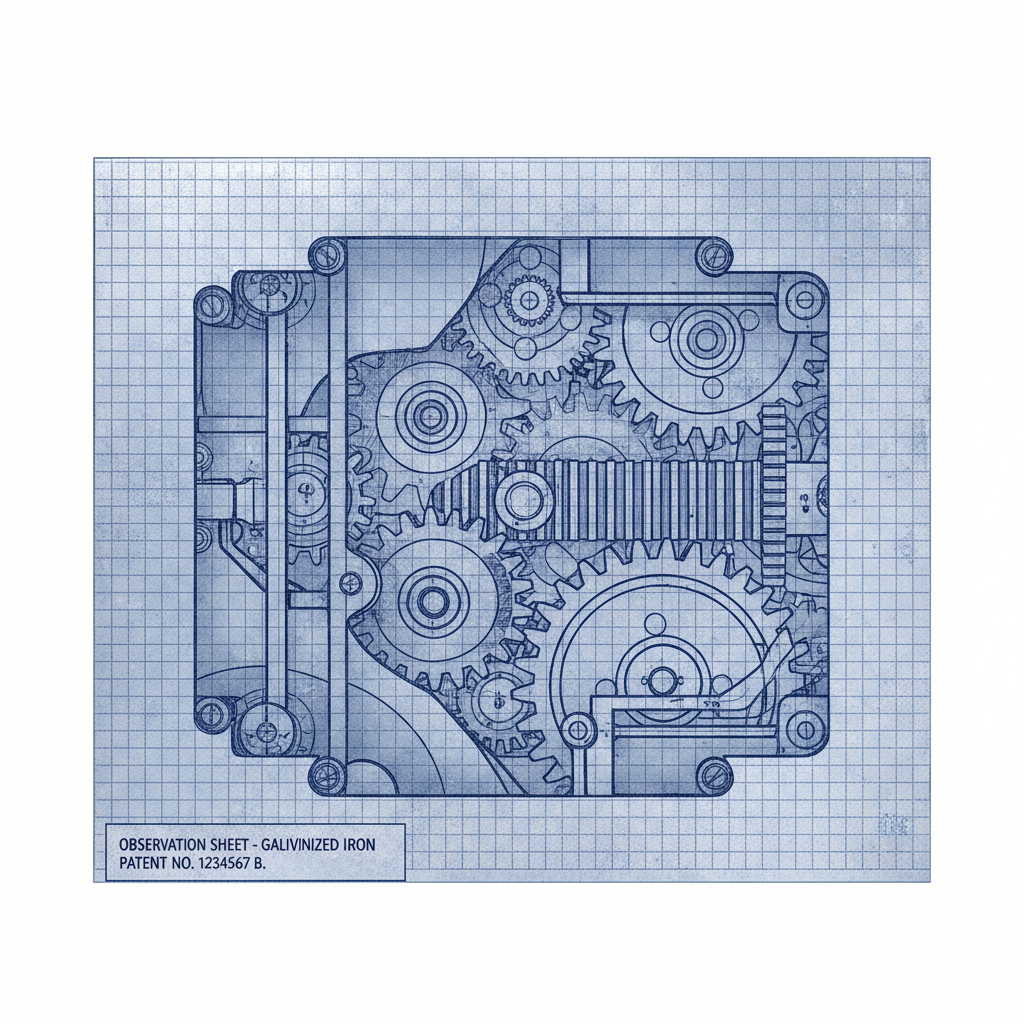
An observation sheet serves as a standardized record of the condition of galvanized iron. It's a critical tool for quality control, maintenance programs, and project documentation. A well-designed sheet enables consistent evaluation, allowing for trend analysis and proactive intervention before minor issues escalate into costly repairs or safety hazards. It’s also essential for liability purposes, providing evidence of due diligence in maintaining structures and materials. Regular, documented inspections help to maximize the return on investment in galvanized iron infrastructure.
Key Benefits: Consistent evaluation, trend analysis, proactive intervention, liability protection, and maximizing investment return.
A comprehensive observation sheet should include sections for identifying the inspected item, the date and time of the inspection, and the inspector's name. The core of the sheet focuses on detailing the visual assessment of the galvanized iron. Key areas to cover include coating condition, presence of rust or corrosion, damage (dents, scratches, punctures), and any signs of structural deformation. Documenting the location of any observed defects is essential for targeted repairs. Finally, a section for recommended actions and follow-up is critical for maintaining a proactive maintenance schedule. The quality of galvanized iron greatly influences the longevity of any structure.
The inspection process should be systematic. Start by visually scanning the entire surface. Look closely for areas where the galvanized coating appears thin, chipped, or peeling. White rust (zinc corrosion) is a common issue and should be noted. Red rust indicates that the underlying steel is corroding, which requires immediate attention. Pay particular attention to joints, welds, and areas exposed to moisture or corrosive environments. Document the size, shape, and location of any defects. Utilize photography to provide a visual record alongside your written observations.
Key Inspection Points:
• Coating thickness and uniformity
• Presence of white or red rust
• Dents, scratches, and punctures
• Weld integrity
• Signs of structural deformation
Here's an example of how coating conditions might be documented on an observation sheet. This comparison highlights the importance of detailed descriptions.
The data collected from the observation sheets should directly inform your maintenance schedule. High-severity issues require immediate attention, while medium-severity issues should be addressed in the near future. Low-severity issues can be monitored regularly. Consider utilizing a computerized maintenance management system (CMMS) to track inspection data, schedule repairs, and manage maintenance costs. Proactive maintenance, based on documented observations, is far more cost-effective than reactive repairs following a failure. Regularly inspecting and maintaining your galvanized steel products ensures long-term structural integrity.
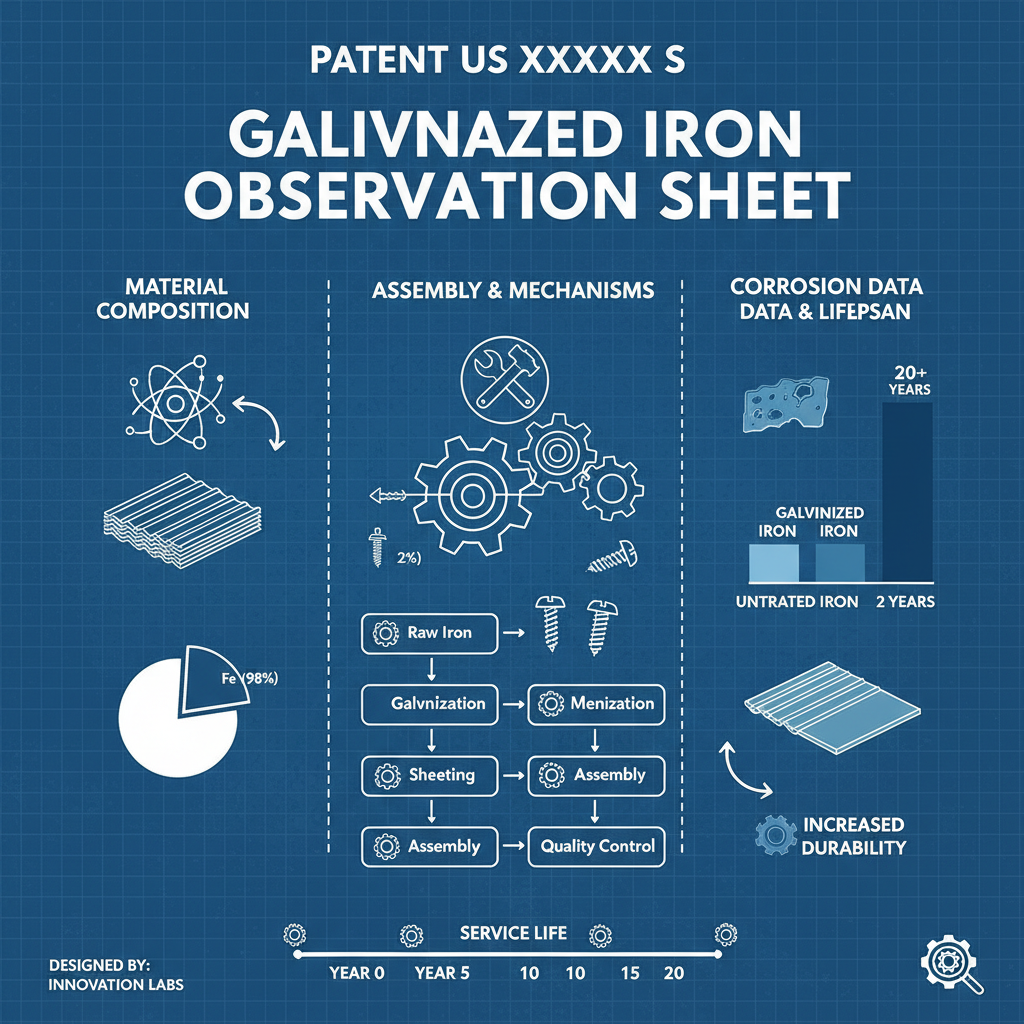
Implementing a robust observation sheet system for galvanized iron is a cornerstone of effective asset management. By diligently recording the condition of your structures, you can identify potential problems early, prevent costly repairs, and ensure the safety and longevity of your investment. Don’t wait for corrosion to become a critical issue – embrace proactive observation today.
The frequency of observation depends on the environment and the criticality of the structure. For structures in harsh environments (e.g., coastal areas, industrial sites), inspections should be conducted at least twice a year. For less demanding environments, annual inspections may suffice. It’s also recommended to conduct inspections after any significant event, such as a storm or impact. Regular observations are essential for detecting corrosion or damage early on, enabling timely intervention. A documented schedule helps ensure consistency and thoroughness.
Ideally, the inspector should have a basic understanding of metallurgy and corrosion processes. Specific training in galvanized iron inspection is also beneficial. They should be familiar with identifying different types of corrosion, assessing coating integrity, and documenting findings accurately. For critical structures, consider hiring a certified corrosion inspector or a qualified structural engineer. The key is to ensure the inspector possesses the knowledge and skills to identify potential issues and provide informed recommendations.
If significant corrosion is identified, it’s crucial to take immediate action. First, isolate the affected area to prevent further damage. Contact a qualified corrosion specialist or structural engineer to assess the extent of the damage and develop a repair plan. Possible repair options include coating repair, localized steel replacement, or structural reinforcement. The chosen solution should address the underlying cause of the corrosion to prevent recurrence. Delaying repairs can lead to catastrophic failure, so prompt action is essential.
Yes, a well-maintained observation sheet can serve as valuable documentation for legal purposes. It demonstrates due diligence in maintaining the structure and can be used to defend against claims of negligence. Ensure the sheet is completed accurately, signed and dated by the inspector, and stored securely. Maintaining a consistent record of inspections and repairs can significantly strengthen your position in any legal proceedings.