Hit enter to search or ESC to close
27 November 2025
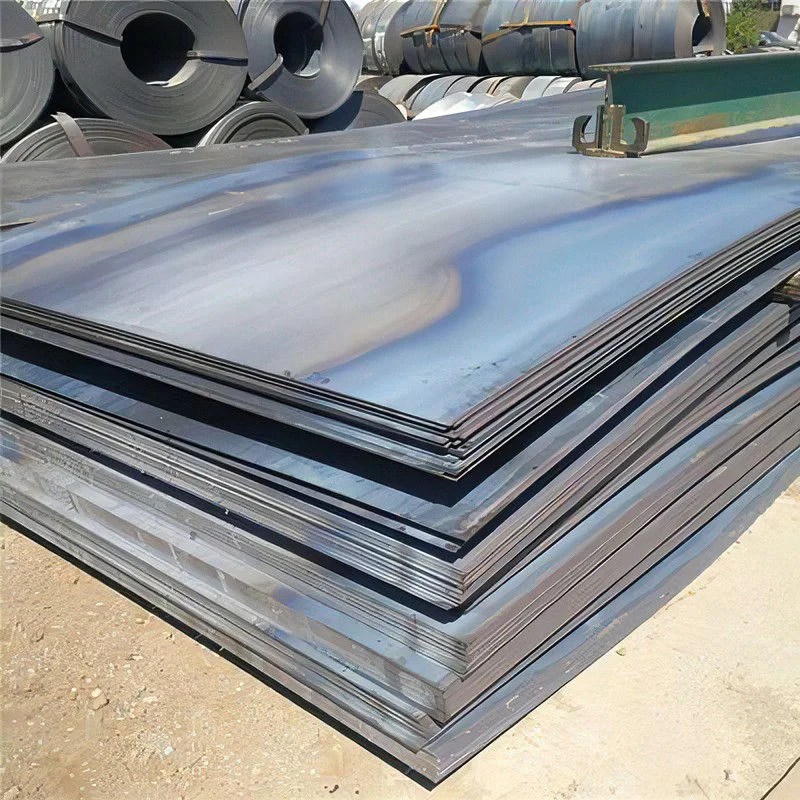
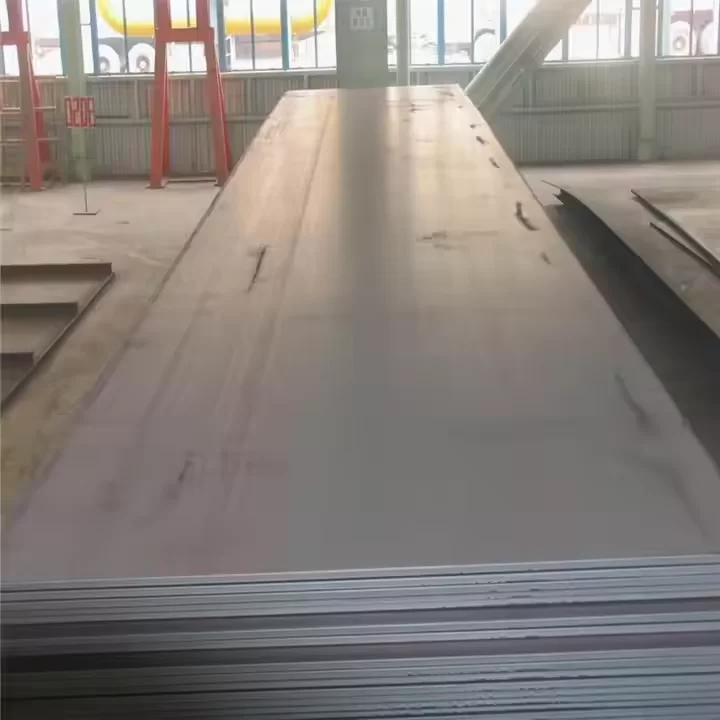
In the expansive and demanding world of modern infrastructure, the reliability of foundational materials cannot be overstated. Among these, construction steel plates stand as an indispensable component, forming the backbone of countless structures that define our urban landscapes and connect our economies. From towering skyscrapers that kiss the clouds to massive bridges spanning vast waterways, and robust industrial facilities powering nations, the integrity of these plates dictates project success, longevity, and above all, safety. The global market for structural steel, a category in which steel plates play a pivotal role, is projected to reach approximately USD 125 billion by 2027, expanding at a compound annual growth rate (CAGR) of 4.5% from 2022. This upward trajectory underscores not only the burgeoning demand but also the continuous innovation within the sector to meet increasingly stringent performance requirements. Consider the sheer volume: annually, over 1.6 billion tons of steel are produced worldwide, with a significant fraction dedicated to construction. This translates into millions of square meters of steel plates meticulously engineered for specific load-bearing capacities, seismic resilience, and environmental durability. The failure rate of properly specified and installed structural steel components, including plates, in major construction projects is remarkably low, often cited as less than 0.01%, a testament to decades of material science advancement and rigorous quality control. This impressive statistic is a direct result of stringent international standards like ASTM, EN, and JIS, which govern material composition, mechanical properties, and manufacturing tolerances. The strategic selection of the right grade of construction steel plate can lead to significant structural weight reductions, sometimes up to 20-30% in bridge designs, optimizing material usage and reducing overall project costs while maintaining superior strength. This initial exploration highlights not just a commodity, but a highly engineered product fundamental to the very fabric of our built environment.
The engineering sophistication behind construction steel plates is a primary driver of their widespread adoption. These are not merely flat sheets of metal; they are meticulously crafted materials with tailored mechanical and chemical properties designed to withstand extreme forces and environmental conditions. Key technical advantages include exceptional tensile strength, yield strength, and toughness, ensuring structures can resist deformation and fracture under immense loads. For instance, high-strength low-alloy (HSLA) steel plates, such as those meeting ASTM A572 Grade 50 or EN S355 standards, offer a minimum yield strength of 345 MPa (50 ksi), allowing designers to achieve greater strength with less material compared to conventional carbon steels. This translates directly into lighter, more efficient designs, reducing foundation requirements and construction timelines. Furthermore, advanced manufacturing processes like Thermo-Mechanically Controlled Rolling (TMCR or TMCP) refine the steel's microstructure, enhancing ductility and weldability while maintaining high strength, which is critical for complex fabrication. Quenching and tempering (Q&T) processes further push the boundaries, producing ultra-high-strength steel plates with yield strengths exceeding 690 MPa (100 ksi), ideal for demanding applications like heavy machinery and critical bridge components where weight reduction is paramount. The precision of modern rolling mills allows for tight thickness tolerances, ensuring uniform load distribution and reducing the need for extensive post-processing. Corrosion resistance is another vital aspect, particularly for coastal or harsh industrial environments. Weathering steels, often referred to as COR-TEN, form a stable, rust-like appearance that eliminates the need for painting and significantly extends service life. Beyond inherent material properties, the predictable and consistent behavior of steel under stress allows engineers to employ sophisticated finite element analysis (FEA) models with high confidence, optimizing structural performance and ensuring safety factors are met. The ability to precisely control these characteristics through alloying elements and thermal treatments ensures that each plate delivers optimal performance for its intended application, representing a confluence of material science and manufacturing precision.
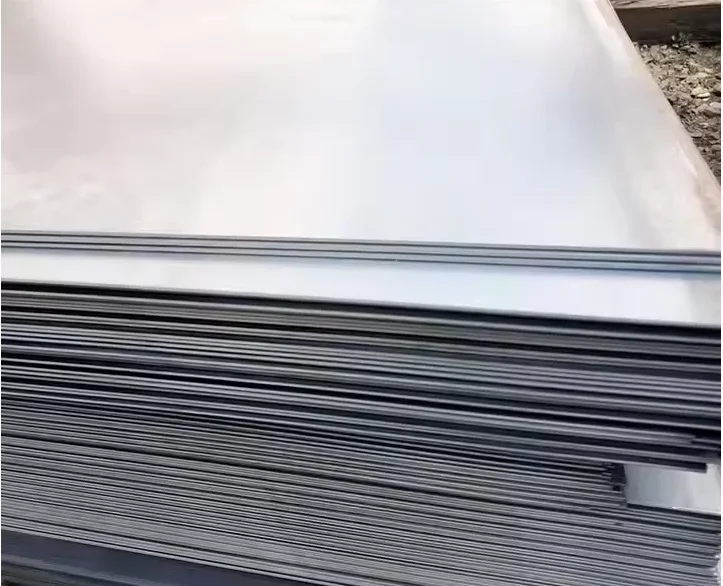
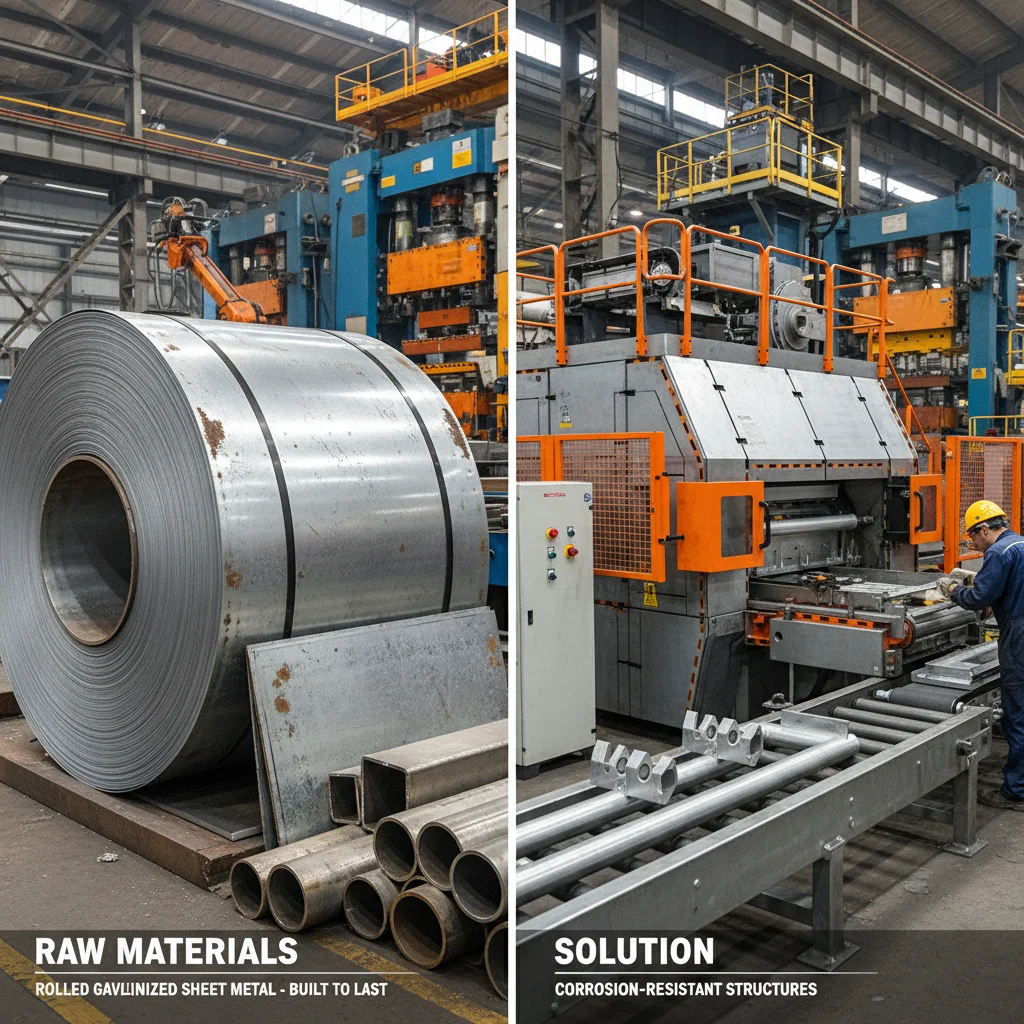
The market for construction steel plates is a dynamic ecosystem, heavily influenced by global economic trends, infrastructure spending, and continuous material innovation. Developing nations, particularly in Asia and Africa, are experiencing rapid urbanization and industrialization, fueling an exponential demand for robust structural materials. China, for instance, consumes over half of the world's steel, with a substantial portion dedicated to its colossal infrastructure projects. Similarly, India's ambitious infrastructure development plans, including high-speed rail networks and port expansions, are projected to drive steel demand by 7-8% annually over the next decade. These macro trends create both opportunities and challenges, requiring steel manufacturers to balance production capacity with environmental sustainability. Innovations are not limited to strength; sustainability is becoming a critical differentiator. The industry is actively pursuing "green steel" initiatives, leveraging electric arc furnaces (EAFs) fed by recycled scrap steel, which can reduce carbon emissions by up to 75% compared to traditional blast furnaces. Furthermore, manufacturers are investing in advanced coating technologies and alloys that extend the service life of steel structures, thereby reducing the need for premature replacement and minimizing resource consumption over a project's lifecycle. Digitalization also plays a significant role, with the adoption of Industry 4.0 principles in steel production leading to optimized processes, reduced waste, and enhanced traceability of materials from melt to final plate. This ensures greater transparency in the supply chain, a factor increasingly demanded by clients concerned with ethical sourcing and environmental impact. The fluctuating prices of raw materials, such as iron ore and coking coal, alongside energy costs, pose constant challenges, necessitating agile supply chain management and strategic hedging by producers. Despite these complexities, the fundamental demand for reliable, high-performance steel plates for infrastructure remains robust, pushing the boundaries of material science and manufacturing efficiency.
Selecting the right manufacturer for construction steel plates is a strategic decision that impacts a project's cost, schedule, and long-term performance. The global landscape includes a diverse range of producers, from vertically integrated steel giants to specialized boutique mills. Each offers distinct advantages in terms of product range, technical expertise, lead times, and value-added services. A thorough comparative analysis is crucial for procurement teams. Below is a simplified, illustrative comparison of hypothetical manufacturers, highlighting key differentiators:
Feature/Manufacturer | Global Steel Solutions (GSS) | Apex Metals Inc. | Innovate Plates Co. |
Primary Market Focus | Global, large-scale infrastructure, oil & gas | North America, specialized heavy construction, industrial | Europe, high-strength/specialty alloys, custom solutions |
Typical Strength Grades Offered | S235-S460, A36-A572 Gr.50 (Standard to High Strength) | A572 Gr.50-A992, AR400-AR500 (High Strength to Abrasion Resistant) | S355-S960, Q&T, TMCP grades (Ultra-High Strength) |
Certifications & Compliance | ISO 9001, CE Mark, API, Lloyd's Register, DNV-GL | ISO 9001, AISC, ABS, ASTM compliant | ISO 9001, EN 10025, PED, RINA, customized project approvals |
Lead Times (Standard Products) | 4-8 weeks (High volume, global shipping) | 2-5 weeks (Regional focus, efficient logistics) | 6-12 weeks (Specialty products, complex orders) |
Customization Capabilities | Moderate (Standard sizes, basic cutting) | High (Specific sizes, drilling, light fabrication) | Very High (Unique chemistries, complex profiles, advanced pre-processing) |
Sustainability Initiatives | Ongoing investment in EAFs, carbon capture R&D | Focus on waste reduction, regional sourcing, energy efficiency | Emphasis on low-carbon production, full lifecycle assessments, recycled content |
Typical Price Range (Relative) | Competitive (Leverages scale, global supply chain) | Mid-range (Focus on quality, regional service) | Premium (Specialty materials, R&D intensity) |
This table highlights that while GSS might be ideal for large-volume, standardized orders requiring global reach, Apex Metals could be preferred for North American projects needing good strength and regional support. Innovate Plates Co. would cater to niche projects demanding extreme strength, unique specifications, or cutting-edge materials. Evaluating manufacturers based on these parameters ensures alignment with project-specific needs, technical requirements, and budgetary constraints, ultimately leading to more successful and efficient project execution.
The demands of modern construction rarely fit a one-size-fits-all mold. This reality necessitates extensive customization capabilities from steel plate manufacturers and suppliers. Tailored solutions for construction steel plates go far beyond simply ordering standard dimensions; they encompass a spectrum of services designed to integrate the material seamlessly into complex projects. Customization can involve precise cutting to size and shape using advanced techniques like plasma, laser, or waterjet cutting, minimizing material waste on-site and reducing fabrication time. For example, a complex bridge arch might require plates cut to specific curvilinear profiles with extremely tight tolerances, a service specialized fabricators excel at. Drilling, punching, and notching services can also be performed in-house, pre-fabricating elements for faster assembly on the construction site, thus enhancing overall project efficiency by up to 15-20% in certain pre-engineered steel structures. Furthermore, surface treatments like shot blasting remove mill scale and surface impurities, preparing the plate for optimal paint adhesion and preventing premature corrosion. Primer application, either inorganic zinc-rich or epoxy-based, can be factory-applied to offer immediate corrosion protection and reduce on-site painting requirements, especially critical for large projects with tight schedules. Beyond physical alterations, chemical composition can also be customized within specified ranges to achieve unique mechanical properties for highly specialized applications, such as enhanced toughness at sub-zero temperatures for Arctic region projects or specific yield-to-tensile ratios for seismic applications. Even logistical solutions are part of the customization package, including just-in-time (JIT) delivery to minimize on-site storage, sequential delivery for phased construction, or bespoke packaging to protect plates during transit to remote locations. These bespoke services transform a raw material into a semi-finished component, significantly streamlining construction processes and ensuring that the steel plates arrive precisely when and how they are needed, ready for immediate integration, thereby contributing significantly to project timelines and budget adherence.
The versatility and strength of construction steel plates make them indispensable across a breathtaking array of modern construction applications. Their ability to handle massive loads and resist environmental stressors positions them as a critical material in foundational infrastructure and complex architectural marvels alike. In the realm of bridge building, high-strength low-alloy (HSLA) plates are extensively used for main girders, orthotropic bridge decks, and critical splice plates, enabling longer spans and lighter structures. For instance, the use of S460N grade steel in a major cable-stayed bridge can reduce the overall steel weight by an estimated 10-15% compared to S355, directly contributing to cost savings and reduced environmental impact during transport. High-rise buildings rely on thick steel plates for their core structures, transfer beams, and shear walls, providing the necessary rigidity and ductility to withstand both gravity loads and lateral forces such as wind and seismic activity. Plates exceeding 100mm in thickness are often specified for the base plates and column connections of superstructures, anchoring the building firmly. Offshore platforms and marine structures, exposed to harsh corrosive environments and immense hydrodynamic forces, utilize specialized grades of steel plates, often with enhanced corrosion resistance and fracture toughness, such as those compliant with API 2H or EN S355G10+M standards. These are critical for topside modules, jacket legs, and subsea templates. Industrial applications, including power plants, refineries, and heavy manufacturing facilities, employ steel plates for pressure vessels, storage tanks, equipment bases, and structural frames that support heavy machinery and resist dynamic loads. Furthermore, infrastructure projects like tunnel boring machines (TBMs) extensively use heavy-duty steel plates for their shield sections and cutting wheels, which must withstand abrasive ground conditions and enormous pressures. Even in architectural applications, exposed steel plates can be used for aesthetic appeal, creating modern, industrial designs, often utilizing weathering steel for its unique patina. Each application underscores the critical role of carefully selected and fabricated steel plates in ensuring the safety, durability, and efficiency of our built environment, making them foundational to both functional and aspirational engineering feats.
As the world continues to evolve, so too does the science and application of construction steel plates. The future of this essential material is being shaped by ongoing research into new alloys, smarter manufacturing processes, and increasingly sophisticated digital integration. We are on the cusp of seeing widespread adoption of steel plates with enhanced functionalities, such as self-healing properties that can autonomously repair micro-cracks, or smart steel that incorporates sensors to monitor structural integrity in real-time. This integration of material science with digital technology promises to revolutionize maintenance cycles and predictive analytics in construction, significantly improving safety and reducing operational costs. Furthermore, the drive towards net-zero construction is accelerating the development of ultra-low carbon steel plates, produced using hydrogen-powered furnaces or advanced carbon capture technologies, pushing the industry closer to truly sustainable infrastructure. Expect to see greater emphasis on circular economy principles, with higher percentages of recycled content being incorporated into new steel plates, extending the lifecycle of materials. The evolution of additive manufacturing (3D printing) for steel components, though currently limited to smaller, complex parts, holds the long-term potential to create highly customized structural elements on-demand, optimizing material use and reducing waste. Despite these futuristic visions, the core virtues of steel — its strength, ductility, and recyclability — will remain timeless. From ancient aqueducts to future hyperloops, the ability to build robust, resilient structures has always been paramount. Construction steel plates, in their ever-evolving forms, will continue to be the unsung heroes of engineering, silently upholding the aspirations of architects and engineers worldwide. Their legacy is not just in the structures they support, but in the enduring human quest for progress, safety, and a built environment that stands the test of time, proving their indelible mark on the landscape of modern civilization.
Construction steel plates are typically categorized by their yield strength. Common types include carbon structural steel plates (e.g., ASTM A36, EN S235, S275) for general-purpose construction, High-Strength Low-Alloy (HSLA) steel plates (e.g., ASTM A572 Grade 50, EN S355, S460) offering superior strength-to-weight ratios, and Quenched & Tempered (Q&T) high-strength steel plates (e.g., ASTM A514, EN S690, S960) for extreme load-bearing applications like heavy machinery and critical bridge components.
The manufacturing process significantly influences mechanical properties. Hot rolling is standard, but specialized processes like Thermo-Mechanically Controlled Rolling (TMCR or TMCP) refine the grain structure, enhancing strength, toughness, and weldability without the need for extensive alloying. Quenching and Tempering (Q&T) involves heating, rapid cooling (quenching), and then reheating (tempering) to achieve exceptionally high strength and toughness, often for ultra-high-strength grades.
Key certifications vary by region and application. Globally recognized standards include ISO 9001 (Quality Management), CE Mark (for products sold in the European Economic Area), ASTM (American Society for Testing and Materials), EN (European Norms), JIS (Japanese Industrial Standards), and certifications from classification societies like Lloyd's Register, DNV-GL, or ABS for marine and offshore applications. Project-specific approvals may also be required.
Yes, extensive customization is available. This includes custom dimensions (length, width, thickness), precise cutting to shape (plasma, laser, waterjet), drilling, punching, and notching. Surface treatments like shot blasting and priming (e.g., inorganic zinc-rich primer) can also be factory-applied. Some manufacturers also offer plates with specific chemical compositions tailored for unique performance requirements (e.g., enhanced toughness for low temperatures).
In earthquake-resistant design, steel plates contribute significantly to a structure's ductility and energy absorption capacity. Specific grades of steel, often with controlled yield-to-tensile ratios and enhanced toughness, are used in seismic force-resisting systems such as moment frames, braced frames, and shear walls. Their ability to deform without fracturing allows structures to dissipate seismic energy, preventing catastrophic collapse during an earthquake.
Construction steel plates are highly sustainable due to their inherent recyclability. Steel is 100% recyclable without loss of properties, making it a cornerstone of the circular economy. Modern steel production increasingly uses recycled scrap, and advancements in "green steel" production are reducing carbon emissions. Their long service life, durability, and potential for lighter designs also contribute to reduced material consumption and lower lifecycle environmental impacts.
When selecting a supplier, consider product quality and certifications, range of grades and sizes offered, customization capabilities (cutting, drilling, surface treatments), lead times and delivery logistics, pricing competitiveness, technical support, and the supplier's reputation for reliability and customer service. For critical projects, also evaluate their sustainability practices and traceability of materials.