Understanding 0.5 mm Steel Sheet: Why This Thin Material Holds Massive Global Importance
Steel sheets, particularly those as thin as 0.5 mm, may seem mundane at first glance – just cold metal, right? But these ultra-thin steel sheets are quietly pivotal across many industries worldwide. Whether it’s the automotive sector, construction, or even humanitarian aid, the 0.5 mm steel sheet is a backbone material that combines strength with flexibility. Grasping its role helps businesses optimize production, improve sustainability, and adapt fast to changing demands.
Globally, the demand for light yet durable materials is soaring. According to the World Steel Association, steel production topped 1.9 billion tonnes in 2023, with thin gauge steel sheets forming a significant slice of this figure. The 0.5 mm steel sheet, in particular, balances cost-efficiency and structural reliability, making it a perfect candidate for a range of applications. Yet, manufacturers often wrestle with challenges like achieving consistent thickness, surface quality, and corrosion resistance.
Why Thin Steel Sheets Matter on the Global Stage
Thin steel sheets tie into some of the biggest global challenges of our time — urbanization, climate change, and infrastructure resilience. For instance, the United Nations reports rapid growth in urban populations demands agile building materials. 0.5 mm steel sheets answer by enabling lightweight and strong components for building facades, roofing, and even transportation. This thickness facilitates easier recycling, reducing environmental footprints compared to heavier steel gauges or alternative materials.
However, mastering the production and deployment of 0.5 mm steel sheets requires precise metallurgy and advanced rolling techniques. Without the control in quality, these sheets might warp or rust prematurely, problems that can set back entire projects.
Defining the 0.5 mm Steel Sheet: Thin but Mighty
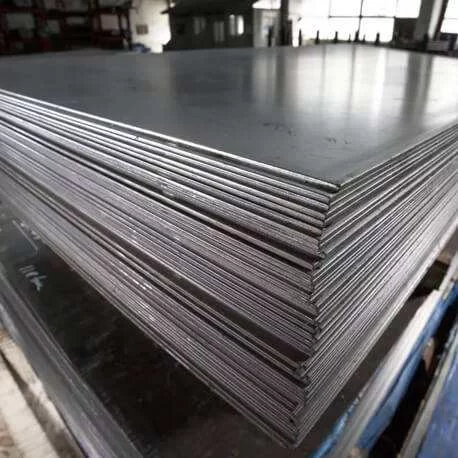
A 0.5 mm steel sheet refers simply to a flat steel product rolled to a thickness of half a millimeter—roughly the thickness of three stacked credit cards. Despite being thin, steels used at this gauge aren’t flimsy. Through alloying and heat treatments, these sheets maintain tensile strength that supports structural and functional demands across sectors.
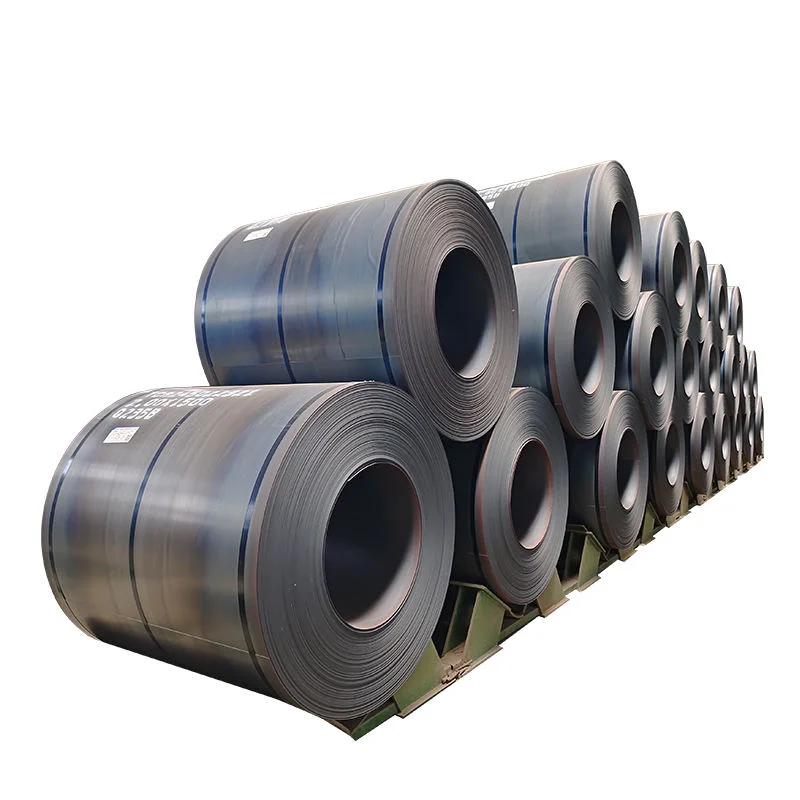
Industrially, these sheets are often hot or cold rolled and might be galvanized or coated to improve durability. Humanitarian efforts, like constructing rapid shelter solutions after natural disasters, also rely on these thin sheets for their deployability and sturdiness — providing quick, safe shelter without the heavyweight logistics of thicker panels.
Core Characteristics of 0.5 mm Steel Sheet
Durability and Strength
It’s easy to underestimate a half-millimeter thick sheet’s robustness. Yet, with the right steel grade and processing, it withstands bending, weather, and mild impacts. This durability makes it a favorite for automotive body panels and consumer appliance casings, where you want strength but minimal added weight.
Cost Efficiency
Less material means less cost – but that’s not the whole story. Producing consistent 0.5 mm sheets needs precision, which can add cost upstream. Still, the savings in transport, assembly, and eventual recycling generally tip the scales favorably.
Versatility & Scalability
Sheet metal at this thickness adapts well to high-volume roll-to-roll manufacturing, enabling scalable production of components. From tiny electronics enclosures to towering billboard frames, the sheet's dimensions can be cut or formed to many shapes seamlessly.
Surface Finishing & Coatings
Appearance and corrosion resistance matter, especially where sheets serve outdoors. Many 0.5 mm steel sheets receive coatings like zinc plating or polymer laminates to extend longevity and aesthetics.
Environmental Impact
Using thinner steel means less raw material consumption, which is a plus for sustainability initiatives. Additionally, steel’s nearly 100% recyclability amplifies the green credentials of thin sheets — a neat trick in today’s carbon-conscious world.
Mini takeaway: A 0.5 mm steel sheet blends surprisingly high strength with affordability and environmental benefits, making it essential for modern industries.
Typical Specifications of 0.5 mm Steel Sheets
| Property |
Typical Value |
Comments |
| Thickness | 0.5 mm (+/- 0.02 mm) | Critical for uniformity |
| Tensile Strength | 220-350 MPa | Depends on steel grade |
| Coatings | Galvanized/Zinc, Polymer | Corrosion resistance options |
| Density | 7.85 g/cm³ | Standard steel density |
| Surface Finish | Smooth, Matte, or Glossy | Customizable per client need |
| Width | 1000 - 1250 mm | Varies by mill |
Global Applications: Where 0.5 mm Steel Sheets Shine
The versatility of these sheets finds them everywhere. Automotive manufacturing leads the pack—thin sheets are shaped into car body panels that balance crash safety, weight, and style. In Asia, factories churn out millions of these panels yearly, responding to rising vehicle demand.
Construction uses thin steel for roofing and siding, especially in regions like Europe and the Americas where strict building codes favor lightweight, recyclable materials. For example, in post-disaster relief operations across Southeast Asia, NGOs use 0.5 mm steel sheets to build quick, strong shelters — combining speed of deployment with long-term assurance for survivors.
Even electronics manufacture depends on these thin sheets for internal chassis or heat shields, particularly important as devices grow slimmer.
Mini takeaway: From urban skyscrapers to emergency shelters, 0.5 mm steel sheets fulfill demands for strength, speed, and sustainability worldwide.
Advantages & The Long-Term Value of Embracing Thin Steel Sheets
- Cost savings: Less raw material means reduced production and transport costs, improving overall margins.
- Environmental friendliness: Leaner materials reduce emissions and energy use, aligning with global carbon reduction goals.
- Design flexibility: Manufacturers can experiment with shapes and finishes, enhancing aesthetics and functionality.
- Reliability: Despite its thin profile, the steel’s proven strength offers peace of mind.
- Social impact: Faster building times in aid situations save lives and restore dignity quickly.
Emerging Trends & Innovations in Thin Steel Sheet Production
Strange as it may sound, 0.5 mm steel sheets are at the forefront of green tech trends. Some mills now integrate hydrogen-based steelmaking to cut CO₂ emissions during production — a big leap forward from traditional blast furnaces. Others are experimenting with digital twins and smart factory techniques, enabling real-time quality control to minimize waste.
Moreover, new coatings, like ultra-thin ceramic layers or nano-compounds, boost rust resistance while preserving recyclability. Automation in rolling mills allows production of ultra-thin sheets with extreme precision, making the 0.5 mm steel sheet even more stable and uniform than ever.
Facing the Challenges Head-On
No product is perfect, and 0.5 mm steel sheets come with their own set of hurdles. Warping during cutting, susceptibility to surface scratches, and corrosion if coatings fail are common issues. The thinness makes handling tricky — even minor mishandling can cause dents or creases.
To mitigate, many vendors are investing heavily in packaging innovations and automated roll-handling equipment. On the processing side, customers often request extra quality inspection steps or specify multi-layer coatings for harsh environments.
Frequently Asked Questions About 0.5 mm Steel Sheet
- What industries most commonly use 0.5 mm steel sheets?
- The automotive sector is a top user, especially for body panels, followed closely by construction, electronics, and appliance manufacturing. Each values its blend of lightness and durability.
- How does 0.5 mm steel compare with thicker gauges in terms of corrosion resistance?
- Thinner sheets naturally have less material to resist corrosion, so surface treatments like galvanizing or polymer coatings are essential to protect them. Without these, they corrode faster than thicker steel.
- Can 0.5 mm steel sheets be recycled effectively?
- Absolutely. In fact, steel is one of the most recycled materials globally. Thin sheets can be melted down and repurposed many times without losing quality.
- Is it possible to source customized sizes for 0.5 mm steel sheets?
- Yes, many companies offer custom cutting and finishing to meet specific project needs, including different widths, lengths, and coatings.
- How do I ensure quality when ordering 0.5 mm steel sheets internationally?
- Look for suppliers with ISO certification and request detailed test reports for thickness and tensile strength. Also, vet their packaging and logistics to minimize damage during shipment.
Comparing Leading Vendors of 0.5 mm Steel Sheet
| Vendor |
Quality Certifications |
Coating Options |
Minimum Order Quantity |
Lead Time |
| BaidySteel |
ISO 9001, SGS |
Galvanized, Polymer, Custom paints |
1 ton |
3 weeks |
| GlobalMetals |
ISO 14001 |
Zinc coated only |
2 tons |
4-5 weeks |
| EcoSteel |
ISO 9001, LEED |
Eco-friendly ceramic coatings |
0.5 ton |
2 weeks |
Conclusion: The Thin Sheet That Makes a Big Difference
It’s fascinating how a 0.5 mm steel sheet — just half a millimeter thick — makes significant ripples in so many industries worldwide. From cutting costs and carbon footprints to enabling life-saving shelters and sleek car models, the material embodies a kind of understated brilliance in manufacturing. It’s rather like a quiet hero behind the scenes, robust yet adaptable enough to meet evolving challenges.
For companies and engineers looking to leverage this versatile material, sourcing quality sheets with consistent thickness and reliable coatings can be a game changer. Want to explore the possibilities of 0.5 mm steel sheet for your projects? Visit BaidySteel’s website to discover product ranges, certifications, and support services.
References:
- World Steel Association
- Wikipedia - Steel
- United Nations Environment Statistics