Understanding Steel Plate Dimension: Why Size Truly Matters
Steel plate dimension might sound like a dry technical detail to some, but honestly, it’s foundational to how steel serves industries all over the world. From towering skyscrapers to essential infrastructure like bridges and pipes—knowing the exact size, thickness, and shape of steel plates ensures things don’t just work, but last. Globally, with steel production hitting around 1.8 billion tons yearly according to the World Steel Association, the humble steel plate dimension is a quietly crucial factor in safety, cost efficiency, and sustainability.
At its core, understanding steel plate dimensions helps avoid costly project delays and failures, making it a topic every engineer, architect, and procurement manager should care about.
Steel Plate Dimension in a Global Context
The steel industry underpins much of global infrastructure, creating jobs for millions and enabling everything from clean energy technologies to transport networks. The United Nations Industrial Development Organization (UNIDO) estimates that steel-intensive industries make up about 5% of global GDP, sad evidence steel plates are intrinsic to modern life.
But with globalization, and projects spanning continents, steel plate dimensions have to meet stricter standards. Variations can cause assembly headaches, structural weaknesses, or even safety risks. Add transportation logistics and environmental regulations, and it’s clear why getting steel plate dimensions right is no small challenge.
For example, engineers working on offshore wind farms in northern Europe carefully select steel plates with precise thickness and length to withstand harsh marine conditions while optimizing cost and weight—a balancing act companies around the world face daily.
A Mini Takeaway:
Even a slight misjudgment in steel plate dimension can ripple into major downstream effects. Global projects demand precision in steel geometry more than ever.
What Exactly Does Steel Plate Dimension Mean?
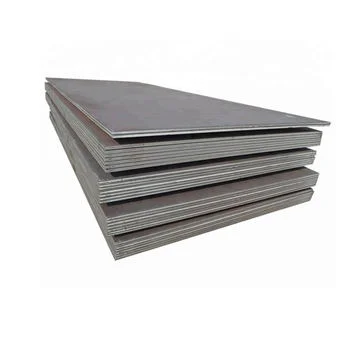
Simply put, steel plate dimension refers to the measurable parameters of a steel plate — its length, width, and thickness. These dimensions are standardized and often tailored per industrial needs. Think of it as the exact “footprint” and “profile” a steel plate occupies.
In industries ranging from shipbuilding to humanitarian relief structures, these dimensions dictate how plates are cut, welded, and fitted together. For instance, steel plates used in emergency shelters must be sized so transport, assembly, and durability considerations align perfectly.
It’s truly a practical science, bridging raw materials with real-world function.
Key Factors That Shape Steel Plate Dimensions
1. Thickness and Load-Bearing Capacity
Thickness typically ranges from a few millimeters to several centimeters. A thicker plate generally means more strength but also higher costs and weight, which affects transportation and installation logistics.
2. Length and Width Variability
Standard plates often come in sizes like 2000x6000 mm, but custom dimensions are common. Size affects cutting waste, structural design, and ease of joining plates on-site.
3. Surface Treatment and Coating
Dimensions also matter in the context of coatings—paint or galvanization—which add tiny increments to thickness but protect against corrosion.
4. Material Grade Related to Dimensions
The steel’s grade influences which dimensions are feasible. High-strength steel plates can be thinner yet stronger, changing how dimensioning decisions are made.
5. Compliance With International Standards
ISO, ASTM, and EN standards define tolerances for dimensions ensuring interoperability across regions. For example, ASTM A516 specifies requirements for thickness and surface quality suitable for pressure vessels.
6. Fabrication and Machining Constraints
Sometimes, dimensions are limited by the machinery available at fabrication plants. Bigger plates need special handling equipment and can limit design choices.
Mini Takeaway:
Picking the right steel plate dimension isn’t just about numbers on a blueprint—it's balancing technical specs with practical limits and cost.
Where Do Steel Plate Dimensions Matter Most? Real-World Uses
Industries like automotive manufacturing, heavy machinery, shipbuilding, and construction cities globally are all dependent on steel plate dimensions being precise.
- Construction: Steel dimensioning impacts building frames and reinforcements that keep skyscrapers standing.
- Energy Sector: Thick, large plates go into pipelines, oil rigs, and wind turbine towers—areas with harsh environmental exposure.
- Defense & Aerospace: Lightweight but strong steel plates improve durability of vehicles and aircraft parts.
- Disaster Relief: Portable steel plates sized correctly help build temporary shelters quickly and safely—essential after earthquakes or floods.
For example, an engineering firm in Japan optimized steel plate sizes to speed up bridge repairs after typhoon damage, balancing both plate dimension and logistics for rapid deployment.
Steel Plate Dimension Product Specifications
| Specification |
Range / Options |
Notes |
| Thickness |
1.5 mm to 200 mm |
Varies by steel grade; thicker plates often custom ordered |
| Length |
1000 mm to 12000 mm |
Adjustable based on project |
| Width |
1000 mm to 3000 mm |
Standard sizes often preferred for cost efficiency |
| Surface Finish |
Mill finish, Galvanized, Painted |
Coatings add to plate thickness and durability |
| Material Grade |
A36, A516, S355, SS400, etc. |
Each with different strength & dimensional tolerances |
Choosing the Right Vendor: Comparing Steel Plate Suppliers
| Vendor |
Dimension Range |
Customization |
Lead Time |
Certifications |
| Alpha Steel Ltd. |
1.5–150 mm thickness; up to 10,000 mm length |
Low to medium |
4–6 weeks |
ISO 9001, ASTM |
| Beta Metals Corp. |
Up to 200 mm thickness; lengths to 12,000 mm |
High customization available |
2–4 weeks |
ISO 14001, ASTM, EN |
| Gamma Steelworks |
Standard sizes; thickness 3–50 mm |
Medium |
6–8 weeks |
ISO 9001 |
Advantages of Knowing Your Steel Plate Dimensions Inside and Out
When engineers and project managers nail down the right steel plate dimension early, the benefits cascade. Cost savings emerge from minimized scrap and optimized transportation. Sustainability improves by avoiding over-specification that wastes materials and energy, essential for companies aiming for green certifications.
On the emotional side, there’s peace of mind from knowing the structural integrity matches or exceeds safety codes—which can mean the difference between disaster and durability.
Trust also builds between suppliers and clients when dimensions are transparent and consistent. In disaster zones, for example, quick reliable fabrications mean shelter for families, turning a difficult moment into hope.
Emerging Trends and Innovations Affecting Steel Plate Dimensions
New fabrication technologies like laser cutting and robotic welding are enabling more precise dimension control and faster turnaround. Meanwhile, advanced steel grades allow thinner plates with better strength, reshaping conventional dimension norms.
Also, digital tools like BIM (Building Information Modeling) integrate 3D dimension data of steel components, making design and installation frictionless across global teams.
Eco-conscious manufacturing increasingly drives selection toward optimized dimensions that balance resource use with performance—especially in renewable energy projects.
Challenges and Solutions in Steel Plate Dimension Management
Despite advances, challenges remain. Variability in steel production can cause dimensional inconsistencies, requiring rework or redesign. Logistics—handling large, heavy plates—can constrain available sizes, especially in remote locations.
Innovative solutions include modular designs using smaller plates joined precisely, and predictive analytics in quality control to catch dimension deviations early. Plus, enhanced supplier collaboration improves specification accuracy from order to delivery.
FAQ: Your Steel Plate Dimension Questions Answered
Q1: How do I choose the right steel plate thickness for construction projects?
A: Consider load requirements, environmental conditions, and relevant codes. Thicker plates provide strength but increase cost and weight. Consulting standards like ASTM and using engineering calculations ensures safety without overbuilding.
Q2: Can steel plate dimension affect corrosion resistance?
A: Indirectly, yes. Surface treatments add thickness but protect against corrosion. Also, dimensional tolerances impact fit and seal quality, which affects exposure to corrosive elements.
Q3: Are customized steel plate dimensions more expensive?
A: Typically, yes. Custom sizes may require special tooling or materials handling. However, optimized dimensions can reduce waste and installation time, sometimes balancing overall costs.
Q4: How do international projects handle differing steel dimension standards?
A: Many projects rely on widely recognized standards like ISO or ASTM to harmonize specifications. Effective communication with vendors and thorough checking is critical to prevent mismatches.
Wrapping Up: The Importance of Precision in Steel Plate Dimension
Steel plate dimension is, honestly, one of those unsung heroes in manufacturing and construction. It’s kind of like the foundation you never see but absolutely trust to hold up your house. Getting it right means saving costs, boosting safety, enhancing sustainability, and even supporting global humanitarian efforts.
To explore specific sizes, grades, and supplier options, check out steel plate dimension data and reach out for tailored advice. Steel shapes our world one precise dimension at a time.
References
- World Steel Association Statistics
- ISO Standards on Steel Products
- Steel - Wikipedia