Understanding 12 Gauge Steel Plate: Why It Matters Globally and Across Industries
Steel plates might seem like a dreary topic at first glance, but the 12 gauge steel plate is actually quite a fascinating subject—and an essential one. It’s a common term across construction, manufacturing, and even humanitarian sectors worldwide. Why does it matter? Because such steel plates form the backbone of durable, cost-effective, and scalable infrastructure, especially in critical applications like disaster relief housing, heavy machinery fabrication, and structural support.
Frankly, understanding the nuances of 12 gauge steel plate isn’t just for engineers or metalworkers; it’s about grasping a material that underpins much of modern life. From the global steel market—with its estimated value of over $2 trillion according to the World Steel Association—to local industry sites, knowing the specs, advantages, and challenges connected to these steel sheets can shape smarter decisions.
Global Context: The Role of 12 Gauge Steel Plate in Industry and Humanitarian Efforts
Steel production worldwide reached around 1.9 billion metric tons in 2023, and steel plates hold a good chunk of this volume. The 12 gauge steel plate (roughly 0.1046 inches or 2.66 mm thick) strikes a practical middle ground—not too thin but not bulky either.
In regions facing rapid urbanization, or those hit by natural disasters, the availability and utility of steel plates like these are critical. For instance, the UN Office for Disaster Risk Reduction emphasizes robust building materials to improve resilience in vulnerable countries. Here, 12 gauge steel plate offers both strength and ease of handling, addressing challenges such as quick deployment of shelter and industrial components.
What Exactly Is a 12 Gauge Steel Plate?
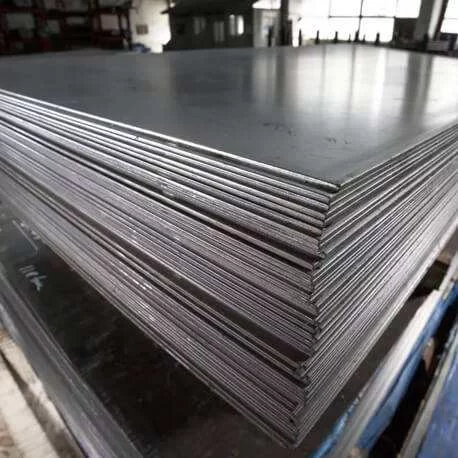
Simply put, a 12 gauge steel plate is a standardized thickness of steel sheet used widely in various applications. The term “gauge” can be confusing because it’s an old measurement based loosely on the number of times the steel was rolled during production. For steel, the lower the gauge, the thicker the plate. At 12 gauge, the steel is about 0.1046 inches thick, robust enough for many structural and industrial uses while still manageable.
It’s connected tightly to modern industry needs—versatile enough to be laser cut on automated production lines or shaped on traditional presses—and humanitarian demands where strength and safety can never be compromised.
Key Features of 12 Gauge Steel Plate
Durability
This steel thickness offers excellent resistance to wear, corrosion (especially when galvanized), and impact. For heavy load-bearing uses—like trucks, bridges, or container housing—it provides a structural balance that prevents warping or buckling.
Cost Efficiency
It’s pretty much the sweet spot between cost and functionality. Thicker plates can be overkill and more expensive, thinner sheets might not hold on under pressure—12 gauge keeps the budget lean without sacrificing safety or resilience.
Scalability
Strong yet flexible enough for modular construction techniques, which is invaluable for remote industrial zones or fast-build urban projects. Many contractors prefer it because it can be joined by welding, bolting, or riveting seamlessly.
Corrosion Resistance
While plain carbon steel is susceptible to rust, the 12 gauge plate is often available in galvanized or stainless variations, making it suitable for outdoor and marine environments.
Manufacturing Versatility
From CNC cutting and punching to bending and stamping, this thickness performs well, allowing for precision without sacrificing structural integrity.
12 Gauge Steel Plate Product Specifications
| Specification |
Details |
| Thickness |
0.1046 inches / 2.66 mm |
| Weight (per sq ft) |
2.67 lbs |
| Common Materials |
Carbon Steel, Galvanized Steel, Stainless Steel |
| Yield Strength |
250 – 550 MPa (varies by grade) |
| Applications |
Construction, Heavy Equipment, Shipping Containers, Industrial Fabrication |
Global Applications and Real-World Use Cases
The 12 gauge steel plate finds itself everywhere—from the bustling manufacturing plants of Germany and South Korea to rapidly developing cities across Africa and Southeast Asia.
- Post-Disaster Relief: Used to quickly build modular shelters that are resilient yet transportable.
- Automotive Industry: Chassis and body panels leverage this gauge for strength without excess weight.
- Infrastructure: Bridges, warehouse floors, and support beams often use 12 gauge plates to balance safety and cost.
- Marine Applications: Galvanized variations help build corrosion-resistant ship components and docks.
Oddly enough, some smaller companies in remote industrial zones prefer 12 gauge steel plates because they can arrive flat-packed for on-site assembly, reducing shipping costs dramatically. NGOs also benefit when importing supplies internationally due to the standardized sizing and weight.
Advantages and Long-Term Value
Let’s be honest: price matters, but with 12 gauge steel plate, you get more bang for your buck. It’s a durable material with longevity that translates to fewer repairs and lower maintenance. For communities rebuilding after conflicts or disasters, this means more than money—it means dignity and safety.
The social impact is profound: trustworthy materials create lasting shelters; manufacturers can innovate with a reliable substrate; builders gain confidence in the product.
Future Trends and Innovations
In the next decade, expect to see 12 gauge steel plates integrated with smart materials, enhancing corrosion resistance and even self-healing capabilities, though those are still emerging.
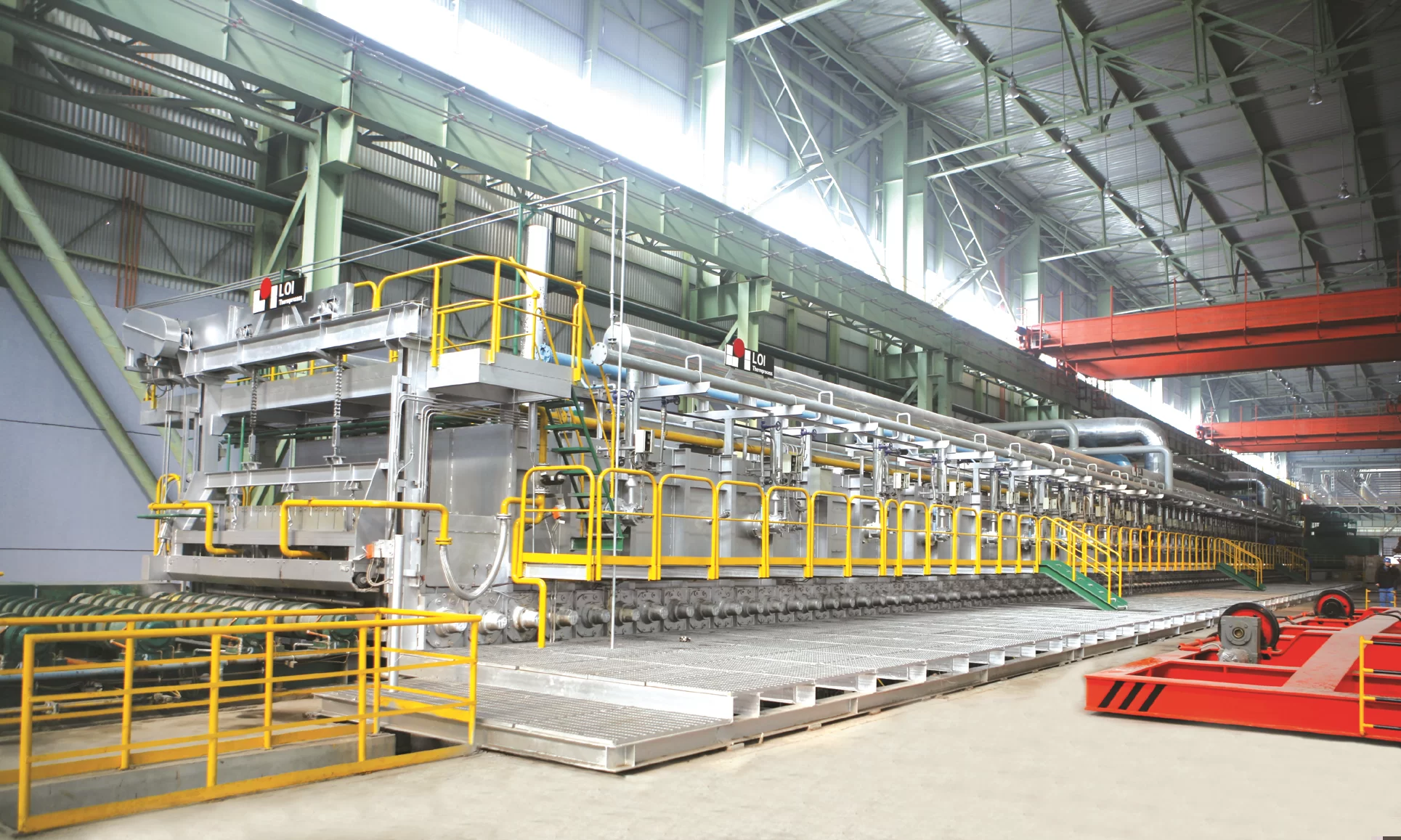
Digitally, automated production lines paired with AI-driven quality control improve cutting precision and reduce waste. On the sustainability front, recycled steel content is increasing, and green manufacturing practices are becoming the norm.
In some advanced factories, real-time sensors embedded into steel sheets to monitor structural health—this is where tradition meets cutting-edge tech.
Challenges and Solutions
Of course, no material is perfect. The 12 gauge steel plate can be prone to corrosion if left untreated, with welding sometimes leading to brittleness if improper techniques are used.
Solutions are emerging: better galvanizing methods, powder coatings, and post-weld heat treatments greatly enhance lifespan. Also, industry-wide standardization, like ISO 630 or ASTM A569, ensures consistent quality across global suppliers.
Vendor Comparison: Popular 12 Gauge Steel Plate Suppliers
| Vendor |
Material Quality |
Price |
Lead Time |
Customization |
| Baidy Steel |
High-grade carbon & galvanized |
Competitive |
2-4 weeks |
Laser cutting, custom sizes |
| Global Steel Inc. |
Standard carbon steel |
Moderate |
3-5 weeks |
Limited customization |
| SteelPro Supplies |
Stainless and galvanized |
Premium |
1-3 weeks |
Full custom fabrication |
Frequently Asked Questions About 12 Gauge Steel Plate
- What distinguishes 12 gauge steel plate from other thicknesses?
- 12 gauge steel plate sits in a practical thickness range (about 0.1046 inches) that balances durability and ease of fabrication, making it ideal for structural use without excessive weight or cost.
- Is 12 gauge steel plate suitable for outdoor use?
- Yes, especially when galvanized or stainless variants are used, 12 gauge steel plates resist corrosion effectively, making them suitable for outdoor structures, shipping containers, or marine uses.
- Can 12 gauge steel plates be customized for specific projects?
- Absolutely. Modern suppliers offer cutting, punching, and shaping services that allow tailoring plates to precise dimensions, saving time and material waste during installation.
- How long does a 12 gauge steel structure typically last?
- With proper maintenance and coatings, 12 gauge steel structures can last several decades. Galvanization and paint can significantly extend their lifespan by protecting against rust.
- Are there environmental benefits to using 12 gauge steel plate?
- Definitely. Steel is highly recyclable, and many plates contain recycled content. Sustainable manufacturing processes reduce energy consumption, making steel plates a greener building choice.
Conclusion: The Long-Term Benefits of Choosing 12 Gauge Steel Plate
In real terms, 12 gauge steel plate offers a versatile, durable, and cost-effective solution for countless industries worldwide. From construction to humanitarian relief, its balance of strength and flexibility means it’s not just a material but a foundation for progress and resilience.
Curious to learn more or ready to source high-quality plates? Visit our website: https://www.baidysteel.com — where expertise meets reliability.
Takeaway: Whether you’re an industry pro or simply steel-curious, understanding 12 gauge steel plates unlocks insight into the material fueling today’s infrastructures and tomorrow’s innovations.
References
- World Steel Association - Global Steel Data
- Wikipedia - Sheet Metal and Steel Gauges
- UNDRR - Disaster Risk Reduction