Understanding Galvanized Iron Sheet Roofing: Durable, Cost-Effective, and Globally Relevant
In an era where resilient and affordable construction materials are more critical than ever, galvanized iron sheet roofing remains a quiet hero across industries and geographies. From bustling urban developments to emergency shelters in disaster-prone zones, these roofs offer a practical blend of durability and value. But why exactly should we care about galvanized iron sheet roofing on a global scale? Simply put, they’re pivotal in meeting housing demands that are both sustainable and scalable, while also addressing challenges posed by climate change and rapid urbanization.
Oddly enough, despite their ubiquity, many don’t fully grasp what makes galvanized iron sheets so essential — and that’s what this article aims to explore.
Global Context & Industry Relevance
As of recent UN reports, roughly 1.6 billion people worldwide still live in inadequate housing. That’s a massive number by any measure, and galvanized iron sheet roofing emerges as a practical solution in many parts of Asia, Africa, and Latin America. The World Bank also notes an accelerating demand for affordable, robust roofing materials, driven by urban expansion and climate resilience needs.
This type of roofing directly combats issues like moisture damage and corrosion, which can render traditional materials ineffective, especially in regions with humid or coastal climates. It solves a crucial problem—providing safe, weather-resistant shelter faster and more affordably than traditional roofing methods.
Defining Galvanized Iron Sheet Roofing
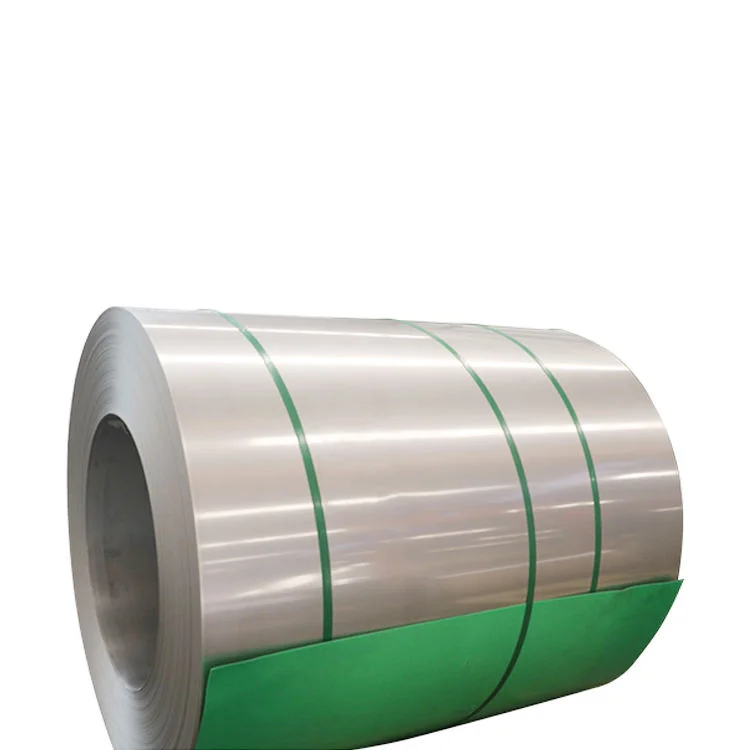
At its core, galvanized iron sheet roofing consists of iron sheets coated with a protective layer of zinc via a process called galvanization. This zinc coating is what guards against rust and extends the sheet’s lifespan.
Modern industries, from manufacturing to construction and even humanitarian relief organizations, rely on these sheets for their adaptability and long-lasting qualities. Whether it’s a permanent commercial building or a temporary shelter after a natural disaster, galvanized iron roofing plays an indispensable role.
Core Components & Key Factors
1. Durability
Thanks to the zinc coating, galvanized iron is much more resistant to corrosion compared to untreated iron. This means the roofing can last upwards of 20-30 years if installed and maintained properly — quite impressive for cost-sensitive projects.
2. Cost Efficiency
Compared to clay tiles or wooden shingles, galvanized iron sheets strike an attractive balance between upfront cost and long-term savings. They’re lightweight too, reducing transport and installation costs.
3. Ease of Installation
The sheets can be quickly cut, shaped, and mounted, making them ideal for rapid deployment scenarios — think disaster recovery efforts where time is of the essence.
4. Weather Resistance
Beyond corrosion, galvanized sheets are effective at deflecting rain and wind, especially when paired with appropriate underlayers and fasteners.
5. Sustainability
Many galvanized iron sheets are now produced with recyclable materials and environmentally friendly galvanizing processes, aligning with global sustainability goals.
| Specification |
Typical Values |
| Sheet Thickness |
0.3mm - 1.2mm |
| Zinc Coating Weight |
40 - 275 g/m² |
| Lifespan |
20-30 years (average) |
| Standard Width |
600mm - 1200mm |
| Weight per Sheet |
2.5 - 7 kg |
Global Applications & Use Cases
Galvanized iron sheet roofing is everywhere — affording safety and shelter under countless circumstances. In South Asia and Sub-Saharan Africa, for example, NGOs heavily rely on them for fast-track housing in flood-hit areas. These sheets withstand torrential rains and provide immediate shelter when every hour counts.
Industries like mining camps in Australia and remote warehouses in Canada also benefit from these roofs due to their durability and low maintenance. In urban settings, they’re often incorporated into residential and commercial architecture as cost-saving roofing solutions.
If you’re curious about more specific applications, don’t miss exploring options like galvanized iron sheet roofing. Their modularity and adaptability make them solutions for both temporary and semi-permanent structures.
Quick Mini Takeaway:
- Galvanized iron roofing transcends borders and industries.
- Its fast installation suits urgent humanitarian and industrial demands.
Advantages & Long-Term Value
Honestly, part of galvanized iron sheet roofing’s charm is its blend of practicality and emotional reassurance. It’s not just steel; it’s shelter that protects families from harm and provides peace of mind during uncertain times.
From a tangible perspective, its cost-effectiveness reduces both initial expenses and ongoing maintenance, making it an ideal choice for governments and NGOs under budget constraints. Environmentally, its recyclability and compatibility with green building certifications underscore a commitment to sustainability.
Vendor Comparison: Leading Suppliers in Galvanized Iron Sheet Roofing
| Supplier |
Zinc Coating Range (g/m²) |
Sheet Thickness (mm) |
Custom Orders |
Sustainability Certifications |
| Baidi Steel |
40 - 275 |
0.3 - 1.2 |
Yes |
ISO 14001 |
| Global Metal Supplies |
50 - 220 |
0.4 - 1.1 |
Limited |
LEED Compliant |
| EcoCoat Steel |
60 - 275 |
0.3 - 1.3 |
Yes |
ISO 14001, FSC |
Future Trends & Innovations
The galvanized iron roofing sector is quietly evolving. Innovations are buzzing around environmentally friendlier galvanization techniques, reducing harmful chemical use, and integrating smart sensors that monitor roof integrity in real-time.
Green energy integration is another compelling trend — imagine galvanized roofing sheets designed to support lightweight solar panels seamlessly. This can turn humble roofs into power generators, especially beneficial in off-grid regions.
Challenges & Solutions
Now, of course, nothing’s perfect. Galvanized iron sheets can dent or scratch easily if mishandled, which compromises corrosion protection. They may also conduct heat and noise unless properly insulated.
Experts recommend combining galvanized sheets with protective coatings and quality underlayments. Advances in polymer overlays and foam insulation are helping mitigate these downsides, making the sheets increasingly suitable for diverse climates.
FAQ: Common Questions About Galvanized Iron Sheet Roofing
- Q: How long does galvanized iron sheet roofing typically last in coastal areas?
A: With proper maintenance and adequate zinc coating thickness (above 180 g/m²), galvanized roofing can last 20+ years even in salty, corrosive environments typical of coastal zones.
- Q: Is galvanized iron roofing fire-resistant?
A: Yes, galvanized iron sheets have excellent fire resistance compared to wood or plastic roofing. They do not ignite and help prevent fire spread, adding a safety advantage.
- Q: Can these sheets be recycled?
A: Absolutely. Steel and zinc coatings are recyclable, and many manufacturers use recycled content in production, supporting circular economy principles.
- Q: Are galvanized iron sheets suitable for cold climates?
A: They are, but additional insulation is necessary to mitigate metal’s thermal conductivity, preventing heat loss and condensation issues.
- Q: How can international organizations source galvanized roofing reliably?
A: Partnering with trusted suppliers like Baidi Steel ensures quality certification and timely delivery, backed by expertise in export logistics.
Conclusion
In real terms, galvanized iron sheet roofing stands as a cost-effective, durable solution shaping housing and infrastructure worldwide. Whether you’re an engineer, an NGO worker, or a developer, embracing galvanized roofing means investing in longevity, resilience, and sustainability.
Interested in exploring top-grade galvanized roofing? Visit our website: https://www.baidysteel.com — to learn more about specifications, custom orders, and global availability.
It feels like galvanized iron roofing isn’t just about sheets of metal. It’s about building trust and safety—one roof at a time.
References
- United Nations Human Settlements Programme
- World Bank Urban Development
- ISO 14001 Environmental Management