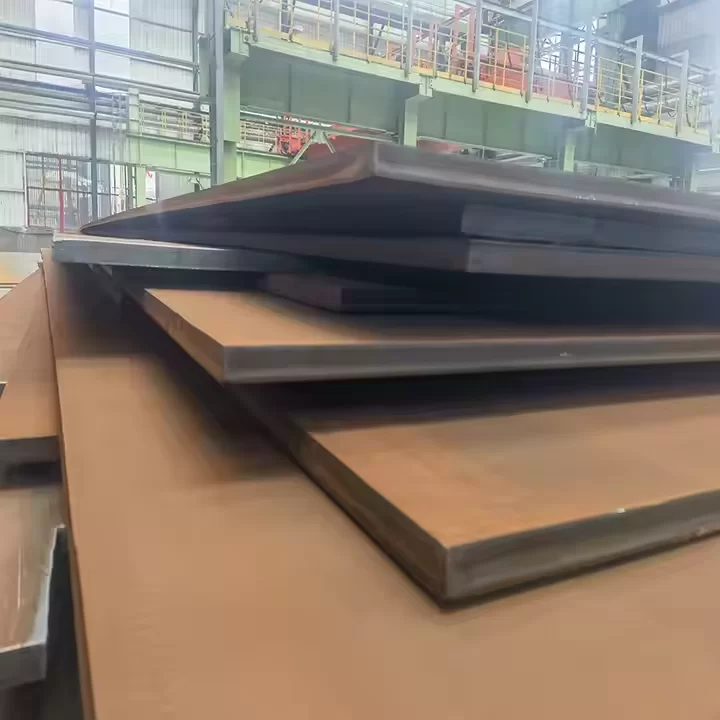
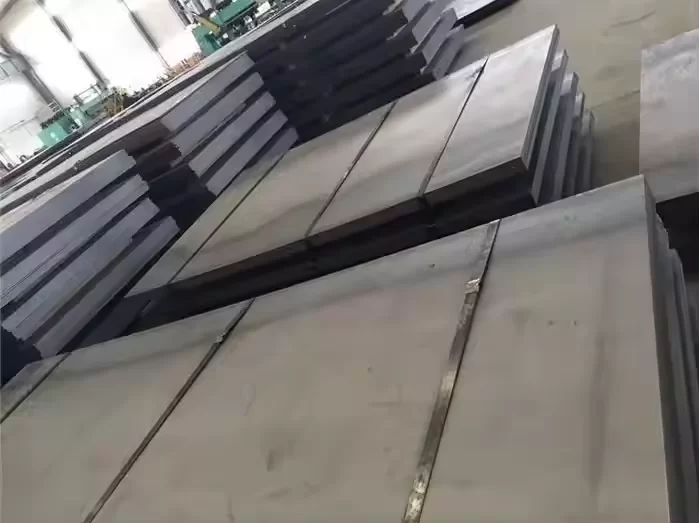
Galvanized Sheet Metal for Walls: Durable Solutions for Modern Construction
Galvanized sheet metal for walls is one of those materials you might overlook, yet it quietly forms the backbone of countless structures worldwide—from humble sheds to towering industrial warehouses. Essentially, it’s steel coated with a thin layer of zinc, which makes it resistant to rust and corrosion. But why does this matter globally? Well, steel’s susceptibility to corrosion has always been a challenge in construction, especially in harsh environments. Galvanization extends the lifespan of sheet metal substantially, making buildings safer, more sustainable, and cost-efficient. Understanding galvanized sheet metal for walls isn’t just a niche technical topic; it’s vital across industries including humanitarian aid, manufacturing, and infrastructure development.
Mini takeaway: Galvanized sheet metal offers a corrosion-resistant, durable wall material critical to modern construction and global infrastructure projects.
Global Context: A Growing Need for Robust Building Materials
According to the United Nations Environment Programme (UNEP), the global construction industry accounts for nearly 39% of carbon emissions, much of it linked to materials production and waste. With urbanization booming — especially in Asia and Africa — low-cost, long-lasting building materials have never been more critical. Galvanized sheet metal for walls fits this bill by providing strength while reducing maintenance and repair costs.
Industrial applications requiring weather-resistant materials continue to expand, as evidenced by ISO data showing a steady rise in galvanized steel production—highlighting its sustained relevance to economies worldwide. However, challenges remain, such as the environmental impact of zinc mining and energy-intensive processes. That’s why innovation in production techniques and recycling is also key.
Mini takeaway: Demand for durable, low-maintenance building materials is global, with galvanized metal well-positioned to meet these needs sustainably.
What Is Galvanized Sheet Metal for Walls?
Simply put, galvanized sheet metal is ordinary steel sheet that’s been coated with zinc, typically through a hot-dip process. This zinc layer acts like a sacrificial shield, preventing rust from forming—even if the surface is scratched. When used for walls, these sheets provide a sturdy, weather-resistant enclosure that’s easy to install and maintain.
Modern industry relies on galvanized sheet metal for a variety of applications: construction of industrial structures, agricultural buildings, and even emergency housing. NGOs, for example, use galvanized panels in post-disaster relief to quickly erect durable shelters. So, it bridges commercial engineering demands with humanitarian challenges, which feels like a small but powerful intersection of technology and life-saving practicality.
Mini takeaway: Galvanization protects steel walls from corrosion, making it ideal for both industrial and emergency applications.
Key Factors of Galvanized Sheet Metal for Walls
Durability
The zinc coating extends lifespan significantly, sometimes doubling or tripling it compared to uncoated steel. It offers protection against harsh weather, salt air in coastal zones, and industrial pollution.
Cost Efficiency
Though initial costs can be higher than bare steel, reduced upkeep and longer service life make galvanized sheets more economical over time. Plus, they’re lightweight, reducing installation labor and transportation expenses.
Scalability and Versatility
Available in various gauges, sizes, and finishes, galvanized sheet metal suits both large industrial builds and smaller residential projects. It can be easily cut, bent, and fastened to suit design needs, making it versatile.
Sustainability
Thanks to the recyclability of steel and zinc, galvanized sheets can be repurposed with minimal waste, aligning with circular economy goals. Advances in greener galvanizing methods are underway as environmental pressure mounts.
Maintenance
Generally low-maintenance — washing off sediments and debris is often sufficient. The zinc coating self-heals minor scratches, which helps prevent corrosion from spreading.
Typical Product Specifications: Galvanized Sheet Metal for Walls
| Specification |
Range / Value |
Comment |
| Thickness (Gauge) |
22–28 gauge (0.6 to 0.3 mm) |
Common wall panel thickness |
| Zinc Coating Weight |
G60 to G90 (0.6 - 0.9 oz/ft²) |
Higher coating = better corrosion resistance |
| Panel Width |
24 to 36 inches (610 to 915 mm) |
Standard widths for wall cladding |
| Length |
6 to 12 feet (1.8 to 3.7 m) |
Custom lengths available |
| Finish |
Spangled or matte |
Aesthetic and reflective options |
Global Applications & Use Cases
Across continents, galvanized sheet metal walls are seen in everything from industrial plants in Europe to agricultural barns in the U.S. Midwest, and temporary shelters in Southeast Asia. In post-disaster relief operations—think typhoons in the Philippines or earthquakes in Nepal—NGOs often choose galvanized sheet metal for temporary walls due to its durability and ease of transport.
Remote mining camps in Australia and Canada also rely on these panels for quick construction of durable site buildings that resist the elements. The military uses it for field installations and workshop walls because it balances strength with speed of deployment.
Oddly enough, even urban architecture increasingly uses galvanized metal panels for modern aesthetic facades and sustainable retrofits. The industrial feel is in vogue, particularly in green building projects targeting LEED certification.
Mini takeaway: From disaster zones to urban centers, galvanized metal walls are versatile assets supporting diverse sectors worldwide.
Advantages & Long-Term Value
- Cost Savings: Reduced need for frequent replacement or repainting.
- Sustainability: Recyclable, extends building life, and newer galvanizing reduces environmental harm.
- Safety & Security: Robust against fire, pests, and weather extremes.
- Emotional Value: In disaster relief, it restores dignity with stable, protective shelter.
- Innovation & Trust: Proven track record with certifications and standards that developers trust.
Vendor Comparison: What to Expect From Major Suppliers
Galvanized Sheet Metal Vendors: Key Features Comparison
| Feature |
Vendor A |
Vendor B |
Vendor C |
| Coating Thickness Options |
G60–G90 |
G40–G90 |
G60 only |
| Customization (Cut & Length) |
Yes |
Limited |
Yes, but MOQ applies |
| Lead Time |
2–3 weeks |
1 week |
4 weeks |
| Sustainability Certification |
ISO 14001 |
None |
ISO 14001 & LEED |
| Global Shipping |
Yes |
Limited to North America |
Yes |
Future Trends and Innovations
Experts foresee a shift toward eco-friendlier galvanizing methods, including the use of recycled zinc and less energy consumption. Digital transformation is driving more precise coating thickness monitors to enhance material performance while lowering waste. Automation in manufacturing plants improves production speed and quality consistency, which means faster delivery to construction sites.
Plus, the rise of green building codes worldwide is pushing galvanized sheet metal manufacturers to innovate with coatings that improve recyclability or integrate photovoltaic layers for solar energy harnessing. Who knew walls could play a part in renewable energy?
Challenges & Solutions
A common challenge is zinc coating degradation in extremely acidic or alkaline environments. In such cases, combining galvanization with protective paint or polymer coatings has proven effective. Also, installation errors (like improper fixing) can lead to corrosion hotspots, so training and quality control on-site are crucial.
Another hurdle is cost fluctuations tied to zinc prices and supply chain disruptions—lessons from COVID-19 taught us the importance of diversified sourcing and on-time inventory management.
FAQ: Frequently Asked Questions About Galvanized Sheet Metal for Walls
- What makes galvanized sheet metal preferable for wall applications over regular steel?
- Galvanized sheet metal has a zinc coating that prevents rust and corrosion, increasing longevity—ideal for walls exposed to weather and moisture.
- How long can galvanized sheet metal walls last in outdoor conditions?
- Typically, 40–60 years depending on coating thickness and environment. Proper maintenance extends this further.
- Is galvanized sheet metal recyclable?
- Yes, both steel and zinc are highly recyclable, contributing to sustainability goals and reducing environmental impact.
- Can galvanized panels be customized for irregular building shapes?
- Absolutely. They can be cut, bent, and shaped to fit unique design requirements, making them highly versatile.
- How can NGOs source galvanized sheet metal for disaster relief housing quickly?
- Working with international suppliers who offer stock availability and express shipping can expedite delivery. Building local partnerships helps too.
Conclusion: Strong, Sustainable Walls for a Changing World
Galvanized sheet metal for walls brings a practical blend of durability, cost-efficiency, and sustainability that modern construction demands. From industrial applications to humanitarian relief efforts, its resilient nature ensures structures stand the test of time—and weather. Whether you're planning a new build or retrofitting an existing structure, considering galvanized walls means investing in safety, longevity, and environmental stewardship.
For tailored solutions and more on galvanized metals, explore galvanized sheet metal for walls and see how your projects can benefit.
Mini takeaway: Durable and eco-friendly, galvanized sheet metal is a future-forward choice for wall construction worldwide.
References
- United Nations Environment Programme (UNEP)
- ISO Standards on Steel and Galvanization
- Wikipedia: Galvanization