Black steel plate is a foundational material in modern construction, manufacturing, and infrastructure projects globally. Its robust characteristics, including high tensile strength and weldability, make it a versatile choice for a wide range of applications. Understanding its properties and applications is crucial for engineers, architects, and procurement professionals seeking durable and cost-effective material solutions.
The demand for black steel plate is directly linked to global economic activity and infrastructure development, particularly in emerging markets. Increasing investment in transportation, energy, and housing drives the need for this essential building block. Fluctuations in raw material prices and geopolitical factors significantly impact its availability and cost, necessitating careful supply chain management.
Black steel plate serves as a critical component in numerous vital industries, directly contributing to safety, stability, and longevity in infrastructure projects worldwide. From bridges and pipelines to heavy machinery and shipbuilding, its widespread use highlights its essential role in modern civilization.
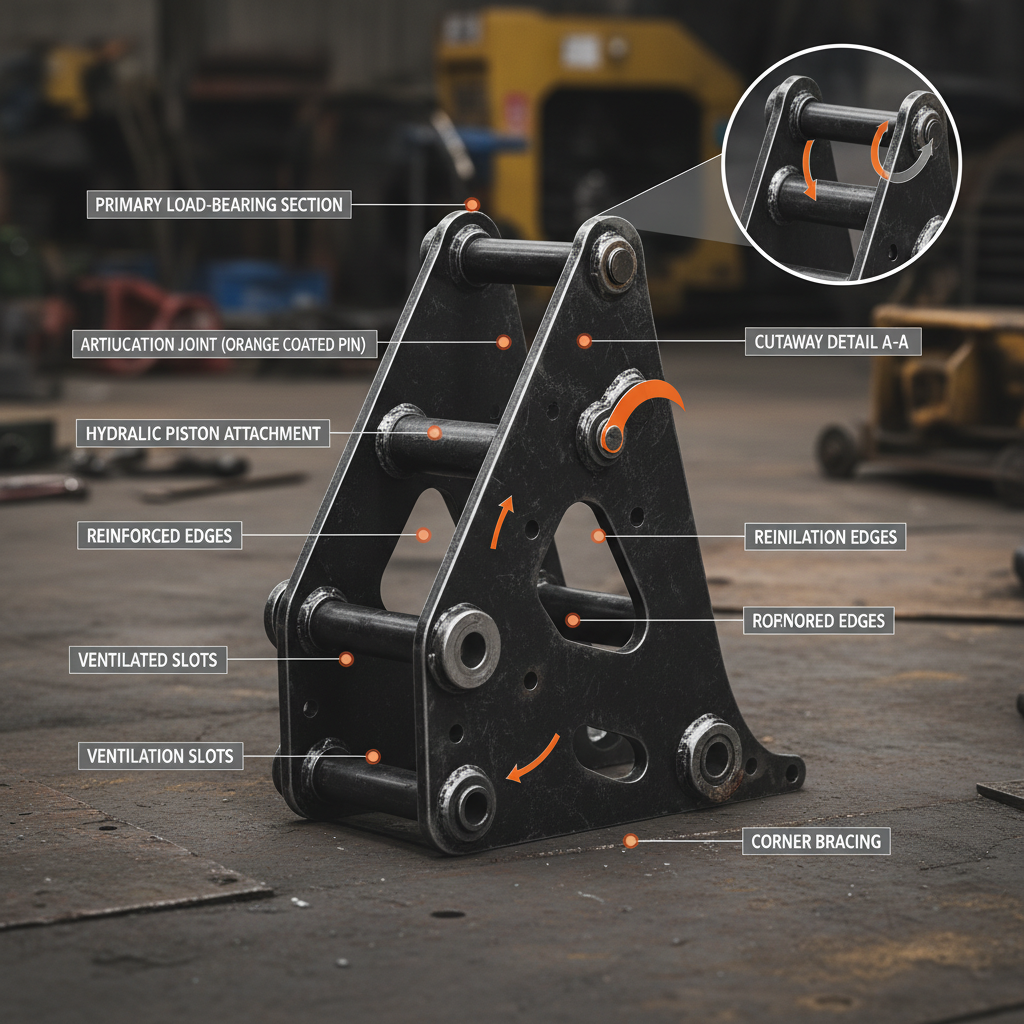
The Significance of Black Steel Plate
Black steel plate is essential to the function of modern society. Its inherent strength and relatively low cost make it ideal for a vast array of applications, from constructing the skyscrapers that define city skylines to forming the hulls of massive cargo ships that facilitate global trade.
Without reliable access to black steel plate, infrastructure projects would be significantly hampered, resulting in increased costs, longer timelines, and potentially compromised safety. Its contribution extends beyond direct construction; it’s integral to the manufacturing of equipment and components used in nearly every sector.
Defining Black Steel Plate
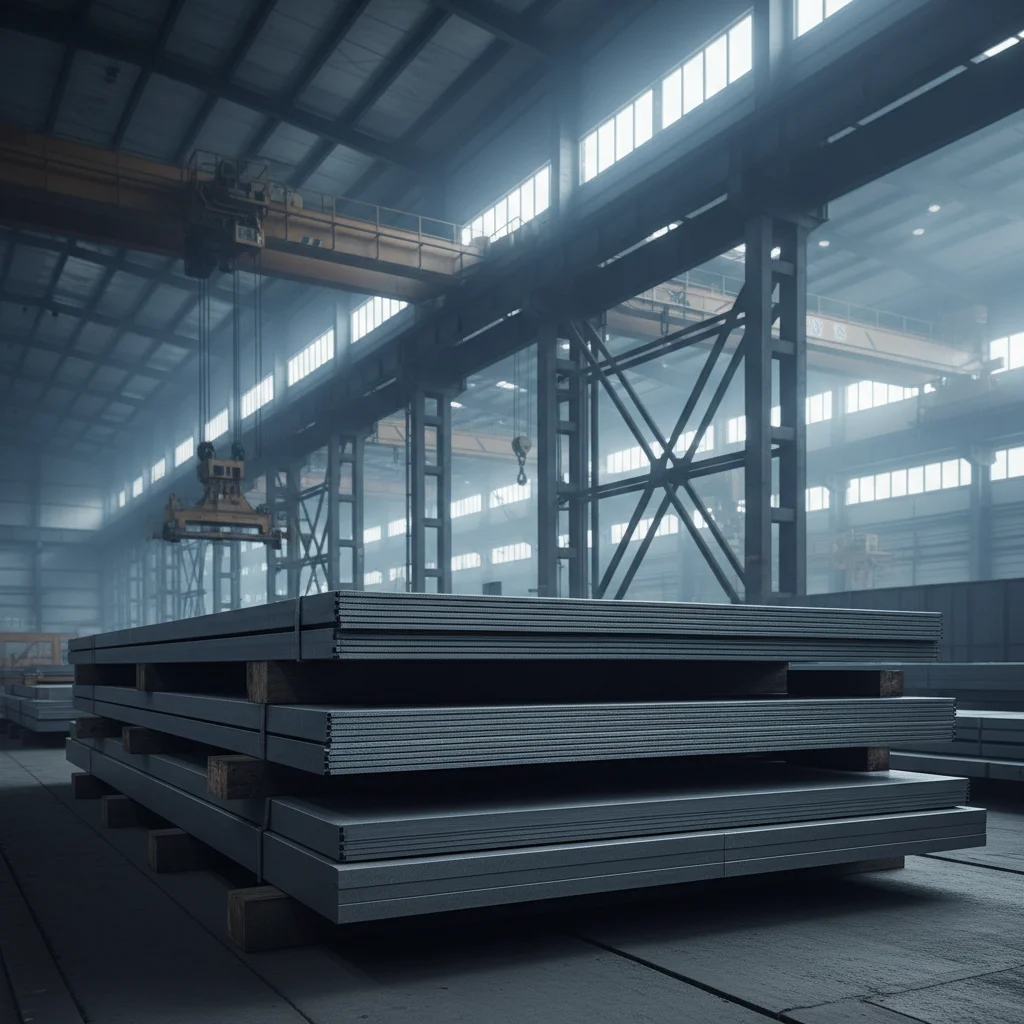
Black steel plate refers to carbon steel that has not been treated or processed in a way that alters its surface. The “black” refers to the mill scale, a layer of iron oxide formed during the hot rolling process. This mill scale provides a degree of corrosion resistance, though it's typically removed before many applications.
Unlike stainless steel or galvanized steel, black steel plate is generally less expensive and easier to weld, making it a popular choice where surface finish and long-term corrosion protection are less critical. Its versatility stems from its ability to be easily formed, machined, and fabricated into a multitude of shapes and structures.
The definition of black steel plate is intrinsically linked to modern industrial practices. It exemplifies a cost-effective and highly functional material that underpins the structural integrity of countless projects and products worldwide, serving both practical and humanitarian needs.
Core Properties of Black Steel Plate
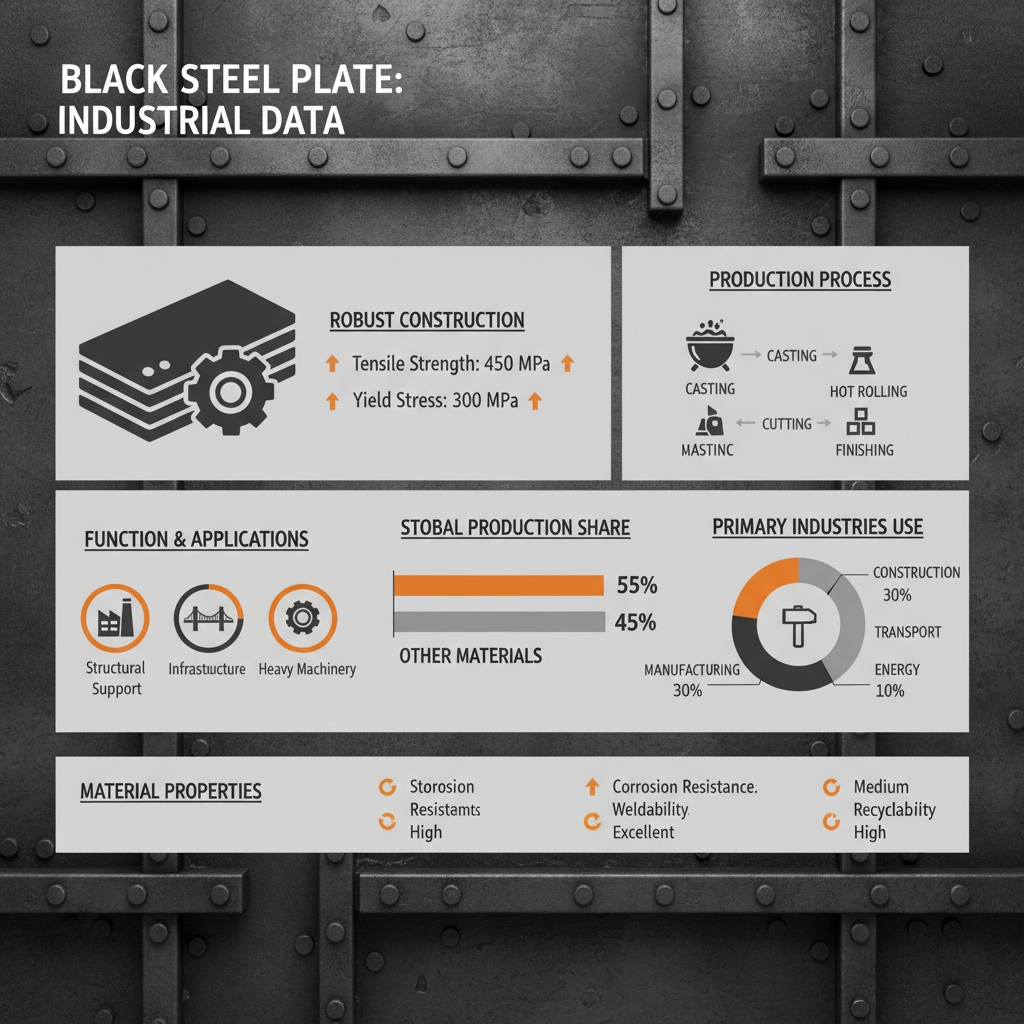
One of the most important properties of black steel plate is its high tensile strength, which allows it to withstand substantial stress and strain without deformation or failure. This strength is directly related to the carbon content of the steel, with higher carbon levels generally resulting in increased hardness and strength.
Weldability is another key characteristic. Black steel plate is easily joined using common welding techniques, simplifying fabrication and assembly. Proper welding procedures and pre-heating are crucial to avoid cracking or weakening the material.
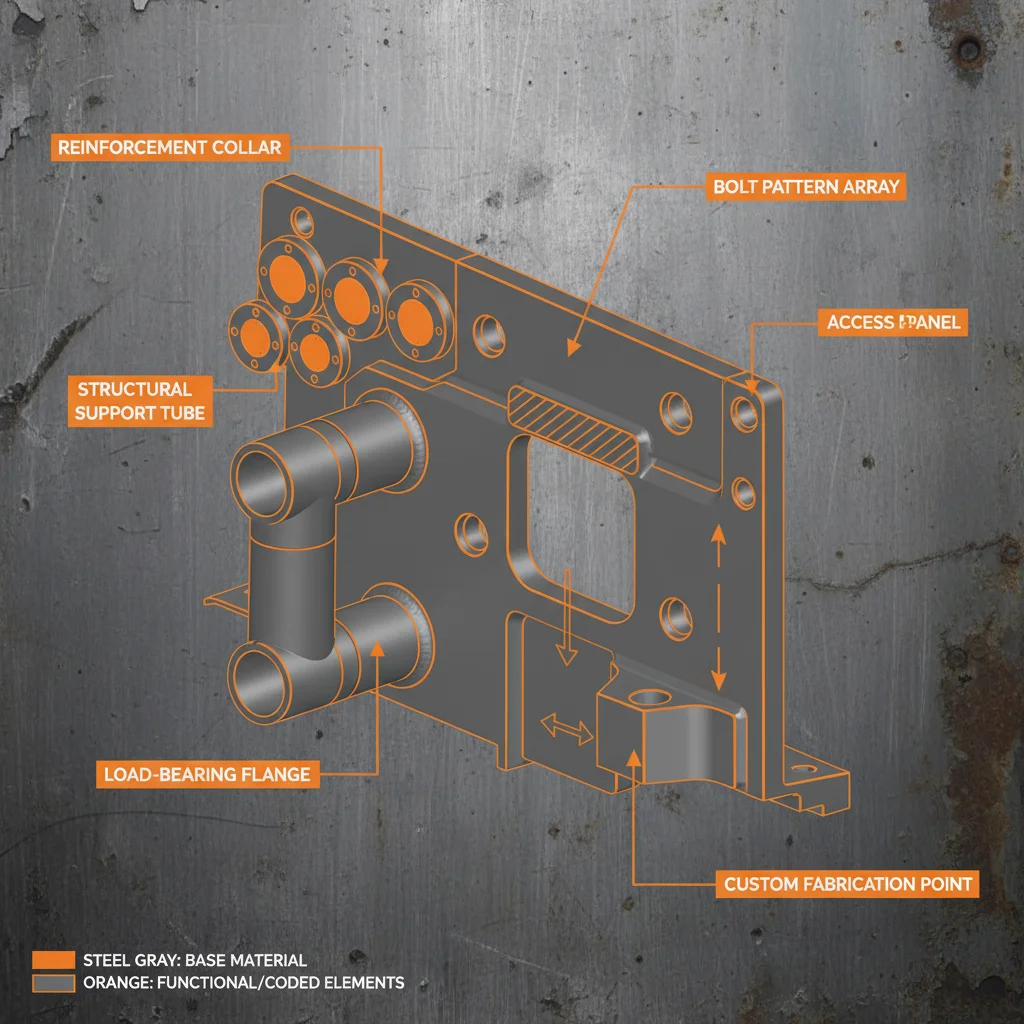
Its formability is also significant. Black steel plate can be bent, rolled, and shaped into complex geometries, expanding its application possibilities. This makes it ideal for creating custom components and structures tailored to specific project requirements.
Applications Across Industries
The construction industry is a primary consumer of black steel plate, utilizing it for structural components such as beams, columns, and floor plates in buildings and bridges. Its strength and durability are crucial for ensuring the safety and longevity of these critical infrastructures.
The manufacturing sector also heavily relies on black steel plate for the production of machinery, equipment, and transportation vehicles. From heavy-duty trucks and construction equipment to industrial boilers and pressure vessels, black steel provides the necessary structural support and resistance to wear and tear.
Black Steel Plate Application Breakdown
Advantages and Long-Term Value
One of the primary advantages of black steel plate is its cost-effectiveness. Compared to other materials like stainless steel or aluminum, black steel offers a significant price advantage without sacrificing essential strength and durability. This makes it particularly attractive for large-scale projects with tight budgets.
The long-term value of black steel plate lies in its reliability and longevity. When properly maintained, structures built with black steel can withstand decades of use, minimizing the need for frequent repairs or replacements. This translates into substantial cost savings over the lifecycle of a project.
Global Applications & Use Cases
In rapidly developing nations, black steel plate is pivotal for building essential infrastructure such as roads, bridges, and power plants, supporting economic growth and improving quality of life. Its availability and affordability make it a practical solution for large-scale development projects.
Across the globe, the oil and gas industry relies heavily on black steel plate for constructing pipelines, storage tanks, and offshore platforms. Its robust construction and resistance to pressure are vital for safely transporting and storing these critical resources.
Even in remote and challenging environments, black steel plate is utilized in construction and manufacturing due to its resilience and adaptability. From mining operations in harsh climates to building research facilities in Antarctica, its versatility proves invaluable.
Future Trends and Innovations
Ongoing research focuses on developing high-strength, low-alloy (HSLA) steel plates with improved corrosion resistance and weldability. These advancements aim to reduce material usage, lower maintenance costs, and extend the service life of structures.
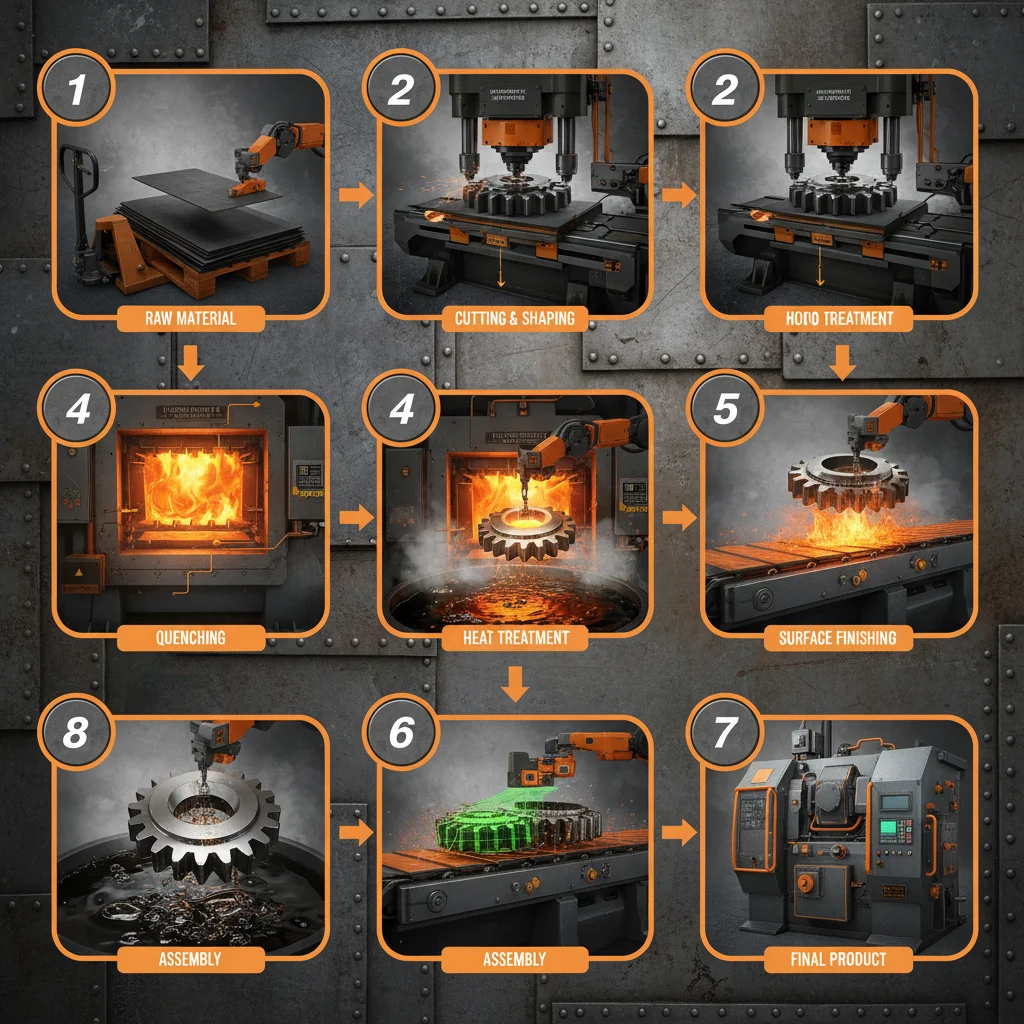
The integration of digital technologies, such as laser cutting and robotic welding, is enhancing the precision and efficiency of black steel plate fabrication. Automation streamlines production processes, reduces errors, and allows for the creation of complex designs.
Sustainability is increasingly driving innovation in the steel industry. Efforts to reduce carbon emissions during steel production and promote the use of recycled materials are gaining momentum, aligning the industry with global environmental goals.
Key Considerations for Optimizing Black Steel Plate Applications
| Material Grade |
Corrosion Protection |
Fabrication Method |
Cost Analysis |
| A36 Carbon Steel |
Protective Coatings (Paint, Epoxy) |
Welding, Bolting, Riveting |
$800 - $1200/ton |
| A572 Grade 50 |
Galvanizing (Limited Protection) |
CNC Cutting, Flame Cutting |
$900 - $1400/ton |
| A283 Grade C |
Oil Priming |
Bending, Forming, Rolling |
$750 - $1100/ton |
| 1018 Carbon Steel |
Surface Treatment (Phosphating) |
Machining, Drilling |
$850 - $1250/ton |
| A500 Grade B |
Powder Coating |
Shearing, Punching |
$950 - $1350/ton |
| HSLA Steel (Various Grades) |
Weathering Steel (Self-Protecting) |
Advanced Welding Techniques |
$1000 - $1500+/ton |
FAQS
Black steel plate is widely used in shipbuilding due to its strength, weldability, and cost-effectiveness. It forms the main structural components of ship hulls, decks, and internal bulkheads. The specific grade of black steel selected depends on the vessel's size and operating conditions, with higher-strength alloys used for larger ships and those operating in harsh environments. Careful consideration is given to corrosion resistance through the application of protective coatings.
The carbon content in black steel plate is a critical factor determining its properties. Higher carbon content generally increases hardness and tensile strength, making the steel more resistant to deformation. However, it can also reduce ductility and weldability. Lower carbon content provides greater ductility and easier welding, but reduces strength. Selecting the appropriate carbon content is therefore crucial based on the intended application.
Mill scale is a flaky layer of iron oxide that forms on the surface of black steel plate during the hot rolling process. While it provides a degree of initial corrosion resistance, it’s generally not considered a long-term protective layer. It can interfere with painting and welding, so it’s often removed through processes like pickling or sandblasting before further processing or application.
Several methods can be used to cut black steel plate, including oxy-fuel cutting, plasma cutting, laser cutting, and shearing. Oxy-fuel cutting is cost-effective for thicker plates but produces a heat-affected zone. Plasma cutting is faster and more precise, while laser cutting provides the highest precision but is more expensive. Shearing is suitable for straight cuts on thinner plates.
Black steel plate is prone to corrosion, so protective measures are essential. Common methods include applying protective coatings like paint, epoxy, or galvanizing. Oil priming provides temporary protection. Weathering steel, a type of black steel, develops a self-protecting rust layer over time, reducing the need for additional coatings. Selecting the appropriate protection method depends on the environment and intended lifespan.
The price of black steel plate fluctuates based on market conditions, thickness, grade, and quantity ordered. As of late 2023/early 2024, prices typically range from $800 to $1500 per ton, but these figures can vary considerably. Surcharges may apply for specific grades, coatings, or delivery requirements. It’s best to obtain current quotes from suppliers for accurate pricing.
Conclusion
Black steel plate remains a foundational material across diverse industries, its strength, versatility, and cost-effectiveness ensuring its continued relevance. From enabling large-scale construction projects to facilitating global trade, its contribution to modern infrastructure is undeniable. Understanding its properties, applications, and emerging trends is crucial for professionals seeking reliable and sustainable material solutions.
Looking ahead, continued innovation in steel production and fabrication, coupled with a growing focus on sustainability, will further enhance the value of black steel plate. By embracing new technologies and prioritizing responsible practices, we can maximize its benefits while minimizing its environmental impact. For further information or to discuss your specific needs, please visit our website: black steel plate.