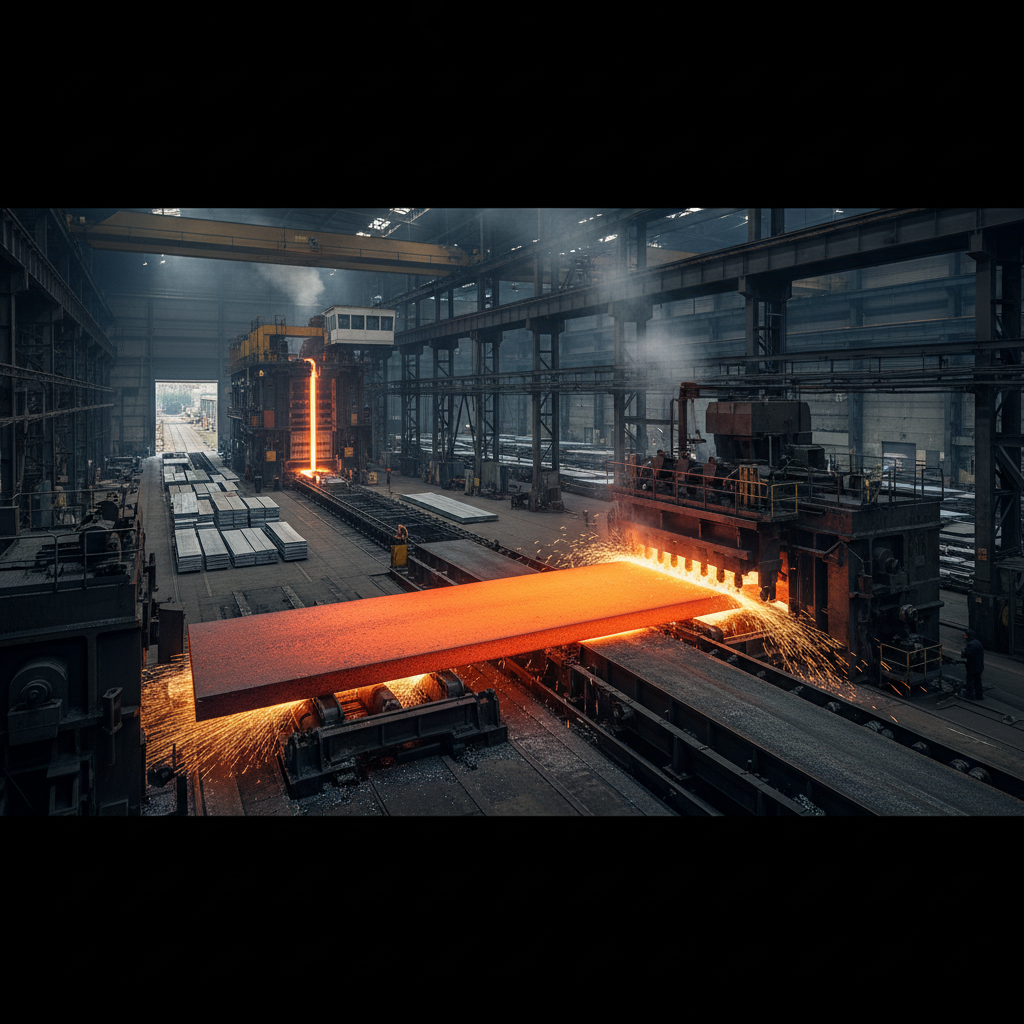
The global infrastructure landscape relies heavily on the strength and reliability of high-grade materials, where the heavy steel plate stands as the backbone of modern engineering. From the towering hulls of container ships to the intricate support systems of suspension bridges, these thick-gauge steel solutions provide the necessary structural integrity to withstand extreme pressures and environmental stressors. Understanding the nuances of material selection in this category is not just a technical requirement but a safety imperative for global trade and urban development.
In the current industrial climate, the demand for heavy steel plate is driven by an urgent need for sustainability and longevity. As cities expand and maritime logistics evolve, the industry is shifting toward high-strength, low-alloy variants that offer superior performance with reduced weight. This transition is critical for reducing the carbon footprint of large-scale constructions while ensuring that the resulting structures can last for decades without catastrophic failure.
Navigating the complexities of steel grades, thickness tolerances, and welding compatibility can be daunting for procurement managers and engineers alike. By exploring the technical specifications and application-specific advantages of various heavy plates, stakeholders can optimize their supply chains and ensure that their projects meet ISO and ASTM international standards. This guide delves into the essential factors that make these materials indispensable to the modern industrial world.
Global Significance of Heavy Steel Plate
On a global scale, the production and distribution of heavy steel plate are inextricably linked to the GDP growth of industrialized nations. According to data trends aligned with World Steel Association reports, the appetite for high-thickness plates continues to rise in emerging economies where infrastructure deficits are being addressed through massive bridge and port projects. These materials are not merely commodities; they are the foundational elements that enable the movement of goods across oceans and the connection of remote regions.
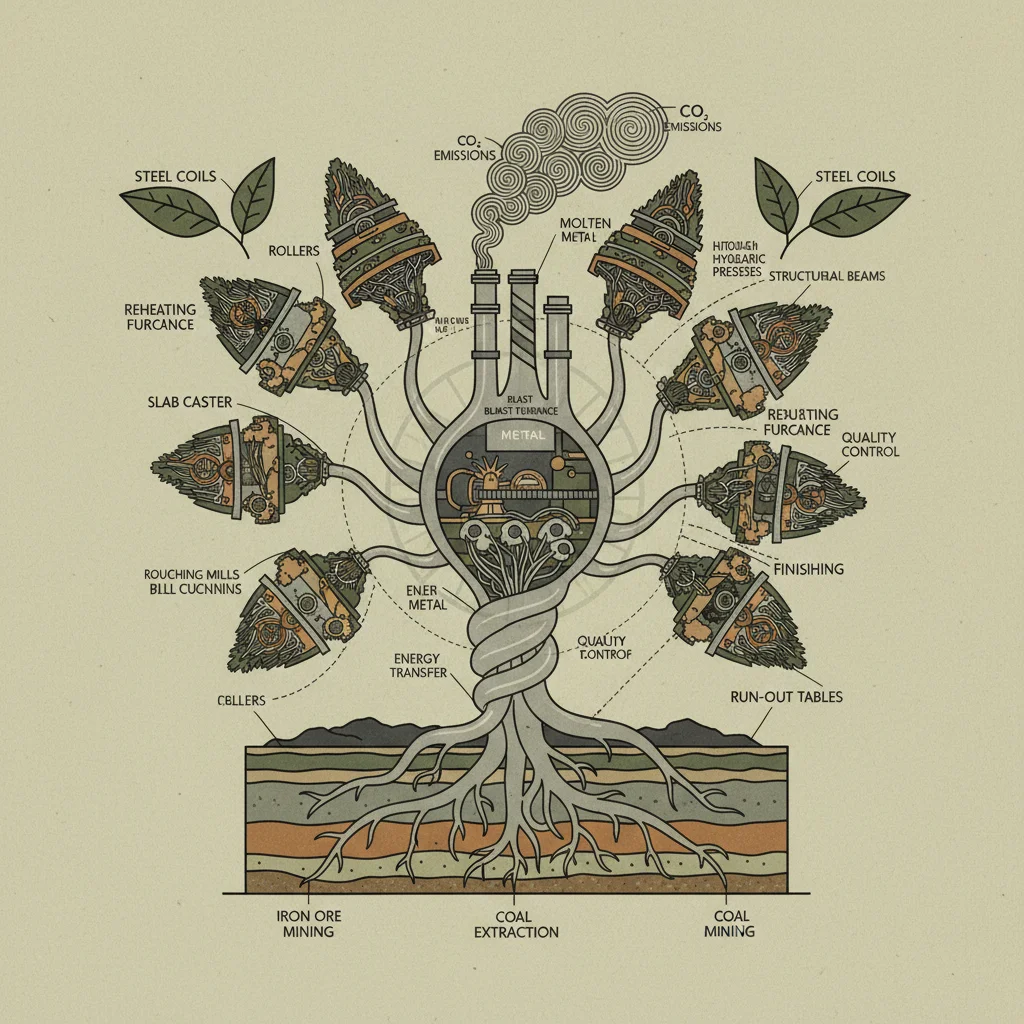
The primary challenge facing the industry today is the balance between extreme load-bearing capacity and the environmental impact of smelting. As the World Bank emphasizes sustainable infrastructure, the shift toward "green steel"—produced via hydrogen reduction or electric arc furnaces—is transforming how we perceive the lifecycle of a heavy steel plate. This evolution ensures that while we build for the future, we do not compromise the planetary health required to sustain that future.
Defining Heavy Steel Plate and Industrial Utility
In simple technical terms, a heavy steel plate is defined as a hot-rolled steel product with a thickness typically exceeding 12mm, often reaching up to 200mm or more for specialized applications. Unlike thin sheets used in automotive skins, these plates are engineered to handle immense compressive and tensile stresses. They serve as the "skeleton" for the world's most demanding environments, from the crushing depths of the ocean to the high-pressure interiors of industrial boilers.
The connection between these plates and modern humanitarian needs is often overlooked. In the wake of natural disasters, the rapid deployment of heavy structural steel is essential for rebuilding critical bridges and hospitals that can withstand subsequent seismic events. The reliability of a heavy steel plate in these scenarios is the difference between a temporary fix and a permanent, safe recovery for displaced populations.
Furthermore, the industrial utility of these plates extends to the energy sector. The transition to offshore wind farms requires massive foundations and monopiles constructed from high-grade heavy plates. These structures must resist saltwater corrosion and the relentless fatigue of wave action, proving that the material's meaning extends far beyond simple "thickness"—it is about the synergy of metallurgy and mechanical engineering.
Core Components of Material Performance
The durability of a heavy steel plate is primarily governed by its chemical composition, particularly the balance of carbon, manganese, and alloying elements like chromium or nickel. High-strength low-alloy (HSLA) steels are designed to provide an exceptional strength-to-weight ratio, allowing engineers to reduce the total volume of steel used without sacrificing the safety factor of the build.
Scalability in production is another critical factor. A reliable manufacturer of heavy steel plate must maintain strict tolerances across varying thicknesses to ensure that welding seams remain consistent. This consistency prevents stress concentrations that could lead to fatigue cracking in dynamic environments, such as the hull of a cargo ship or the span of a railway bridge.
Cost efficiency is not merely about the purchase price per ton, but about the long-term maintenance lifecycle. When a heavy steel plate is treated with advanced anti-corrosion coatings or selected in a weathering grade (like Corten), the need for frequent repainting and structural repairs is drastically reduced. This logical approach to material selection maximizes the ROI for large-scale infrastructure investments.
Comparative Analysis of Steel Plate Grades
Selecting the right grade of heavy steel plate requires a deep understanding of the specific stresses the material will encounter. For instance, shipbuilding steel must balance weldability with saltwater resistance, whereas structural steel for bridges focuses on fatigue limit and atmospheric corrosion. The choice of grade directly impacts the total weight of the structure and the speed of the assembly process.
By comparing different metallurgical approaches, we can see how specific additives enhance performance. For example, adding niobium or vanadium to the steel matrix refines the grain size, which significantly improves the toughness of the heavy steel plate at low temperatures—a critical requirement for Arctic shipping or high-altitude construction.
Performance Metrics of Heavy Steel Plate Variants
Global Applications and Sectoral Use Cases
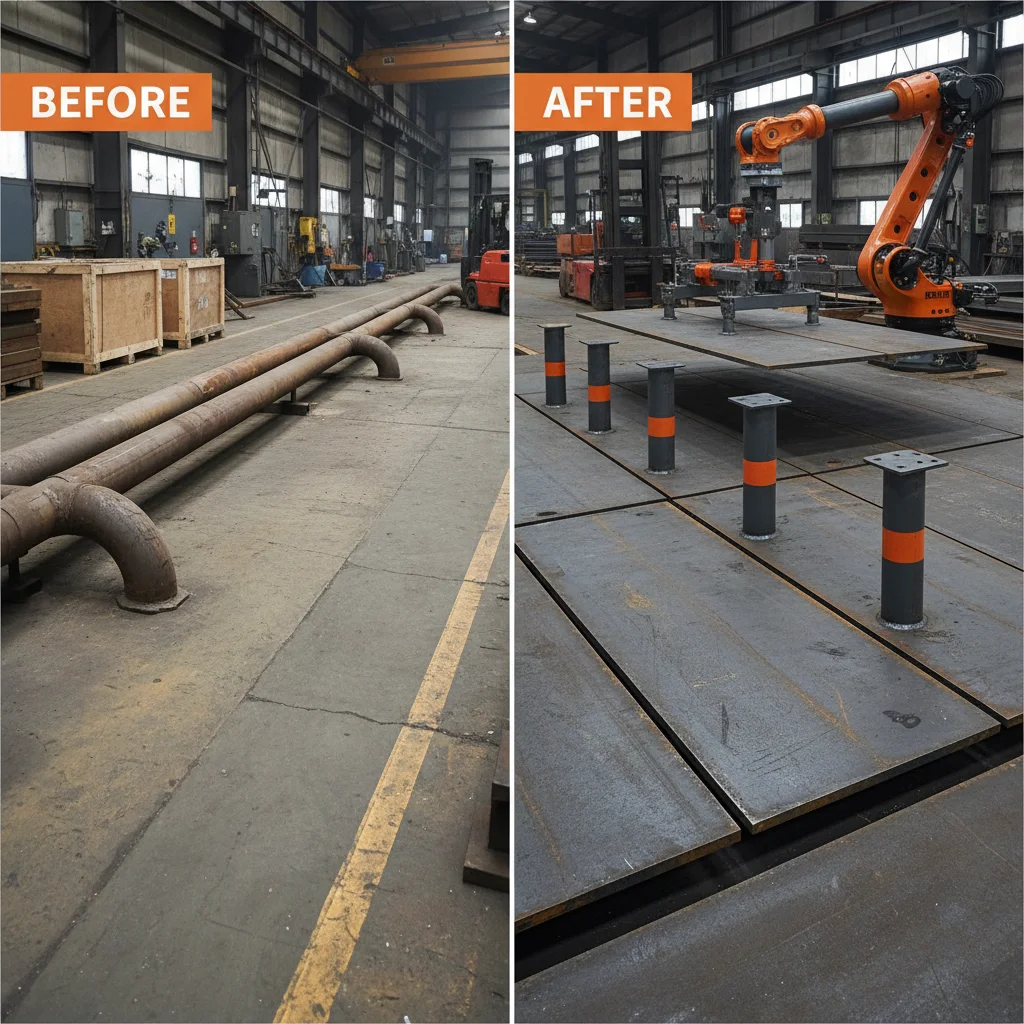
In the maritime industry, the heavy steel plate is the primary material for hull construction and bulkhead reinforcement. For ultra-large container ships, these plates must provide a watertight seal while resisting the immense hydrostatic pressure of the deep ocean. In regions like East Asia and Northern Europe, shipyards utilize automated plasma cutting and robotic welding to integrate these plates into massive modular sections.
Beyond the seas, the mining and heavy machinery sectors rely on wear-resistant versions of the heavy steel plate to build hopper liners, crushers, and excavator buckets. In remote industrial zones, such as the iron ore mines of Western Australia or the oil sands of Canada, the ability of the steel to withstand extreme abrasion is the only way to prevent frequent, costly downtime and ensure operational continuity.
Long-Term Value and Strategic Advantages
The long-term value of investing in premium heavy steel plate manifests in the dramatic reduction of lifecycle costs. While lower-grade materials may offer short-term savings, they often lead to premature corrosion and structural fatigue. High-performance plates ensure that critical infrastructure remains operational for 50 to 100 years, providing a logical foundation for urban planning and national security.
From an emotional and psychological perspective, the use of certified, high-quality steel instills trust and a sense of safety. When a commuter crosses a bridge or a passenger boards a vessel, they are implicitly trusting the metallurgy of the heavy steel plate beneath them. This trust is built on the rigorous testing and quality assurance protocols that govern the production of heavy steel.
Innovation in these materials also fosters social impact. By enabling the construction of more efficient ports and more durable energy grids, we facilitate the delivery of essential goods and electricity to underserved regions. The reliability of structural steel is thus a catalyst for dignity and economic empowerment on a global scale.
Future Trends in Steel Manufacturing
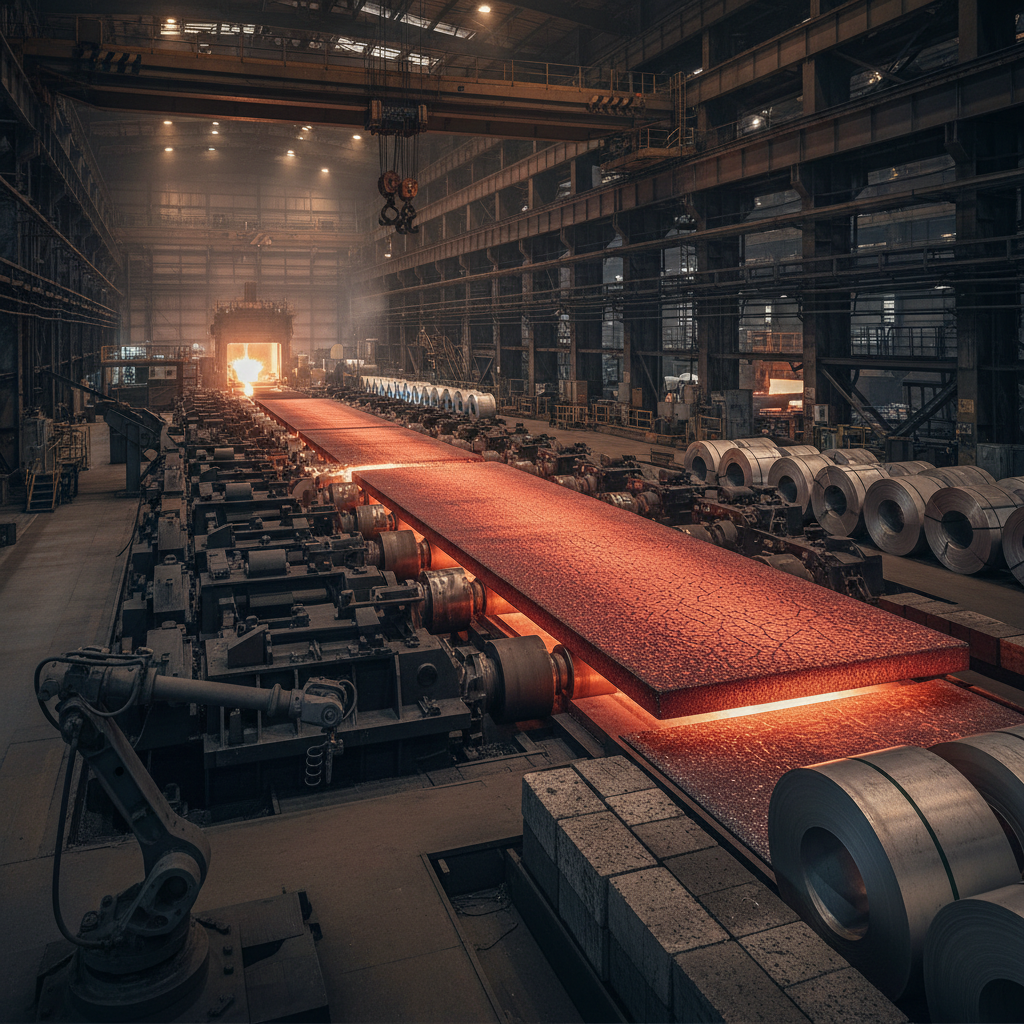
The future of the heavy steel plate industry is being reshaped by the digital transformation of the mill. "Industry 4.0" is introducing real-time monitoring of the rolling process, allowing for micron-level precision in thickness and flatness. This automation reduces waste and ensures that every plate leaving the factory is optimized for its intended application.
Sustainability is the other major driver. The emergence of "Green Steel" involves replacing coking coal with hydrogen in the reduction process, potentially eliminating the vast majority of CO2 emissions associated with heavy steel plate production. This shift is not only a regulatory necessity but a market demand from global developers who must meet ESG (Environmental, Social, and Governance) targets.
Furthermore, we are seeing a trend toward "Smart Steel," where sensors are embedded into the structural plates during construction to monitor stress and corrosion in real-time. This move toward predictive maintenance means that engineers can identify potential failures in a heavy steel plate before they become critical, transforming infrastructure from passive masses into active, data-generating assets.
Comparative Analysis of Heavy Steel Plate Technological Evolution
| Evolution Stage |
Production Method |
Environmental Impact |
Performance Score |
| Traditional Blast Furnace |
Coke-based Reduction |
High CO2 Emission |
6/10 |
| Electric Arc Furnace (EAF) |
Scrap Steel Recycling |
Moderate Emission |
8/10 |
| Hydrogen-Based Steel |
H2 Direct Reduction |
Near-Zero Emission |
9/10 |
| Nano-Alloyed Plates |
Precision Micro-Alloying |
Low Material Waste |
10/10 |
| Digital-Twin Manufacturing |
AI-Controlled Rolling |
Energy Optimized |
9/10 |
| Smart-Sensing Steel |
Embedded Sensor Integration |
Circular Economy Focus |
10/10 |
FAQS
The primary difference lies in the thickness and the intended load-bearing capacity. A heavy steel plate typically exceeds 12mm in thickness and is produced via hot-rolling to ensure structural rigidity and strength. In contrast, steel sheets are much thinner and are often cold-rolled for surface finish and ductility. Heavy plates are used for structural skeletons, while sheets are used for cladding, automotive bodies, and appliances.
For marine environments, you should prioritize grades that offer high corrosion resistance and excellent weldability, such as AH36 or DH36 shipbuilding steels. These grades are specifically designed to withstand the harsh salinity of the ocean and maintain toughness at low temperatures, preventing brittle fractures in the hull of a ship.
While not common for standard housing, heavy steel plates are frequently used in residential high-rises and luxury villas for foundational rafts, basement retaining walls, and cantilevered architectural supports. They provide the necessary strength to support massive vertical loads that traditional reinforced concrete alone cannot manage efficiently.
The most recognized certifications include ISO 9001 for quality management, ASTM (American Society for Testing and Materials) for material specifications, and classification society approvals like ABS (American Bureau of Shipping) or DNV for maritime applications. These certifications ensure that the plate meets global safety and performance standards.
Yes, but it requires careful planning. Welding dissimilar grades of heavy steel plate requires the selection of appropriate filler metals and specific pre-heating and post-heating treatments to avoid "hydrogen cracking" or the creation of brittle zones in the Heat Affected Zone (HAZ). A certified welding engineer should always specify the procedure.
Weathering steel, such as Corten, contains alloying elements like copper and chromium that form a stable, protective rust-like layer (patina) on the surface. Unlike standard heavy steel plates that require painting to prevent corrosion, weathering steel protects itself, making it ideal for bridges and outdoor sculptures where maintenance access is limited.
Conclusion
The heavy steel plate remains an irreplaceable pillar of global infrastructure, blending advanced metallurgy with industrial-scale utility. From the critical safety requirements of shipbuilding and bridge construction to the emerging needs of green energy foundations, the strategic selection of the right steel grade is paramount. By focusing on durability, scalability, and environmental sustainability, the industry continues to provide the strength necessary to build a safer and more connected world.
As we look toward a future defined by carbon neutrality and digital intelligence, the evolution of steel manufacturing will only accelerate. We encourage engineers, procurement specialists, and developers to embrace high-strength, low-emission materials to ensure their projects are not only structurally sound but also future-proof. To explore our comprehensive range of high-performance steel solutions, visit our website: www.baidysteel.com