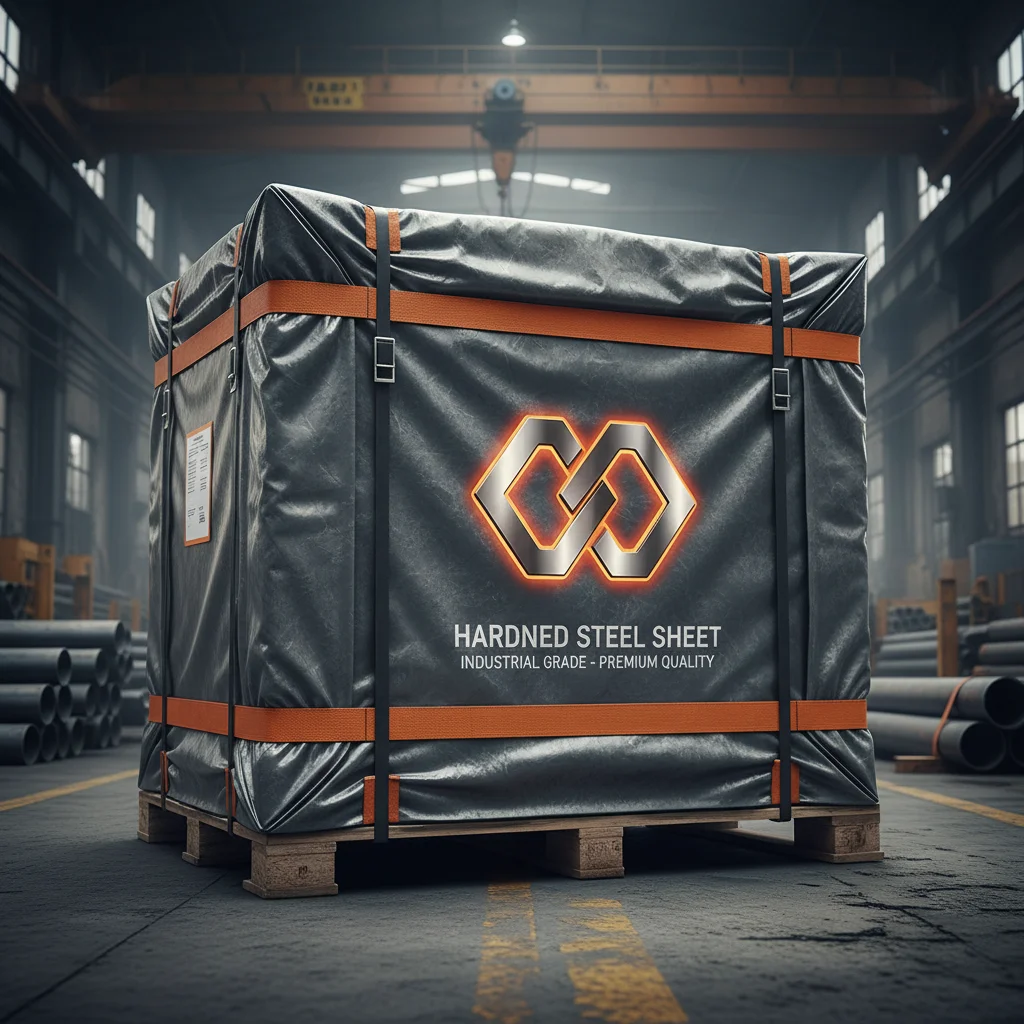
Alloy steel plate is a cornerstone of modern infrastructure and manufacturing, playing a critical role in diverse applications ranging from construction and automotive industries to energy production and defense. Its unique combination of strength, durability, and corrosion resistance makes it a preferred material for projects demanding high performance and longevity. Understanding the properties and applications of alloy steel plate is crucial for engineers, architects, and procurement professionals involved in large-scale projects globally.
The global demand for alloy steel plate is driven by ongoing industrialization, particularly in emerging economies, and the increasing need for robust materials in critical infrastructure. Factors like urbanization, population growth, and the expansion of renewable energy sectors further fuel this demand. However, challenges like fluctuating raw material prices, stringent environmental regulations, and the need for specialized processing techniques require careful consideration throughout the supply chain.
Choosing the appropriate alloy steel plate is paramount for ensuring project success and long-term reliability. The ability to tailor the alloy composition to specific application requirements, combined with advancements in manufacturing processes, provides engineers with unprecedented control over material performance, making alloy steel plate an indispensable component in countless industries.

Introduction to alloy steel plate
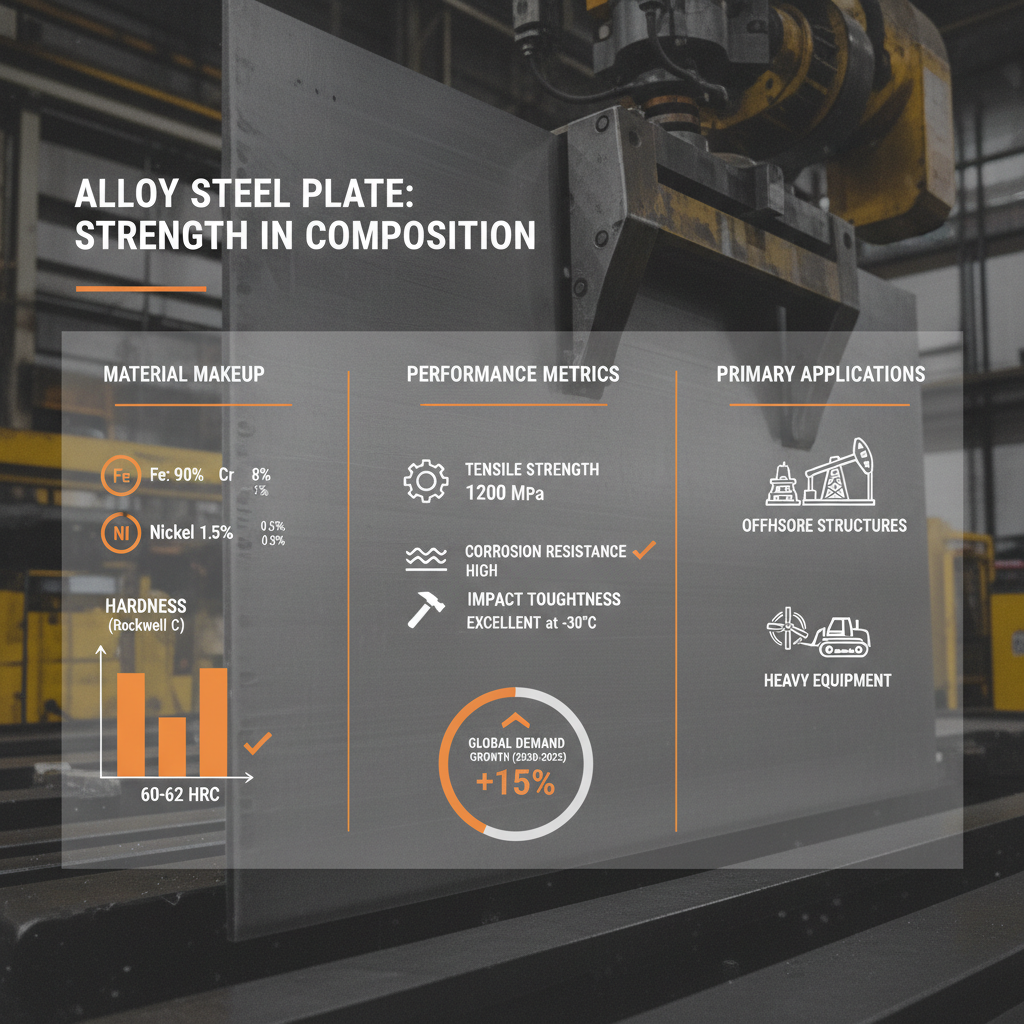
Alloy steel plate, differing from carbon steel due to the intentional addition of alloying elements, offers a significantly improved suite of mechanical properties. These elements, such as chromium, nickel, molybdenum, and vanadium, are strategically incorporated to enhance strength, toughness, weldability, and corrosion resistance. The precise composition of the alloy is carefully controlled to meet the demands of a wide range of applications.
The selection of the appropriate alloy steel plate hinges on a thorough understanding of the intended application and the operating environment. Factors like temperature, stress levels, corrosive agents, and required lifespan all influence the optimal alloy composition. Suppliers such as alloy steel plate provide extensive material data sheets and expert advice to assist in the selection process.
Global Relevance and Industry Context
The global market for alloy steel plate is substantial and growing, estimated at over $80 billion in 2023 (source: World Steel Association). Major consuming regions include Asia-Pacific (led by China and India), North America, and Europe, reflecting the concentration of manufacturing, infrastructure development, and energy production in these areas. Demand is particularly strong in the construction, oil & gas, automotive, and power generation sectors.
One significant challenge facing the industry is the volatility of raw material prices, especially iron ore and alloying elements. Geopolitical factors, supply chain disruptions, and fluctuating demand can all contribute to price fluctuations, impacting profitability for manufacturers and increasing costs for end-users. Furthermore, increasing environmental regulations are driving the need for more sustainable production practices and the development of "green" alloy steel options.
According to the UN Comtrade database, international trade in alloy steel plate has steadily increased over the past decade, indicating the interconnectedness of global supply chains. However, trade barriers and tariffs can also create complexities and impact market access. A robust understanding of these global dynamics is essential for businesses operating in this sector.
Defining alloy steel plate
Alloy steel plate is defined as a steel product containing one or more alloying elements, in addition to carbon, added to modify its properties. The percentage of alloying elements typically ranges from 1% to 50% by weight. These additions are carefully chosen to achieve specific characteristics such as increased strength, improved corrosion resistance, enhanced toughness, or better weldability.
The importance of alloy steel plate extends far beyond simple construction. It underpins critical infrastructure projects, ensuring the safety and reliability of bridges, buildings, and pipelines. In the energy sector, alloy steel plate is used in the construction of power plants, refineries, and offshore platforms, where resistance to high temperatures and corrosive environments is crucial. It is fundamentally tied to modern society’s ability to function efficiently.
Unlike carbon steel, which is prone to rust and corrosion, alloy steel plate offers superior performance in harsh environments, reducing maintenance costs and extending the lifespan of structures. This longevity and reduced need for replacements contribute to sustainability and resource conservation. The development of new alloys continuously expands the range of applications for this versatile material.
Key Properties of alloy steel plate
Durability is a defining characteristic of alloy steel plate. The addition of alloying elements strengthens the steel’s crystalline structure, making it more resistant to wear, impact, and fatigue. This is particularly important in applications involving heavy loads, dynamic stresses, or abrasive environments. Different alloys offer varying degrees of durability, allowing for customization based on specific needs.
Weldability is another critical property. Certain alloys are specifically designed to facilitate welding, ensuring strong and reliable joints. Good weldability minimizes the risk of cracking or distortion during fabrication, reducing rework and improving project timelines. alloy steel plate suppliers often provide recommendations on suitable welding techniques for each alloy composition.
Alloy Steel Plate Property Ratings
Applications of alloy steel plate Across Industries
In the construction industry, alloy steel plate is extensively used for structural components in skyscrapers, bridges, and tunnels. Its high strength and weldability ensure the structural integrity of these massive projects. Furthermore, its resistance to corrosion protects against environmental degradation, extending the lifespan of these structures.
The oil and gas sector relies heavily on alloy steel plate for pipelines, storage tanks, and offshore platforms. These applications demand materials that can withstand extreme pressures, temperatures, and corrosive environments, such as saltwater and hydrogen sulfide. The ability of alloy steel plate to maintain its integrity under these conditions is critical for safety and operational efficiency.
The Advantages and Long-Term Value of alloy steel plate
One of the most significant advantages of using alloy steel plate is its cost-effectiveness over the long term. While the initial cost may be higher than carbon steel, the increased durability and reduced maintenance requirements translate to lower life-cycle costs. This makes it a financially sound investment for projects requiring long-term reliability.
Sustainability is another key benefit. By extending the lifespan of structures and reducing the need for replacements, alloy steel plate minimizes waste and conserves resources. Furthermore, the development of recyclable alloy steel options further enhances its environmental performance. Choosing alloy steel plate is a responsible choice for those prioritizing environmental stewardship.
Future Trends and Innovations in alloy steel plate
Research and development efforts are focused on creating new alloy steel compositions with even greater strength, toughness, and corrosion resistance. High-strength, low-alloy (HSLA) steels are gaining popularity due to their improved performance and reduced weight, offering potential fuel savings in transportation applications.
Digital transformation is also impacting the alloy steel plate industry. Advanced sensors and data analytics are being used to monitor production processes, optimize alloy compositions, and predict material performance. This data-driven approach allows for greater control and precision, leading to improved quality and efficiency.
Table Summarizing Common Alloy Steel Plate Compositions and Applications
| Alloy Composition |
Primary Properties |
Typical Applications |
Cost Estimate (per ton) |
| Cr-Mo (Chromium-Molybdenum) |
High Strength, Creep Resistance |
Pressure Vessels, High-Temperature Pipelines |
$1200 - $1500 |
| Mn-Si (Manganese-Silicon) |
High Toughness, Weldability |
Structural Steel, Bridge Construction |
$900 - $1200 |
| Ni-Cr (Nickel-Chromium) |
Corrosion Resistance, Oxidation Resistance |
Chemical Processing, Marine Environments |
$1500 - $2000 |
| V-Nb (Vanadium-Niobium) |
Grain Refinement, High Strength |
High-Speed Trains, Aircraft Components |
$1800 - $2500 |
| Cu-P (Copper-Phosphorus) |
Atmospheric Corrosion Resistance |
Weathering Steel, Outdoor Structures |
$800 - $1000 |
| B-Cr (Boron-Chromium) |
Hardenability, Wear Resistance |
Gear Wheels, Cutting Tools |
$1000 - $1300 |
FAQS
Lead times for custom alloy steel plate vary depending on the alloy composition, plate dimensions, quantity, and current manufacturing capacity. Generally, standard alloys with common dimensions can be delivered within 4-6 weeks. However, more specialized alloys or large orders may require 8-12 weeks or longer. It’s best to contact a supplier like alloy steel plate for a precise quote and delivery schedule.
Selecting the right alloy for a corrosive environment requires careful consideration of the specific corrosive agents involved (e.g., saltwater, acids, chemicals). Alloys containing chromium, nickel, and molybdenum are generally more resistant to corrosion. Consult with a materials engineer or a reputable supplier who can assess your specific needs and recommend the most suitable alloy composition based on the type and concentration of the corrosive agents.
Common surface treatments for alloy steel plate include pickling, sandblasting, galvanizing, painting, and powder coating. Pickling removes mill scale and rust. Sandblasting prepares the surface for coatings. Galvanizing provides corrosion protection. Painting and powder coating offer aesthetic appeal and additional corrosion resistance. The optimal treatment depends on the application and the desired level of protection.
Important certifications to look for include ISO 9001 (quality management), EN 10204 3.1 (material traceability), and mill test reports (MTRs) verifying the chemical composition and mechanical properties of the steel. Depending on the application, you may also require certifications specific to pressure vessel standards (e.g., ASME) or other industry regulations. These assure compliance and quality.
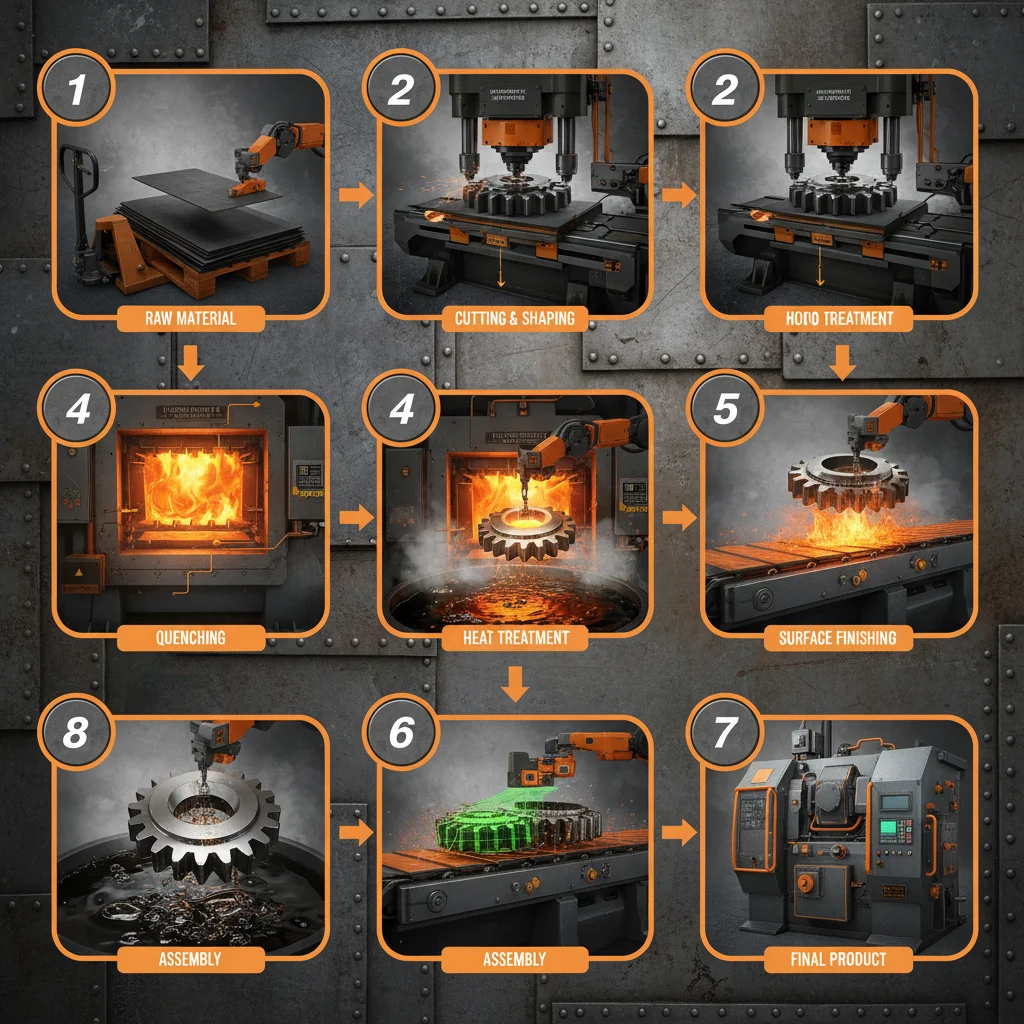
Quenching and tempering are heat treatment processes used to enhance the properties of alloy steel plate. Quenching involves rapidly cooling the steel to increase its hardness. However, quenching can also make the steel brittle. Tempering then involves reheating the steel to a lower temperature to reduce brittleness and improve toughness. This process balances hardness and ductility for optimal performance.
Alloy steel plate pricing is generally based on weight (per ton or per kilogram) and is influenced by factors such as alloy composition, plate thickness, width, length, quantity ordered, and current market conditions. Additional costs may apply for cutting, surface treatments, and special packaging. Obtaining quotes from multiple suppliers is recommended to ensure competitive pricing.
Conclusion
In conclusion, alloy steel plate remains an essential material for a wide range of industries, offering a unique combination of strength, durability, and versatility. Its ability to be tailored to specific application requirements, coupled with advancements in manufacturing and quality control, ensures its continued relevance in modern infrastructure and manufacturing. Understanding the properties, applications, and future trends of alloy steel plate is crucial for professionals involved in these sectors.
Looking ahead, continued innovation in alloy compositions, processing techniques, and digital technologies will further enhance the performance and sustainability of alloy steel plate. Exploring sustainable sourcing options, reducing carbon footprints, and embracing circular economy principles will be critical for ensuring the long-term viability of this vital material. To explore your alloy steel plate needs, visit our website: www.baidysteel.com