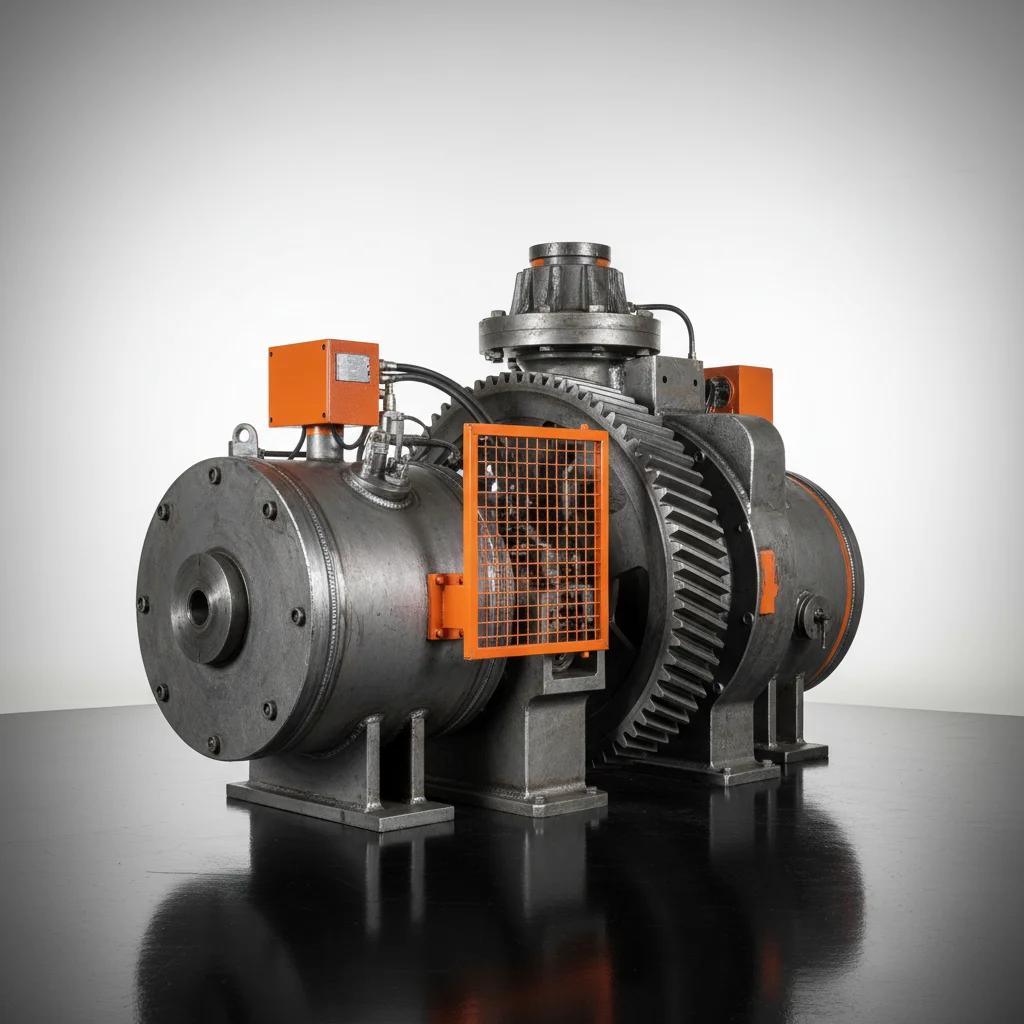
The industrial landscape is fundamentally built upon the strength of its materials, and among these, the high carbon steel plate stands as a cornerstone for heavy-duty engineering. Known for its exceptional hardness and wear resistance, this material is indispensable in environments where friction and high mechanical stress are constant challenges. Understanding the nuances of its composition and application is key to optimizing the lifespan of industrial machinery and structural components.
Globally, the demand for high-performance alloys has surged as infrastructure projects become more ambitious and mining operations push into harsher terrains. The ability of a high carbon steel plate to maintain its structural integrity under extreme pressure makes it a preferred choice for manufacturers who cannot afford frequent downtime due to part failure. From massive crushers to precision cutting tools, the impact of this material is felt across the global supply chain.
However, selecting the right grade of steel is not merely a matter of hardness; it requires a balance between strength and toughness. This comprehensive guide explores the technical specifications, global applications, and future innovations surrounding the high carbon steel plate, providing engineers and procurement specialists with the insights needed to make informed material choices for sustainable industrial growth.
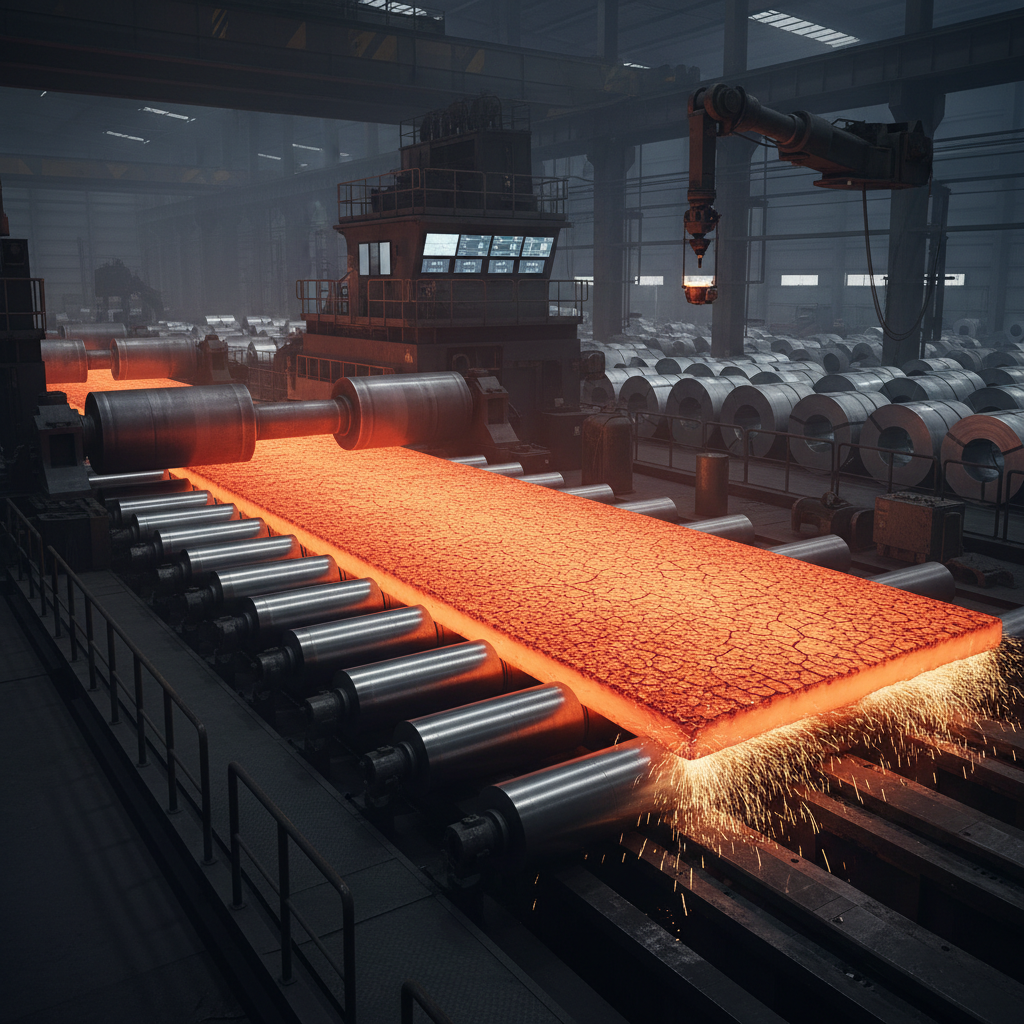
Global Industry Context of High Carbon Steel Plate
On a global scale, the metallurgy sector is under constant pressure to deliver materials that can withstand the rigors of modern industrialization. According to standards aligned with ISO and international engineering benchmarks, the utilization of high carbon steel plate has become critical in the development of high-wear components. As emerging economies expand their mining and construction sectors, the reliance on steel with a carbon content typically between 0.6% and 1.5% has grown, ensuring that tools and structures do not degrade prematurely under heavy loads.
The primary challenge addressed by this material is "abrasive wear," a phenomenon that costs the global manufacturing industry billions of dollars annually in replacement parts and lost productivity. By deploying high carbon steel, industries can significantly extend the mean time between failures (MTBF), promoting a more sustainable approach to resource management and operational efficiency.
Defining High Carbon Steel Plate and Its Industrial Role
In simple terms, a high carbon steel plate is a heavy-duty steel product characterized by a higher percentage of carbon compared to mild or medium carbon steels. This increased carbon content allows the material to be heat-treated to achieve extreme hardness, making it nearly impervious to scratching and deformation. It serves as the "skeleton" for the most demanding tools in the world, where softer metals would simply fail.
Beyond mere hardness, its role is deeply connected to modern industrial needs, such as the demand for precision in high-stress environments. Whether it is used in the fabrication of heavy-duty dies, cutting blades, or reinforced armor, the material provides a level of rigidity that is essential for maintaining tight tolerances during manufacturing processes. This ensures that the end products produced by these tools are consistent and of high quality.
From a humanitarian and developmental perspective, the availability of high-quality high carbon steel plate facilitates the creation of durable agricultural tools and infrastructure in developing regions. By providing materials that last longer and require less frequent replacement, the cost of maintaining essential food production and transport networks is lowered, directly contributing to regional stability and economic growth.
Core Components and Technical Factors
The durability of a high carbon steel plate is primarily derived from its carbon microstructure. When quenched and tempered, the carbon atoms lock into a crystalline structure that resists displacement, providing the immense hardness required for abrasive environments. This makes it the ideal candidate for liners in cement mixers or chutes in mining facilities.
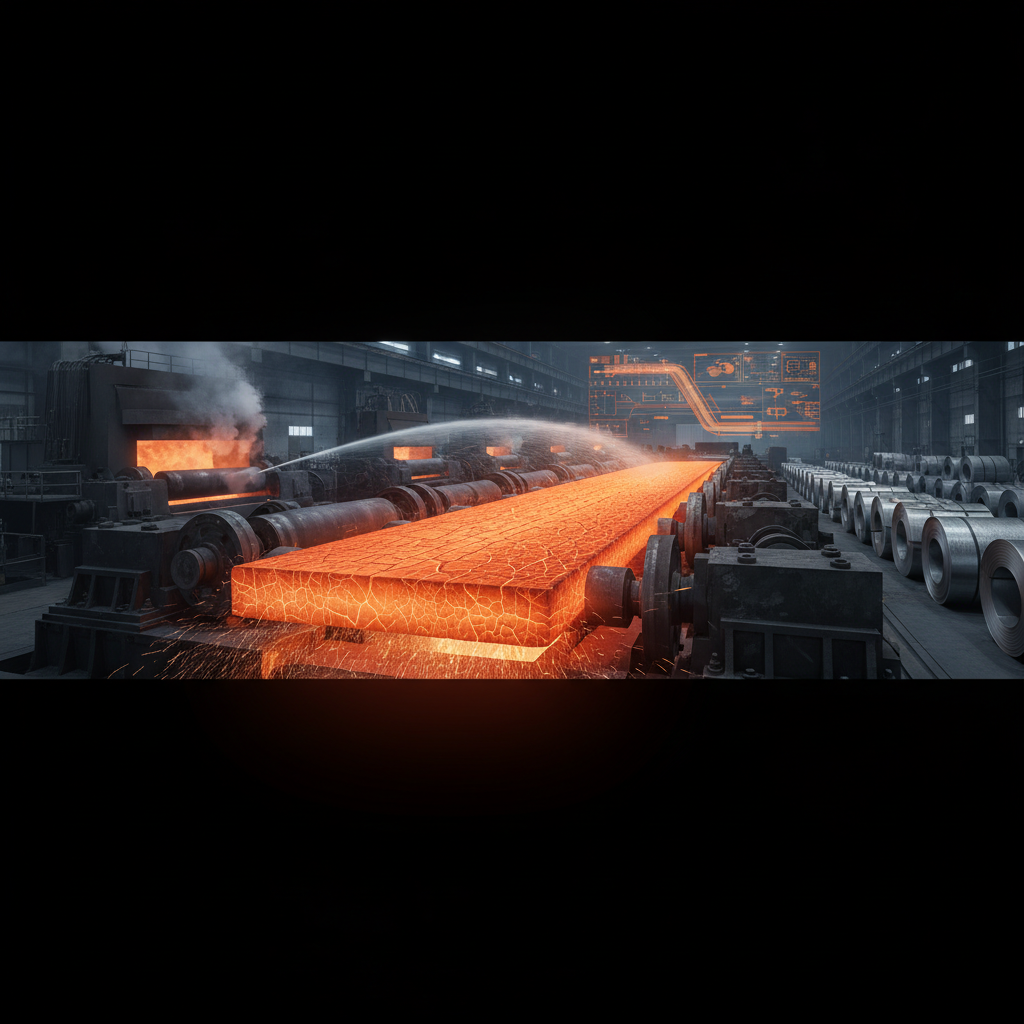
Scalability in manufacturing is another critical factor. Modern rolling mills can now produce high carbon steel plate in varying thicknesses and dimensions without compromising the internal homogeneity of the metal. This allows engineers to scale their designs from small precision components to massive structural plates while maintaining consistent mechanical properties.
Cost efficiency is realized not through the initial purchase price, but through the Total Cost of Ownership (TCO). While the processing of a high carbon steel plate is more expensive than mild steel, the reduction in maintenance cycles and the prevention of unexpected shutdowns provide a far superior return on investment over the product's lifecycle.
Global Applications and Real-World Use Cases
The practical application of high carbon steel plate spans across diverse industries and geographies. In the mining hubs of Australia and Brazil, these plates are utilized in the construction of heavy-duty slurry pipes and crushing chambers, where they face constant bombardment by abrasive ores. Without the hardness of high carbon steel, these components would erode in a matter of weeks, halting production.
In the automotive and aerospace sectors, specifically within the tooling phase, high carbon steel plate is used to create the stamps and dies that shape body panels. The precision and longevity of these dies are paramount; any wear on the tool would lead to imperfections in the vehicle's structure. Similarly, in remote industrial zones, such as Arctic oil rigs, the material is used in specialized drilling equipment that must withstand both extreme cold and intense mechanical friction.
Performance Comparison of High Carbon Steel Plate Variations
Long-Term Value and Strategic Advantages
Investing in a high-grade high carbon steel plate provides tangible benefits that extend beyond the balance sheet. The primary advantage is reliability; in critical infrastructure, the safety of personnel often depends on the structural integrity of the materials used. By utilizing steel that resists fatigue and wear, companies reduce the risk of catastrophic failures, thereby fostering a culture of safety and trust within the workplace.
From a sustainability angle, the longevity of high carbon steel contributes to a reduction in waste. When a component lasts three times longer than a standard alternative, the consumption of raw materials and the energy required for smelting and transport are proportionally decreased. This aligns with the global shift toward a circular economy, where durability is valued over disposable consumption, ensuring that industrial growth does not come at the expense of the environment.
Future Trends and Material Innovations
The evolution of the high carbon steel plate is currently being driven by the integration of nanotechnology and advanced alloying techniques. Researchers are experimenting with the introduction of nano-carbides to further enhance hardness without increasing brittleness. This "smart steel" approach aims to create materials that can self-heal or indicate wear through color changes, allowing for predictive maintenance rather than reactive repair.
Digital transformation is also playing a role via the "Digital Twin" concept. Manufacturers are now creating virtual replicas of high carbon steel plate components to simulate wear patterns under various stress conditions before the physical part is even produced. This optimization reduces material waste and ensures that the steel is tailored exactly to the application's needs, maximizing efficiency.
Moreover, the push toward "Green Steel" is reshaping production. The industry is moving away from coal-fired blast furnaces toward hydrogen-based reduction processes. This ensures that the high carbon content required for these plates is achieved through carbon-neutral methods, making the high carbon steel plate an eco-friendly choice for the next generation of sustainable infrastructure.
Overcoming Challenges in Steel Implementation
Despite its strengths, the high carbon steel plate is not without its challenges. The most significant limitation is its inherent brittleness; as carbon content increases, the material becomes less ductile, making it prone to cracking under sudden impact loads. To overcome this, expert metallurgists employ precise tempering cycles—reheating the steel to a specific temperature to restore toughness while retaining hardness.
Another common hurdle is the difficulty in welding. The high carbon content increases the risk of hydrogen-induced cracking in the heat-affected zone (HAZ). The solution lies in advanced pre-heating and post-weld heat treatment (PWHT) protocols. By carefully controlling the cooling rate, engineers can prevent the formation of brittle martensite, ensuring that the welded joints are as strong as the base plate.
Finally, corrosion remains a concern in humid or chemical-rich environments. While hardness resists wear, it does not inherently resist oxidation. To solve this, the industry is adopting advanced ceramic coatings and galvanization processes. By combining the structural strength of high carbon steel plate with a protective surface layer, the result is a component that is both wear-resistant and corrosion-proof.
Technical Analysis of High Carbon Steel Plate Implementation Strategies
| Challenge Type |
Material Impact |
Expert Solution |
Efficiency Gain |
| Brittleness |
Crack propagation |
Controlled Tempering |
8/10 |
| Weldability |
HAZ cracking |
Pre-heating & PWHT |
9/10 |
| Oxidation |
Surface Rust |
Ceramic Coating |
7/10 |
| Machinability |
Tool wear |
CBN Tooling |
8/10 |
| Cost |
High Initial Capex |
Lifecycle TCO Analysis |
10/10 |
| Processing |
Internal Stress |
Stress Relieving Annealing |
9/10 |
FAQS
The primary difference is the carbon content. Carbon atoms fit into the interstitial spaces of the iron lattice, creating internal tension that prevents layers of atoms from sliding past each other. When heat-treated, this forms martensite, a very hard structure that resists abrasion and deformation far more effectively than the ferrite/pearlite structure found in mild steel.
No, it is not suitable for all applications. Due to its higher brittleness and lower ductility, it is not ideal for structures that must undergo significant bending or those subject to extreme shock loads (like seismic-resistant frames) unless specifically alloyed and tempered. It is best reserved for wear-facing components and precision tooling.
To prevent cracking, you must implement a strict thermal management protocol. This includes pre-heating the base metal to reduce the temperature gradient, using low-hydrogen welding electrodes to prevent hydrogen embrittlement, and performing a post-weld heat treatment (PWHT) to relieve internal stresses and temper the hardened zones.
Yes, high carbon steel is fully recyclable. During the recycling process, the steel is melted in electric arc furnaces (EAF), and the carbon levels can be adjusted by adding or removing carbon sources to create new steel grades. This makes it an environmentally sustainable choice compared to composite materials.
While it varies by ore hardness, a high carbon steel plate liner typically lasts 3 to 5 times longer than a standard carbon steel liner. With proper alloying (such as adding Chromium or Manganese), the lifespan can be further extended, significantly reducing the frequency of maintenance shutdowns in heavy-duty operations.
High carbon steel is generally more expensive than mild steel but more affordable than high-nickel or cobalt-based superalloys. It provides the most cost-effective balance for applications requiring high hardness without the extreme cost of exotic materials, offering the best "hardness-per-dollar" ratio for most industrial needs.
Conclusion
The high carbon steel plate remains an irreplaceable asset in the world of heavy industry. By bridging the gap between standard structural steel and exotic alloys, it provides the essential hardness and wear resistance required to keep the wheels of global manufacturing turning. From its role in mining and automotive tooling to its strategic value in reducing industrial waste and improving safety, the material is a testament to the power of metallurgical precision.
Looking forward, the integration of green production methods and smart material monitoring will only enhance the value of high carbon steel. For enterprises seeking to optimize their operational efficiency and reduce long-term maintenance costs, investing in high-quality, precisely tempered steel is a strategic necessity. To explore the best material grades for your specific project, visit our website: www.baidysteel.com.