Understanding the 10mm Stainless Steel Plate: Essential Insights & Applications
The 10mm stainless steel plate might just sound like another piece of metal to some, but globally, it’s a cornerstone material with far-reaching importance. Whether you're in construction, manufacturing, or the realm of humanitarian aid logistics, this steel plate brings durability, versatility, and cost efficiency in ways that ripple across industries and borders. Understanding what makes this product tick—and why it matters—can open doors to smarter procurement, better engineering decisions, and ultimately safer, more sustainable outcomes.
Introduction: Why the 10mm Stainless Steel Plate Matters Globally
In the world steel consumption landscape, stainless steel has seen exponential growth due to its corrosion resistance and longevity. According to the World Steel Association, stainless steel output surpassed 60 million metric tons last year—a testament to its emerging necessity. The 10mm thickness specifically strikes a practical balance: thick enough to offer impressive structural integrity but thin enough to optimize weight and material costs.
However, challenges persist, especially in remote or disaster-prone areas where infrastructure materials must stand up to harsh environments without frequent replacements. The 10mm stainless steel plate addresses these issues head-on with its blend of strength and corrosion resistance, making it invaluable to projects that need durable yet affordable materials.
Mini takeaway: The 10mm stainless steel plate is crucial globally for balancing strength and affordability, notably in demanding environments.
Defining the 10mm Stainless Steel Plate
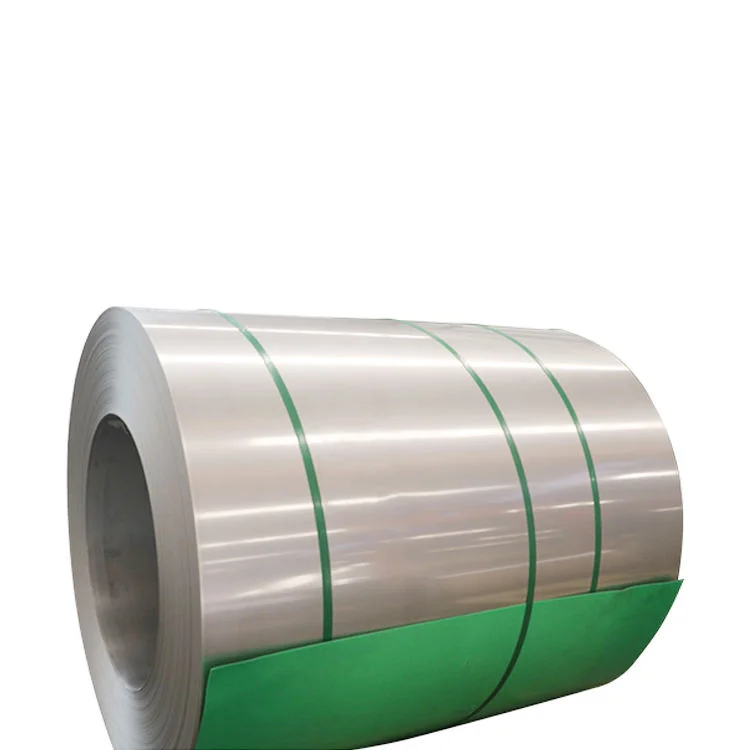
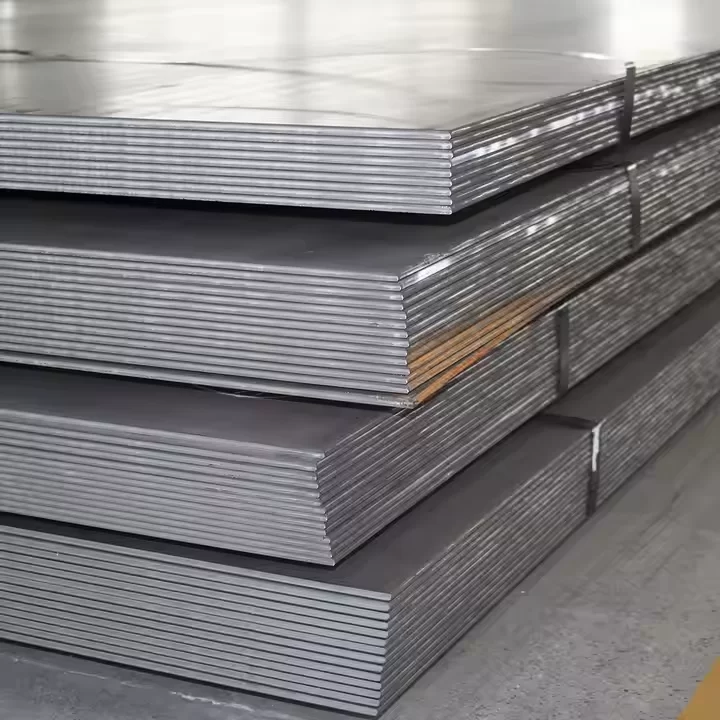
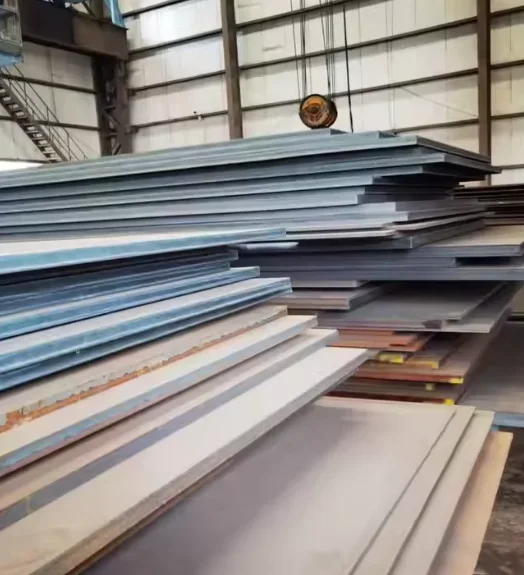
At its core, a 10mm stainless steel plate is a flat, solid sheet of steel alloy measured to be 10 millimeters thick. This thickness is one of the more commonly requested sizes for structural projects and heavy-duty manufacturing, offering a middle ground between lighter gauge sheets and ultra-thick plates.
Stainless steel itself is known for its chromium content that protects it from rust, so in practice, the 10mm stainless steel plate is the go-to for industries needing reliable, long-term material performance—even when exposed to moisture or chemicals.
Beyond construction, these plates serve in humanitarian sectors: think food storage facilities in warm humid climates or modular shelters stationed in flood-prone regions. The material helps ensure infrastructure longevity which ultimately supports community resilience.
Key Aspects of 10mm Stainless Steel Plates
1. Durability and Corrosion Resistance
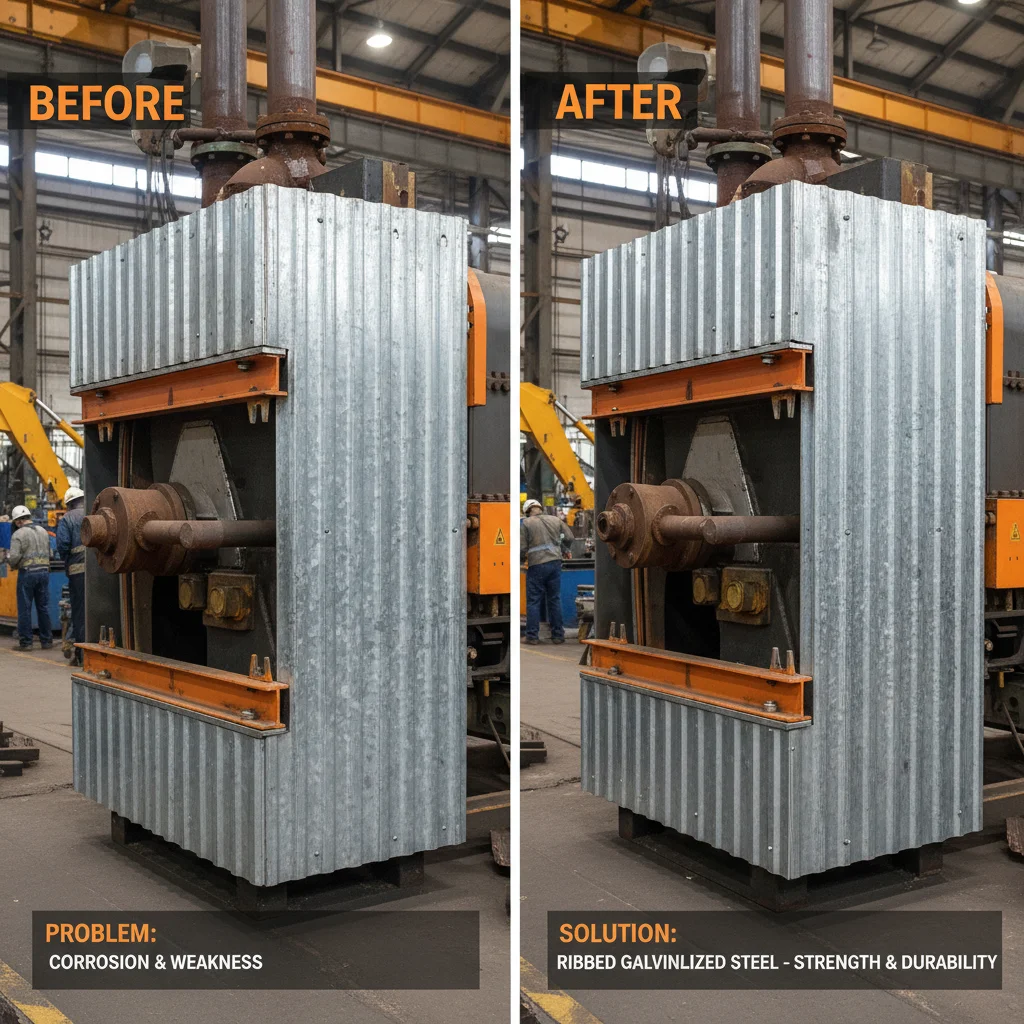
Perhaps the defining feature of stainless steel is how it resists corrosion better than regular steel. This property means a 10mm stainless steel plate doesn’t just provide strength but maintains that strength over time in challenging conditions—from coastal salty air to industrial chemical exposure.
2. Scalability and Custom Fabrication
One great thing about this thickness is it adapts well to various manufacturing techniques such as cutting, welding, and bending. This flexibility supports everything from large industrial machines to detailed architectural panels.
3. Cost Efficiency
While thicker plates exist, 10mm is often the sweet spot for projects where you need robustness without bulk or waste. Material costs and transportation expenses tend to be more manageable here, particularly compared to heavier alternatives.
4. Sustainability
Oddly enough, stainless steel is one of the most recycled materials globally. Its recyclability means the 10mm stainless steel plate not only supports durable construction but aligns with greener manufacturing and circular economy efforts.
| Specification |
Details |
| Thickness |
10 millimeters |
| Material Grade |
Typically Grades 304, 316, or 430 |
| Corrosion Resistance |
Excellent, especially with higher chromium and molybdenum content |
| Weight |
Approx. 78.5 kg per square meter |
| Common Applications |
Construction, machinery, food processing, marine platforms |
Global Applications & Use Cases
The 10mm stainless steel plate is truly a global player. In regions with heavy rainfall and coastal corrosion, it finds huge use in infrastructure maintenance and refurbishment. For instance, Southeast Asia’s growing urban centers deploy it for the cladding of elevated transit stations and bridges.
In the humanitarian sphere, NGOs rely on these plates to build durable field kitchens and water treatment units in sub-Saharan Africa and South Asia. Often, these plates withstand not only environmental stress but rough handling during transport—a testament to their toughness.
Industrially, companies in Northern Europe use 10mm stainless steel plates for chemical processing plant floors and walls—where exposure to acids is common—and in automotive chassis components, especially for electric vehicles that require corrosion-proof materials.
Vendor Comparison Table: Selecting Your Supplier
| Supplier |
Grade Options |
Lead Time |
Pricing (per sq.m.) |
Customization |
| Baidi Steel |
304, 316, 430 |
2-3 weeks |
Competitive |
Cutting, welding, finishing |
| Global Metals Inc. |
304, 316 |
4-5 weeks |
Mid-range |
Standard sizes only |
| Steel Supply Co. |
430 |
1-2 weeks |
Budget |
Limited customization |
Advantages & Long-Term Value
The tangible benefits of choosing a 10mm stainless steel plate are many. For starters, the upfront cost savings from reduced maintenance and replacement needs often outweigh immediate expenditure. There’s also a sustainability angle—using a recyclable, corrosion-resistant material supports environmental stewardship. On an emotional level, engineers and designers find it reassuring to specify materials with proven longevity and performance. It's about trust, safety, and dignity: Infrastructure built to last supports societies, especially in vulnerable zones.
Future Trends & Innovations
Looking ahead, several exciting innovations could shift how the 10mm stainless steel plate is used. Newer alloys promise even greater corrosion resistance or lighter weights, while digital fabrication techniques—like laser cutting and AI-assisted CNC machining—are making customization faster and more precise. Green energy initiatives have also sparked interest in stainless steel plates for solar panel frames and hydrogen storage tanks, combining durability with sustainability.
Challenges & Solutions
It’s fair to acknowledge some challenges. Stainless steel plates can be costlier upfront than alternative metals, and fabrication requires specialized equipment and skills. But suppliers like Baidi Steel are bridging gaps by offering flexible customization and technical support, ensuring you get the best fit for your project rather than a one-size-fits-all solution. Plus, advances in recycling and circular supply chains continue to nudge prices down.
FAQ: Frequently Asked Questions About 10mm Stainless Steel Plate
- What makes the 10mm stainless steel plate different from thinner sheets?
- The 10mm thickness offers enhanced strength and durability, ideal for structural applications needing resistance against heavy loads and harsh environments, unlike thinner sheets that might deform or corrode faster.
- Can 10mm stainless steel plates be welded or cut easily on-site?
- Yes, with the right equipment and expertise, these plates can be welded and cut. Vendors often provide pre-cut and custom-fabricated solutions to ease on-site installation.
- Are 10mm stainless steel plates suitable for marine environments?
- Absolutely. Grades like 316, which contain molybdenum, are specifically designed for marine settings, offering superior resistance to saltwater corrosion.
- How do I ensure sustainable sourcing of stainless steel plates?
- Partnering with reputable suppliers who prioritize recycled materials and supply chain transparency is key. Certifications like ISO 14001 can be indicators of sustainable practices.
Conclusion
To sum up, the 10mm stainless steel plate stands as a critical material bridging durability, cost-efficiency, and sustainability across many global industries. Its adaptability means it can meet the needs of complex infrastructure projects, humanitarian efforts, and innovative tech applications alike. If you’re ready to explore your options or deepen your knowledge on stainless steel solutions, feel free to visit our site: 10mm stainless steel plate. There’s a wealth of information and support waiting for you.
Oddly enough, what feels like “just a metal sheet” turns out to be a quiet backbone supporting resilience worldwide.
References:
- World Steel Association - World Steel in Figures 2023
- Wikipedia - Stainless Steel
- ISO 14001 - Environmental Management