Understanding the Role of 10mm Steel Plate in Modern Industry
Steel plates are the backbone of countless industries around the globe, and the 10mm steel plate is a particularly versatile and widely-used thickness. It might sound like just another number, but this steel thickness balances strength, durability, and cost-efficiency in ways that have broad implications—from construction to manufacturing to emergency response.
Why should you care about the 10mm steel plate? Well, beyond the technical specs, understanding this material helps industries design safer buildings, manufacture reliable machinery, and even support humanitarian relief efforts efficiently. The right materials can mean the difference between structural integrity and failure — and given that global steel demand touched around 1.9 billion tonnes in 2023 (World Steel Association), these kinds of specs are more than mere trivia.
Global Context: Why 10mm Steel Plate Matters
On a global scale, steel production fuels infrastructure growth, energy projects, and transportation advances. The 10mm steel plate sits at the sweet spot between thin sheet metal and thicker heavy plates, making it indispensable. According to the International Organization for Standardization (ISO), this thickness is often standardized for building elements and machinery parts requiring moderate load resistance.
Imagine rebuilding communities after earthquakes or hurricanes — the speed and reliability of materials become crucial. Using 10mm steel plates can significantly improve the durability of modular shelters or bridges, addressing a pressing global challenge: how to create resilient infrastructure swiftly and affordably.
Mini takeaway: The 10mm steel plate is a globally significant industrial material balancing strength and cost, helping address pressing infrastructure needs worldwide.
What Is a 10mm Steel Plate?
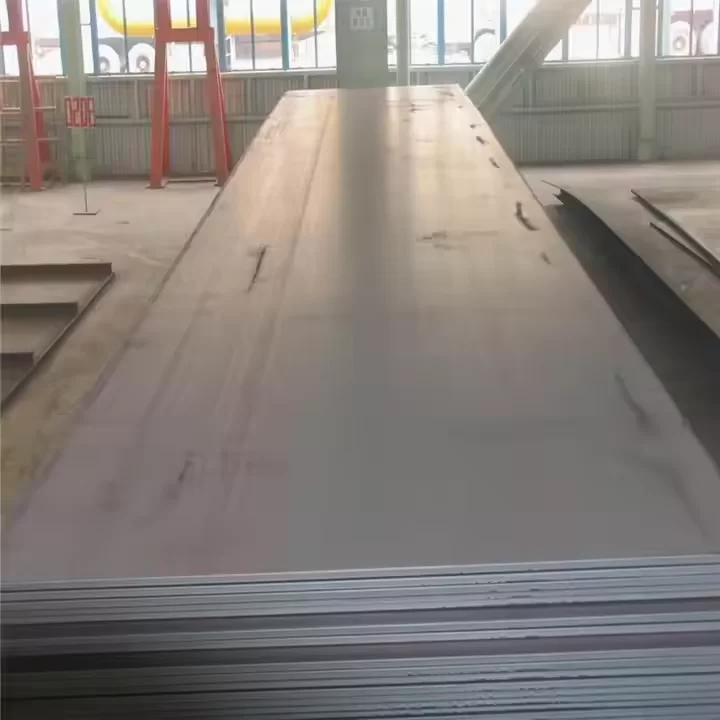
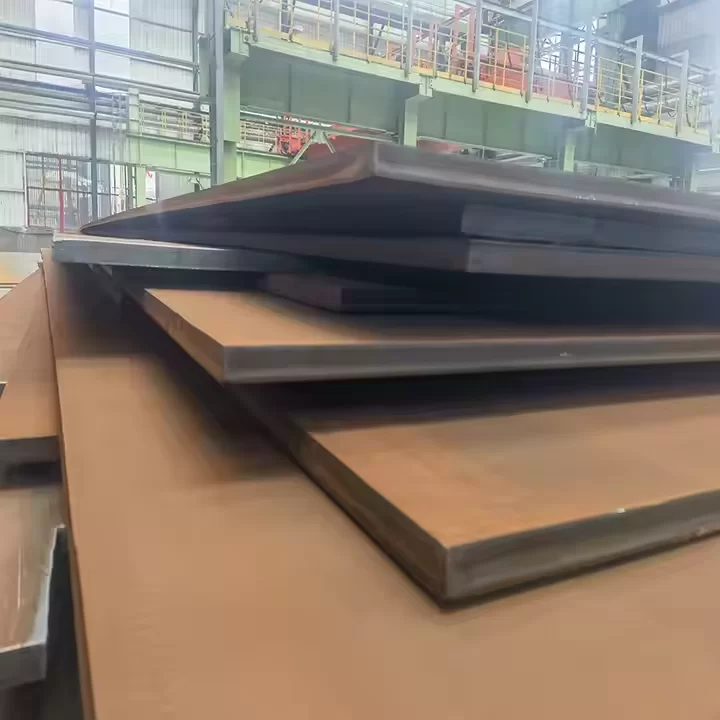
Simply put, a 10mm steel plate is a flat, rectangular steel product that is 10 millimeters thick. It’s produced through hot rolling or cold rolling processes and then cut to standardized sizes. Because 10mm is neither too thick nor too thin, it provides excellent mechanical properties for many applications.
Its relevance extends beyond construction—say, in vehicle manufacturing where safety frames need a precise thickness, or naval applications where corrosion resistance paired with sturdy thickness matters. The 10mm steel plate’s versatility also aligns with humanitarian efforts, where speed and reliability in temporary structures are paramount.
Key Factors Defining 10mm Steel Plate
Durability
At 10mm thickness, steel plates are thick enough to resist deformation and corrosion (when properly treated), yet light enough to handle in prefabrication settings. It often undergoes surface treatments like galvanization for added protection.
Cost Efficiency
Oddly enough, choosing a plate thicker than 10mm can lead to reduced weldability and higher transportation costs without proportional benefits in strength for certain projects. Meanwhile, using thinner metal risks structural compromise. So 10mm hits a practical cost-benefit balance.
Scalability
Manufacturers can mass-produce 10mm steel plates quickly, allowing for rapid deployment in large construction projects or emergency housing assembly.
Versatility
This thickness suits a range of steel grades—from low carbon for ease of processing to high-strength alloys for demanding mechanical environments.
Standardization
International standards, such as ASTM A36 or EN 10025 commonly apply to 10mm plates, ensuring interchangeability and reliability. This regulatory alignment is crucial for companies working across borders.
| Specification |
Details |
| Thickness |
10mm (±0.5mm tolerance) |
| Typical Width |
1500mm to 3000mm |
| Length |
3000mm to 12000mm |
| Material Grades |
A36, Q235, S355 and equivalents |
| Surface Treatment |
Mill finish, galvanized, painted |
Mini takeaway: The 10mm steel plate’s combination of standardized sizing, multiple grades, and treatment options makes it an extremely adaptable choice for industry.
Global Applications of 10mm Steel Plates
It might feel dry to list industries, but it’s really fascinating how many rely on this particular thickness:
- Construction: Structural support beams, precast concrete forms, cladding panels.
- Transportation: Chassis of trucks, train cars, ship hull reinforcements.
- Manufacturing: Heavy machinery frames, press equipment.
- Energy: Supporting elements in solar farms and wind turbine bases.
- Humanitarian Response: Temporary shelters and barracks constructed rapidly in disaster zones.
For example, in post-disaster relief operations in Southeast Asia, 10mm steel plates have been used to fabricate modular housing units — combining speed with strength. Elsewhere, in remote industrial zones across Africa, this thickness is favored because it tolerates harsh environments but doesn’t weigh down logistics.
Advantages and Long-Term Value of 10mm Steel Plates
So what’s the bottom line? Why are so many project managers and engineers rooting for 10mm steel plates?
- Cost-effective durability: Its longevity minimizes maintenance costs.
- Sustainability: Many plates now come from recycled steel, reducing environmental impact.
- Reliability: Consistent quality means fewer project delays and structural surprises.
- Safety and trust: Knowing your steel meets international standards brings peace of mind — a little emotional boost on heavy projects.
Vendor Comparison: Who Supplies the Best 10mm Steel Plate?
| Vendor |
Grade Options |
Lead Time |
Certifications |
Pricing (USD/ton) |
| Baidy Steel |
A36, Q235, S355 |
2-3 weeks |
ISO 9001, CE |
$600 - $650 |
| Global Steel Corp. |
Q235, S355 |
3-4 weeks |
ISO 9001 |
$620 - $670 |
| Orient Metals |
A36 |
4-5 weeks |
CE, API |
$580 - $630 |
Future Trends and Innovations Impacting 10mm Steel Plates
Looking ahead, the steel industry is buzzing with innovations that will shape how 10mm steel plates are made and used. Green steel production—using hydrogen instead of coal to reduce emissions—is rapidly gaining traction. This means future 10mm steel plates could be far more sustainable.
There’s also talk of embedding sensors into steel plates to monitor stress or corrosion in real-time, especially in critical infrastructure. That’s just the kind of digital transformation that engineers have been dreaming about.
Challenges and Solutions in Working with 10mm Steel Plates
Of course, nothing is perfect. Handling and welding 10mm plates require skill to avoid warping. Transport can be costly when sourced far from project sites.
Still, many suppliers now offer pre-cut, galvanized, or coated 10mm plates to reduce onsite processing time. Logistics companies provide modular shipping options, easing transport costs. So while challenges exist, innovation continues to drive solutions.
FAQ: Common Questions About 10mm Steel Plate
- Q: What applications are ideal for 10mm steel plates?
A: They’re excellent for structural components, machinery bases, and panels where moderate strength and weight are required.
- Q: How does 10mm steel compare to thicker plates?
A: Thicker plates offer higher strength but are heavier and more costly to weld and transport. The 10mm plate balances these factors well.
- Q: Is 10mm steel plate suitable for outdoor use?
A: Yes, especially if surface treated or galvanized; it withstands weathering effectively for structural and fabrication needs.
- Q: Can NGOs import 10mm steel plates for relief projects easily?
A: Most vendors comply with international shipping and customs requirements, streamlining import to various countries.
Conclusion: Why 10mm Steel Plate Should Be Your Go-To Choice
In real terms, the 10mm steel plate is more than a metal slab—it’s a linchpin in global development, from humble building foundations to advanced machine parts. Its balance of adaptability, cost, and strength makes it one of the most dependable materials in industry and humanitarian logistics alike.
If you’re considering reliable steel solutions for your projects, visit Baidy Steel for high-quality, certified 10mm steel plates curated for both standard and specialized needs. Your project deserves materials you can trust.
Sometimes, the right thickness isn’t just a specification — it’s peace of mind.
References
- World Steel Association – Global Steel Production
- ISO 4948 - Steel Classification
- Wikipedia – Steel Plate