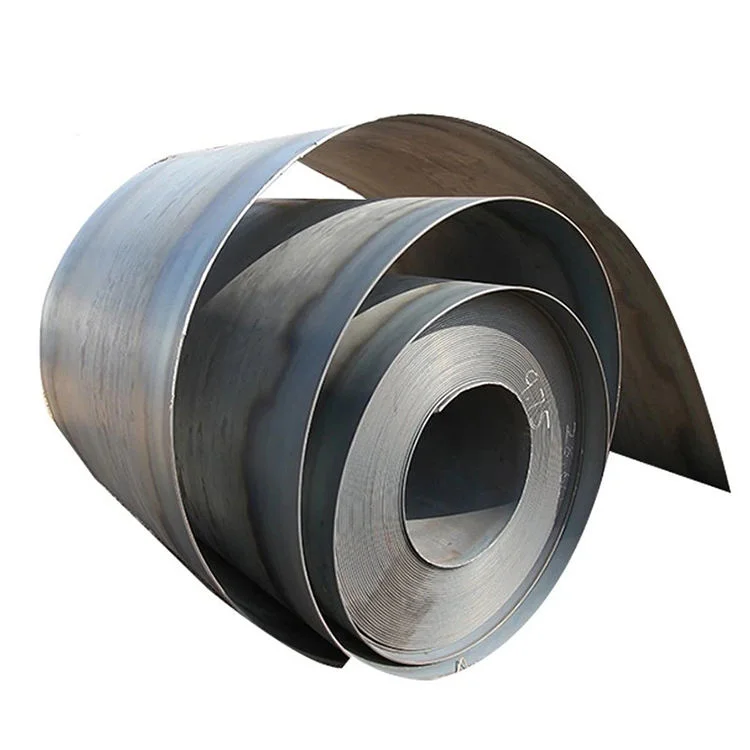
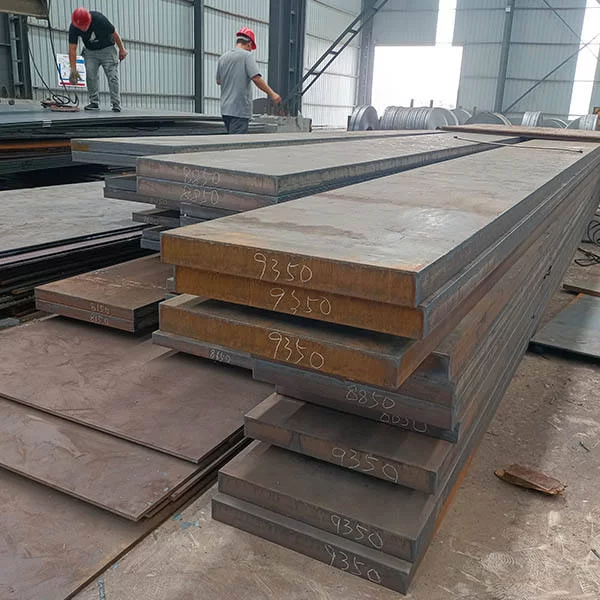
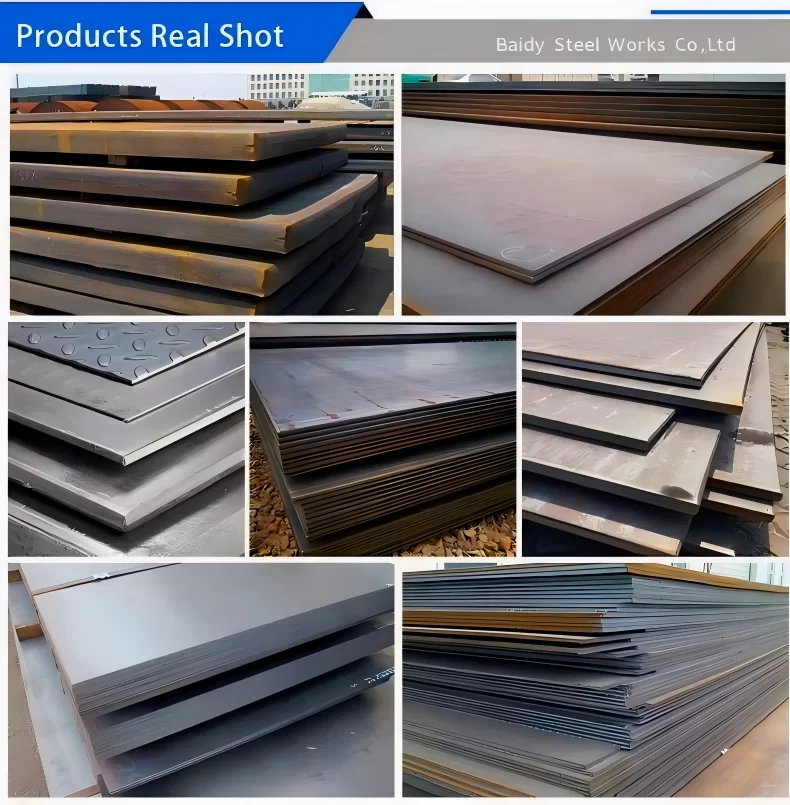
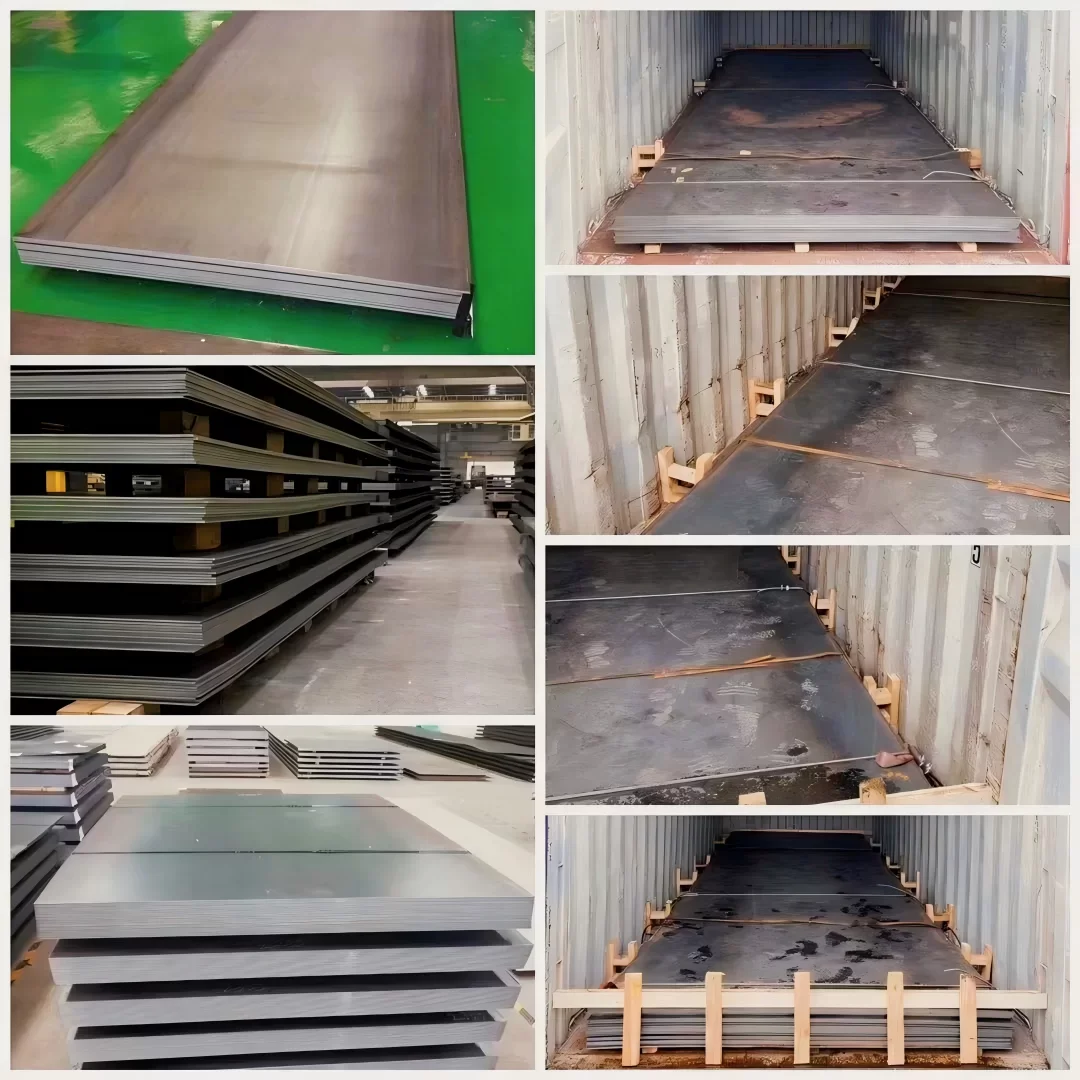
Understanding the 12mm Steel Plate: A Global Industrial Staple
The 12mm steel plate is more than just a slab of metal — it’s a key material that shapes infrastructure, construction, and manufacturing worldwide. Its thickness offers a perfect balance, making it a versatile choice across many sectors. From towering skyscrapers to resilient shipping containers, especially in developing regions with rapidly growing industries, 12mm steel plates provide strength, reliability, and cost-efficiency. Understanding this product is essential for engineers, procurement managers, or anyone involved in projects requiring durable steel solutions.
Globally, steel production reached approximately 1.9 billion tonnes in 2022, according to the World Steel Association, with steel plates of various thicknesses constituting a significant portion. The 12mm thickness is especially favored because it’s strong but not too bulky — a reliable “middle ground.” It’s a popular choice for structural applications, machinery parts, and even humanitarian projects like temporary shelters, illustrating its broad impact.
Why 12mm Steel Plate Matters in a Global Context
The steel industry faces pressures from evolving environmental standards and fluctuating raw material costs, yet demand for quality steel plates remains resilient. In construction, for example, the International Organization for Standardization (ISO) notes that steel materials must meet strict quality criteria to withstand hazards such as earthquakes or extreme weather — factors critical as urbanization accelerates worldwide.
Oddly enough, while thinner sheets could reduce cost and weight, 12mm steel plates offer a sweet spot in durability without significantly increasing expenses. This balance helps global industries reduce maintenance costs and improve safety margins — a pivotal challenge addressed by this specific thickness.
What Exactly Is a 12mm Steel Plate?
In simple terms, a 12mm steel plate is a flat piece of steel that is exactly 12 millimeters thick. Typically made using methods like hot rolling, this plate exhibits uniform thickness and smooth surfaces. Its core appeal lies in providing mechanical strength and rigidity — precisely what engineers or fabricators seek when designing structures or machinery parts.
Modern industry relies heavily on these plates, from automotive manufacturing to large-scale construction. Humanitarian efforts, such as emergency housing solutions, also benefit by focusing on materials like 12mm steel plate that balance solidity with ease of transport and assembly.
Key Factors of 12mm Steel Plate
1. Durability
Steel plates of this thickness handle significant loads and resist wear from environmental conditions, including corrosion when coated properly. This makes them ideal for outdoor and industrial applications.
2. Cost Efficiency
12mm steel strikes a cost-effective middle ground. It’s less expensive than thicker plates yet more robust than thinner sheet metal – reducing long-term expenses linked to repairs or replacements.
3. Versatility
From marine vessels to pipelines, its adaptability to cutting, welding, and forming processes means it fits diverse manufacturing needs without compromising integrity.
4. Scalability
Manufacturers can produce 12mm plates in large volumes with consistent quality, matching the demands of both small-scale projects and massive industrial orders.
5. Compliance and Standards
High-quality 12mm steel plates typically comply with standards like ASTM A36, EN 10025, or equivalent national norms, ensuring safety and performance benchmarks.
Mini Takeaway:
The 12mm steel plate is a strong, adaptable, and economical material whose balanced properties answer many needs across industries worldwide.
Specifications of Standard 12mm Steel Plate
| Specification |
Typical Values |
Notes |
| Thickness |
12 mm |
Nominal; tolerance ±0.2 mm |
| Material Grade |
ASTM A36 / EN S275 JR |
Common grade for structural applications |
| Yield Strength |
250 MPa (approx.) |
Minimum standard value |
| Tensile Strength |
400-550 MPa |
Varies by grade and treatment |
| Dimensions |
Various (e.g., 2000x6000 mm) |
Custom sizes usually available |
| Surface Finish |
Mill finish or coated |
Coating options for corrosion resistance |
Global Applications & Use Cases of 12mm Steel Plate
In real terms, the 12mm steel plate finds itself at the heart of many critical projects across continents. In China and India, rapidly expanding infrastructure requires steel plates that provide both cost savings and reliability. In Europe, these plates are often used for bridge reinforcement and shipbuilding, where strict regulations demand excellent mechanical performance.
During humanitarian crises, NGOs rely on steel plates to construct modular shelters or rebuild key community buildings quickly. For example, post-earthquake reconstruction in parts of South America has utilized such steel plates to restore housing with resistance to aftershocks.
Industrial facilities in remote regions, from African mining sites to middle-eastern oil fields, depend on robust steel structures crafted from these plates to ensure equipment protection under harsh conditions.
Vendor Comparison
| Vendor |
Quality Certifications |
Lead Time |
Pricing |
Custom Sizes |
| Baidi Steel |
ISO 9001, CE |
2-3 weeks |
Competitive |
Yes |
| Global Steel Inc. |
ASTM, ISO 14001 |
4-5 weeks |
Moderate |
Limited |
| SteelTech Solutions |
CE, ISO 9001 |
3-4 weeks |
Higher |
Yes |
Advantages and Long-Term Value
When you think about the value 12mm steel plates deliver, it’s not just the upfront savings. There’s something profound about their longevity. Fewer replacements and less downtime mean not only financial gain but also a trusted partner in construction or manufacturing. It’s kind of reassuring to know that a structure built with quality 12mm plate can weather storms... literally and figuratively.
Environmentally, using durable steel cuts waste — fewer raw materials needed over time, and many steel plates can be recycled at end-of-life. Emotionally, stakeholders appreciate knowing their investments aren’t just thrown together but built on reliable materials that carry safety and integrity at their core. That aspect fosters trust between clients, suppliers, and end users.
Future Trends & Innovations
While the 12mm steel plate might sound like tried-and-true tech, innovations are swirling around it. Steel producers are increasingly adopting greener processes such as electric arc furnaces to reduce carbon emissions. Additionally, research into advanced coatings that resist corrosion longer is ongoing, which impressively extends service life.
Digital transformation, through smart factories using AI-controlled production lines, ensures even tighter tolerances and quality control — making each 12mm plate better than ever. The push for sustainability also encourages rethinking usage, such as integrating 12mm steel plates in modular, recyclable building designs.
Challenges & Solutions
Still, challenges exist. Handling and transporting heavy steel plates, especially of 12mm thickness and larger dimensions, can be costly and logistically tricky. Not every region has the infrastructure to easily move large steel slabs.
Solutions involve smarter supply chain management — for example, sourcing closer to project sites or investing in cutting technologies that optimize material use and reduce waste. Advances in modular construction also enable smaller prefabricated sections, easing onsite assembly stresses.
FAQ: Frequently Asked Questions About 12mm Steel Plate
- Q: What are the advantages of 12mm steel plate over thinner sheets?
A: 12mm plates offer enhanced structural strength and durability compared to thinner sheets. They better resist deformation under heavy loads, which is vital for applications like shipbuilding or structural support. Thinner sheets can be cheaper but often sacrifice long-term reliability.
- Q: How long can structures made with 12mm steel plates last?
A: With proper treatment such as anti-corrosion coatings and maintenance, structures using 12mm steel plates can last 25-50 years or more. Environmental conditions and usage patterns also affect lifespan.
- Q: Is it possible to customize the size or treatment of 12mm steel plates?
A: Yes. Most reputable steel suppliers offer customization in dimensions, coatings, and heat treatments to suit project requirements. This flexibility makes the 12mm plate ideal for diverse applications.
- Q: Can NGOs import 12mm steel plates for humanitarian projects overseas?
A: Many suppliers like Baidi Steel facilitate international shipping and provide necessary export documentation. Coordination with customs and import regulations is essential, but the process is well-established.
Conclusion: Why 12mm Steel Plates Are Worth Your Attention
A glance at the global steel market shows that the 12mm steel plate holds a quiet but critical value — coupling strength, cost efficiency, and adaptability. For anyone invested in building, manufacturing, or relief efforts requiring dependable materials, understanding and specifying the right steel plate thickness is indispensable.
Curious to explore high-quality, competitively priced 12mm steel plates? Visit our website: https://www.baidysteel.com for detailed product options and expert guidance. Because in the end, the right steel plate can make all the difference.
Sometimes it’s the simple things – like a 12mm slice of steel – that underpin the complex world around us.
References
- World Steel Association
- ISO 9001 Quality Management
- Wikipedia: Steel