Understanding the 12mm Mild Steel Plate: Its Global Significance and Applications
When it comes to structural and fabrication materials, the 12mm mild steel plate holds a subtle yet crucial position. It might sound technical or dull at first, but its role is deeply woven into everything from skyscrapers and bridges to humanitarian relief shelters and manufacturing plants worldwide. Understanding this material doesn't just benefit engineers — it helps anyone who cares about sustainable infrastructure, cost-effective construction, and durable products.
Introduction: Why the 12mm Mild Steel Plate Matters Globally
Steel production has long been a backbone of industrial progress, accounting for over 1.8 billion tons annually worldwide. Specifically, mild steel plates with a 12mm thickness are often favored for their balance of strength, flexibility, and affordability, suiting countless applications. This thickness is a 'sweet spot' — thin enough to be workable, thick enough to provide structural integrity.
But steelmaking and usage also face challenges: environmental impact, fluctuating raw material costs, and supply chain vulnerabilities. The 12mm mild steel plate segment helps address these concerns by offering material efficiency — meaning projects can optimize their steel usage without compromising safety or durability. It's not just a raw material; it’s a solution that supports green building practices and resilient engineering worldwide.
Defining the 12mm Mild Steel Plate
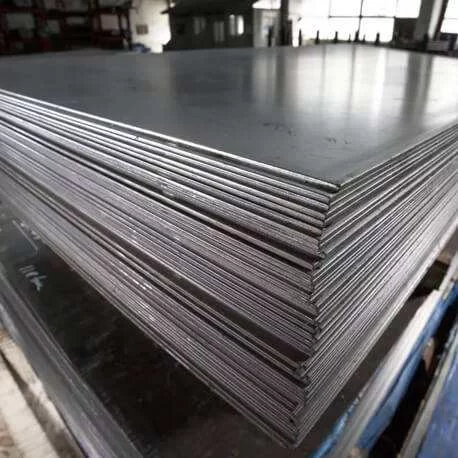
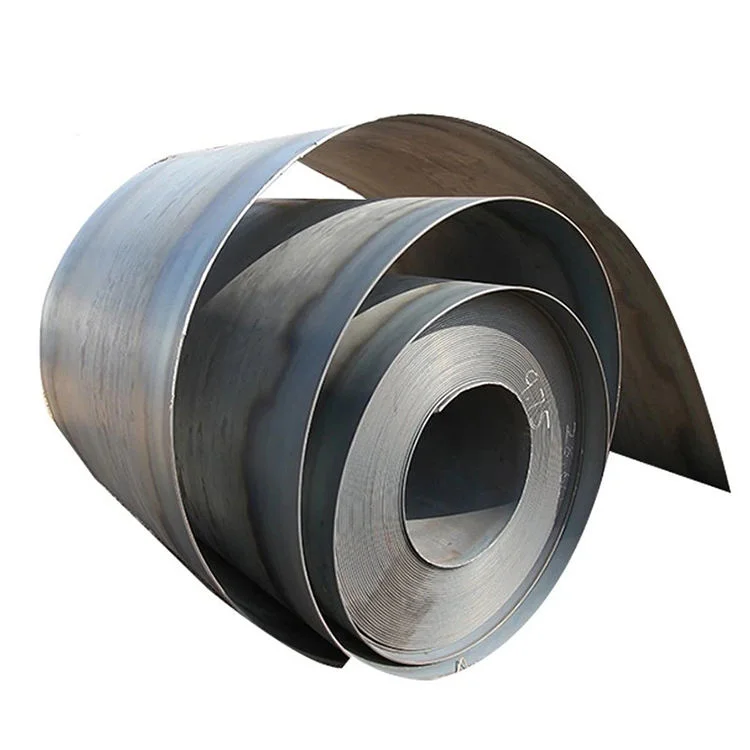
Simply put, a 12mm mild steel plate is a flat piece of steel with a thickness of 12 millimeters, made from mild steel alloy — which typically contains about 0.05%-0.25% carbon. This low carbon content makes it less brittle and more ductile compared to higher-carbon steels, so it’s easier to weld, cut, and shape.
This physical form is foundational in industries where both toughness and malleability are valued—construction, automotive, shipbuilding, even storage tanks. In humanitarian contexts, these plates are essential for creating durable, quickly assembled shelters or temporary infrastructure in disaster zones. Their manageable thickness helps balance portability and robustness.
Key Factors of the 12mm Mild Steel Plate
Durability
At 12mm thickness, mild steel plates resist deformation under considerable loads or impacts. Their durability ensures that structures withstand extreme weather or heavy usage without quick wear.
Cost Efficiency
Mild steel is among the most cost-effective metals for construction due to its abundance and the streamlined production process. Choosing a 12mm plate often reduces the need for additional reinforcement.
Weldability and Fabrication
Its low carbon content means fabricators can easily solder or weld these plates without advanced procedures, lowering labor costs and shortening timelines.
Corrosion Resistance (with Treatment)
Though plain mild steel can rust, modern coatings and galvanizing methods significantly prolong the 12mm plate’s lifespan, crucial for outdoor or marine applications.
Scalability
The 12mm thickness strikes a balance, enabling mass production while remaining versatile for custom projects — from heavy machinery parts to architectural elements.
Product Specifications at a Glance
| Specification |
Value |
| Thickness |
12 mm ± 0.3 mm |
| Material Grade |
A36 / ASTM A283 Grade C |
| Tensile Strength |
400-550 MPa |
| Yield Strength |
250 MPa (min) |
| Density |
7.85 g/cm³ |
| Surface Finish |
Hot rolled / Cold rolled options available |
Global Applications & Use Cases
The versatility of the 12mm mild steel plate means it’s everywhere:
- Construction: Structural beams, frames, and panels in residential and commercial buildings — especially in earthquake-prone regions due to its ductility.
- Shipbuilding: Bulkheads and hull reinforcements where moderate thickness is optimal for strength and weight.
- Automotive sector: Chassis and heavy-duty vehicle parts.
- Humanitarian relief: Temporary shelters and rapid-deployment units benefit from the balance of strength and transportability.
- Industrial machinery: Base plates, machine guards, and fabricated components.
For instance, in Southeast Asia’s typhoon recovery efforts, NGOs have relied on 12mm plates to create temporary bridges and shelter frameworks — structures that can be assembled fast, withstand harsh conditions, and be easily recycled afterwards.
Vendor Comparison: Popular 12mm Mild Steel Plates on the Market
| Vendor |
Price per Ton (USD) |
Standard Certification |
Delivery Lead Time |
| Baidy Steel |
$650 - $700 |
ISO 9001, ASTM |
| Global Metals Inc. |
$680 - $720 |
API 5L, ISO |
| Eastern Steel Co. |
$630 - $690 |
ASTM A36, ISO 14001 |
Advantages & Long-Term Value of 12mm Mild Steel Plate
Many engineers say it’s the reliability of these plates that earns repeated trust. Frankly, in a world demanding sustainability and lower costs, the 12mm mild steel plate fits right in with both emotional and logical needs. It offers:
- Safety: Strong enough to hold loads without risk of unexpected failure.
- Dignity: Used in humanitarian buildings, it helps protect lives and livelihoods, giving shelter to displaced populations.
- Innovation: Easily adaptable to modern designs thanks to its weldable nature.
- Trust: Proven across decades and continents — it’s the material many companies standardize on.
- Sustainability: Can be recycled and reprocessed, fitting circular economy goals.
Future Trends & Innovations
The future for 12mm mild steel plates isn’t static. There’s ongoing research into:
- Green steel production: Using hydrogen-based reduction to cut carbon emissions during manufacturing.
- Coating technologies: Better rust-proof layers mean longer life even in coastal or humid environments.
- Digital fabrication: CNC cutting and automation improve precision and reduce waste.
These developments align with international policies aiming to halve steel sector emissions by 2050 (IEA, 2021). Oddly enough, the humble 12mm plate might be at the forefront of a green steel revolution.
Challenges & Solutions
Despite its advantages, some challenges persist:
- Corrosion risk: Without proper protective treatment, mild steel rusts easily.
- Weight: At 12mm, plates add significant mass, complicating transport for remote projects.
- Supply chain volatility: Steel prices fluctuate with global demand, affecting budgets.
To tackle these, industry experts recommend advanced coatings like zinc-aluminum alloys, modular fabrication at the manufacturing site to lower transportation load, and building long-term supplier relationships for stable pricing.
Frequently Asked Questions About 12mm Mild Steel Plate
- What makes the 12mm mild steel plate ideal for construction?
- Its thickness offers an excellent balance of strength and workability, making it suitable for frameworks that require durability without excessive weight.
- Is a 12mm plate suitable for outdoor use without treatment?
- Generally, mild steel corrodes if untreated. Applying galvanization or protective paints is essential for outdoor or marine applications.
- How does the 12mm mild steel plate compare to stainless steel?
- While stainless steel offers superior corrosion resistance, it’s costlier. The 12mm mild steel plate remains a cost-effective alternative with proper surface treatments.
- Can these plates be recycled?
- Absolutely. Mild steel is highly recyclable, making these plates environmentally friendlier than many alternatives.
Conclusion
To sum up, the 12mm mild steel plate isn’t just a raw material — it’s a cornerstone of modern engineering and humanitarian infrastructure. Its blend of durability, cost-effectiveness, and adaptability makes it indispensable globally. For anyone involved in manufacturing, construction, or relief operations, understanding and sourcing quality 12mm mild steel plate is critical.
If you want to explore more detailed specifications or get customized quotes, don’t hesitate to visit our website: 12mm mild steel plate.
So next time you walk past a bridge, a shelter, or even a heavy-duty truck, remember there’s a good chance that dependable 12mm plate quietly making everything stand strong under the hood.
Mini takeaway: The 12mm mild steel plate combines performance with practicality — an often-overlooked hero behind many steel successes worldwide.
1. World Steel Association, “Steel Statistical Yearbook,” 2023, worldsteel.org
2. International Energy Agency (IEA), “Iron and Steel Technology Roadmap,” 2021, iea.org
3. ASTM International, “ASTM A36 Steel Plate Standards,” astm.org