Understanding the Importance of 15mm Steel Plate in Modern Industry
When you hear 15mm steel plate, you might just picture a solid chunk of metal. But frankly, these plates are much more than just thick sheet metal — they’re the backbone of countless industries worldwide. Globally, steel production topped 1.8 billion metric tons in 2022 (World Steel Association), and thick plates like the 15mm variety play a crucial role in construction, manufacturing, and infrastructure. Understanding their applications and benefits isn’t just a niche technical topic — it’s about grasping a material that builds cities, shelters communities, and propels economies.
Why does this matter? Well, as the world keeps urbanizing and industries demand better, more reliable materials, the demand and innovation around steel plates keep rising. Especially after events like natural disasters, the fast deployment of durable materials can literally save lives and restore economies. That’s where the idea of 15mm steel plate becomes particularly relevant.
Brief Intro: The Global Context of 15mm Steel Plate
Oddly enough, steel might not feel glamorous, but it’s a fundamental part of global infrastructure. According to the United Nations Industrial Development Organization (UNIDO), heavy industries and infrastructure projects rely heavily on steel plates in the thickness range of 10-30mm for their strength and versatility. The 15mm steel plate strikes a kind of sweet spot — thick enough for heavy load-bearing, but still workable and adaptable. With increasing urban and industrial demands, challenges such as cost control, sustainability, and supply chain resilience have pushed manufacturers to optimize steel products continuously.
The challenge lies in balancing strength with cost and environmental impact. Steel production can be energy-intensive, and with climate goals tightening globally (see ISO standards on sustainable manufacturing), there’s a real pressure on steel manufacturers and buyers to innovate. The 15mm steel plate, while seemingly standard, is a critical focus in this pursuit.
What Exactly Is a 15mm Steel Plate?
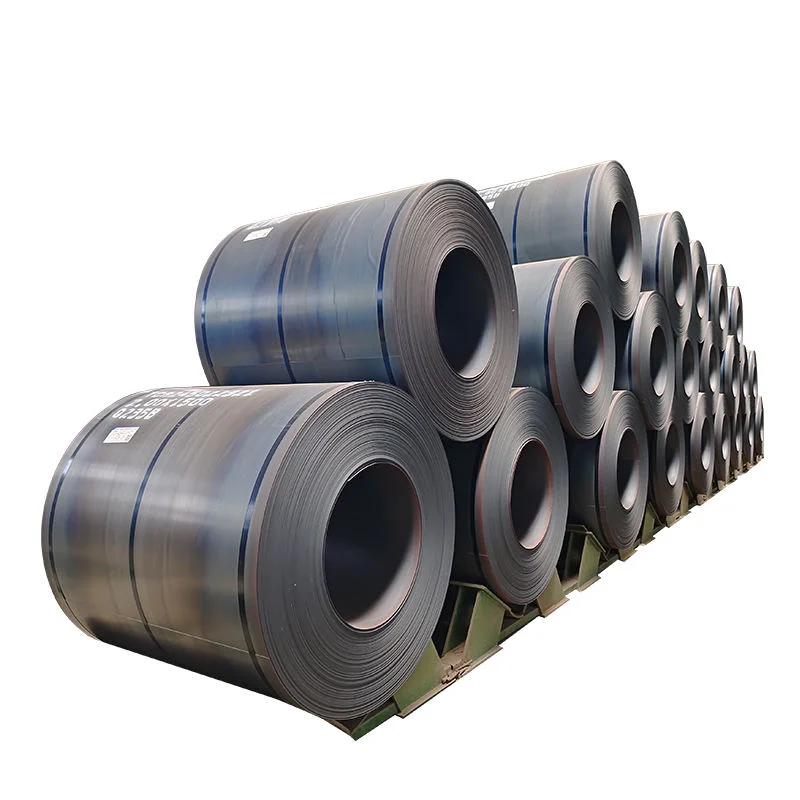
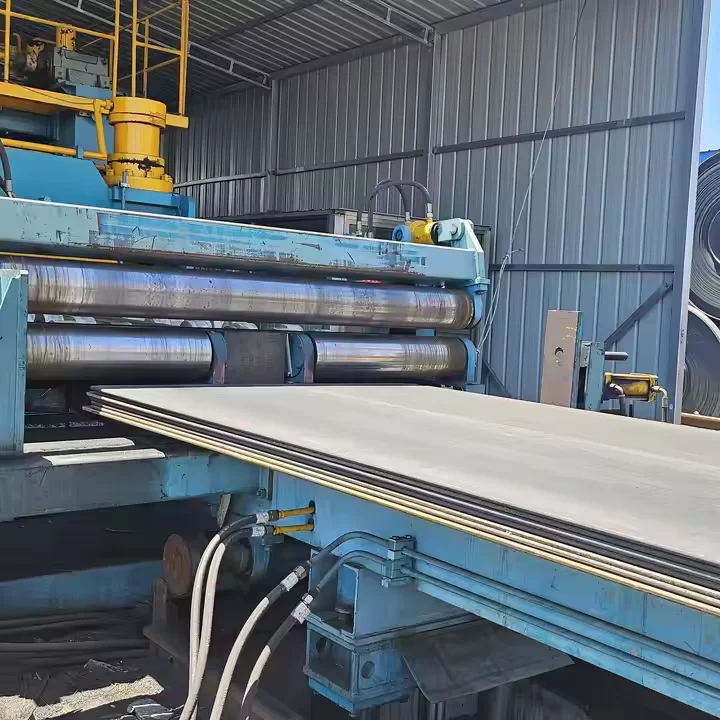
Simply put, a 15mm steel plate is a flat piece of steel, 15 millimeters thick, used in structural and engineering applications. It’s a form of carbon steel commonly produced in various grades (like A36, Q235) tailored for different mechanical strengths and corrosion resistance properties. Compared to thinner sheets, 15mm plates provide greater rigidity and durability, making them ideal for load-bearing as well as protection purposes.
The versatility of the 15mm steel plate links it directly to modern industry needs – building everything from bridges and ship hulls to heavy machinery and modular housing units. It’s also increasingly important in humanitarian efforts, providing resilient materials for shelters or infrastructure in post-disaster scenarios where you need sturdy, easy-to-fabricate solutions.
Key Factors of 15mm Steel Plate
1. Durability
These plates handle stress, temperature fluctuations, and wear better than thinner steel alternatives. The thickness offers a guard against deformation, making the material trustworthy for safety-relevant applications.
2. Versatility in Fabrication
Despite the sturdy thickness, 15mm steel plates can be cut, welded, or rolled to shape, suiting various fabrication processes — which is crucial for customization in industries.
3. Cost Efficiency
While thicker plates cost more, you often save money long-term by reducing maintenance, repairs, and replacements, especially in harsh operational settings.
4. Scalability and Supply
Given their widespread use, 15mm steel plates are generally available from multiple vendors worldwide, enabling scalable projects across large and small enterprises.
Product Specification Table - Typical 15mm Steel Plate
| Specification |
Value |
| Thickness |
15 mm |
| Width |
1,000 – 2,000 mm |
| Length |
2,000 – 6,000 mm |
| Material Grade |
A36, Q235, S355 |
| Tensile Strength |
400 – 550 MPa |
Global Applications & Use Cases
The use cases for 15mm steel plate span continents and industries.
- Construction & Infrastructure: From bridges across Europe to skyscrapers in Asia, these plates are foundational components in heavy structural elements.
- Marine Industry: Shipbuilders use them for hull sections, where the combination of strength and toughness protects vessels against rough seas.
- Energy Sector: Wind turbine foundations and offshore rigs rely on the durability and thickness of steel plates like these.
- Disaster Relief Engineering: NGOs incorporate modular shelters using 15mm steel plate for quick, sturdy installations in disaster-stricken zones.
- Manufacturing Heavy Machinery: Heavy equipment frames often require thick steel plates for longevity.
In remote industrial zones of Africa and South America, factories benefit enormously from such materials that blend cost and resilience. Oddly enough, the seemingly humble 15mm plate often defines the difference between a structure that survives and one that fails under pressure.
Advantages & Long-Term Value
Choosing a 15mm steel plate isn’t just a cost decision—it’s about trust and safety. Its robustness reassures engineers, workers, and end-users alike. Socially, it contributes to safer building practices and sustainable infrastructure longevity. Environmentally, better durability means fewer replacements and less waste — a real plus in terms of carbon footprint. Plus, it’s a tangible symbol of innovation in materials technology.
Many in the industry say that investing upfront in quality steel plates pays dividends in downtime avoidance and maintenance cost savings. You get a mix of peace of mind and practical reliability that’s hard to overstate.
Future Trends & Innovations in 15mm Steel Plate Usage
Looking forward, the steel plate world isn’t standing still. Novel alloys with added elements for corrosion resistance, surface treatments to reduce maintenance, and digital manufacturing tracking are all shaping the future. Plus, the 15mm steel plate is being adapted to smarter construction methods like modular building and automated fabrication.
Green energy projects use lighter but stronger alloys to cut weight without compromising strength. At the policy level, ISO 14001 environmental management standards push manufacturers to reduce emissions and recycle better. So even familiar steel plates are evolving quietly but importantly.
Challenges & Solutions
Of course, challenges remain. Supply chain issues, price fluctuations in iron ore, and energy consumption during steelmaking can throw a wrench in plans. Plus, dealing with heavy steel requires skilled labor and proper equipment.
Innovative solutions like using electric arc furnaces, adopting renewable energy in steel plants, and optimizing supply networks are helping. Plus, training programs and automation are reducing labor bottlenecks. It’s a dynamic space.
Vendor Comparison: Major Steel Plate Suppliers
| Supplier |
Price per Ton |
Delivery Time |
Quality Certification |
Sustainability Initiatives |
| Baidy Steel |
$600 – $650 |
2-4 weeks |
ISO 9001, ISO 14001 |
Carbon-neutral goals by 2030 |
| GlobalMetal Corp |
$620 – $660 |
3-5 weeks |
ISO 9001 |
Recycling programs in place |
| SteelWorks Ltd |
$590 – $630 |
1-3 weeks |
ISO 9001, OHSAS 18001 |
Energy-efficient plants |
FAQ: Frequently Asked Questions About 15mm Steel Plate
Q1: What are the common grades of 15mm steel plate used in construction?
A: Typical grades include A36, Q235, and S355, differing mainly in tensile strength and chemical composition. Each suits specific structural needs — A36 for general purposes, S355 for higher strength applications.
Q2: How does the 15mm thickness benefit modular housing projects?
A: This thickness offers a great balance between structural integrity and ease of fabrication, allowing rapid, durable builds that withstand environmental stresses, especially useful in disaster relief.
Q3: Are 15mm steel plates suitable for marine applications?
A: Yes, with appropriate coatings or using marine-grade alloys, 15mm plates provide excellent resistance to corrosion and strength required for ship hulls and offshore platforms.
Q4: Can small businesses source 15mm steel plate internationally?
A: Definitely, many suppliers offer worldwide shipping. It’s best to check certifications and delivery times to ensure quality and timely arrival; vendors like Baidy Steel specialize in this.
Conclusion
The 15mm steel plate might seem like just another industrial product, but its impact is massive and multifaceted. From underpinning vast infrastructure projects to enabling rapid humanitarian response, it combines cost-efficiency, strength, and adaptability in a package that industries worldwide can trust. With ongoing innovations and a clear push for sustainability, these plates will only grow in importance.
For anyone serious about sourcing reliable 15mm steel plate, or simply curious about how this key material shapes our world, I encourage you to explore more at Baidy Steel. Their expertise and product range are impressive, aligning well with future industry needs.
Thanks for sticking through this deep-dive — I suppose, in a way, understanding something as “commonplace” as steel plates really reveals the complexity and ingenuity behind modern construction and engineering.
References
- World Steel Association – Global Steel Production Data
- United Nations Industrial Development Organization (UNIDO)
- ISO 14001 Environmental Management Standards