Understanding 14 Gauge Steel Plate: Strength and Versatility in Modern Industry
If you’re not knee-deep in manufacturing or construction, "14 gauge steel plate" might just sound like technical jargon. But, believe me, this material plays a quietly huge role across industries worldwide — from building skyscrapers to crafting critical components in vehicles and infrastructure. It’s a marvel of engineering and practicality that impacts economies, safety, and innovation globally.
So what makes 14 gauge steel plate such a widely used and trusted choice? In this comprehensive yet approachable guide, we’ll explore its definition, applications, benefits, future trends, and even tackle your common questions. Buckle up — there’s a lot to unpack, and it’s pretty fascinating when you get under the surface.
Global Importance of 14 Gauge Steel Plate
Steel production, according to the World Steel Association, exceeded 1.8 billion metric tons in 2023, and a solid chunk of that is in steel plate fabrication. The 14 gauge variety is especially prevalent because it hits a sweet spot — thick enough for structural integrity yet still manageable for manufacturing processes. It’s widely used in automotive, construction, agricultural equipment, and shipbuilding sectors internationally.
On a global scale, 14 gauge steel plate addresses the challenge of needing durable, cost-efficient, and adaptable materials — vital as infrastructure needs escalate and industries push for sustainability.
What Exactly Is 14 Gauge Steel Plate?
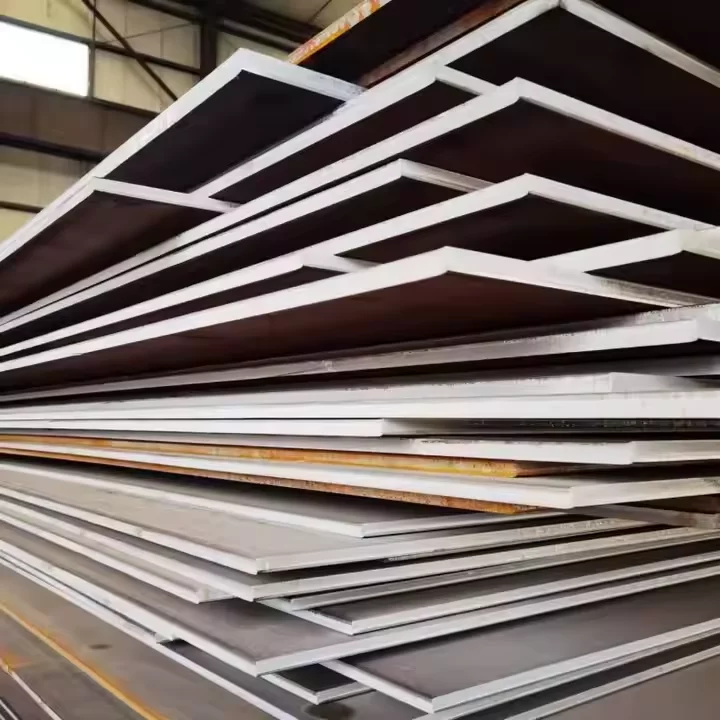
In simple terms, a "gauge" is a measurement of thickness. For steel, the lower the gauge number, the thicker the metal. A 14 gauge steel plate is about 0.0747 inches (roughly 1.9 mm) thick. It’s thicker than common sheet metals but thinner than heavy industrial plates, making it versatile for various uses where strength and formability are both crucial.
Modern industry relies heavily on this material because it can be shaped, welded, and fabricated efficiently, creating products that withstand wear, impact, and environmental stress — critical in everything from humanitarian relief housing to manufacturing components for energy infrastructure.
Key Characteristics of 14 Gauge Steel Plate
Durability & Strength
One of the first things engineers notice about this gauge is its balance of toughness and flexibility. It provides a robust barrier against physical damage while maintaining enough give for custom fabrication. That means long-lasting products and structures that won’t buckle under pressure.
Corrosion Resistance
Often galvanized or coated to resist rust, 14 gauge steel plates are commonly used in outdoor or harsh environments. This makes them ideal for applications in coastal or industrial zones where moisture and chemicals pose constant threats.
Cost Efficiency
This gauge tends to be economical—not too thick to bulk up costs or heavy transportation, yet thick enough to meet stringent safety codes. So, manufacturers and builders find a good middle ground, keeping budgets lean without compromising quality.
Scalability & Fabrication Ease
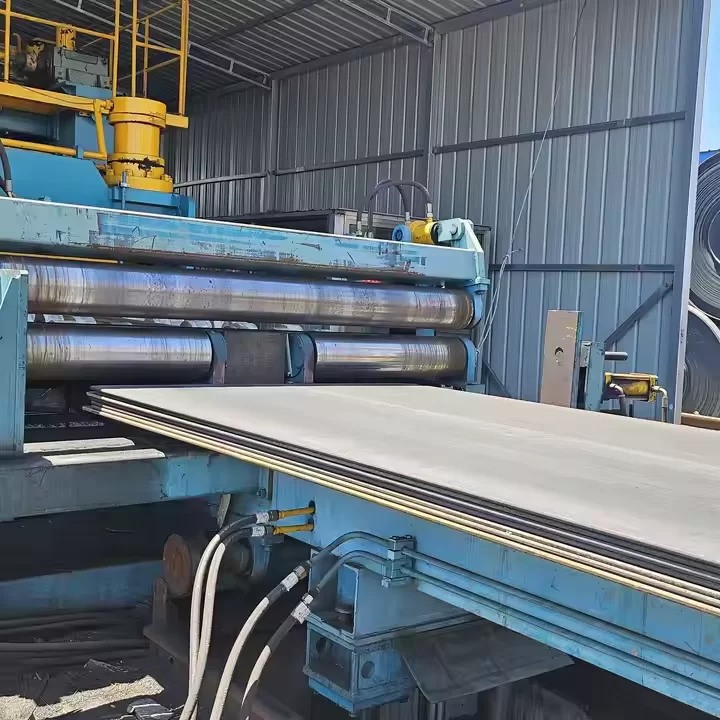
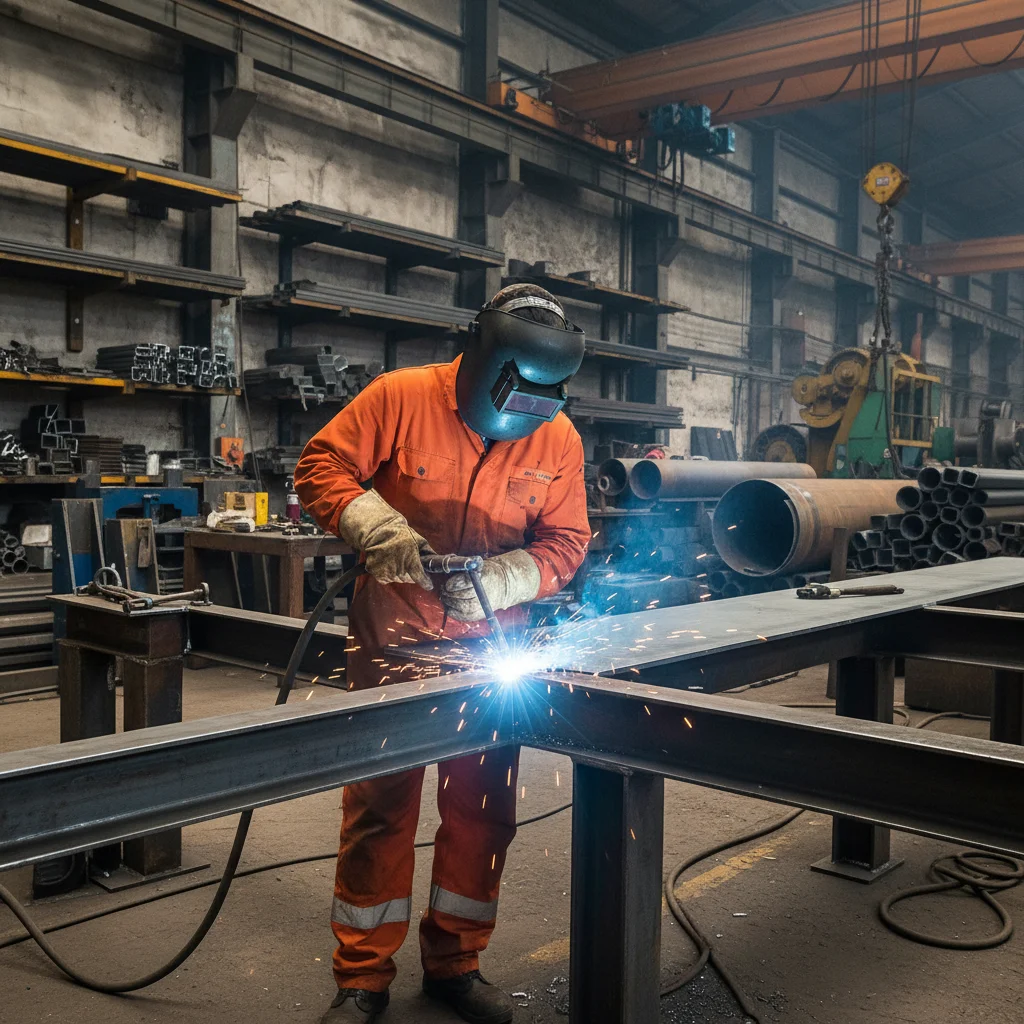
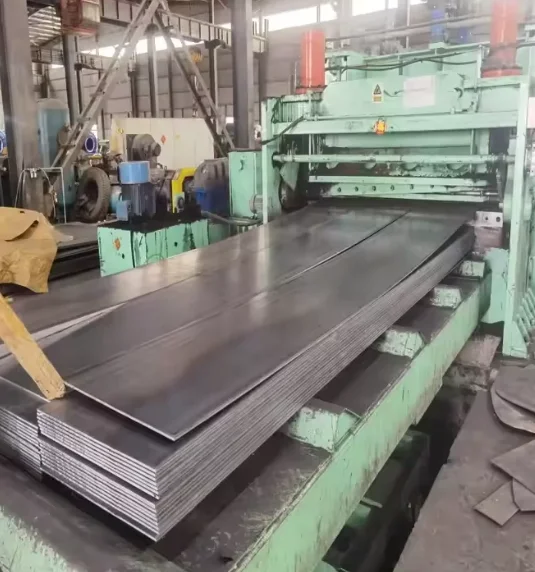
The way you can bend, cut, weld, and punch through 14 gauge steel plates is crucial. It’s workable enough for automated assembly lines yet durable enough for custom jobs — a real plus for fast-paced industries requiring both scale and precision.
Recyclability & Sustainability
Steel in general is one of the most recycled materials worldwide, and 14 gauge plate is no exception. Using recycled steel in production reduces carbon footprint and helps industries comply with increasing environmental regulations.
Typical Specifications of 14 Gauge Steel Plate
| Specification |
Value |
| Thickness |
0.0747 inch (1.9 mm) |
| Material Types |
Carbon Steel, Stainless Steel, Galvanized Steel |
| Yield Strength |
250-350 MPa (varies by alloy) |
| Common Widths |
48", 60" |
| Standard Lengths |
96", 120" |
Global Applications of 14 Gauge Steel Plate
Worldwide, industries deploy 14 gauge steel plates in a variety of settings:
- Construction: From framing to roofing in rapid-build housing projects, especially in urbanizing regions in Asia and Africa.
- Automotive: Body panels and chassis components to balance safety and efficiency.
- Energy Sector: Parts for renewable energy installations like wind turbines or solar panel mounts.
- Defense and Humanitarian Relief: Temporary shelters and facilities in disaster zones, where speed and durability are vital.
- Agricultural Machinery: Durable equipment that can endure outdoor exposure and mechanical strain.
For example, after earthquakes in Southeast Asia, modular shelters made with 14 gauge steel plates offered displaced populations quick, sturdy refuge. Similarly, in North America, many agricultural suppliers prefer this gauge for its blend of strength and ease of fabrication.
Benefits and Long-Term Value
The reasons to choose 14 gauge steel plate go beyond its specs:
- Cost-Effectiveness: Lower material and transportation costs compared with heavier gauges.
- Long-Lasting Reliability: Proven resilience against weather and wear ensures lower maintenance.
- Sustainability: High recyclability helps industries reduce environmental impact.
- Safety and Trust: Using quality steel plates adds peace of mind for builders and end-users alike.
- Innovation Catalyst: Supports the integration of automation and modular construction methods.
The emotional connection may not be immediately obvious, but safety and dignity in living and working environments come from materials you can depend on — which 14 gauge steel plates provide reliably.
Emerging Trends & Innovations
The future of 14 gauge steel involves smart manufacturing and green tech. For example:
- Green Coatings: Non-toxic, corrosion-resistant layers that extend lifespan while being eco-friendly.
- Digital Fabrication: Laser cutting and robotic welding optimize precision and reduce waste.
- Advanced Alloys: Combining traditional steel with elements like vanadium for added strength without weight.
- Sustainability Certifications: ISO 14001 compliance and recycling initiatives shaping procurement decisions.
As industries digitize and prioritize sustainability, 14 gauge steel plate will adapt and remain fundamental.
Challenges and Expert Solutions
Of course, no material is perfect. The common challenges with 14 gauge steel plate can be:
- Weight: Though thinner than heavy plates, it’s still heavier than some composites.
- Corrosion: Without proper coatings, steel corrodes, especially in harsh environments.
- Fabrication Limitations: Cutting or bending thicker steel requires specialized equipment.
Industry experts recommend advanced galvanization, alloy enhancements, and automation in fabrication lines to overcome these issues. Innovations in chemical treatments and better environmental controls in processing facilities also help extend the product lifecycle.
Vendor Comparison: 14 Gauge Steel Plate Suppliers
| Supplier |
Material Offerings |
Lead Time |
Price Range (per ton) |
Sustainability Certifications |
| Baidi Steel |
Carbon, Galvanized, Stainless |
2-3 weeks |
$650 - $800 |
ISO 14001 |
| Global Metalworks |
Carbon, Galvanized |
3-4 weeks |
$700 - $850 |
None |
| EcoSteel Solutions |
Recycled Steel, Stainless |
2-3 weeks |
$720 - $860 |
ISO 14001, LEED |
Frequently Asked Questions About 14 Gauge Steel Plate
- Q: How does 14 gauge steel plate compare to thinner sheet metal in strength?
- A: 14 gauge steel plate is significantly thicker and stronger than thinner sheet metals like 18 or 20 gauge. It provides better structural integrity, making it suitable for load-bearing applications.
- Q: Can 14 gauge steel plate be used in modular housing?
- A: Absolutely. Its durability and ease of fabrication make it a preferred material for modular homes, especially those that must withstand harsh weather or seismic activity.
- Q: Is galvanized 14 gauge steel plate better for outdoor use?
- Yes, galvanization adds a protective zinc coating that prevents rusting, extending the steel’s lifespan in outdoor or corrosive environments.
- Q: What are common customization options for 14 gauge steel plate?
- Vendors often offer cutting to specific sizes, pre-drilled holes, surface treatments (like painting or galvanizing), and bending to required shapes.
- Q: How to ensure sustainable sourcing when purchasing?
- Look for suppliers with environmental certifications like ISO 14001 and inquire about recycled content and waste management practices.
Conclusion and Next Steps
The 14 gauge steel plate isn’t just another number on the gauge chart — it’s a material cornerstone balancing strength, flexibility, and cost-effectiveness on a global scale. Whether you’re a builder, engineer, or buyer, understanding its applications and benefits can unlock smarter choices and more sustainable projects.
If you want to learn more or source high-quality 14 gauge steel plates tailored to your needs, I highly suggest visiting Baidi Steel’s website for detailed product information and expert support.
Interesting how something as seemingly simple as a steel plate can quietly bridge innovation, economics, and sustainability, isn't it? Keeps you thinking about the hidden strength beneath everyday materials.
References
- World Steel Association - Global Steel Data
- Sheet Metal - Wikipedia
- ISO 14001 Environmental Management