Hit enter to search or ESC to close
14 March 2026
Soldering galvanized sheet metal presents unique challenges due to the zinc coating. This guide provides a detailed overview of the process, addressing common issues, best practices, and suitable materials. We’ll explore the importance of proper preparation, flux selection, and soldering techniques to achieve strong, corrosion-resistant joints. Understanding these factors is crucial for successful projects involving galvanized steel. For high-quality galvanized steel products, visit Baidy Steel, a trusted supplier for all your metal needs.
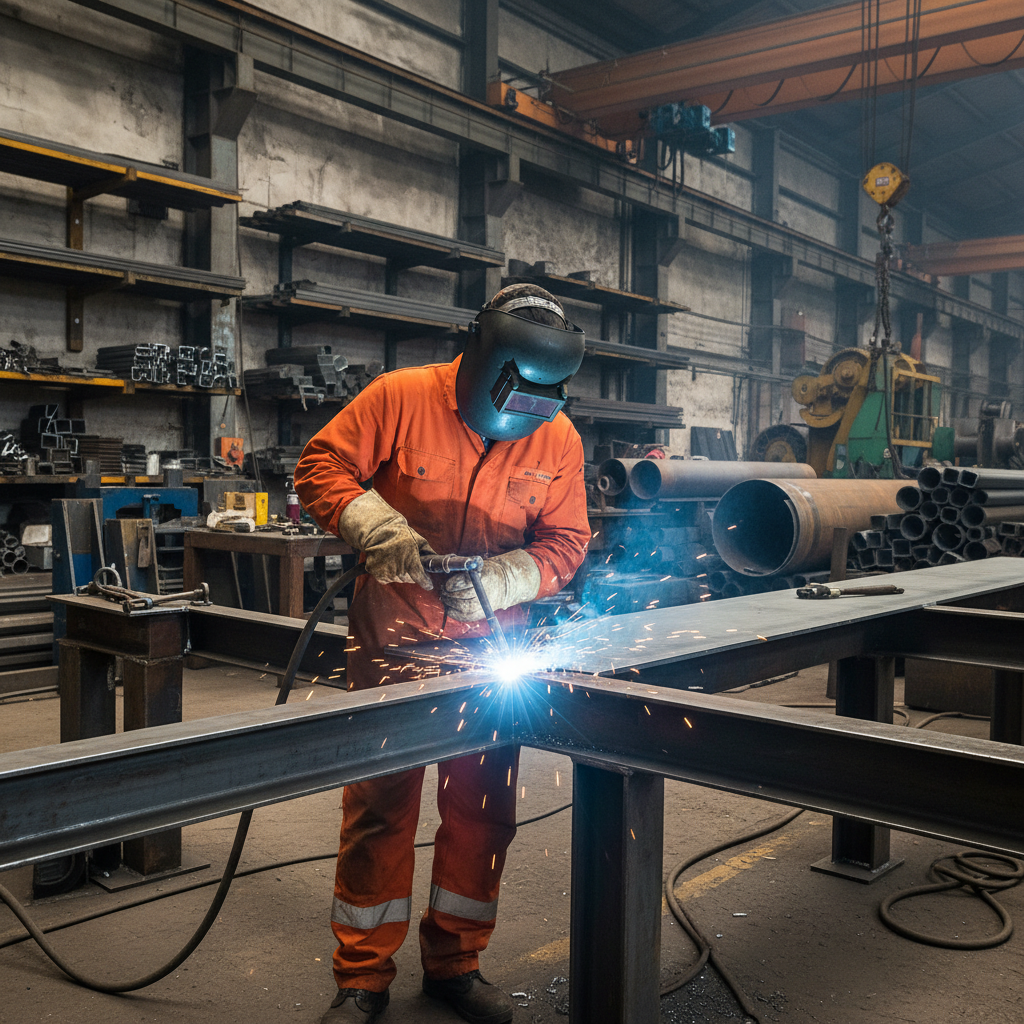
The primary difficulty in soldering galvanized steel stems from the zinc coating applied to prevent corrosion. Zinc has a higher melting point than most solders, and when heated, it vaporizes, creating fumes that can hinder solder adhesion. These fumes also pose health risks, emphasizing the need for adequate ventilation. Furthermore, the zinc oxide formed during heating is non-conductive, preventing the solder from properly wetting the metal surface. Overcoming these challenges requires specific preparation techniques and the correct choice of flux.
Key Challenges: Zinc vaporization, fume creation, non-conductive zinc oxide formation, and health hazards.
Proper surface preparation is paramount for successful soldering. The zinc coating must be removed from the areas to be soldered, allowing the solder to directly contact the steel. This can be achieved through several methods, including mechanical abrasion (using sandpaper, wire brushes, or abrasive pads) and chemical etching. Mechanical abrasion is often preferred for localized areas, while chemical etching is suitable for larger surfaces. After abrasion, thoroughly clean the surface to remove any remaining zinc particles and debris. Baidy Steel's galvanized sheets are prepared for optimal application.
Preparation Methods:
• Mechanical Abrasion: Sandpaper, wire brushes, abrasive pads
• Chemical Etching: Zinc strippers or mild acid solutions
• Thorough Cleaning: Remove debris and zinc particles
Selecting the appropriate flux is critical when soldering galvanized steel. Traditional rosin-core solder is insufficient due to the presence of zinc oxide. A strong, aggressive flux specifically formulated for galvanized steel is required. These fluxes typically contain zinc chloride or other chemicals that dissolve zinc oxide and promote solder wetting. Ensure the flux is compatible with the chosen solder alloy. After soldering, thoroughly remove all flux residue to prevent corrosion. Using the wrong flux will result in a weak, unreliable joint.
Once the surface is prepared and flux applied, soldering can proceed. Use a solder with a suitable melting point for galvanized steel, typically a higher-temperature alloy. Heat the metal, not the solder, and apply the solder to the heated joint. Ensure the solder flows smoothly and wets the entire surface. Avoid overheating, as this can vaporize the zinc and create more fumes. Maintain good ventilation throughout the process. Allow the joint to cool naturally. Baidy Steel's products are designed to work seamlessly with these techniques.
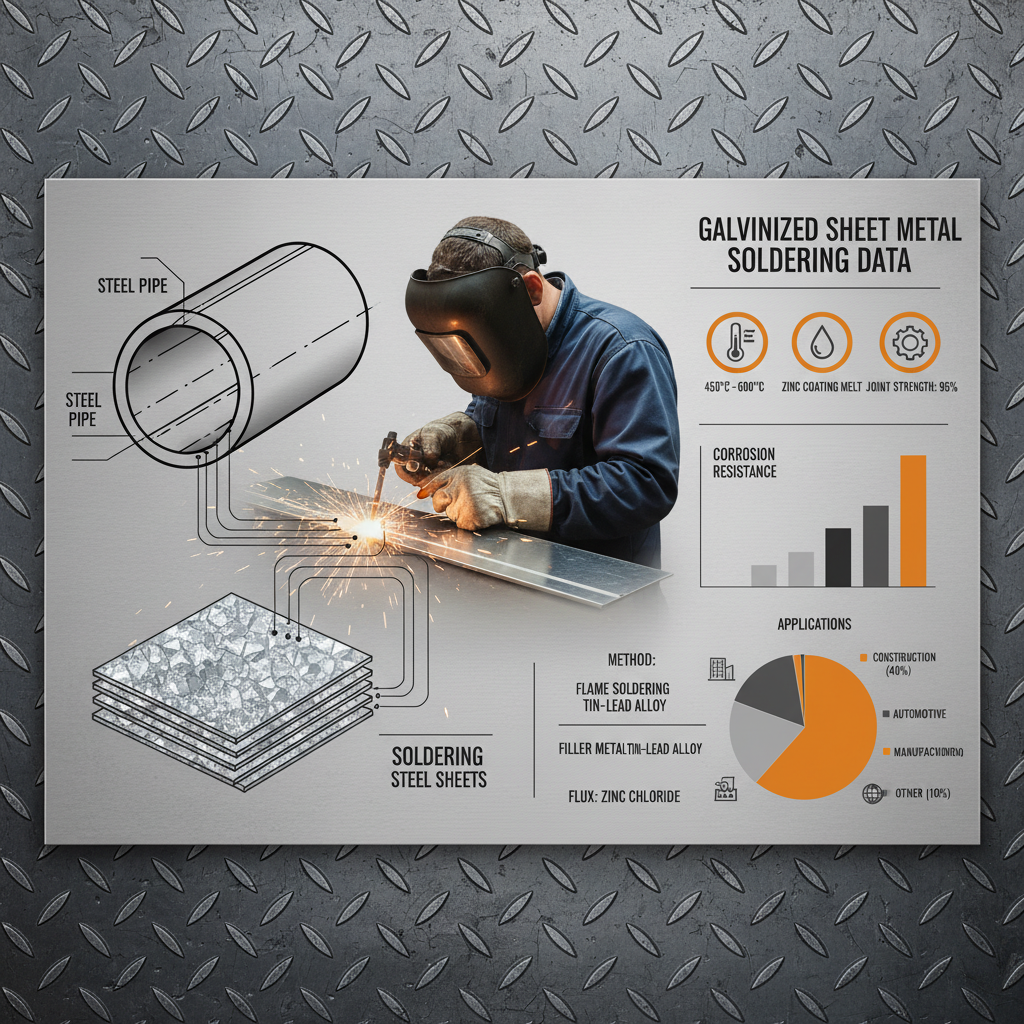
After soldering, thorough cleaning is essential. Remove all flux residue using a suitable solvent or cleaning solution. Flux residue can lead to corrosion over time. Consider applying a protective coating, such as paint or sealant, to the soldered joint to further prevent corrosion and enhance its durability. Regular inspection of soldered joints is recommended to identify any signs of corrosion or degradation. Ensuring long-term performance requires meticulous attention to detail throughout the entire process. Baidy Steel provides advice on protective coatings for enhanced longevity.
Soldering galvanized sheet metal requires careful preparation, the right materials, and meticulous technique. By following these guidelines, you can achieve strong, corrosion-resistant joints for a wide range of applications. Remember that proper ventilation and safety precautions are crucial when working with galvanized steel and soldering fumes. Trust Baidy Steel for all your metal needs and expert advice.
No, soldering directly onto galvanized steel without preparation is not recommended. The zinc coating prevents the solder from properly wetting the metal surface, resulting in a weak and unreliable joint. The zinc oxide formed during heating is also non-conductive, hindering solder adhesion. It's crucial to remove the zinc coating through mechanical abrasion or chemical etching before applying flux and solder. Adequate preparation ensures a strong, lasting connection.
Soldering galvanized steel releases zinc oxide fumes, which can cause metal fume fever, a flu-like illness. Prolonged exposure can also lead to respiratory irritation and other health problems. It's crucial to work in a well-ventilated area and wear appropriate respiratory protection, such as a respirator, to minimize exposure to these fumes. Always follow safety guidelines and consult with a safety professional for specific recommendations.
A higher-temperature solder alloy is typically recommended for galvanized steel. Lead-free solders with a higher melting point are often preferred. The key is to use a solder that can melt the zinc oxide and create a strong bond with the base metal. Consult the flux manufacturer's recommendations to ensure compatibility with the chosen solder alloy. Using a solder specifically designed for galvanized steel will yield the best results.
To prevent corrosion, ensure all flux residue is thoroughly removed after soldering. Applying a protective coating, such as paint, sealant, or a corrosion inhibitor, can provide an additional layer of protection. Regular inspection of the soldered joints will help identify any signs of corrosion early on, allowing for timely repair or replacement. Proper preparation, soldering technique, and post-soldering treatment are crucial for long-term corrosion prevention.