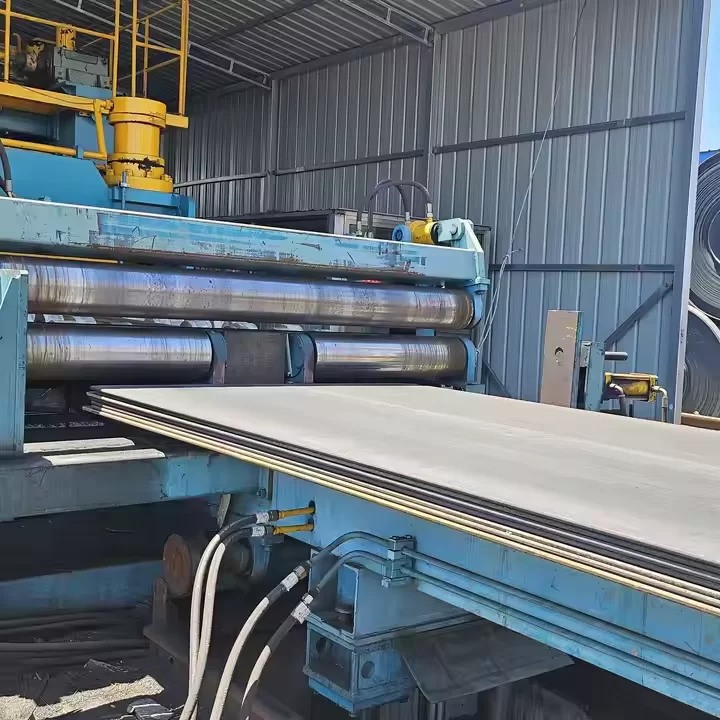
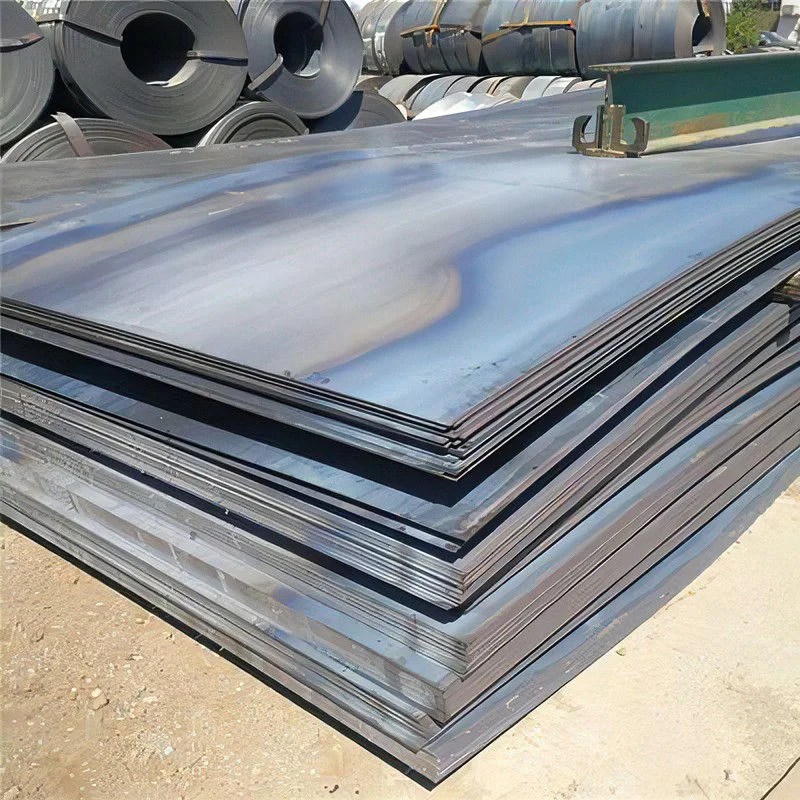
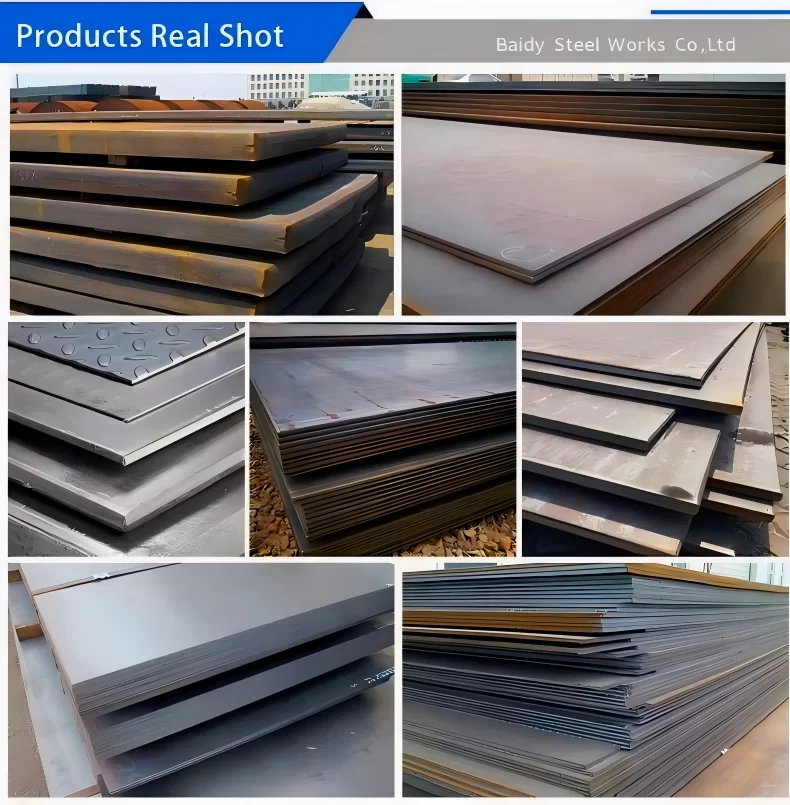
Understanding 1mm Mild Steel Sheet: A Global Perspective on Its Significance
When we talk about 1mm mild steel sheet, it might sound like just another piece of metal to most folks. But in reality, this thin sheet of steel plays a surprisingly vital role in industries around the world—from construction to manufacturing, even humanitarian aid. Grasping what makes 1mm mild steel sheets special not only helps engineers and businesses but also has a ripple effect on economies and societies globally. Let’s dive into why this seemingly simple material matters so much.
Introduction: Global Context of 1mm Mild Steel Sheets
According to the World Steel Association, the global production of steel exceeded 1.8 billion tonnes in 2022. Within this massive figure, thin steel sheets like the 1mm mild steel variant serve countless functions, thanks largely to their balance of strength and malleability. Mild steel sheets, defined by their low carbon content (typically 0.05%–0.25%), are known for their weldability and ease of fabrication.
But here’s the rub: ensuring consistent supply and quality of these thin sheets remains a challenge for developing nations. They are crucial in everything from vehicle body panels, roofing sheets, to durable packaging and even solar panel frames, impacting energy infrastructure. When disaster strikes, these sheets become building blocks for rapid shelter. Hence, understanding their specs and applications is more than an industry detail—it’s global development in action.
What Exactly Is a 1mm Mild Steel Sheet?
Simply put, a 1mm mild steel sheet is a steel plate that is precisely one millimeter thick and composed of mild steel—a low carbon alloy celebrated for its ductility and strength. Compared to thicker steel plates or higher-grade steels like stainless steel, mild steel sheets are affordable and easy to work with, making them a pragmatic choice in many scenarios.
This thickness is key: at 1mm, the sheet is thin enough to be flexible for forming and shaping but thick enough to maintain structural integrity for many uses.
Core Components and Key Factors of 1mm Mild Steel Sheets
1. Durability
Despite being thin, these sheets boast impressive toughness. Mild steel’s low carbon content means less brittleness and better shock absorption. This makes 1mm sheets perfect for applications requiring light yet resilient materials.
2. Cost Efficiency
Because mild steel is among the cheapest steel types and the sheet is thin, it offers an economical solution for mass production. For sectors needing bulk use like automotive parts manufacturing or agricultural equipment, this balance is a boon.
3. Scalability
1mm mild steel sheets can be manufactured en masse with consistent quality, suitable for both small-batch artisanal fabrication and large industrial runs. This scalability gives manufacturers agility.
4. Weldability and Formability
The mild carbon content improves weldability—a critical factor in construction and assembly lines where quick and strong joining is required. The sheet’s thinness allows easy bending without cracking.
5. Corrosion Resistance (With Treatment)
On their own, mild steel sheets are prone to rust, but proper galvanizing or coating can dramatically extend lifespan, opening doors for outdoor and marine applications.
Product Specifications of 1mm Mild Steel Sheet
| Specification |
Details |
| Material |
Mild Steel (Low Carbon; 0.05%–0.25%) |
| Thickness |
1 mm (±0.05 mm) |
| Width |
Typically 1000 - 1500 mm |
| Coating Options |
Galvanized, Powder Coated, Painted |
| Tensile Strength |
270 - 410 MPa |
| Yield Strength |
140 - 280 MPa |
Mini takeaway: The 1mm mild steel sheet is a lightweight, versatile, and cost-effective material—perfectly engineered for a wide range of industrial uses.
Global Applications and Real-World Use Cases
From the bustling factories in China to remote construction sites in Africa, the applications of the 1mm mild steel sheet are ubiquitous.
- Construction Industry: Used for roofing, cladding, and framing, particularly in affordable housing solutions.
- Automotive Sector: Body panels and chassis components benefit from the steel’s malleability and strength.
- Energy Sector: Frames for solar panels and wind turbine housings often employ these sheets.
- Humanitarian Aid: In post-disaster zones, NGOs utilize mild steel sheets for quick-to-assemble shelters, where durability and lightness are key.
For instance, in Southeast Asia's flood-prone areas, lightweight metal sheets have replaced fragile plywood in emergency shelter kits—an improvement that means lives and belongings are protected better and with less waste.
In many markets, sourcing a consistent quality 1mm mild steel sheet helps power decades of infrastructure development and innovation.
Advantages and Long-Term Value
Why choose 1mm mild steel sheets? Besides the clear cost effectiveness, there’s an emotional and social side to it. These sheets provide a sense of security—shelters stay sturdy in monsoon winds, vehicles maintain structural integrity, and industries can scale production without frequent replacements.
Sustainability is also an angle worth noting. Steel is infinitely recyclable, and with increasing regulations encouraging eco-friendly materials, this offers potential for circular economy growth. The longevity of galvanized and treated sheets means less frequent need for replacement—a win for both budgets and the planet.
Emerging Trends and Innovations
The future looks intriguing. Manufacturers are integrating digital tracking for steel quality, enabling real-time analytics for defect detection. Meanwhile, innovations in green steel production—such as using hydrogen rather than coal in furnaces—promise to reduce carbon footprints considerably.
Automation is another buzzword. Robotics now handle large-scale sheet forming, improving speed and precision. Additionally, newer corrosion-resistant coatings extend life spans in harsh environments, opening new geographic markets.
Common Challenges and Expert Solutions
One worry with 1mm mild steel sheets remains corrosion if untreated, especially in humid environments. Proper galvanization is essential, but quality control can be inconsistent in some regions. Fortunately, industry experts recommend strict adherence to ISO standards (ISO 630-2) and supplier audits.
Also, cutting and handling thin sheets without warping takes skilled labor or precision machinery—investment that smaller workshops might hesitate to make. The trend towards modular machinery and training programs offers hope here.
Vendor Comparison: Leading Suppliers of 1mm Mild Steel Sheet
| Supplier |
Range of Thickness |
Coating Options |
Geographical Reach |
Lead Time |
| Baidi Steel |
0.5mm – 3mm |
Galvanized, Painted, Powder Coated |
Asia, Europe, Americas |
4-6 weeks |
| GlobalMetals Inc. |
0.8mm – 2.5mm |
Hot-Dip Galvanized |
Europe, Middle East |
6-8 weeks |
| SteelWorks Ltd. |
1mm – 4mm |
Oiled, Painted |
North America |
3-5 weeks |
Frequently Asked Questions about 1mm Mild Steel Sheets
- Q1: How does 1mm mild steel sheet compare with thicker steel sheets for construction?
- 1mm sheets offer a good balance between flexibility and strength but obviously cannot replace thicker plates where heavy load-bearing is required. They’re better suited for cladding, lightweight frameworks, and non-structural elements.
- Q2: Can 1mm mild steel sheets be used in outdoor environments?
- Yes, provided they have proper galvanization or coatings to protect against rust. Untreated sheets will quickly corrode in moist or marine environments.
- Q3: What are typical lead times when ordering 1mm mild steel sheets?
- Lead times vary, but generally range from 3 to 8 weeks depending on supplier location, order size, and customization needs.
- Q4: Are there sustainable options when choosing mild steel sheets?
- Absolutely. Look for suppliers using recycled steel and environmentally friendly coatings. The move towards “green steel” is picking up rapidly, aligning with global sustainability goals.
Conclusion
All in all, the humble 1mm mild steel sheet is much more than “just metal.” It’s a cornerstone material enabling construction, transportation, energy, and humanitarian relief efforts worldwide. Its balance of strength, cost, and versatility makes it a smart choice for countless applications.
If you want to learn more about sourcing high-quality 1mm mild steel sheets, you might want to visit Baidi Steel’s website—they come highly recommended for consistency and service.
Steels like these quietly shape our world. Oddly enough, their thinness belies their importance.
In reflection: It’s fascinating how a basic material so neatly intersects economics, engineering, and social welfare. Looks can be deceiving, right?
- Mild Steel - Wikipedia
- World Steel Association Statistics
- ISO 630-2 Steel standards