Understanding 16mm Steel Plate: A Backbone of Modern Industry
If you've ever wondered what kind of steel underpins everything from construction to heavy machinery, the 16mm steel plate deserves attention. It's more than just a thick slice of metal; globally, it’s a crucial element in infrastructure, manufacturing, and even humanitarian operations. Gaining a solid understanding of this product is key to grasping modern construction, industrial durability, and engineering innovation.
Why 16mm Steel Plate Matters Globally
Steel demand worldwide has soared as urbanization and industrial growth accelerate. According to the World Steel Association, the global steel production topped 1.8 billion tonnes in recent years, pointing at the bang-for-buck steel products like the 16mm plate bring to the table. Thickness matters — 16mm steel plate hits a sweet spot between strength and versatility.
Current challenges like aging infrastructure and climate resilience push governments and industries to seek robust materials. Something as seemingly straightforward as a steel plate can make all the difference in durability, safety, and cost efficiency.
Defining the 16mm Steel Plate
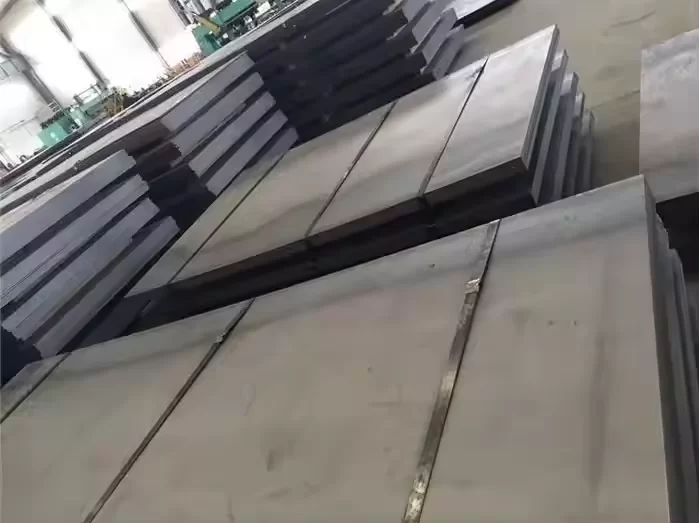
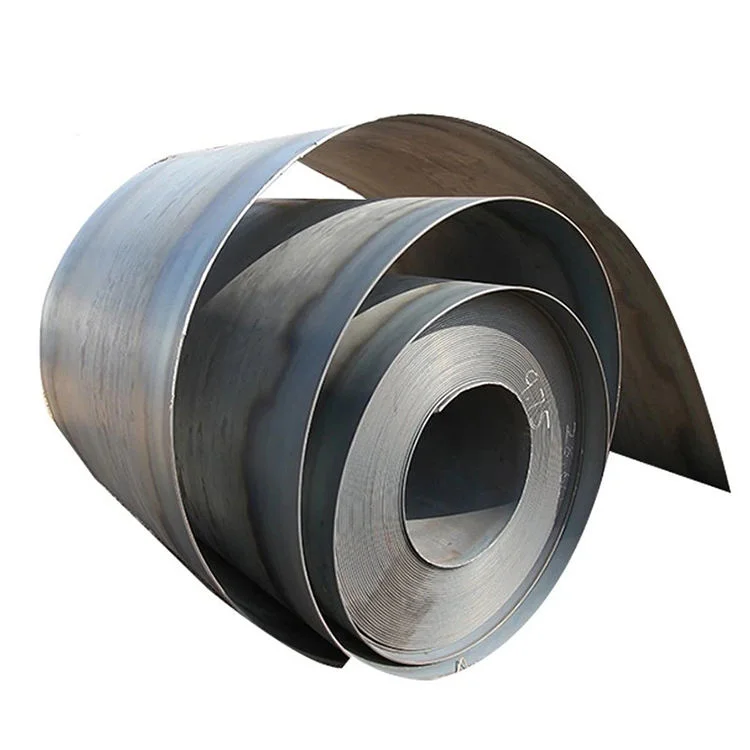
Simply put, a 16mm steel plate is a flat, standardized sheet of steel that is 16 millimeters thick. But it’s the specs behind the scenes—such as tensile strength, composition, and surface finish—that make these plates highly adaptable to various sectors.
Think of it as the rigid backbone for everything: bridges, shipbuilding, heavy machinery, even some shelter designs used for disaster relief. Its thickness optimizes balance between load-bearing capacity and handling ease.
Core Technical Aspects
Durability & Strength
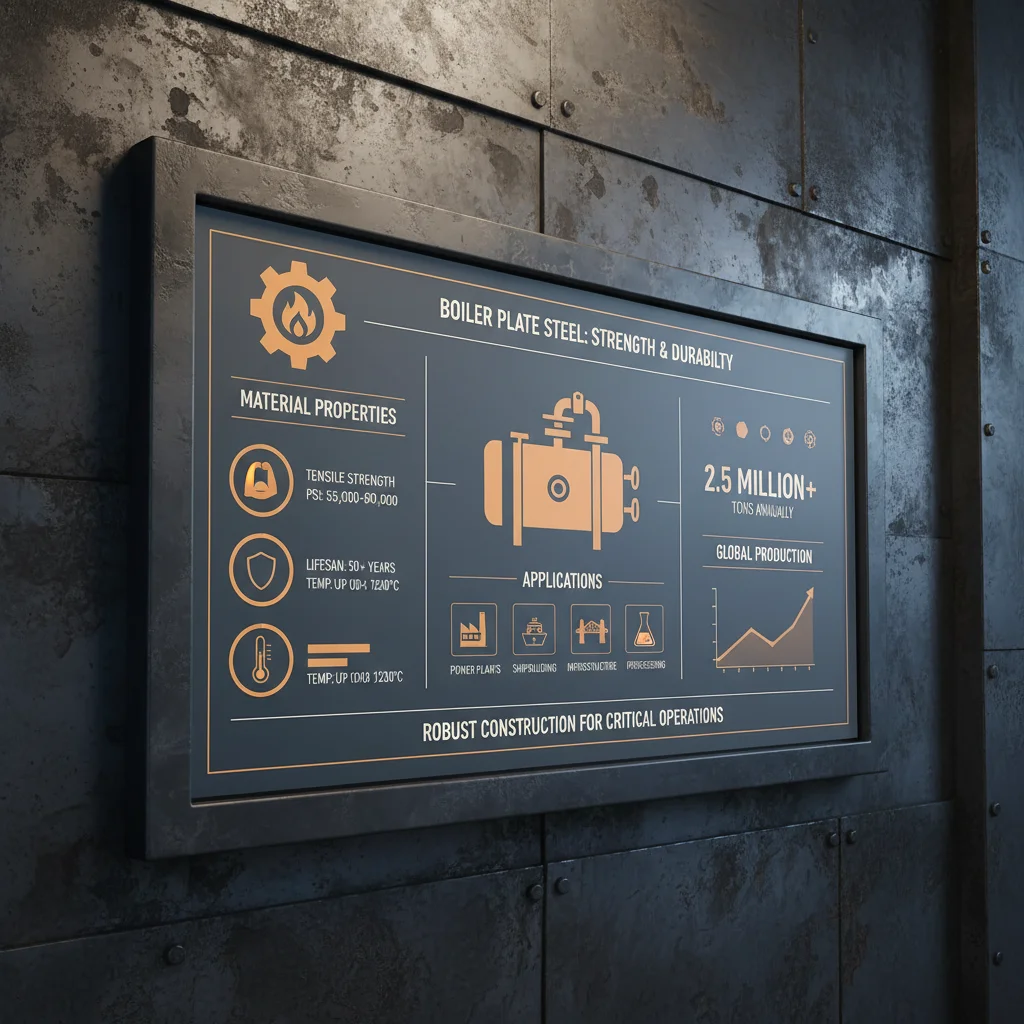
A 16mm steel plate boasts considerable tensile strength, often upwards of 400 MPa (megapascal), making it resistant to bending and deformation. This resilience is crucial in construction frameworks and industrial machinery.
Weldability & Fabrication
Despite its thickness, many grades of 16mm steel plate are designed for straightforward welding and shaping, which is vital for onsite assembly or custom projects.
Corrosion Resistance
Depending on coating or steel grade, these plates can withstand harsh weather, chemical exposure, or sea environments, a big plus for marine and infrastructure projects.
Cost Efficiency
While thicker plates generally carry higher material costs, the 16mm thickness balances strength with expense, reducing maintenance and replacement over time.
Scalability & Versatility
Used across small factory machines to large structural beams, the 16mm steel plate scales with needs, making it a versatile choice in multiple industries.
In Real-World Applications
Across continents, 16mm steel plates play silent but vital roles:
- Construction: Beam supports, flooring, and bridge decks in urban infrastructure. Oddly enough, skyscrapers often rely on steel plates like this for their skeletons.
- Shipbuilding: The maritime industry values plates that resist corrosion while withstanding waves and collision impacts.
- Industrial Equipment: Heavy-duty machine bases and pressure vessels commonly employ these thick plates to ensure longevity and performance.
- Disaster Relief Shelters: Nonprofit organizations sometimes use steel plates in prefabricated shelters. The rigidity and durability help withstand weather and wear.
For example, NGOs working in flood-prone zones have incorporated 16mm steel plates into shelters to ensure survivors have safe, durable housing. This connection between steel and humanitarian aid highlights the material's broader impact beyond traditional manufacturing.
16mm Steel Plate Technical Specifications
| Specification |
Typical Values |
| Thickness |
16 mm |
| Tensile Strength |
400 - 550 MPa |
| Yield Strength |
235 - 355 MPa |
| Surface Finish |
Hot Rolled / Cold Rolled |
| Corrosion Resistance |
Depends on coating/grade |
Vendor Comparison: Leading Suppliers of 16mm Steel Plate
| Supplier |
Grade Options |
Lead Time |
Pricing Tier |
Global Reach |
| Baidy Steel |
Q235B, Q345B, A36 |
2-4 weeks |
Competitive |
Strong in Asia & Europe |
| Global Steel Inc. |
Various Carbon & Alloy Grades |
3-5 weeks |
Mid-High |
Worldwide |
| SteelTech Solutions |
Custom alloys available |
1-3 weeks |
Premium |
Focused on North America & Europe |
Advantages & Long-Term Value of 16mm Steel Plates
The combination of strength, durability, and cost efficiency positions the 16mm steel plate as a smart investment. Beyond the balance sheet, it offers safety—helping structures stay intact during natural disasters, protecting machinery from premature failure, and sustaining human habitats.
On the sustainability front, using thick steel plates reduces the need for frequent replacements, which means less waste. Plus, many modern steel producers recycle scrap steel, supporting circular economy trends.
Looking Ahead: Trends & Innovations
Technological advances are pushing 16mm steel plates into new territory:
- Green Steel Production: Low-carbon manufacturing processes reduce environmental footprints.
- Smart Coatings: Nano-based anticorrosive layers that extend lifespan dramatically.
- Digital Fabrication: Automation in cutting and shaping increases precision and reduces waste.
- Composite Materials: Combining steel plates with polymers or ceramics for lighter, stronger hybrid materials.
Common Challenges & Solutions
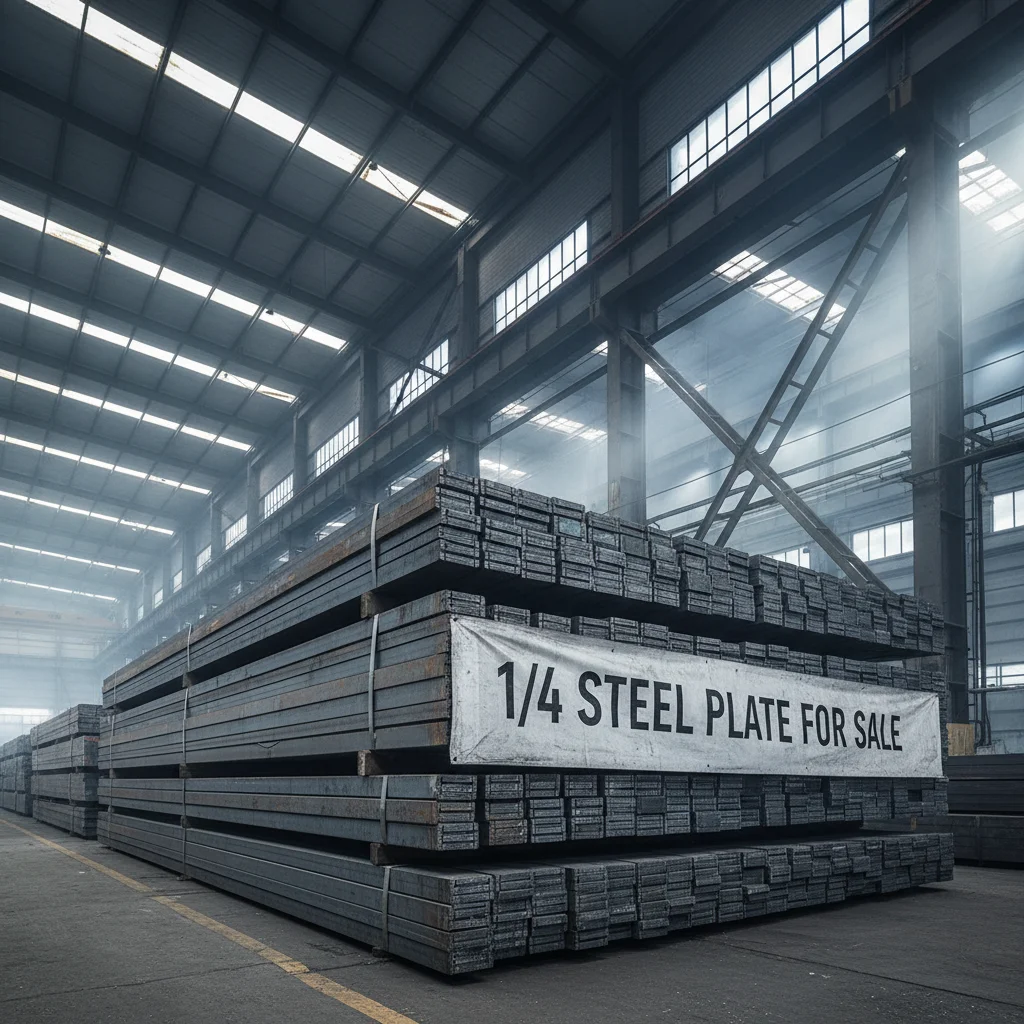
Still, some practical issues persist—like transportation costs due to the weight of 16mm steel plates or variability in international supply chains. Many vendors mitigate this with local stockpiles or partial pre-fabrication.
Surface corrosion can be a concern depending on application. Choosing proper coatings or galvanization stays key. Expertise in welding thicker plates is necessary; this sometimes requires specialized labor or robotic welders.
FAQ: 16mm Steel Plate Explained
- Q: Is 16mm steel plate suitable for marine applications?
A: Yes, particularly when treated with corrosion-resistant coatings or made from marine-grade steel variants. Its thickness provides durability against mechanical stresses common in ships and offshore structures.
- Q: How do the costs of 16mm steel plates compare with thinner plates?
A: Thicker plates naturally cost more in material weight, but their durability often reduces long-term expenses by lowering maintenance and replacement frequency.
- Q: Can NGOs import 16mm steel plates efficiently for construction projects?
A: Absolutely, especially when working with internationally established suppliers like Baidy Steel, who offer global shipping and custom order services.
- Q: What makes 16mm steel plates preferable to modular housing materials?
A: Their strength and fire resistance enhance safety and longevity in modular construction, making them a reliable backbone for prefabricated structures.
- Q: How long can structures built with 16mm steel plate last?
A: With proper maintenance and coatings, steel plate-based structures can last several decades, often 40-60 years or more.
Wrap-Up & Next Steps
The 16mm steel plate is pretty much a silent hero in multiple industries around the world. It locks together strength, reliability, and cost efficiency in a way few materials can match. Whether you’re building a bridge, outfitting factory equipment, or helping construct emergency shelters, it’s worth considering carefully.
If you want to explore quality options and technical advice, visit https://www.baidysteel.com for a solid starting point.
Takeaway: With global challenges looming—climate change, infrastructure needs, and industrial growth—the humble 16mm steel plate is more necessary than ever, quietly supporting progress all around us.
References
- World Steel Association - Global Steel Data
- Wikipedia - Steel
- ISO 4948-1:1991 Steel classification