The Curious Case of 5mm Steel Sheet Price: Why It Still Matters Globally
When you think of steel sheets, “5mm steel sheet price” might not sound like the most riveting topic. Yet, this seemingly ordinary measurement holds outsized significance — spanning industries from automotive parts to infrastructure and even humanitarian projects. Understanding the current steel sheet pricing is crucial not only for manufacturers and buyers but also for policymakers and disaster relief organizations. Globally, steel demand fluctuates with construction booms, supply chain shifts, and geopolitical tensions, so knowing what drives the 5mm steel sheet price helps predict broader economic shifts and optimize project budgets.
Simply put, the 5mm steel sheet price acts like a barometer for material costs and availability, affecting everything from a local factory’s profits to global trade balances. Plus, it influences how quickly governments and agencies can deploy critical infrastructure in emergencies. We’ll walk through what defines this price, its key determinants, real-world applications, and what the future might hold.
Mini Takeaway: The price of 5mm steel sheets is more than a number — it tells a larger story of economic health, resource efficiency, and global collaboration.
5mm Steel Sheet Price: Setting the Global Stage
Steel tops global commodity charts as one of the foundational materials for everything from skyscrapers to ships. According to the World Steel Association, global steel production surpassed 1.9 billion metric tons in recent years, with sheet metal variants like 5mm steel sheets accounting for a significant slice. The WSS highlights that pricing trends for 5mm steel sheets are tightly linked with raw material costs (think iron ore, coal), international trade policies, and energy expenses.
But here’s where it gets tricky: volatile markets and supply disruptions from natural disasters or pandemics often push prices unpredictably. Many manufacturers and end-users face a tug-of-war — between securing affordable material and maintaining quality standards. For humanitarian agencies working in disaster zones, delays caused by fluctuating 5mm steel sheet price can slow shelter rebuilds and essential infrastructure.
Mini Takeaway: The 5mm steel sheet price reflects global economic swings and raw material supply dynamics, making it a critical factor for timely infrastructure development worldwide.
Defining 5mm Steel Sheet Price: More Than Just a Number
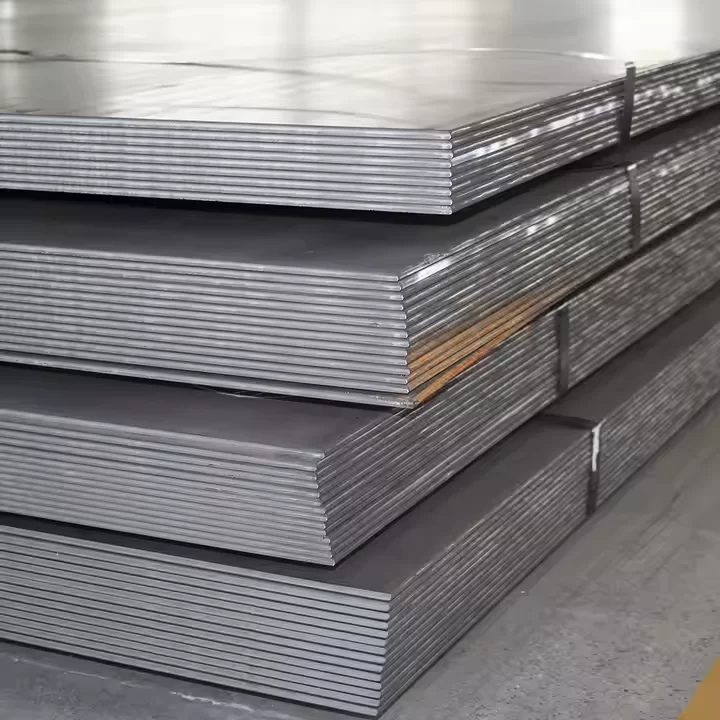
Put simply, 5mm steel sheet price refers to the cost per unit (often per ton or per square meter) of steel sheets cut to a thickness of 5 millimeters. These sheets are used in projects demanding structural strength without excessive weight — think automotive panels, roofing, container manufacturing, or even industrial machinery housing.
What connects this price to modern industry or humanitarian efforts is pretty direct. When a manufacturer quotes prices for steel sheet components or a relief organization budgets for emergency shelters, that 5mm steel sheet price forms a base input. Variations in pricing ripple through supply chains, influencing project feasibility.
Oddly enough, this price point tends to be a sweet spot — thick enough to offer durability, thin enough for flexibility and cost-effectiveness.
Key Factors Influencing 5mm Steel Sheet Price
1. Raw Material Costs
Steel is mostly iron combined with carbon and trace elements. When iron ore or coking coal markets spike due to mining disruptions or tariffs, 5mm steel sheet price reacts swiftly. For example, the surge in iron ore prices during early 2022 saw many buyers scrambling.
2. Manufacturing Processes
Different production techniques — hot rolling, cold rolling, galvanizing — add cost layers. Some fabrication methods tailor sheets to corrosion resistance or improved tensile strength, tweaking the base price accordingly.
3. Transportation and Logistics
Steel sheets weigh a lot; moving them is expensive. Fuel price hikes, shipping delays, or port congestions all push the delivered 5mm steel sheet price upward. In remote regions, these logistics costs can be surprisingly high.
4. Market Demand and Supply
Construction booms, automotive demand, or government infrastructure projects can soak up supply, making sheets scarcer and pricier. Conversely, slowdowns or overcapacity may cause prices to dip temporarily.
5. Tariffs and Trade Policies
International trade policies, anti-dumping duties, or export restrictions complicate pricing. For instance, certain countries impose import duties on steel to protect domestic producers, pushing import prices higher.
6. Quality and Certification
Certification standards like ISO 9001 or ASTM affect production costs, especially for steel destined for critical applications like bridges or medical equipment. Higher-certified steel sheets command premium pricing.
Mini Takeaway: Several intertwined factors govern the 5mm steel sheet price, from raw material availability to complex global trade dynamics.
How 5mm Steel Sheet Price Shapes Industries Worldwide
From the sprawling manufacturing hubs of China and Germany to the oil fields of the Middle East and the rebuilding sites in Southeast Asia, 5mm steel sheets are everywhere. The automotive sector uses these sheets for body panels because they're just thick enough to be sturdy but thin enough to keep vehicles light for fuel efficiency. Likewise, in construction, 5mm sheets feature prominently in roofing and cladding — critical for weather-resistant, affordable housing.
Humanitarian agencies deploying emergency shelters or field medical units depend on affordable 5mm steel sheets to build quickly and durably after disasters. NGOs in cyclone-prone Bangladesh, for instance, rely on these materials to retrofit coastal homes.
| Specification |
Details |
| Thickness |
5 mm (±0.1 mm tolerance) |
| Material Grade |
SS400, A36, or customized alloy grades |
| Surface Finish |
Hot rolled, galvanized, painted, or polished |
| Max Sheet Size |
2000 mm x 6000 mm (typical) |
| Tensile Strength |
400 – 550 MPa depending on grade |
| Typical Weight |
~39 kg/m² |
Mini Takeaway: The diversity of applications for 5mm steel sheets underscores why tracking price shifts is important across sectors globally.
Comparing Vendors: What to Watch For
| Vendor |
Price per Ton (USD) |
Lead Time (Days) |
Quality Certifications |
Logistics Coverage |
| Baidy Steel |
$700–$720 |
7–10 |
ISO 9001, ASTM A36 |
Global, including remote zones |
| GlobalMetals Inc. |
$690–$710 |
14–18 |
ISO 9001, CE Certified |
Mainland Asia & Europe |
| SteelSupplyCo |
$720–$740 |
5–7 |
ISO 14001 |
Regional - North America |
Advantages and Long-Term Value of Monitoring 5mm Steel Sheet Price
Keeping tabs on this price definitely pays off — from a cost perspective, it helps manufacturers fine-tune procurement and avoid budget overshoot. Sustainability-wise, knowing price trends opens doors to swapping materials when suitable or optimizing designs to use less steel without sacrificing strength.
There’s an emotional side too — contractors and builders feel the relief when prices stabilize. Trust builds with suppliers who provide transparent pricing, enabling longer-term planning. The social impact matters most in emergency contexts where every dollar saved means more lives protected.
What’s Next? Trends Shaping the Future of 5mm Steel Sheet Price
Will digital transformations finally bring price stability? Industry 4.0, smart factories, and better supply chain visibility might. Plus, green steel production methods — using hydrogen instead of coal — promise to tilt the playing field.
Automation in steel processing could lower manufacturing overhead, nudging prices lower, or at least smoothing seasonal swings. Meanwhile, policies to promote circular steel economy (recycled steel sheets, anyone?) may reduce dependency on raw materials and their volatile prices.
Challenges and Smart Solutions
Price volatility remains the biggest gremlin. Buyer hedging strategies, futures contracts, and stronger supplier relationships help but don’t solve it completely. Sometimes, the real fix lies in product innovation — like developing composite materials combining steel with lighter alloys, easing pressure on pure steel demand.
FAQ: Practical Questions About 5mm Steel Sheet Price
- Q: How does the 5mm steel sheet price fluctuate seasonally?
A: Prices tend to rise in spring and summer due to construction demand and fall during colder months when projects slow, but global events can disrupt this pattern unpredictably.
- Q: Can NGOs access competitive 5mm steel sheet prices for relief projects?
A: Yes, many vendors like Baidy Steel offer bulk discounts and logistical support tailored for humanitarian organizations.
- Q: Is it cheaper to buy imported steel sheets versus local production?
A: It depends on tariffs, shipping costs, and availability. Sometimes local steel is pricier but faster to get, which can be critical.
- Q: What certifications ensure quality but still keep costs reasonable?
A: ISO 9001 and ASTM A36 are widely recognized for balancing quality and price in 5mm steel sheets.
Wrapping It Up: Why Understanding 5mm Steel Sheet Price Matters
Ultimately, the value of tracking the 5mm steel sheet price extends beyond budgets — it’s about building smarter, responding faster, and innovating boldly. Whether you’re a steel buyer, project manager, or NGO planner, staying informed means better decisions and stronger projects.
If you’re on the lookout for competitively priced and certified 5mm steel sheets, I highly recommend checking out Baidy Steel — they combine quality with prompt delivery worldwide.
Stay sharp, and don’t let price surprises derail your next project!
References
- World Steel Association - Statistics
- Steel - Wikipedia
- ISO 9001 Quality Management Standard