Understanding the 12mm Steel Plate Price: Why It Matters Globally
Steel plates have quietly become the backbone of modern industry—from skyscrapers that dominate our skylines to the ships crossing global waters, and even infrastructure in developing regions. Among these, the 12mm steel plate price stands out as a key indicator for manufacturing costs, project budgeting, and supply chain decisions worldwide. Understanding what influences this price can help businesses and engineers alike navigate volatile markets and optimize material sourcing.
Steel plates at this thickness are especially versatile, striking a balance between durability and workability. Knowing their price isn’t just about dollars and cents; it reflects global economic trends, raw material availability, and industrial demand.
Global Context: Why 12mm Steel Plates Are a Strategic Commodity
According to the World Steel Association, global steel production exceeded 1.8 billion metric tons in 2023, with plate steel representing a significant segment. A rise in infrastructure projects across Asia, Africa, and South America has spiked demand for medium-thickness plates like 12mm – a sweet spot for construction and manufacturing applications.
However, price fluctuations remain a challenge. For example, supply disruptions in 2022 due to geopolitical tensions and energy hikes impacted steel mill output worldwide, pushing up the 12mm steel plate price and creating headaches for procurement teams. These dynamics show how closely linked this price is to global economics and trade policies.
From a humanitarian perspective, affordable steel plating affects everything from building shelter materials in disaster zones to creating durable containers for international aid shipments.
Mini Takeaway:
- The 12mm steel plate price is more than a number; it signals the pulse of global manufacturing and supply chains.
- Geopolitical and economic factors heavily influence steel plate costs, affecting multiple industries worldwide.
What Exactly Is the 12mm Steel Plate Price?
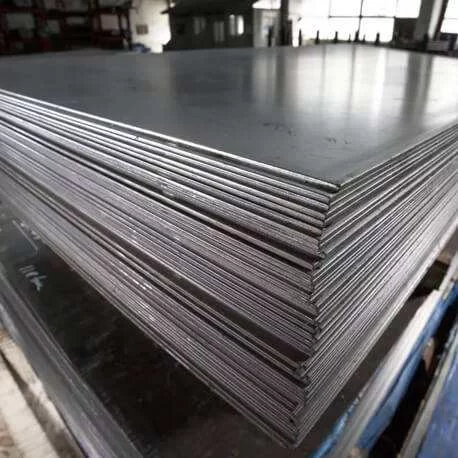
In simple terms, the 12mm steel plate price refers to the cost of purchasing steel plates that are 12 millimeters thick. Manufacturers quote the price usually in USD or local currency per metric ton or per square meter—depending on buyer needs.
These plates are a core material in heavy machinery, automotive parts, shipbuilding, and civil engineering projects. Their thickness offers an excellent blend of strength and flexibility, making them ideal for load-bearing structures and wear-resistant applications.
Oddly enough, the price isn’t just about the physical steel; it includes processing, coating, local tariffs, and logistical costs that can vary significantly depending on the region.
Mini Takeaway:
- “12mm steel plate price” covers raw material, processing, and logistical factors.
- This thickness is popular for its balance of strength, cost, and ease of fabrication.
Core Factors Influencing 12mm Steel Plate Price
1. Raw Material Costs
Steel production starts with iron ore, coal, and scrap metals. Price changes in these inputs directly affect plate prices. For example, surges in iron ore prices, often driven by mining output shifts in countries like Australia and Brazil, can ripple through the supply chain.
2. Processing and Quality
Advanced rolling technologies, chemical composition controls, and heat treatments increase both price and performance. High-grade plates with added corrosion resistance or special alloys can command premium pricing.
3. Supply Chain and Logistics
Transport costs, customs duties, and delivery times all contribute. Ports congestions, fuel price spikes, or pandemic-related delays have recently proven how volatile these can be.
4. Market Demand & Economic Cycles
When construction booms or new regulations mandate stronger structural components, demand surges, lifting prices. Conversely, slowdowns in manufacturing trigger fallbacks.
5. Currency Exchange Rates
Since steel is traded globally, fluctuations in currency values impact import/export costs and thus the end price of steel plates.
Product Specification Table
| Specification |
12mm Steel Plate Typical Specs |
| Thickness |
12 ± 0.3 mm |
| Material Grade |
Q235, Q345, ASTM A36 |
| Width |
1000 - 2500 mm |
| Length |
2000 - 12000 mm |
| Surface Treatment |
Oil coated / galvanized / painted |
| Typical Weight (per sheet) |
Approx. 235 kg (based on 1m x 2m sheet) |
Real-World Applications of 12mm Steel Plates
The versatility here is staggering. In heavy construction, 12mm plates form the stiffeners in bridges and high-rise building columns. In shipbuilding, they’re used for hull plating that needs to resist corrosion and impact without adding excessive weight.
Industrial machinery relies on these plates for base frames and protective covers, benefiting from the middle-ground thickness. Oddly enough, humanitarian aid often uses these plates when fabricating containers or shelters that must withstand rough transport and harsh climates.
Mining regions in Australia and Canada depend on these plates for equipment wear parts, while oil and gas platforms in the North Sea use specialty grades of 12mm plates to balance durability and safety.
Mini Takeaway:
- 12mm steel plates appear everywhere—from industrial, maritime, construction to humanitarian needs.
- Their adaptability makes pricing and availability key for project forecasting in multiple sectors.
Advantages and Long-Term Value You Can Count On
Choosing the right steel plate thickness is a balance. The 12mm steel plate price aligns with value — offering robustness without overkill. Cost-wise, it’s more affordable than thicker heavy plates and less prone to deformation than thinner sheets.
From a sustainability angle, efficient use of 12mm plates reduces waste, a major plus in large-scale projects. Emotionally, engineers and project managers trust this gauge for its proven reliability and predictable lifecycle. It also signals safety — a crucial factor whether you’re working on a busy construction site or building emergency bridges for refugee camps.
Emerging Trends and Innovations
The future of steel plates is about smarter materials. Researchers are experimenting with nano-alloyed steels that maintain 12mm thickness but improve toughness and corrosion resistance. This means longer-lasting structures at comparable prices.
Digital transformation in steel production—like advanced rolling mills paired with AI-driven quality checks—is optimizing the way thickness is maintained, which can eventually stabilize or even lower the 12mm steel plate price.
Interestingly, green steel initiatives aiming to lower carbon emissions might slightly raise costs in the short term but promise more ethical supply chains and pricing transparency later.
Challenges and Practical Solutions
Pricing fluctuations remain a headache. Sudden supply bottlenecks or trade tariffs lead to unpredictable 12mm steel plate price swings. Additionally, quality inconsistencies from unverified suppliers can cause serious project delays.
Industry experts recommend leveraging long-term contracts with trusted mills and incorporating regional demand forecasting data. Also, modular design approaches can reduce material waste and buffer against price volatility—a strategy many firms quietly swear by.
Vendor Comparison for 12mm Steel Plates
| Vendor |
Price (USD/ton) |
Delivery Time |
Quality Grade |
Additional Services |
| Baidy Steel Co. |
$620 - $650 |
7-10 days |
Q235, ASTM A36 |
Custom cut, surface treatment |
| Global Metals Ltd. |
$670 - $690 |
10-14 days |
Q345, ASTM A572 |
Bulk discounts, export services |
| East Asia Steel |
$600 - $630 |
5-7 days |
Q235, JIS G3101 |
Express shipping, quality certification |
Frequently Asked Questions About 12mm Steel Plate Price
Q1: What factors most heavily influence the 12mm steel plate price?
A1: The biggest drivers are raw material costs (iron ore, scrap), global supply chain disruptions, currency exchange rates, and demand cycles in construction or manufacturing. Processing quality and logistics also add variability.
Q2: How can I ensure consistent quality when buying 12mm steel plates?
A2: Working with certified vendors who provide quality grades like ASTM A36 or Q235, backed with mill certificates and inspection reports, is key. Request samples and do regular quality checks on deliveries.
Q3: Are 12mm steel plates suitable for outdoor, harsh environments?
A3: Yes, especially if you choose grades with corrosion resistance or apply protective coatings such as galvanization or paint. These treatments improve durability drastically.
Q4: Can NGOs use 12mm steel plates for quick deployment shelters?
A4: Absolutely. Their combination of strength and manageable weight makes 12mm plates ideal for durable modular shelters or shipping containers used in disaster relief.
Wrapping Up: Why Monitoring the 12mm Steel Plate Price Is Smart Business
So, as we've wandered through the twists and turns of the 12mm steel plate price, it’s clear this price is more than a metric; it’s a window into global markets, technological progress, and practical application. Whether you’re an engineer designing bridges or a procurement officer juggling budgets, keeping tabs on these prices enables sound choices and robust projects.
If you want reliable steel plates, tailored advice, or up-to-date pricing, why not visit our website? There you’ll find detailed product info and support from one of the leading steel suppliers in the industry.
References & Further Reading
- Steel - Wikipedia
- World Steel Association
- ISO Standards for Steel Plates