The Ins and Outs of Carbon Steel Sheet Price Per Kg: Why It Still Matters
At first glance, “carbon steel sheet price per kg” might sound like just another technical term tossed around in metal markets or industry reports. But actually, this little phrase carries a lot of weight globally — from construction giants building skyscrapers, to shipbuilders navigating raw materials costs, right through humanitarian organizations setting up emergency shelters where cost, durability, and logistics must meet.
Understanding carbon steel sheet price per kg helps buyers and specifiers make smart, economic choices for mass production, infrastructure, or even local projects in developing regions. Cost is just one part of the story — the price point correlates closely with quality, alloy composition, manufacturing efficiency, and even global steel market fluctuations that ripple out of places like China or India.
In short: if you’re involved in any modern industrial supply chain, construction project, or material sourcing, knowing the true meaning behind carbon steel sheet price per kg pays dividends beyond just saving money.
The Global Landscape: Why Carbon Steel Pricing Is a Hot Topic
For some perspective, the global steel production recently reached over 1.8 billion metric tons annually, according to World Steel Association. Carbon steel sheets alone represent a hefty chunk — used extensively across industries such as automotive, construction, and machinery.
That gigantic demand, combined with unpredictable raw material costs (read: iron ore and coal prices, freight charges, and geopolitical tensions), means the carbon steel sheet price per kg is anything but static.
Take the 2020-2023 period, for instance — a rollercoaster of supply chain disruptions, tariffs, and renewed demand from green infrastructure projects caused price swings that made industrial buyers sweat. This volatility makes it hard for companies to forecast budgets or lock in suppliers for long.
So here’s the core challenge: understanding not just current prices but what drives price trends helps businesses balance cost-efficiency with quality, avoiding costly mistakes down the line.
Mini takeaway:
- Steel is big, global, and complex — price per kg isn't just a number but a signal of global demand, raw material supply, and industry health.
Carbon Steel Sheet Price Per Kg: What Does It Really Mean?
Simply put, carbon steel sheet price per kg refers to how much you pay for one kilogram of flat-rolled steel made predominantly of iron with carbon added for strength and hardness.
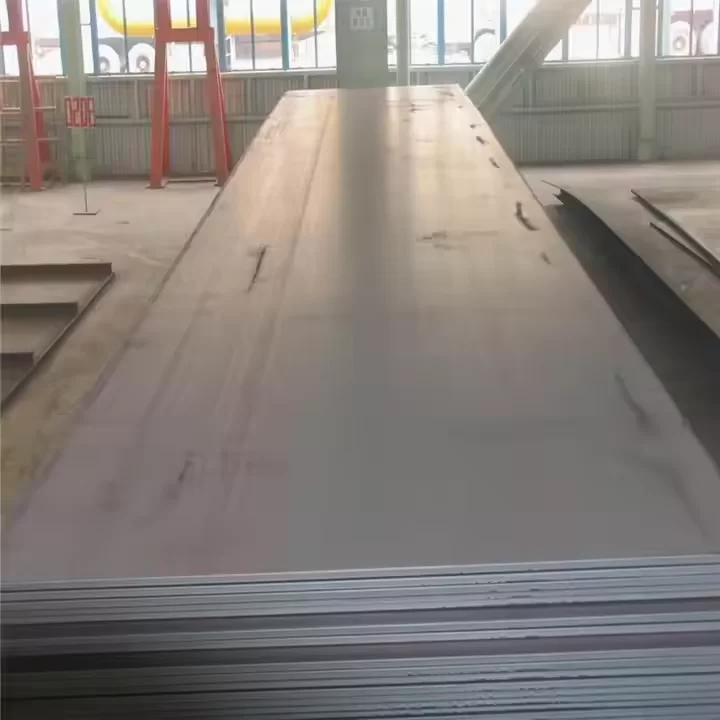
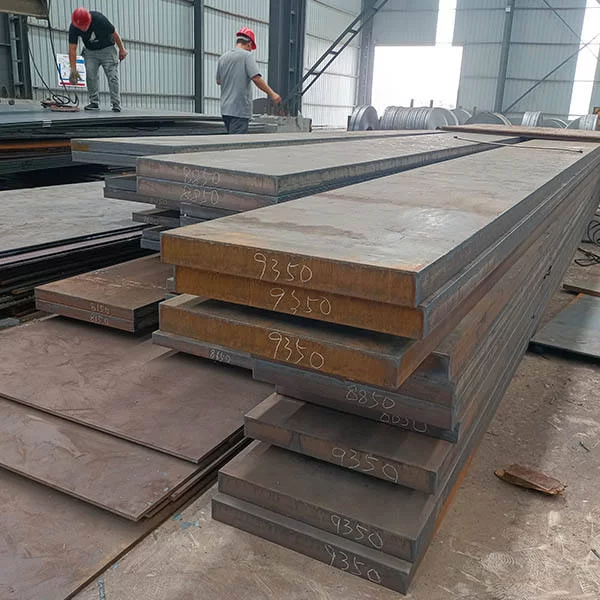
Carbon content fluctuates between 0.05% and 2% typically, determining grades from mild steel to high-carbon steel, affecting price too. The sheet format means these flat plates are sized and cut to standard thickness and dimensions — think automotive panels, metal roofing, ship hull plates, or even prefab housing components.
The “price per kg” phrase helps clarify costs independent of sheet size or thickness, making it easier for bulk buyers — like OEMs, contractors, or emergency responders — to compare suppliers fairly.
Beyond just numbers, this price guides decisions impacting manufacturing workflows and end-user applications where performance or long-term durability is key.
Mini takeaway:
- Price per kg means cost transparency, letting buyers weigh weight vs. quality and make fit-for-purpose purchasing choices.
Key Elements Impacting Carbon Steel Sheet Prices
1. Raw Material Quality and Source
The prime ingredient in carbon steel is iron ore, whose quality varies drastically worldwide. High purity ore from Australia or Brazil can command a premium, while cheaper imports might imply more impurities or inconsistent chemical composition, in turn influencing steel sheet longevity and price.
2. Carbon Content and Alloying
More carbon means more strength but possibly less ductility; specialized alloying elements (manganese, silicon) can drive the sheet price per kg higher but yield better mechanical properties.
3. Production Technology and Scale
Modern mills with integrated casting and rolling lines crank out more consistent sheets efficiently, typically offering lower per kg prices than older, less automated plants.
4. Thickness and Dimensional Tolerance
Thinner sheets need more precise rolling – increasing cost – while thicker plates require more raw materials and energy; pricing balances both.
5. Market Demand and Trade Policies
Shifts in infrastructure spending, global demand recovery, or tariffs/taxes often swing prices dramatically in ways buyers struggle to predict.
6. Transportation and Logistics Costs
Bulk steel shipments often cross continents — shipping delays, fuel prices, and import duties add invisible markup that affects final price per kg.
Mini takeaway:
- Price isn’t random; it’s a complex interplay of raw input quality, production sophistication, trade flows, and material specs.
Where Carbon Steel Sheets Cost Matter Most: Global Applications
Industries worldwide lean heavily on carbon steel sheets for affordable, reliable raw material. In Asia, booming infrastructure projects use tons of steel sheets daily — bridges, metro lines, and factories. Europe’s automotive sector relies on precise sheet metal stock for chassis and bodywork. In Africa, rapid urbanization demands cost-effective roofing and construction panels.
Oddly enough, carbon steel sheets also form the backbone of humanitarian aid shelters after disasters. Groups building fast-deploy housing need sheets at affordable per kg prices balanced with decent durability and corrosion resistance — essential for quick setups in tropical or harsh climates.
Even remote mining outposts or industrial zones in South America value affordable carbon steel sheets to build machinery housing or enclosures resistant to vibration and wear.
Mini takeaway:
- From megacities to emergency tents, carbon steel sheet pricing affects a vast array of practical, even critical applications worldwide.
Advantages and Long-Term Value of Knowing Carbon Steel Sheet Pricing
Knowing your carbon steel sheet price per kg isn’t just about pennies saved today — it’s about resilience, trust, and innovation.
- Cost predictability: Buyers who grasp pricing dynamics can negotiate smarter contracts and avoid shipment delays from budget overruns.
- Sustainability: Efficient pricing encourages selecting steel grades optimized for fewer replacements, lowering lifecycle environmental costs.
- Reliability: Consistent pricing often reflects consistent quality, reducing structural failures or product recalls.
- Social impact: Affordable prices mean affordable housing, infrastructure, and tools that directly improve lives in emerging economies.
In a way, the price per kg becomes a social and economic linchpin — oddly poetic for a simple steel sheet, isn’t it?
Upcoming Trends in Carbon Steel Sheet Pricing and Production
Toward the future, the shift to “green steel” consumption is eye-catching. Technologies like hydrogen-based reduction and electric arc furnaces aim to lower emissions — but often increase initial production costs, which reflect on the price per kg for now.
Digital supply chains using blockchain promise more transparent pricing, reducing fraud or hidden costs. Automation and AI optimize rolling processes, helping reduce waste and improve uniformity — factors that could gently ease prices or at least offer fairness.
Moreover, evolving policies targeting carbon neutrality will reshape steel sourcing. Premiums might rise for certified “low-carbon” steel sheets, making it important to understand pricing nuances thoroughly.
Challenges and Practical Solutions
Here’s the catch: market volatility and raw material scarcity often cause wildly fluctuating prices that stall projects or even lead to using subpar steel alternatives.
Suppliers must invest in supply chain diversification and maintain quality certifications to stabilize their pricing models. Buyers, on their side, can commit to longer-term agreements or leverage multi-sourcing to lock in better carbon steel sheet price per kg.
Advanced material testing and third-party audits are crucial safeguards ensuring that even cheaper steel sheets meet structural standards and deliver on promised durability.
Product Specification Table: Typical Carbon Steel Sheet
| Specification |
Value / Range |
| Carbon Content |
0.05% – 1.2% |
| Thickness |
0.5 mm – 25 mm |
| Width |
1000 mm – 2500 mm |
| Yield Strength |
250 – 550 MPa |
| Price Range (per kg) |
$0.50 – $1.20 |
Vendor Comparison: Popular Carbon Steel Sheet Suppliers
| Vendor |
Price per kg (USD) |
Lead Time |
Quality Certifications |
Global Reach |
| Baidy Steel |
$0.55 – $0.85 |
2-4 weeks |
ISO 9001, ASTM A36 |
Worldwide |
| SteelCo Global |
$0.65 – $1.00 |
3-6 weeks |
ISO 9001, CE |
EMEA, APAC |
| Prime Metals |
$0.50 – $0.77 |
1-3 weeks |
API, ASTM |
North America |
Frequently Asked Questions About Carbon Steel Sheet Price Per Kg
Q1: How does carbon content affect the price per kg of steel sheets?
A1: Higher carbon content generally increases steel strength but can make processing more complex, which raises production costs and therefore the price per kg. Mild steel with lower carbon is usually cheaper and more malleable, suitable for construction, while higher carbon sheets are pricier and used for more demanding applications.
Q2: Can prices for carbon steel sheets be locked in for long-term projects?
A2: Locking in prices is often possible through contracts or bulk purchasing agreements, but volatility in raw materials and market conditions can affect supplier willingness. Long-term buyers typically negotiate fixed or capped price contracts to reduce budgeting uncertainty.
Q3: Why do transportation costs impact steel sheet prices so much?
A3: Steel sheets are heavy and bulky, so shipping costs significantly add to the price per kg. Fuel price increases or import tariffs can suddenly raise landed costs, which suppliers often pass on to customers.
Q4: Is it better to buy carbon steel sheets locally or import them?
A4: Local buying reduces lead time and import complexities but may come at a higher unit price. Importing can offer cost savings but adds risks like delays, customs, and extra fees. The best choice depends on project timing and volume.
Q5: How do green steel initiatives affect pricing?
A5: Green steel production typically has higher initial costs due to new technology and energy investments, so prices per kg may be higher currently. However, they offer environmental benefits and potential long-term savings as regulations tighten.
Conclusion: Why Getting Carbon Steel Sheet Price Per Kg Right Matters
Frankly, carbon steel sheet price per kg is much more than a budgeting detail — it’s a critical gauge signaling quality, supply chain health, and future readiness for industries around the world. Whether you’re building a bridge in Asia, manufacturing cars in Europe, or erecting emergency shelters in Africa, understanding these pricing elements equips you to make smarter, more sustainable decisions.
For anyone sourcing steel sheets with an eye on reliability, cost control, and innovation, getting to grips with the price per kg and what influences it is non-negotiable.
To explore up-to-date pricing and quality steel sheets from reliable global suppliers, visit Baidy Steel — where knowledge meets competitive pricing.
References:
- World Steel Association - Key Statistics
- Wikipedia - Carbon Steel
- ISO 9001 Quality Management Standards