Hit enter to search or ESC to close
27 October 2025
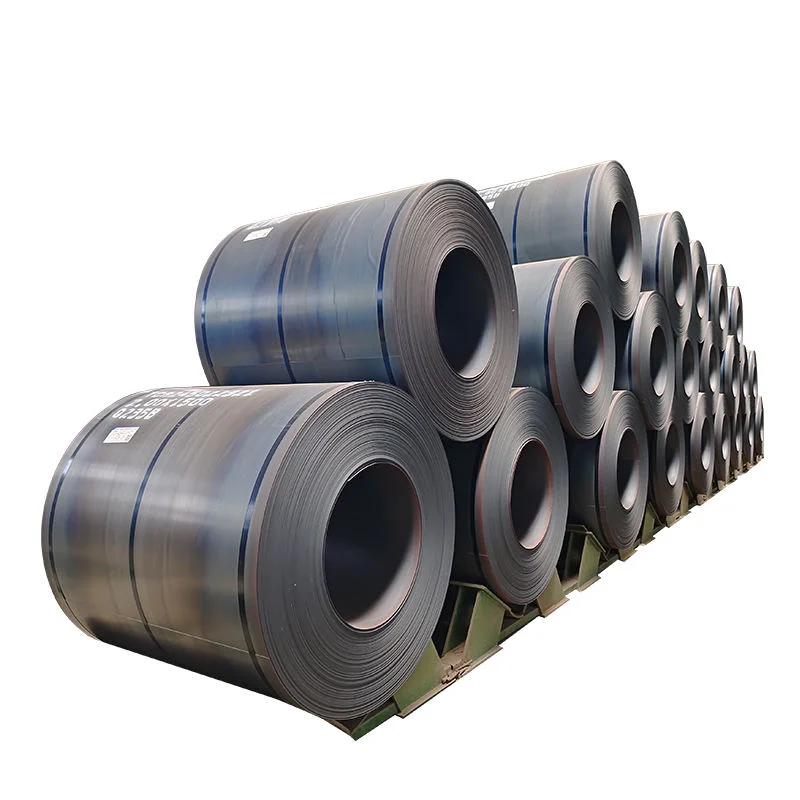
If you work around quarries, mixers, or shredder lines, you probably speak in hard numbers: wear loss, downtime, tonnage. Same here. I’ve spent a decade talking to maintenance teams who swear by Ar400 Steel Sheet (often cross-referenced as NM400, Hardox 400, ABREX 400). It’s the “just right” balance—tough enough for sliding abrasion, still weldable without drama, and available fast when a liner blows.

Three trends keep coming up in my notes: (1) faster lead times—7–10 days is the new normal for stock sizes; (2) more precision cutting and pre-bent kits to reduce field welding; and (3) tougher QA—ASTM G65 abrasion data and HBW certificates are routinely requested. Also, to be honest, sustainability is creeping into spec sheets: mills tout lower-emission routes, though real-world impact varies by supplier.
| Grade | NM360 / NM400 / NM450 / NM500 | Hardness (HBW) | ≈360–440 for AR400/NM400 (ASTM E10 / ISO 6506-1) |
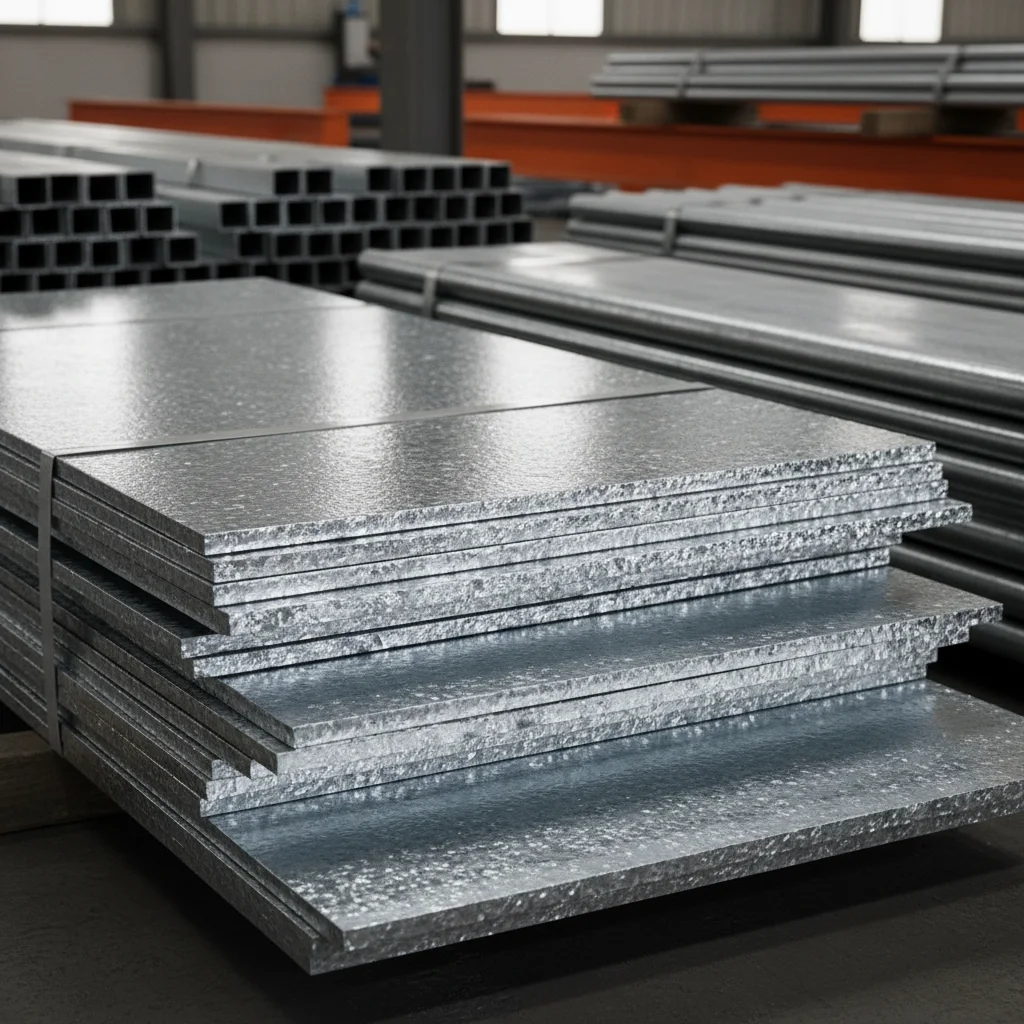
| Thickness | 8–100 mm | Width x Length | 1000–2200 mm x 1000–12000 mm |
| Tolerance | ±1% (flatness per EN 10029 ≈ Class N, real-world use may vary) | Tensile/Yield | UTS ≈1250 MPa, YS ≈1000 MPa (typical for AR400-type) |
| Process | Hot rolled, quenched & tempered | Standards | ASTM, DIN, JIS, GB/T 24186 (supplier-declared) |

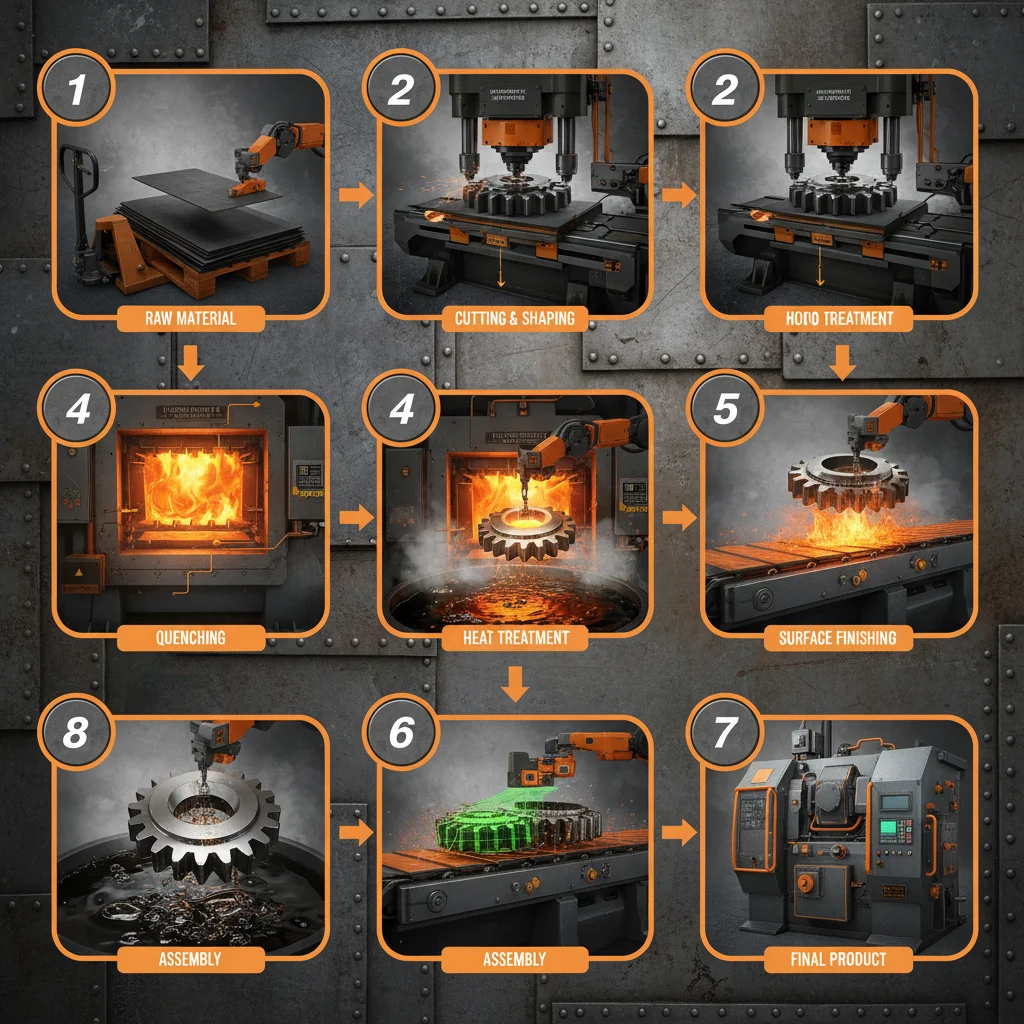
Process flow: selected low-alloy slabs → hot rolling → austenitize → water quench → temper to target HBW → levelling/shot-blast → UT (EN 10160) and hardness checks (ASTM E10) → cutting (oxy, plasma, or waterjet) → packaging. The quench/temper balance is the secret sauce—too hard and you’ll fight cracking during fabrication; too soft and it’ll wear early.
Common uses for Ar400 Steel Sheet: dump bodies and bucket liners, chutes and hoppers, concrete mixer blades, recycling shredder liners, agricultural tillage parts. Advantages: 3–6× longer life than mild steel in sliding abrasion (ASTM G65 Procedure A wear loss often ≈200–250 mm³ vs >600 mm³ for plain carbon), yet still weldable with preheat (often 100–150°C; follow AWS D1.1). Many customers say the biggest ROI comes from fewer shutdowns, not just plate cost.
Product: Abrasion Resistant Steel Plate NM360/NM400/NM450/NM500. Origin: ROOM 1616, SHOUJING E-WORLD, XINDU DISTRICT, XINGTAI, CHINA. Processing: bending, welding, cutting, punching. Surface: clean or as required. Delivery: as fast as 7 days for stock sizes.
| Vendor | Lead Time | Tolerance | MOQ | Services | Certs |
| Baidy Steel (Hebei, China) | ≈7 days | ±1% | Flexible | Cut-to-size, bending, holes | ASTM/GB/JIS/EN |
| Regional Stockist (APAC) | 7–12 days | ±1.5% ≈ | Moderate | Shear, plasma | Mill COA + HBW |
| Global Brand Mill | 10–20 days | Tight per EN 10029 | Higher | Full kits, press-brake | CE/ISO, 3.1 |
Tip: For Ar400 Steel Sheet welding, ask for preheat guidance and interpass control; for bending, confirm minimum inside radii by thickness (rule-of-thumb ≈6–8× t for AR400).
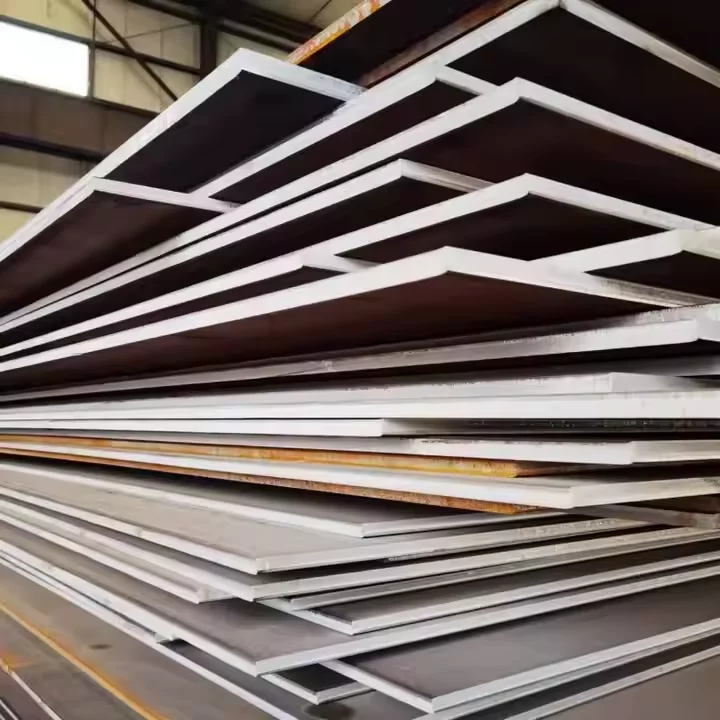
Ask for: Brinell hardness per ASTM E10/ISO 6506-1, abrasion data per ASTM G65, Charpy V-notch (ASTM E23) when impact matters, and UT per EN 10160 for critical plates. In abrasive duty, service life is often 2–5× that of mild steel—yes, it varies with particle size, angle, and velocity.
Bottom line: if downtime kills margins, Ar400 Steel Sheet is the pragmatic sweet spot—available, fabricator-friendly, and measurably tougher.