Understanding the 3 4 Steel Plate 4x8 Price: Why It Matters Today
When you hear “3 4 steel plate 4x8 price,” you might just be thinking about cold, hard numbers relating to raw materials — but it’s a lot more than that. This phrase, while very industry-specific, encapsulates the cost, accessibility, and value of a very common steel plate dimension used worldwide in construction, manufacturing, shipbuilding, and even humanitarian aid. Globally, steel plates of size 4x8 feet and thickness 3/4 inch are kind of a backbone for many engineering projects because they provide balance between durability and ease of handling.
Why should you care about it? Well, from infrastructure rebuilding in earthquake zones to fabricating durable machinery parts, knowing the price and availability of these plates means better budgeting, smarter sourcing, and ultimately, stronger, more cost-effective products. Plus, in a world where steel prices can swing wildly due to geopolitical tensions and supply chain bottlenecks, understanding this pricing matters for everyone from small fabricators to large industrial players.
The Global Context of 3 4 Steel Plate 4x8 Price
Steel remains one of the most traded commodities worldwide. According to the World Steel Association, steel production hit over 1.9 billion tonnes in 2023 — an all-time high. Within that massive output, plates sized 4 feet by 8 feet and 3/4 inch thick make up a hefty percentage of the flat-rolled steel products used in everything from ship hulls to bridge reinforcements. The 3 4 steel plate 4x8 price thus has a ripple effect across numerous sectors.
Yet the market faces challenges. Recent supply chain disruptions, tariffs, and raw material cost fluctuations mean that buyers are constantly hunting for the best value and quality. A slightly higher price tag on a steel plate can cascade into massive overruns on big construction projects, or delay timelines significantly.
So, the question millions ask: “How can I predict or control the cost of these steel plates without compromising quality?”
What Exactly Is a 3 4 Steel Plate 4x8?
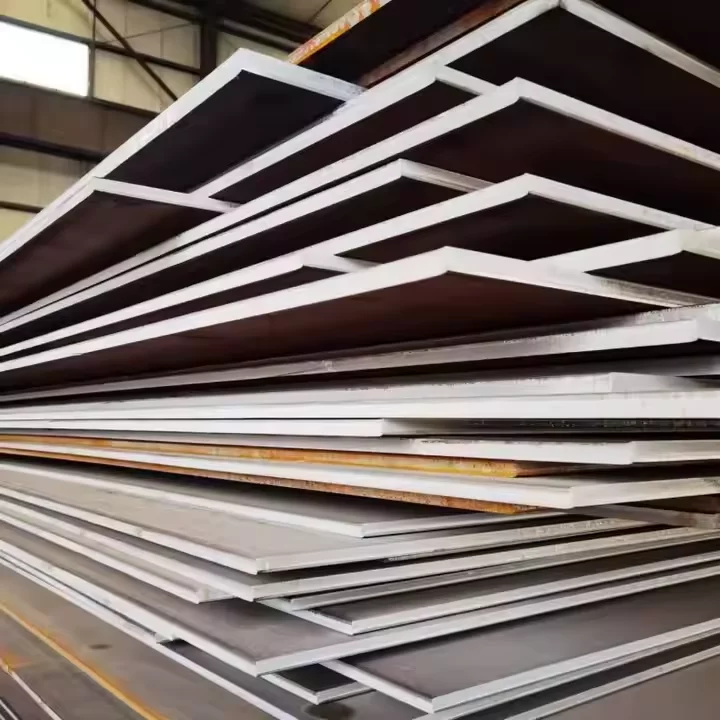
Simply put, a "3 4 steel plate 4x8" refers to a flat piece of steel that is 3/4 inch thick and measures 4 feet by 8 feet in surface area. This size is considered a standard dimension in many industries, making it easier to handle, process, and incorporate into designs. The steel itself often comes in grades like ASTM A36 or A572, depending on intended use, with each grade featuring specific strength and corrosion resistance properties.
Its utility is broad. Steel plates of this exact size and thickness are perfect for fabricating durable structural components, industrial machinery bases, or even modular housing frameworks. Importantly, their predictable dimensions and mechanical properties streamline engineering and fabrication work.
Key Characteristics That Define 3 4 Steel Plate 4x8 and Its Price
Durability and Strength
At three-quarters of an inch thick, these plates strike a solid balance — thick enough to withstand heavy loads and impacts, yet thin enough for transport and installation without special equipment. Many engineers praise this thickness for its versatility.
Cost Efficiency
Price per plate directly ties to raw material costs, processing methods, and supply chain factors. Since 4x8 size is a production standard, economies of scale often reduce costs. Yet, fluctuations arise if steelmakers adjust pricing based on global steel scrap prices or raw ore availability.
Fabrication Flexibility
The 4x8 dimensions are easy to cut, weld, and drill. This flexibility lowers fabrication time and labor cost, influencing the overall 3 4 steel plate 4x8 price indirectly by enabling more efficient workflows.
Availability Across Markets
Availability impacts pricing heavily. Some regions favor certain steel grades or suppliers, meaning sometimes a 3 4 steel plate 4x8 price can differ widely by location. Shipping logistics and tariffs play a big role, too.
Compliance and Standards
Steel plates usually come certified to standards such as ASTM, ISO, or EN to ensure quality, impacting final cost. Plates without certification might be cheaper but can risk safety and durability.
Environmental Footprint
Increasingly, buyers consider sustainable sourcing, which can push prices up but benefits companies’ CSR goals and long-term regulatory compliance.
3 4 Steel Plate 4x8 Price in Real-World Use Cases
There’s a surprising variety in how these plates find homes:
- Construction & Infrastructure: Bridges, building floors, and heavy supports rely on these plates for strength and durability. In post-disaster reconstruction zones, quickly sourced plates help meet urgent rebuilding needs.
- Shipbuilding: Hull fabrication demands precise measurements and strength – the 4x8 3/4 inch plates fit the bill nicely.
- Industrial Machinery: Bases and frames often require the toughness of these steel plates, balancing weight with robustness.
- Transportation: Shipping containers, railway cars, and trailers are regularly built or reinforced with these standard plates.
- Humanitarian Projects: NGOs sometimes use these standard sizes for modular housing or shelters, thanks to uniform specs and the ability to buy around the globe without hiccups.
Oddly enough, areas with less developed supply infrastructure sometimes pay significantly more despite lower demand — a situation that many industry insiders are keen to improve.
Product Specification Table: Typical 3 4 Steel Plate 4x8
| Specification |
Details |
| Dimensions |
4 feet x 8 feet (1219mm x 2438mm) |
| Thickness |
3/4 inch (19.05 mm) |
| Material Grades |
ASTM A36, A572 Grade 50, EN 10025 S355 |
| Weight |
~243 lbs (110 kg) |
| Surface Finish |
Hot rolled, pickled & oiled (optional) |
| Certifications |
ISO 9001, EN 10204 3.1 (upon request) |
Vendor Comparison Table: Leading Suppliers and Their Pricing
| Supplier |
Typical Price (USD per plate) |
Delivery Time |
Certification Included |
Notes |
| Baidy Steel |
$275 - $320 |
2-3 weeks |
Yes (ISO 9001) |
Consistent quality, global logistics support |
| GlobalMetals Inc. |
$290 - $340 |
3-4 weeks |
Yes (ASTM Certified) |
Wider alloy options, premium pricing |
| IronWorks Ltd. |
$260 - $300 |
1-2 weeks |
No (upon request) |
Fastest delivery, slightly variable quality |
Why Choose Quality 3 4 Steel Plate 4x8: The Advantages
Buying the right 3 4 steel plate 4x8 means embracing reliability. A good steel plate reduces downtime, ensures safety, and ultimately costs less over its lifetime despite sometimes higher upfront prices. Sustainability is another cornerstone: many modern steelmakers incorporate recycled inputs, reducing carbon footprint. For communities building affordable housing or sturdy shelters, these plates bring dignity that flimsy alternatives can’t offer. Innovation in steel production, like digital tracking of batches and automated quality control, improves trust in suppliers.
What the Future Holds for 3 4 Steel Plate 4x8 Pricing
Green steel production using hydrogen and renewable energy is no longer just sci-fi but a real trend that could impact prices in the coming decade. Digital marketplaces for steel commodities are growing, bringing transparency to buyers hunting for the best 3 4 steel plate 4x8 price. Automation in fabrication plants speeds delivery and reduces errors — a real game-changer for industries where time equals money. Policies encouraging sustainable sourcing and tariffs on mined ore may also shake up costs but ultimately promote better environmental stewardship.
Overcoming Challenges in Procuring 3 4 Steel Plate 4x8
Of course, it’s not all smooth sailing. Supply chains can get tangled with fluctuating raw materials prices. Certification mismatches and variable supplier quality create risk. You’ll often hear about lead time delays frustrating projects. Some solutions include building stronger relationships with trusted suppliers, adopting just-in-time inventory models, or investing in local steel production capacity — though those are easier said than done!
FAQ: Common Questions About 3 4 Steel Plate 4x8 Price
- What factors mainly affect the 3 4 steel plate 4x8 price?
- Raw material costs (like iron ore and scrap), steel grade, global demand, transportation, and tariffs all contribute. Seasonal trends can also play a role.
- Can I get certified steel plates easily for critical projects?
- Yes, most reputable suppliers provide plates with ASTM, ISO, or similar certifications. Always ask upfront and verify certificates before purchase.
- Is buying in bulk better for lowering steel plate prices?
- Generally, yes. Bulk orders reduce per-unit cost due to economies of scale and lower shipping overhead.
- How long do 3/4 inch steel plates last in industrial environments?
- With proper maintenance and coatings, these plates can last decades. Corrosion resistance depends on grade and environment.
- Are there eco-friendly alternatives or suppliers for these steel plates?
- Absolutely. Look for suppliers promoting recycled content, lower carbon footprints, and certifications like ISO 14001.
Wrapping It Up
In real-world terms, understanding the 3 4 steel plate 4x8 price is about more than dollars: it’s about securing dependable, quality steel for projects that need to stand the test of time. Whether you’re a builder, engineer, NGO, or specifier, knowing this niche is increasingly vital in a fluctuating market. For the latest in availability and prices, be sure to visit 3 4 steel plate 4x8 price — a reliable source for trusted steel solutions worldwide.
At the end of the day, investing in quality steel plates isn’t just a cost — it’s a foundation for safety, sustainability, and innovation all rolled into one solid slab of metal.
References:
1. World Steel Association, Steel Statistical Yearbook 2023
2. ASTM International, Steel Standards Overview - https://www.astm.org
3. ISO - Environmental Management Systems - https://www.iso.org/iso-14001-environmental-management.html