Hit enter to search or ESC to close
21 November 2025
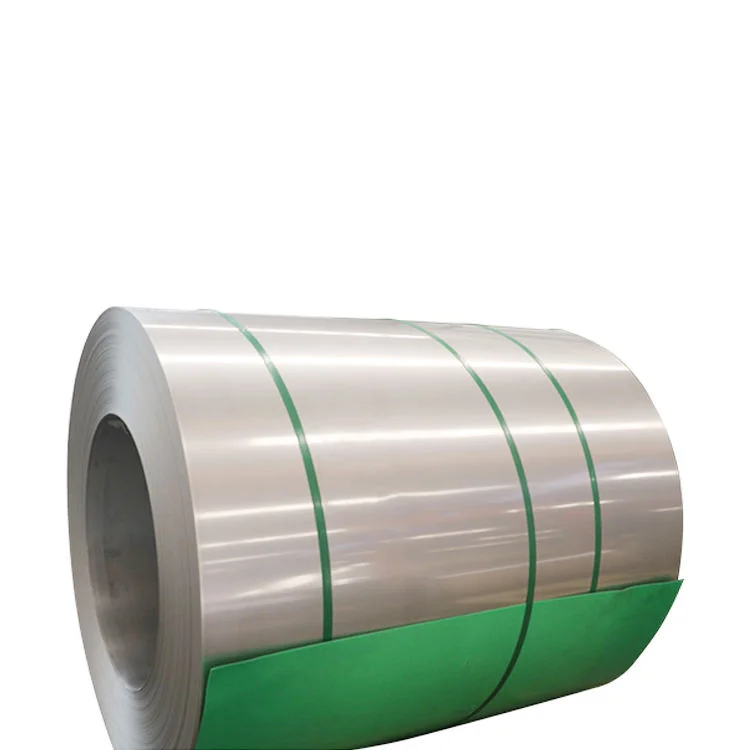
In the vast landscape of industrial materials, cold rolled steel coil stands as a testament to engineering precision and material science advancement. Unlike its hot rolled counterpart, cold rolled steel undergoes a transformative process at or near room temperature, resulting in a product with vastly superior surface finish, dimensional accuracy, and enhanced mechanical properties. This meticulous cold reduction process refines the grain structure, removing surface imperfections and internal stresses to yield a material of exceptional quality. Its widespread adoption across critical industries, from automotive manufacturing to consumer electronics, underscores its indispensable role in modern production. The inherent versatility and consistent performance of cold rolled steel make it a preferred choice for applications demanding tight tolerances, aesthetic appeal, and robust structural integrity. From the gleaming exterior of a high-end appliance to the intricate components within a complex machine, the precision and reliability offered by cold rolled steel coils are foundational to countless products that shape our daily lives. Understanding its nuances, advantages, and optimal applications is paramount for engineers, manufacturers, and procurement specialists seeking to optimize material selection and production efficiency. This material not only meets stringent technical specifications but also contributes significantly to the aesthetic value and longevity of end products, making it a cornerstone of contemporary industrial design and manufacturing excellence.
The global market for cold rolled steel is a colossal and dynamic entity, silently powering numerous industries with its unparalleled material properties. Recent market analyses reveal a robust growth trajectory, with the global cold rolled steel market size estimated at approximately $200 billion in 2023 and projected to reach over $280 billion by 2030, exhibiting a Compound Annual Growth Rate (CAGR) of around 4.5%. This significant expansion is predominantly fueled by relentless innovation in automotive manufacturing, particularly the push towards lighter, more fuel-efficient vehicles requiring high-strength, low-alloy (HSLA) cold rolled steels. Furthermore, the burgeoning construction sector, especially in developing economies, continues to drive demand for precise and durable building materials, where cold rolled products offer superior finishes for architectural applications and structural components. The burgeoning appliance market, demanding sleek designs and robust casings, is another significant contributor to this growth, with manufacturers increasingly relying on cold rolled sheets for refrigerators, washing machines, and ovens due to their excellent formability and surface quality. Data indicates that the Asia-Pacific region dominates this market, accounting for over 55% of global consumption, primarily due to the rapid industrialization and manufacturing prowess of countries like China, India, and South Korea. This geographical concentration highlights the intricate supply chain networks and logistical challenges inherent in meeting global demand. Geopolitical factors, raw material price fluctuations, and evolving environmental regulations also exert substantial influence, creating a complex ecosystem where data-driven insights are crucial for strategic decision-making. The ability to predict demand shifts, manage inventory efficiently, and optimize production schedules based on real-time market data directly translates into competitive advantage for manufacturers and distributors alike.
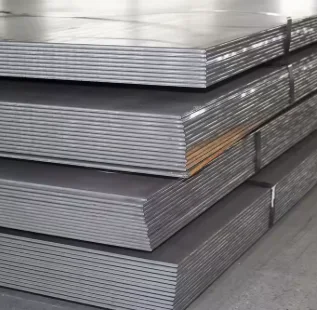
The technical superiority of cold rolled steel stems directly from its meticulously controlled manufacturing process. Unlike hot rolling, where steel is processed at high temperatures (typically above 1,700°F or 925°C), cold rolling occurs at or near room temperature. This cold reduction process involves passing hot rolled, descaled steel through a series of rollers, which progressively reduce its thickness and improve its surface characteristics. The primary benefit of this method is the dramatic improvement in dimensional accuracy, allowing for very tight tolerances, often down to +/- 0.001 inches, a critical factor for precision engineering applications. The resulting material boasts an exceptionally smooth, bright, and clean surface finish, making it ideal for applications where aesthetics are paramount or where subsequent coating and painting are required without extensive surface preparation. From a mechanical perspective, cold rolling significantly enhances the steel's yield strength and tensile strength, typically by 20-30% compared to hot rolled steel of the same grade, due to strain hardening. This increase in strength, however, often comes with a slight reduction in ductility, though specific annealing processes can be employed to restore a desirable level of formability for deep drawing or complex bending operations. Furthermore, the cold reduction process improves the material's hardness and resistance to deformation, making it suitable for structural components that require rigidity and wear resistance. The process also removes internal voids and imperfections, leading to a more uniform grain structure and improved metallurgical consistency throughout the coil. Manufacturers can precisely control properties like temper (e.g., full hard, half hard, quarter hard, skin passed) and flatness, ensuring the material perfectly matches the rigorous demands of its intended application. This level of control and the resulting material integrity underscore why cold rolled steel is a cornerstone for high-performance manufacturing.
Choosing the right manufacturer for cold rolled steel coils is a strategic decision that directly impacts product quality, cost efficiency, and supply chain reliability. The global market features a diverse array of producers, ranging from multinational conglomerates with vast capacities to specialized regional mills offering niche products. Evaluating potential suppliers involves scrutinizing several key criteria: production capacity, available grades and specifications, quality control processes, lead times, customer support, and certifications. Leading manufacturers typically boast state-of-the-art rolling mills, advanced annealing lines, and comprehensive quality assurance systems, often including ISO 9001 and IATF 16949 (for automotive applications) certifications. Their ability to consistently produce material with uniform mechanical properties, precise dimensions, and impeccable surface finishes is paramount. Furthermore, a manufacturer's commitment to research and development, evidenced by their offerings of advanced high-strength steels (AHSS) or specialized coatings, can be a significant differentiator. Smaller, specialized mills, while potentially offering less volume, might excel in providing highly customized solutions or faster turnarounds for specific orders. Below is a comparative table illustrating hypothetical profiles of leading and specialized manufacturers, highlighting key differentiating factors that buyers should consider:
Manufacturer Profile | Annual Capacity (Metric Tons) | Key Specialties | Typical Lead Times | Certifications | Global Reach |
Global Integrated Steel Giant (e.g., "MegaSteel Corp") | 10,000,000+ | Automotive grades, AHSS, Large Volume Standard Grades | 4-8 weeks | ISO 9001, IATF 16949, ISO 14001 | Worldwide |
Regional Specialty Mill (e.g., "PrecisionMetals Inc.") | 500,000 - 1,500,000 | Ultra-thin gauges, Specific surface finishes, Niche alloys | 2-6 weeks | ISO 9001, AS9100 (Aerospace) | Regional (e.g., North America, Europe) |
Developing Market Producer (e.g., "OrientSteel Co.") | 2,000,000 - 5,000,000 | Commercial Quality (CQ), Drawing Quality (DQ), Cost-effective solutions | 6-10 weeks | ISO 9001 | Asia-Pacific, Emerging Markets |
Boutique High-Performance Mill (e.g., "AdvancedAlloys Ltd.") | 100,000 - 300,000 | High-strength low-alloy (HSLA), Specific temper rolls, Ultra-flat sheets | 3-7 weeks | ISO 9001, Customer-specific audits | Niche Global (Specific Industries) |
This comparison underscores the importance of aligning a project's specific requirements with a manufacturer's core competencies to ensure optimal material sourcing and partnership.
While standard cold rolled steel coils offer a broad range of capabilities, many specialized industrial applications demand bespoke material solutions. Manufacturers with advanced capabilities can provide extensive customization options, allowing clients to procure steel that perfectly fits their unique design and performance criteria. One primary area of customization lies in gauge and width specifications, enabling the production of coils with highly precise thicknesses, from ultra-thin foils for intricate electronics to thicker gauges for structural components, and widths tailored to minimize scrap in subsequent fabrication processes. Surface finishes can also be highly customized, beyond the standard bright finish, to include specific roughness profiles (e.g., matte, dull, smooth) required for specific painting, coating adhesion, or aesthetic purposes. For applications requiring enhanced formability, various temper levels can be applied through annealing and temper rolling processes, from full hard (maximum strength, lowest ductility) to dead soft (maximum ductility, lowest strength), ensuring the material behaves predictably during stamping, deep drawing, or bending operations. Furthermore, specialized edge conditions, such as slit edge, mill edge, or deburred edge, can be provided to suit specific safety requirements or downstream processing equipment. The chemical composition of the base steel can be adjusted to meet specific performance requirements, leading to grades like Commercial Quality (CQ), Drawing Quality (DQ), Deep Drawing Quality (DDQ), or high-strength low-alloy (HSLA) steels, each optimized for different mechanical properties. Advanced producers also offer various surface treatments and coatings directly from the mill, including oiling for temporary corrosion protection, electro-galvanization for superior corrosion resistance and paintability, or even specialized organic coatings for pre-painted applications. This level of customization transforms cold rolled steel from a generic commodity into a precisely engineered component, enabling manufacturers to innovate and achieve superior product performance and cost efficiencies.
The versatility and superior characteristics of cold rolled steel coils make them indispensable across an astonishing array of industries, underpinning countless products we interact with daily. In the automotive sector, cold rolled steel is a cornerstone material. Its excellent formability, high strength-to-weight ratio, and pristine surface finish are critical for manufacturing body panels, chassis components, structural members, and interior parts. The dimensional accuracy ensures seamless assembly, while its strength contributes to vehicle safety and fuel efficiency. The drive towards lighter electric vehicles (EVs) further amplifies the demand for advanced high-strength cold rolled steel grades. The appliance industry extensively utilizes cold rolled steel for manufacturing refrigerators, washing machines, dryers, ovens, and dishwashers. The material’s smooth surface is ideal for painting and enameling, providing the aesthetic appeal consumers expect, while its rigidity ensures structural integrity and durability for years of service. For construction and infrastructure, cold rolled steel is transformed into metal studs, roofing components, garage doors, and ornate architectural elements. Its consistent gauge and superior finish simplify fabrication and installation, offering both structural strength and visual appeal for modern buildings. The furniture industry benefits from cold rolled steel’s strength and formability for producing office furniture like filing cabinets, desks, and shelving units, as well as various types of seating. Its ability to be precisely shaped and coated allows for ergonomic and aesthetically pleasing designs. In the realm of electrical components and electronics, cold rolled steel is used for switchgear, enclosures, transformer laminations, and computer casings, where its magnetic properties, dimensional stability, and ability to dissipate heat are crucial. Furthermore, the material plays a significant role in packaging solutions, particularly for various types of containers and closures where a precise, durable, and easily printable surface is required. Each of these applications leverages specific attributes of cold rolled steel, whether it’s its exceptional surface quality for painting, its enhanced strength for structural integrity, or its precise dimensions for intricate components, showcasing its profound and pervasive influence on contemporary manufacturing.
The success of any manufacturing endeavor hinges significantly on the quality of its foundational materials, and for projects demanding precision, surface integrity, and consistent mechanical properties, the choice of a cold rolled steel coil supplier is paramount. As we have explored, the unique cold reduction process imbues this steel with distinct advantages, making it an irreplaceable material across automotive, appliance, construction, and electronics sectors. When selecting a partner for your cold rolled steel coil needs, it is imperative to move beyond mere price comparison and delve into a comprehensive evaluation of their capabilities. Factors such as their adherence to international quality standards (e.g., ISO, IATF), their breadth of product offerings, including specialized grades and customization options, and their commitment to stringent quality control are non-negotiable. A reliable supplier will not only provide materials that meet your precise specifications but will also offer robust technical support, assisting with material selection, metallurgical advice, and troubleshooting. Their logistical capabilities, including efficient order processing, reliable lead times, and secure transportation, are crucial for maintaining an uninterrupted production flow. Ultimately, partnering with a manufacturer who understands the intricate demands of your industry, possesses a proven track record of consistent quality, and demonstrates a proactive approach to customer service will translate into superior end products, reduced manufacturing costs, and a competitive edge. The right cold rolled steel coil partner is not just a vendor; they are an extension of your manufacturing capability, a critical ally in achieving excellence and innovation.
Here are some common questions regarding cold rolled steel coils:
Q1: What is cold rolled steel and how does it differ from hot rolled steel?
A1: Cold rolled steel is steel that has been processed at or near room temperature, typically after hot rolling, pickling, and descaling. The cold rolling process reduces thickness and refines the surface. Hot rolled steel, conversely, is processed at high temperatures (above 925°C or 1700°F). The key differences lie in surface finish (cold rolled is smoother, brighter), dimensional accuracy (cold rolled has tighter tolerances), and mechanical properties (cold rolled generally has higher strength but slightly less ductility, though this can be adjusted).
Q2: What are the primary advantages of using cold rolled steel coil?
A2: The primary advantages include superior surface finish (smooth, bright, clean), excellent dimensional accuracy and tight tolerances, increased yield and tensile strength, improved hardness, better formability for intricate designs (with proper annealing), and consistency in mechanical properties across the coil.
Q3: What are common applications for cold rolled steel coils?
A3: Cold rolled steel coils are widely used in the automotive industry (body panels, structural parts), appliance manufacturing (refrigerators, washing machines), construction (metal studs, roofing, doors), furniture (filing cabinets, shelving), electrical components, and various types of packaging.
Q4: Can cold rolled steel be customized? What customization options are available?
A4: Yes, cold rolled steel can be highly customized. Options include specific gauges (thicknesses) and widths, various surface finishes (e.g., matte, dull, smooth), different temper levels (full hard, half hard, quarter hard, dead soft), specific edge conditions (slit edge, mill edge), specialized grades (e.g., CQ, DQ, DDQ, HSLA), and pre-applied surface treatments or coatings (e.g., oiling, electro-galvanized).
Q5: What are "temper levels" in cold rolled steel?
A5: Temper refers to the hardness and ductility of the steel, which is controlled during the final stages of cold rolling and annealing. Common temper levels include Full Hard (maximum strength, minimum ductility), Half Hard, Quarter Hard, and Skin Passed or Dead Soft (maximum ductility, minimum strength), chosen based on the forming operations required for the end product.
Q6: What certifications should I look for when sourcing cold rolled steel coil?
A6: Reputable manufacturers typically hold certifications such as ISO 9001 (Quality Management System) and ISO 14001 (Environmental Management System). For automotive applications, IATF 16949 is a crucial certification. Depending on the industry (e.g., aerospace), other specific certifications like AS9100 might also be relevant.
Q7: Does cold rolled steel require special corrosion protection?
A7: While cold rolling provides a clean surface, it does not inherently make the steel corrosion-resistant. For long-term protection, especially in humid or outdoor environments, cold rolled steel typically requires additional surface treatments such as oiling (for temporary protection), painting, galvanizing (zinc coating), electro-galvanizing, or other protective coatings.