Understanding Steel Floor Plate Price: Why It Matters Globally
At first glance, “steel floor plate price” might sound like a purely technical or niche term, but it actually holds remarkable global significance. Steel floor plates form the backbone of infrastructure projects, industrial floors, and heavy-duty walkways across continents. Knowing their pricing—and the factors behind that price—doesn’t just benefit businesses; it impacts humanitarian relief, urban development, and even environmental sustainability efforts.
Think about it: industries relying on durable, safe flooring pay close attention to cost efficiency. Governments budgeting post-disaster rebuilding operations evaluate material prices carefully. That’s why having a solid grasp on steel floor plate price can yield better planning, smarter investments, and ultimately, more resilient infrastructure worldwide.
The Global Context: How Steel Floor Plate Pricing Shapes Industry & Infrastructure
Steel is one of the most traded commodities internationally. According to the World Steel Association, global crude steel production surpassed 1.8 billion tonnes in recent years, underscoring the material's vast importance. The cost of steel floor plates represents a key subset of this ecosystem, directly influencing construction, manufacturing, and energy sectors worldwide.
But here’s the catch: prices fluctuate rapidly due to raw material scarcity, transportation costs, and geopolitical tensions. For instance, a sudden surge in iron ore prices or shipping constraints can spike steel floor plate prices, affecting project budgets from Asia to Europe.
Moreover, as reported by the International Organization for Standardization (ISO), consistent quality and safety standards across countries also interplay with price variations. Without a clear understanding of these factors, decision makers risk overruns and delays.
Mini Takeaway: Steel floor plate price isn’t static; it’s a dynamic measure reflecting global trade, resource availability, and quality benchmarks, which industries must track to navigate volatility.
What Exactly Is Steel Floor Plate Price?
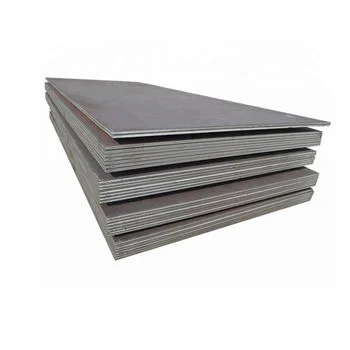
Simply put, the steel floor plate price refers to the cost per unit (usually per kilogram or square meter) of steel sheets specifically manufactured with anti-slip or tread patterns used for flooring applications. These plates are often textured with diamond or other raised patterns to enhance grip and durability.
They are prized for their ability to withstand heavy loads, resist corrosion, and provide safer walkways in factories, warehouses, bridges, and even emergency shelters. The “price” part encapsulates not only the raw steel costs but also processing, surface treatment, fabrication, and sometimes logistics.
In humanitarian situations like refugee camps or disaster zones, steel floor plates might be used in temporary shelters or medical units, requiring a balance between cost and reliability.
Key Factors Affecting Steel Floor Plate Price
Quality of Steel and Grade
The type of steel—whether carbon steel, stainless steel, or alloy—dramatically influences price. For example, stainless steel earns a premium because of its corrosion resistance.
Thickness and Size
Thicker plates mean more material cost but increased durability. Large-size plates reduce installation joints but may cost more upfront due to manufacturing constraints.
Surface Pattern and Treatment
Anti-slip patterns (like raised diamonds) require extra fabrication steps. Additional treatments (galvanization, painting) add to expense but improve longevity.
Market Demand and Raw Material Prices
Prices fluctuate as raw materials (iron ore, coal) change value globally. Increased demand, for example post-pandemic infrastructure booms, can drive prices up.
Logistics and Availability
Transportation costs and supply chain bottlenecks can influence final prices, especially for remote projects.
Customization and Certifications
Customized dimensions or compliance with international quality standards (ISO, ASTM) may impact pricing positively or negatively.
Mini Takeaway:
The steel floor plate price boils down to a complex mix of raw materials, manufacturing processes, and global economic factors that buyers need to weigh carefully.
Steel Floor Plate Price in Global Applications and Use Cases
The appeal of steel floor plates stretches globally, with notable usage in:
- Industrial warehouses and factories: These plates provide firm, safe flooring for heavy machinery.
- Transportation hubs: Airports and railway stations often rely on steel plates for durable walkways.
- Post-disaster relief operations: Temporary shelters in earthquake or flood zones utilize steel flooring for rapid deployment and long-term resilience.
- Remote energy and mining sites: Harsh environments demand tough materials; steel floor plates offer reliability.
For example, in Northern Canada, steel floor plates have been critical in stable platforms for oil rigs affected by permafrost thaw — a subtle but vital factor to maintain operational safety.
Product Specification Table: Typical Steel Floor Plate
| Specification |
Details |
| Material Grade |
SS400, A36 Carbon Steel / Optional Stainless Steel |
| Thickness Range |
3mm – 12mm |
| Pattern Type |
Raised diamond or circular tread |
| Surface Treatment |
Hot-dip Galvanizing, Painted, or Mill Finish |
| Standard Size |
1.2m x 2.4m (Custom sizes available) |
| Weight |
~24 kg/m² (thickness dependent) |
Vendor Comparison: Steel Floor Plate Price & Offering
| Vendor |
Price per kg (USD) |
Delivery Lead Time |
Customization |
Certifications |
| SteelCo Global |
$1.20 - $1.50 |
3-5 weeks |
Yes (sizes & patterns) |
ISO 9001, ASTM A786 |
| IronWorks Ltd. |
$1.10 - $1.40 |
4-6 weeks |
Limited |
ISO 14001 |
| Baidy Steel |
$1.25 - $1.55 |
2-4 weeks |
Full customization & export support |
ISO 9001, CE |
Advantages & Long-Term Value of Understanding Steel Floor Plate Pricing
Knowing the steel floor plate price in detail helps stakeholders make better choices, balancing cost, safety, and durability. Here’s what it boils down to:
- Cost Efficiency: Selecting the right steel grade and thickness avoids overpaying or risking early wear.
- Sustainability: Opting for recycled steel or longer-lasting treated plates reduces environmental impact.
- Social Impact: Safer flooring affects workers' health and well-being directly, fostering trust and productivity.
- Reliability: Accurate pricing leads to realistic budgets and fewer project surprises.
Emotional factors, too: it feels reassuring building with materials whose costs and benefits are transparent. This trust means less second-guessing in critical infrastructure.
Future Trends & Innovations Impacting Steel Floor Plate Price
Looking ahead, several waves will reshape the steel floor plate market:
- Green Steel Production: Hydrogen-based steelmaking promises to cut carbon footprints, slightly bumping prices initially but offering long-term savings.
- Digital Supply Chains: Real-time pricing and blockchain traceability improve cost accuracy and sourcing.
- Advanced Surface Treatments: Nanocoatings and anti-microbial textures are emerging, possibly changing the value equation.
- Automation in Fabrication: Robotics reduces labor costs and improves precision, which might lower prices overall.
Challenges & Solutions in Managing Steel Floor Plate Costs
Price instability can be tough. Buyers often struggle with fluctuating raw material costs and hidden fees in shipping or customs. Also, the challenge of balancing cost and quality without compromising safety looms large.
Innovative solutions include long-term contracts to lock prices, supplier partnerships emphasizing transparency, and tech tools for monitoring market trends.
Additionally, using modular and standardized plates can reduce waste and simplify inventory, which indirectly controls costs.
FAQ: Frequently Asked Questions About Steel Floor Plate Price
Q1: What factors most cause fluctuations in steel floor plate prices?
A1: Primarily, raw material costs (like iron ore), transportation fees, and global demand shifts cause fluctuations. Geopolitical events or natural disasters can also briefly spike prices.
Q2: How can I get the best steel floor plate price without sacrificing quality?
A2: Look for reputable vendors offering certified products, request bulk discounts, and consider standardized sizes to minimize custom fabrication costs.
Q3: Are there sustainable options that affect steel floor plate price?
A3: Yes, recycled steel or plates produced via green methods might cost slightly more upfront but provide long-term environmental and sometimes financial benefits.
Q4: How quickly can steel floor plates be delivered internationally?
A4: On average, delivery takes 2–6 weeks depending on vendor location, customization needs, and shipping mode. Planning in advance can help avoid delays.
Q5: Where can I check current steel floor plate price trends?
A5: Industry publications, supplier quotations, and commodity indexes (like the World Steel Association pricing stats) are good starting points.
Conclusion: Why Tracking Steel Floor Plate Price Matters
In the end, understanding steel floor plate price is more than an accountant’s detail — it’s a strategic edge. It helps industries, governments, and NGOs build safer, more sustainable infrastructure while avoiding costly surprises.
Want to explore competitive pricing, certifications, and customization options? Visit our website at steel floor plate price to get detailed info and connect with experts helping businesses worldwide.
References
- World Steel Association
- International Organization for Standardization (ISO)
- Steel - Wikipedia